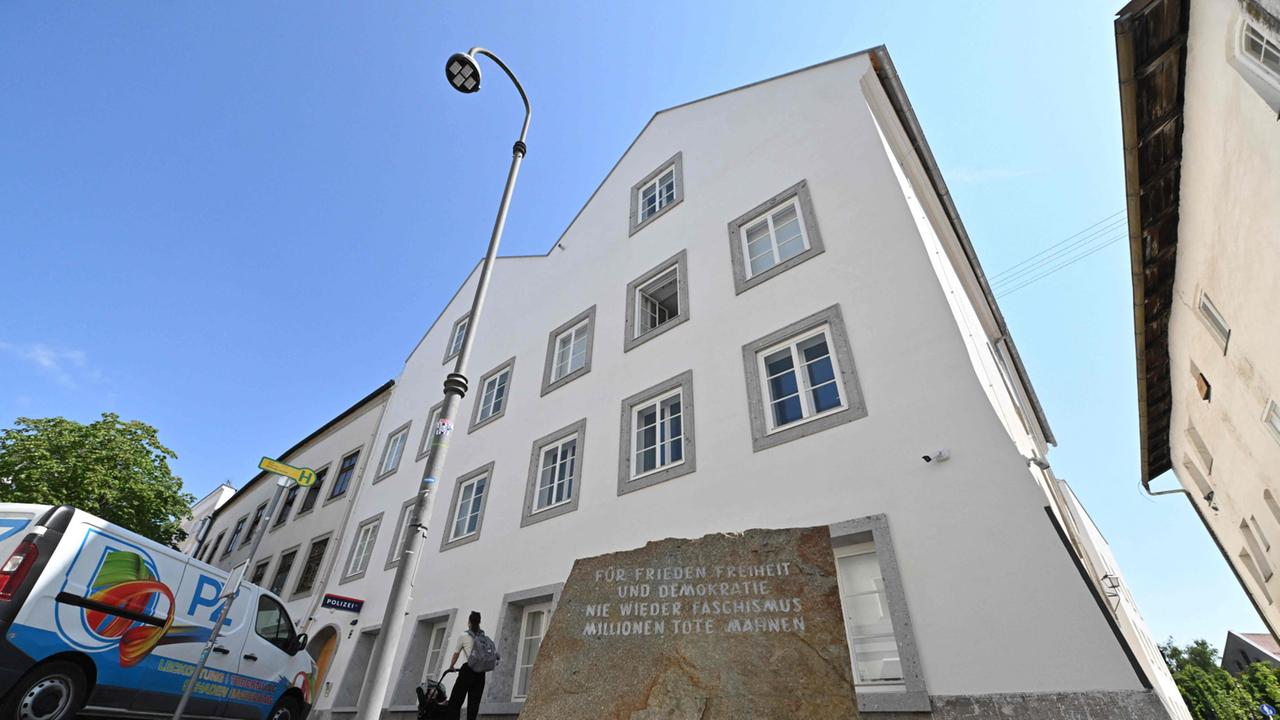
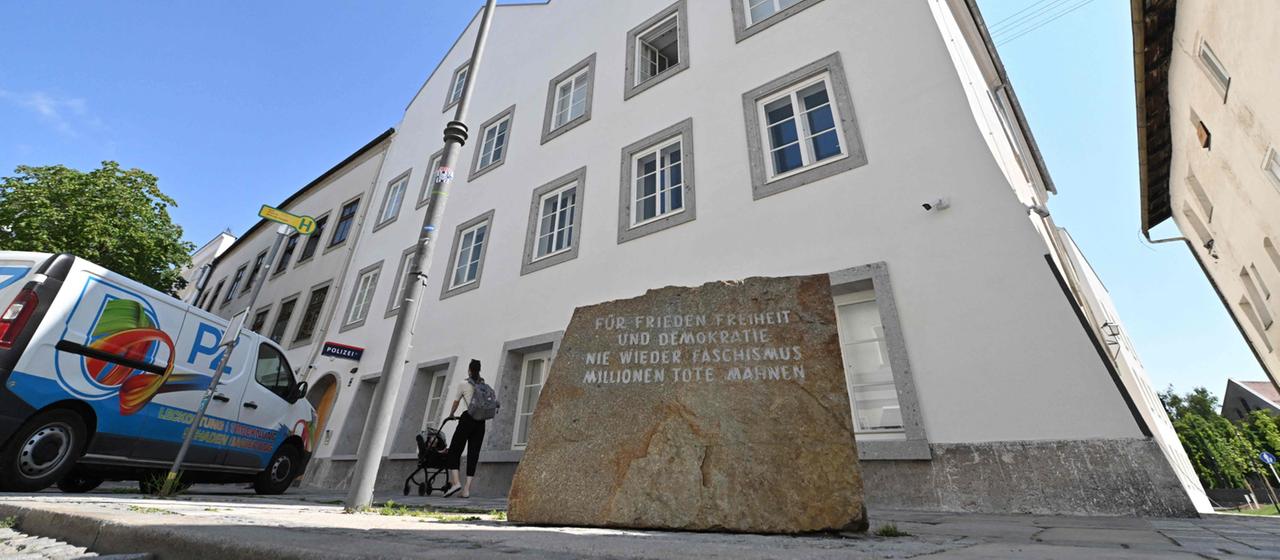
Braunau am Inn, Austria – July 22, 2026 – After decades of contentious debate and a complex history of ownership and proposed uses, the building that once served as the birthplace of Adolf Hitler in Braunau am Inn, Austria, has officially been transformed into a police station. This significant shift in the property’s destiny marks a pivotal moment for the small Austrian town, aiming to decisively close a chapter defined by infamy and to prevent the site from becoming a pilgrimage destination for extremist groups.
The decision to repurpose the notoriously symbolic structure into a functional police barracks, complete with modern surveillance capabilities, is intended to "neutralize" the location and deter any attempts to venerate the Nazi dictator. For years, the fate of the yellowish-brown apartment building on Salzburger Vorstadt street had been a source of national and international concern, with Austria grappling with how to responsibly manage a site inextricably linked to one of history’s most heinous figures.
Mayor Johannes Waidbacher expressed his hope that this new chapter will finally bring an end to the long-standing discussions surrounding the building. "I believe that from Braunau’s perspective, another chapter is now being added to the house’s centuries-long history – and it will likely also end the discussion about its future use," he stated at the opening ceremony. This sentiment reflects a collective desire within the town and across Austria to move beyond the shadow of Hitler’s birth and to reclaim the site for a purpose aligned with contemporary democratic values.
A Tumultuous History: From Birthplace to Bureaucracy
The building’s journey since Hitler’s birth on April 20, 1889, has been far from straightforward. For decades, its existence served as a somber reminder of the dark history that emanated from this seemingly ordinary Austrian town. The post-war period saw various attempts to grapple with the building’s legacy.
Early Post-War Years and Shifting Ownership:
Following World War II, the building was initially occupied by various entities. In the 1970s, it briefly served as a school, an attempt to imbue the space with a more positive and educational purpose. However, this proved to be a temporary solution. Subsequently, the structure became a facility for Lebenshilfe, an organization supporting individuals with disabilities in Upper Austria. This represented another effort to imbue the site with a humanitarian purpose, a stark contrast to the destructive ideology its most famous former resident had unleashed upon the world.
The Period of Stagnation and State Intervention:
Approximately fifteen years prior to the police station’s opening, Lebenshilfe vacated the premises. The building, by then in a state of disrepair, was left vacant. This period of emptiness amplified the ongoing debates about its future. The then-owner, an individual whose identity remained a subject of public discussion, was unable to reach an agreement with the municipality or national authorities on a suitable and responsible way to repurpose the property. This stalemate ultimately led to the building’s expropriation.
Acquisition by the Republic of Austria:
In 2017, a significant turning point occurred when the Republic of Austria formally acquired the property. This move by the federal government signaled a decisive step towards resolving the long-standing impasse and taking direct control of the site’s destiny. The acquisition paved the way for the development and implementation of a definitive plan.
The Deliberate Choice: Police Station Over Demolition or Memorial
The decision to establish a police station was not the only option considered. An expert commission was tasked with thoroughly evaluating various scenarios, including demolition and the creation of a dedicated memorial site. Ultimately, both of these alternatives were consciously rejected.
Reasons for Rejecting Demolition:
The commission and relevant authorities determined that demolishing the building would amount to a historical erasure, an attempt to simply "forget" or "suppress" the past. While the desire to remove a tangible link to Hitler’s origins was understandable, proponents of retaining the structure argued that confronting history, even its most disturbing aspects, is crucial for learning and remembrance. Destroying the building would have meant losing a physical anchor for historical reflection.
Reasons for Rejecting a Memorial Site:
The idea of transforming the building into a memorial site was also debated extensively. However, concerns were raised about the practical challenges of controlling such a space. Authorities feared that a memorial could inadvertently become a focal point for neo-Nazi pilgrimages and the dissemination of extremist ideologies. The potential for the site to be co-opted by far-right groups was a significant deterrent, as evidenced by past incidents.
The "Neutralization" Strategy:
The establishment of a police station was seen as the most effective strategy for "neutralizing" the location. The presence of law enforcement was intended to serve as a visible deterrent against any attempts to glorify Hitler or engage in extremist activities. Furthermore, the police station’s infrastructure would facilitate the installation of surveillance cameras on the facade, enhancing security and monitoring capabilities. This pragmatic approach aimed to transform a symbol of hate into a symbol of order and democratic authority.
Official Responses and the Rationale Behind the Transformation
The opening of the police station was met with a mix of relief and continued reflection. The official stance emphasizes the pragmatic and preventative nature of the decision.
Mayor Waidbacher’s Perspective:
As quoted earlier, Mayor Waidbacher views the police station as a new chapter that will likely end years of debate. His statement suggests a desire for closure and a focus on moving forward with a concrete, functional use for the building. The hope is that the practical demands of policing will overshadow any residual symbolic significance for those who might seek to exploit the site.
Preventing Extremist Pilgrimages:
A significant driving force behind the police station decision was the recurring problem of individuals attempting to venerate Hitler at his birthplace. There have been numerous instances of such acts, including the laying of wreaths and the display of symbols associated with the Nazi regime. A recent court case against a German national in 2021, who had laid a wreath in front of the house, remains pending, highlighting the ongoing nature of this issue. By establishing a police presence, authorities aim to make such activities directly confrontational and subject to immediate legal intervention, thus discouraging them.
The Symbolism of a Democratic Institution:
The choice of a police station, an institution inherently tied to the rule of law and the protection of a democratic society, is itself a powerful statement. It signifies the triumph of democratic values over the destructive ideology that Hitler represented. The presence of law enforcement officers, upholding the principles of the Austrian Republic, stands in direct opposition to the dark legacy associated with the building.
Expert Opinions and Lingering Questions
While the decision has been made and implemented, it has not been without its critics and alternative perspectives. Historians and local figures have offered nuanced views on the effectiveness and implications of the transformation.
Historian Florian Kotanko’s Doubts:
Florian Kotanko, a historian and chairman of the Braunau Association for Contemporary History, expressed skepticism about the notion of complete "neutralization." He argues that the building’s location as Hitler’s birthplace will remain a historical fact, regardless of its current function. "I don’t believe that anything will change about Braunau’s position as Hitler’s birthplace," he stated. Kotanko anticipates that individuals who admire Hitler will continue to visit the site. He concedes that the police presence might deter overt displays of veneration, stating, "I can hardly imagine that people will continue to lay wreaths in front of the house in the future or show the Hitler salute… because they would be doing so directly in front of a police station."
An Alternative Vision:
Kotanko also proposed an alternative vision that, in his opinion, would have offered a stronger symbolic contrast. He suggested that if Lebenshilfe, the organization supporting individuals with disabilities, had remained in the building, it would have presented a powerful juxtaposition. "On one side, a retreat for people with disabilities, and on the other side, the birthplace of the man who stood for the Third Reich, its misanthropic attitude, and also euthanasia," he explained. This hypothetical scenario, he believes, would have offered a more profound statement against the Nazi past.
Acceptance of the Decision:
Despite his reservations, Kotanko acknowledges the finality of the decision. "One can agree with the decision or not, but it has been made," he concluded. This sentiment underscores the pragmatic reality that, after years of deliberation, a resolution has been reached, and the community must now move forward.
The Future of the Site and its Legacy
The transformation of Hitler’s birthplace into a police station represents a pragmatic attempt to grapple with a deeply uncomfortable historical legacy. While the building’s past will forever be intertwined with infamy, its present and future are intended to be defined by law, order, and the principles of a democratic society.
The installation of surveillance cameras, mentioned as a key element of the "neutralization" strategy, underscores the ongoing vigilance required to confront the persistent threat of extremist ideologies. The physical presence of law enforcement serves as a constant reminder that the values of peace, freedom, and democracy are actively protected.
Ultimately, the story of Hitler’s birth house in Braunau am Inn is a complex narrative of historical burden and societal response. The conversion into a police station is a bold, albeit debated, step towards reclaiming a site of historical darkness and repurposing it for the light of contemporary governance and security. It is a testament to Austria’s ongoing commitment to confronting its past and ensuring that such sites do not become fertile ground for the resurgence of hate. The effectiveness of this strategy in truly "neutralizing" the site’s symbolic power will undoubtedly continue to be a subject of observation and discussion for years to come.