From the austere silence of medieval cloisters to the flamboyant escapades of twentieth-century tycoons, Switzerland’s gardens are more than mere collections of flora. They are historical archives, testaments to human obsession, and living canvases where art, nature, and social history collide. A journey across these landscapes reveals a country that has transformed its rocky, rugged terrain into a sophisticated tapestry of horticultural excellence.
Main Facts: The Architecture of Beauty
Switzerland’s botanical heritage is defined by a striking contrast between the disciplined, prayerful silence of monastic life and the exuberant, often reckless, creative spirit of private benefactors. Whether it is the Kartause Ittingen in the Thurgau canton, which holds the nation’s largest rose collection, or the subtropical paradises of the Ticino region, these sites serve as cultural hubs that bridge the gap between the past and the present.
The common thread linking these disparate locations is the investment of immense wealth, time, and, occasionally, eccentric genius. These gardens serve as public sanctuaries, offering respite from the rapid pace of modern life while preserving the architectural and botanical legacies of generations past.
Chronology: From Cloister Silences to Subtropical Splendor
- 1471: The first documented "sit-in" occurs at the Kartause Ittingen. When monks refused women entry to the church, the women occupied the portal, eventually forcing the Swiss government to commission the St. Martin chapel—now affectionately known as the Frauenkirche.
- 1885: Baroness Antoinetta Saint-Léger, rumored to be an illegitimate daughter of the Tsar, acquires the Brissago Islands in Lake Maggiore, beginning a decades-long effort to transport exotic soil and plants to the rocky outcroppings.
- 1930–1956: Textile merchant Hermann Arthur Scherrer develops his "Garden of Wonder" in Morcote, integrating classical architectural replicas into a terraced botanical landscape.
- 1943: Martin Winterhalter, the inventor of the modern zipper, purchases the land that would become the Parco San Grato, initiating an ambitious reforestation and planting project.
- Present Day: These sites have transitioned into public assets, maintained by foundations, cantons, and historical societies, serving as centers for research, tourism, and biodiversity conservation.
Supporting Data: Horticultural Diversity
The scale of these botanical collections is staggering. At the Kartause Ittingen, the horticultural program manages over 1,000 rose bushes spanning 250 varieties, alongside 130 species of herbs cultivated in the former monastic cells. The sensory experience is enhanced by a scent profile that has been described as the most fragrant in the monastery’s 900-year history.
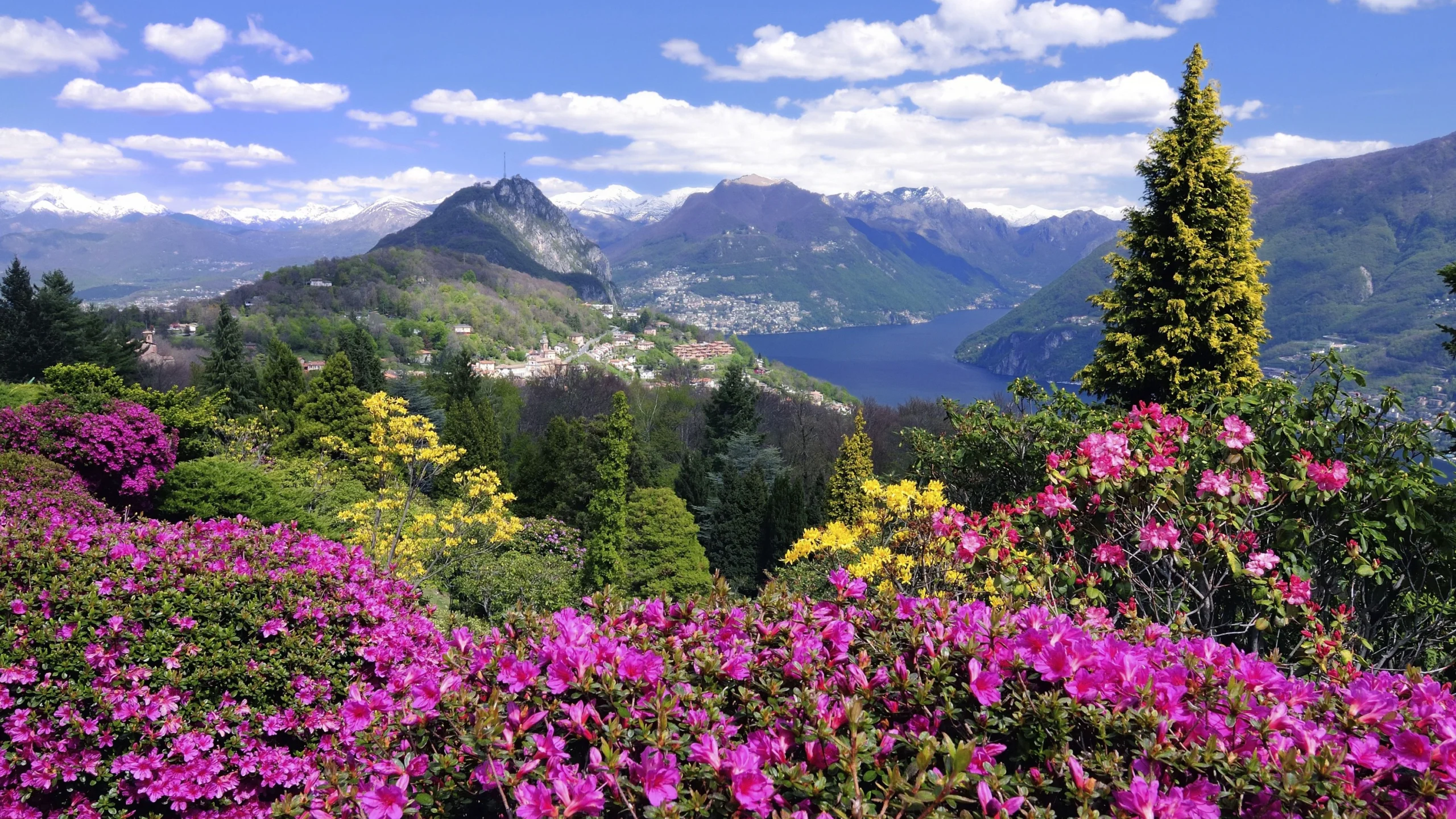
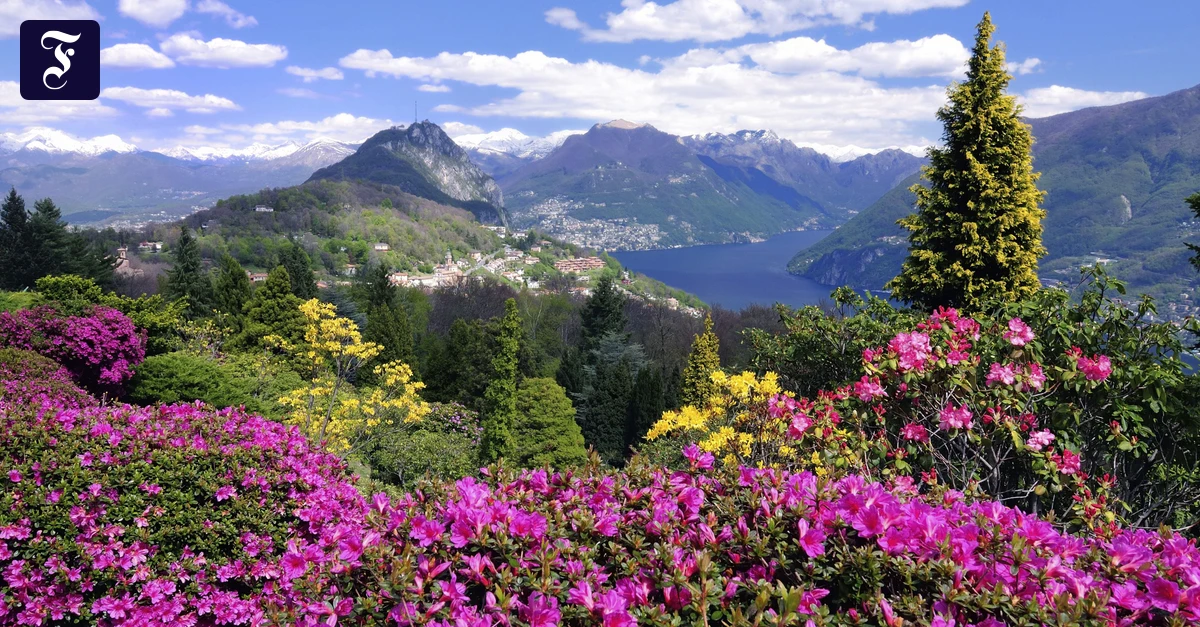
In the Ticino, the Parco San Grato spans 200,000 square meters. Its primary claim to fame is its vast collection of azaleas and rhododendrons, which transform the mountainside into a vibrant mosaic of white, red, pink, and yellow every spring. Meanwhile, the Brissago Islands host a thriving ecosystem of 1,700 plant species from five continents, sustained by the unique microclimate of Lake Maggiore.
Official Responses and Preservation Challenges
The preservation of these sites is not without its modern dilemmas. Environmental authorities in the Ticino have recently faced the difficult task of managing invasive species. Specifically, the Trachycarpus fortunei (Chinese windmill palm), once a symbol of the region’s Mediterranean flair, has been identified as a threat to native biodiversity. Its rapid spread and the increased forest fire risk posed by its dry fronds have led to aggressive removal efforts.
"We are balancing historical aesthetics with ecological responsibility," a spokesperson for the local botanical management board noted. The challenge lies in maintaining the "exotic" image of the region while preventing the displacement of native alpine and sub-alpine species.
Furthermore, the transition of private estates—like those of Scherrer and Emden—into public parks has necessitated a delicate balance. These sites were originally designed for private indulgence; adapting them for thousands of annual visitors while maintaining the fragile structural integrity of replicas like the "Temple of Nefertiti" or the crumbling marmoreal goddesses requires constant investment and architectural oversight.
Implications: The Legacy of Excentricity
The history of these gardens suggests that true horticultural masterpieces are rarely the result of utilitarian planning. They are the offspring of eccentricity. Martin Winterhalter, whose fortune was built on the humble zipper, found his obsession in the Parco San Grato. Hermann Arthur Scherrer, the merchant, sought to immortalize his travels through the construction of miniature ruins and tea houses. Baroness Saint-Léger sacrificed her vast fortune to create a tropical oasis on a barren rock.
These figures were not merely gardeners; they were curators of a lifestyle. Their actions imply that the "Garden of Wonder" serves as a mirror to the human condition: a pursuit of beauty in the face of inevitable decay. When we walk through these spaces today—whether it is the quiet, manicured hedges of Ittingen or the overgrown, romantic terraces of Morcote—we are not just observing plants. We are engaging with the ghosts of those who believed that, in a world of turmoil, the act of planting a tree or building a statue is an act of defiance against the mundane.
Conclusion: A Living Heritage
Switzerland’s gardens represent a confluence of faith, industry, and art. The transformation of the Kartause Ittingen from a place of exclusionary silence to an inclusive center for art and community reflects a broader Swiss evolution toward openness. The restoration of the Brissago Islands from a private playground for the bohemian elite into a public botanical laboratory highlights the importance of democratizing beauty.
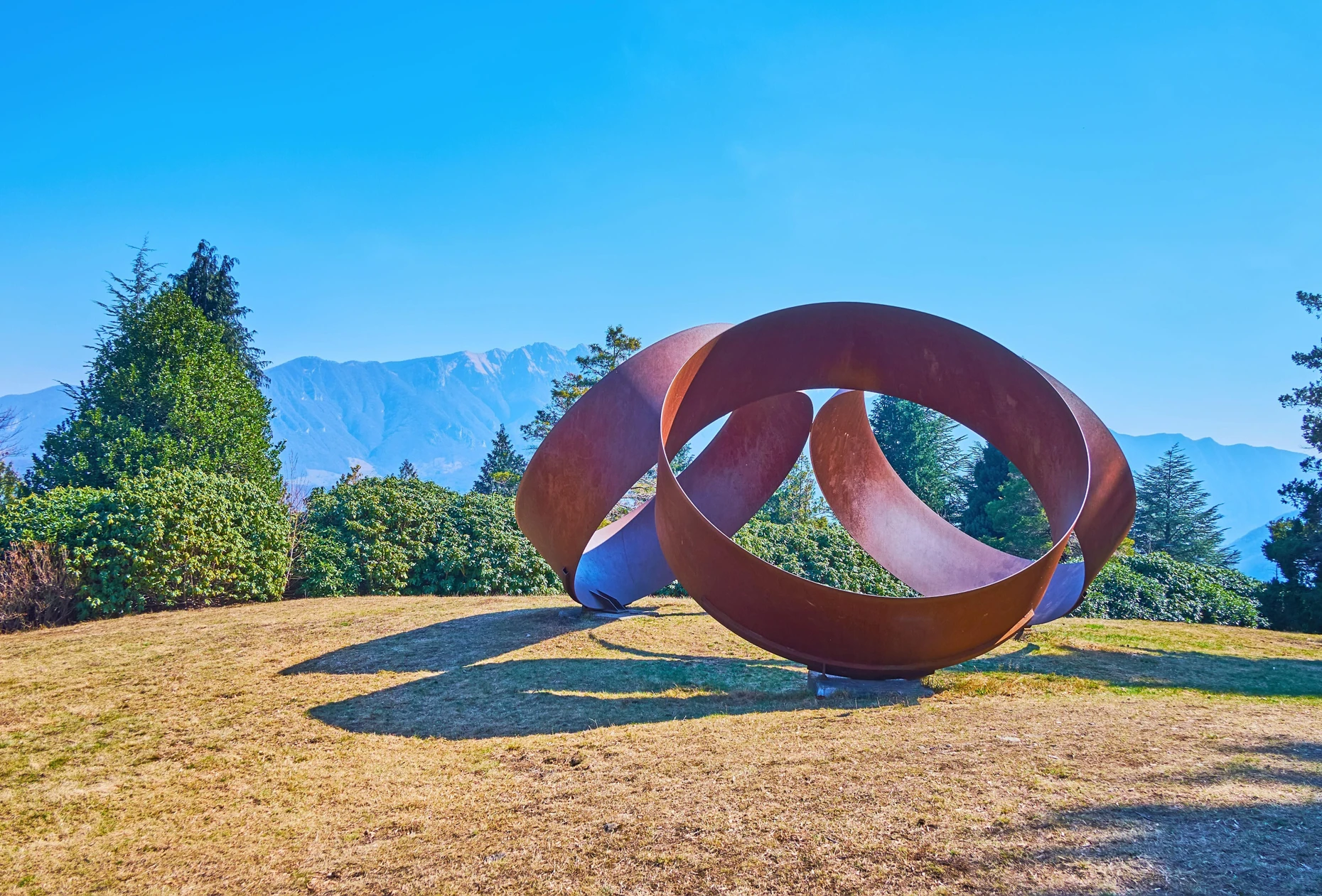
As we look to the future, these sites continue to serve as essential buffers against climate change and urbanization. They remain living classrooms where the public can study the delicate balance between exotic introductions and native resilience. The "miracles" of the Swiss garden—whether the blooming of a thousand roses in Thurgau or the precarious, gravity-defying steel sculptures of the Ticino—remind us that the most enduring monuments are not always made of stone, but of petals, leaves, and the persistent human desire to create heaven on earth.
For the modern traveler, these gardens are not just tourist destinations; they are pilgrimages to the concept of wonder itself. They invite us to slow down, to breathe in the scent of dried herbs in ancient cloisters, and to contemplate the beauty of an landscape that has been carefully, passionately, and sometimes madness-inducingly, crafted by those who came before us.