In an era defined by geopolitical volatility, climate-induced natural disasters, and lingering post-pandemic logistical hurdles, the act of traveling has transitioned from a straightforward leisure pursuit to a complex exercise in risk management. For the modern traveler, a dream vacation—whether a transatlantic flight or a Mediterranean cruise—can turn into a logistical nightmare overnight.
To help navigate these turbulent times, we consulted leading crisis management experts, aviation analysts, and maritime security consultants. The consensus is clear: the era of "booking and forgetting" is over. Today’s traveler must adopt the mindset of a strategic planner.
Main Facts: The New Landscape of Travel Risk
The primary challenge facing the travel industry today is the lack of predictability. Geopolitical conflicts have rendered significant swathes of airspace restricted or dangerous, leading to longer flight paths and increased fuel costs. Simultaneously, the cruise industry faces unique vulnerabilities; unlike a land-based hotel, a cruise ship is a mobile environment that must account for port-state regulations, maritime security, and sudden environmental shifts.
Key Risk Categories:
- Geopolitical Instability: The closure of key transit corridors and the imposition of "no-fly" zones due to military conflict have created a ripple effect in global aviation scheduling.
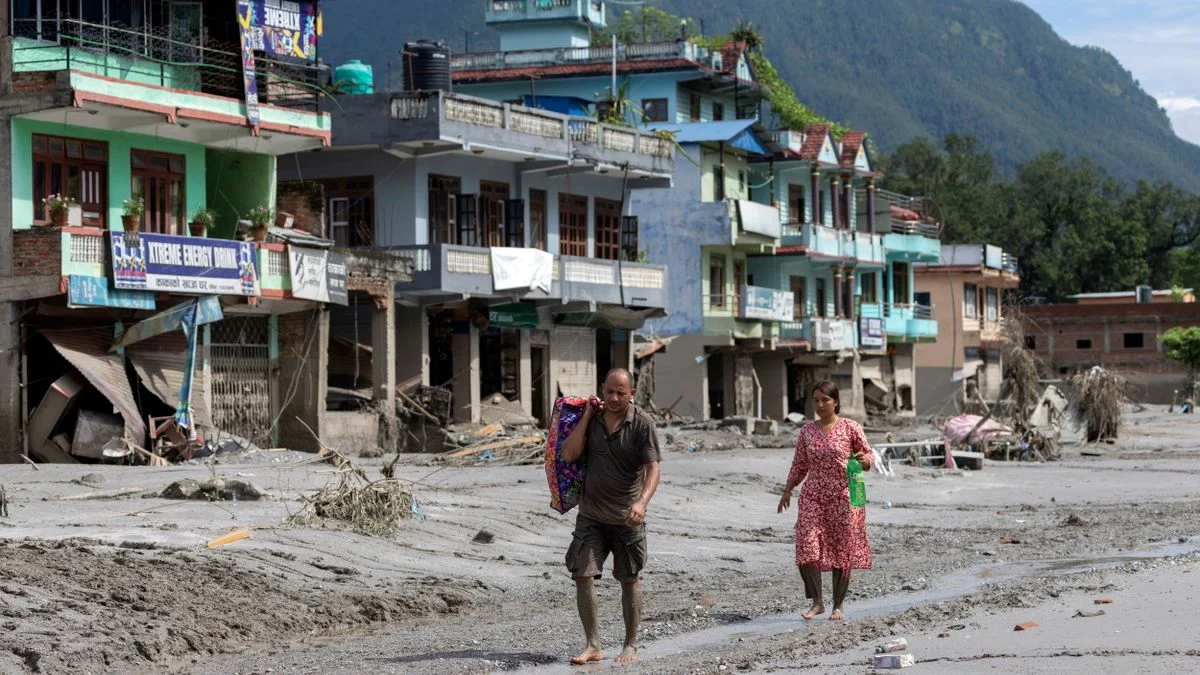
- Environmental Volatility: Extreme weather events—from hurricanes in the Caribbean to wildfires in the Mediterranean—are forcing cancellations and rerouting at record rates.
- Infrastructure Stress: Post-pandemic labor shortages in airports and port authorities continue to cause bottlenecks, increasing the likelihood of lost luggage and missed connections.
Chronology: The Evolution of Crisis Travel
To understand why current travel protocols are so stringent, one must look at the recent timeline of global disruptions.
- 2020–2021: The Pandemic Paradigm Shift. Global borders shut down, creating a chaotic environment of mass cancellations and refund disputes. This period established the "travel credit" culture that still complicates modern booking.
- 2022: The Conflict Surge. The outbreak of war in Eastern Europe necessitated immediate, large-scale flight diversions, fundamentally altering the economics of air travel between Europe and Asia.
- 2023–2024: The Climate Crisis. Record-breaking heatwaves and storms across the Northern Hemisphere forced major cruise lines and airlines to implement "dynamic rerouting" as a standard operating procedure rather than an emergency measure.
This progression shows that crises are no longer isolated incidents but constant background variables in the global tourism economy.
Supporting Data: By the Numbers
Current data from the International Air Transport Association (IATA) and maritime safety organizations suggests that travelers are facing an unprecedented volume of disruption.
- Delay Frequency: Flight delays attributed to "non-technical" reasons (airspace restrictions, labor strikes, and climate events) have increased by 22% compared to the 2019 baseline.
- Cost of Protection: Travel insurance claims have surged, with "Cancel for Any Reason" (CFAR) policies now being purchased by over 40% of international travelers, up from 15% pre-2020.
- Cruise Rerouting: In the last fiscal year, approximately 12% of all scheduled cruise itineraries were modified or altered mid-voyage due to environmental or security concerns.
These figures illustrate that the financial risk associated with travel has shifted from the provider to the consumer, necessitating higher levels of due diligence.
Expert Insights: Strategies for the Crisis-Era Traveler
We spoke with crisis consultants who provide the following recommendations for those planning travel in the coming months.
For the Air Traveler:
- The "Buffer" Strategy: Always book direct flights where possible. When connections are unavoidable, ensure a minimum of four hours between legs. In the event of a delay, this buffer is the difference between reaching your destination and being stranded in an international transit zone.
- The Digital Paper Trail: Keep all documentation—boarding passes, booking confirmations, and communication with the airline—in a centralized, offline-accessible folder. Digital glitches during system outages have left thousands of passengers unable to prove their booking status.
For the Cruise Passenger:
- Port Selection Matters: When selecting a cruise, prioritize lines that have established "Plan B" infrastructure. Does the cruise line have multiple home ports in the region? If a primary port is closed due to civil unrest or environmental hazard, a company with robust logistical support can pivot to an alternative port quickly.
- Understand the "Force Majeure" Clause: Before finalizing a cruise booking, scrutinize the contract. Know exactly what constitutes a refundable event. Many cruise lines now include specific language regarding "security-related diversions" that may not entitle the passenger to a cash refund, but rather a future cruise credit.
Official Responses and Industry Accountability
Regulatory bodies are under increasing pressure to protect consumer interests. The European Union’s Air Passenger Rights Regulation (EU 261/2004) remains the gold standard, but airlines are frequently citing "extraordinary circumstances" to avoid payouts.
"The industry is currently caught between high demand and fragile infrastructure," notes one industry spokesperson. "While we strive to maintain schedules, safety and security mandates often supersede commercial interests. We encourage passengers to view their travel as an investment that requires the same risk assessment as any other major financial commitment."
The cruise industry has responded by investing heavily in onboard medical and security facilities, aiming to turn ships into "self-sustaining bubbles." However, this creates a false sense of security; passengers must realize that once the ship leaves the port, they are subject to the ship captain’s authority, which may change plans without notice for the safety of the vessel.
Implications: The Future of Tourism
The long-term implication of this volatile environment is a bifurcation of the travel market. We are likely to see the rise of "Concierge Travel Management," where travelers pay a premium to have a third-party entity manage their itinerary in real-time, handling rebooking and logistics the moment a disruption occurs.
Furthermore, the concept of "destination loyalty" is fading. Savvy travelers are now keeping their options open until the final weeks before departure, leading to a "last-minute booking surge" that makes price forecasting for airlines and cruise lines increasingly erratic.
Final Takeaways for the Prepared Traveler:
- Diversify your risk: Never put your entire travel budget into a non-refundable, single-point-of-failure booking.
- Insurance is non-negotiable: Ensure your policy covers "trip interruption" specifically for geopolitical and environmental events.
- Stay informed: Utilize real-time government travel alerts and apps that provide live updates on airspace and port conditions.
As the world continues to grapple with these multifaceted challenges, the traveler of the future must be resilient, informed, and—above all—prepared for the unexpected. While the joy of discovery remains, the path to reaching those destinations has become a test of endurance and logistical acumen. By following these expert-backed guidelines, you can mitigate the risks and ensure that, even in a time of crisis, your journey remains as safe and seamless as possible.
In this new age, the most essential piece of luggage you can carry is not a physical item, but a well-constructed plan that accounts for the reality of a world in flux.