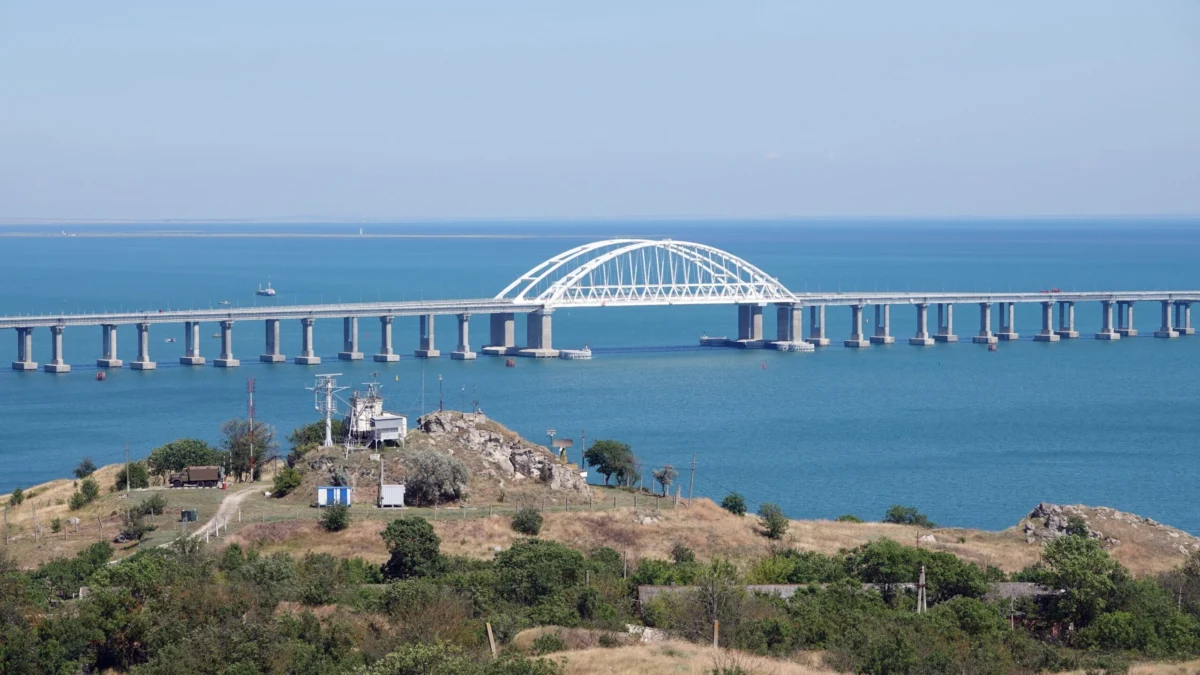
KYIV/MOSCOW/BRUSSELS – June 22, 2024 – The war in Ukraine has entered a new phase of intense escalation, marked by widespread drone attacks, critical infrastructure damage, and a rising civilian death toll. Russia has dramatically responded to a series of Ukrainian assaults by closing the strategically vital Kerch Bridge, linking the annexed Crimean peninsula to the Russian mainland, for all automotive traffic. Simultaneously, the region is grappling with a severe gasoline crisis, as Ukrainian forces relentlessly target Russian oil infrastructure. These developments unfold amidst a backdrop of escalating rhetoric, diplomatic disputes, and mounting humanitarian concerns across the conflict zones.
The latest wave of hostilities saw Ukraine launch massive drone attacks on Russian territory and occupied Crimea, prompting Moscow to declare the interception of nearly 60 drones over its capital region alone. However, these defensive measures did not prevent significant damage and casualties, including the tragic death of an 8-year-old girl near Moscow. In response, Russian forces unleashed their own deadly assaults on Ukrainian cities, claiming at least five lives in Sumy and Zaporizhzhia, and causing further destruction in Kharkiv, Kramatorsk, and Odesa. The ongoing strikes underscore a deepening cycle of violence and a hardening of positions from both sides.

Main Facts: A War Intensifying on Multiple Fronts
The unfolding events present a stark picture of a conflict broadening in scope and intensity:
- Crimean Bridge Closure: Following significant Ukrainian drone attacks, Russian authorities on the occupied Crimean Peninsula announced the indefinite closure of the Kerch Bridge to all car traffic. This critical artery, a symbol of Russia’s annexation and a vital military supply route, has been repeatedly targeted by Ukraine.
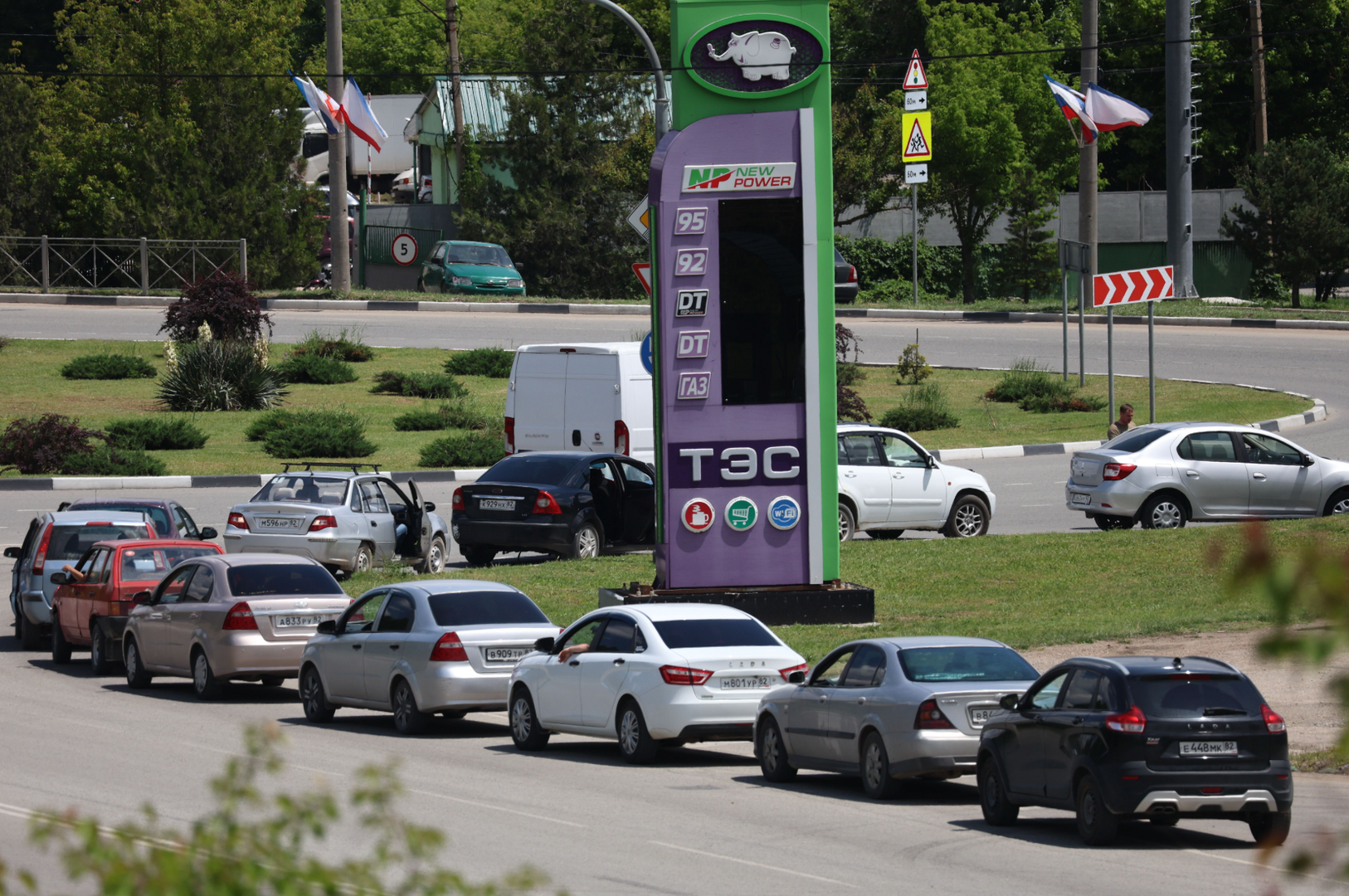
- Fuel Crisis in Crimea: The attacks on the Kerch Strait infrastructure, including the port of Kavkaz on the Russian mainland and an oil terminal in Kerch, have triggered a severe fuel shortage across Crimea. Russian-appointed officials have restricted gasoline sales exclusively to state operational services, signaling a deepening logistical challenge for Moscow.
- Widespread Drone Attacks: Ukraine launched a large-scale drone offensive, with Russia claiming to have shot down 239 drones nationwide overnight, including nearly 60 over the Moscow region, which temporarily halted air traffic at major airports.
- Mounting Civilian Casualties: The human cost of the conflict continues to rise. Russian attacks killed at least five civilians in Ukraine, including a father, his 13-year-old son, and the grandmother in a drone strike on a family home in Sumy. Another woman died in Zaporizhzhia. Conversely, an 8-year-old girl was killed in a fire ignited by a Ukrainian drone attack in Zhukovsky, near Moscow, with 16 others injured.
- Targeting of Oil Infrastructure: Ukraine has intensified its strategy of striking Russian oil refineries and fuel depots deep within Russian territory, impacting facilities in Tyumen and near Moscow, in addition to the Kerch terminal.
- Zaporizhzhia Nuclear Plant Threat: The International Atomic Energy Agency (IAEA) reported that the Russian-occupied Zaporizhzhia Nuclear Power Plant (NPP) lost its external power supply for the 20th time since the start of the war, forcing a reliance on emergency diesel generators and raising persistent safety concerns.
- Diplomatic Tensions: The war’s impact reverberates beyond the battlefield, causing diplomatic friction between Ukraine and its allies (e.g., Poland over historical issues) and within the European Union regarding a unified approach to potential negotiations with Russia.
Chronology of Escalation: A Series of Punishing Blows
The past few days have seen a rapid succession of events, illustrating the dynamic and brutal nature of the conflict:

June 22, 2024 (Morning Update):
- Crimean Bridge Shut Down: Russian authorities officially announce the closure of the Crimean Bridge for car traffic following what they described as "massive Ukrainian drone attacks." Ferry services between the mainland and Crimea are also suspended.
- Fuel Crisis Grips Crimea: Mikhail Razvozhaev, the Moscow-appointed governor of Sevastopol, informs residents via Telegram that fuel deliveries are severely delayed, leading to the cancellation of Sunday’s public gasoline allocation. Fuel access is restricted to "operational services" only. Sergey Aksyonow, the Moscow-appointed head of Crimea, reiterates this, citing attacks on Russian oil infrastructure.
- Widespread Drone Assaults on Russia: The Russian Defense Ministry claims to have intercepted 239 Ukrainian drones across the country overnight. Mayor Sergey Sobyanin reports nearly 60 drones repelled over Moscow, causing temporary closures at major airports (Sheremetyevo, Domodedovo, Vnukovo, Zhukovsky).
- Ukrainian Casualties: Russian attacks kill at least five people. In Snob-Nowhorodske (Sumy region), a drone strikes a family home, killing a 13-year-old boy, his father, and grandmother, and injuring the mother and two younger siblings. In Zaporizhzhia, a Russian drone attack kills one woman and injures three others after hitting a residential building.
- Odessa Struck: Governor Oleh Kiper reports a Russian Iskander ballistic missile strike on an agricultural facility in the Odesa region, killing one person and injuring three, while igniting vehicles and fuel tanks.
June 21, 2024:
- Kyiv Targets Russian Oil and Ports: The Ukrainian General Staff confirms successful strikes on the Kavkaz port in Russia’s Krasnodar region and an oil terminal in Kerch (Crimea) overnight. They also confirm an earlier attack on the Tyumen oil refinery in Western Siberia. Ukrainian President Volodymyr Zelensky had previously stated that Ukrainian forces attacked facilities "on both sides of the bridge" connecting Russia and Crimea.
- Zelensky’s Warnings: President Zelensky warns his compatriots of new "massive attacks" by Russian forces, noting prior strikes on Dnipro and Zaporizhzhia. He emphasizes that Russia "is not stopping the war" despite diplomatic proposals and reiterates Ukraine’s readiness for direct talks with Putin. He also issues a stern warning to Belarus about "dangerous consequences" for any further involvement in the conflict.
- Kharkiv Bombardment: Russian glide bomb attacks on Kharkiv injure at least nine people, including four children, and damage over 40 private homes.
- Kramatorsk Hit: Russian shelling kills at least two and injures six in the front-line city of Kramatorsk in the Donetsk region.
Earlier in the Week:
- Zaporizhzhia NPP Power Loss: The IAEA reports the Zaporizhzhia NPP loses its external power supply for the 20th time, relying on emergency diesel generators.
- Tyumen Refinery Attack Repelled: Governor Alexander Moor reports a drone attack on an oil refinery in Tyumen (Western Siberia) was repelled, with no initial damage or casualties.
- Black Sea Shipping Targeted: Russian military drone attacks on two civilian merchant ships in the Black Sea result in one crew member killed (Panama-flagged vessel) and five others injured across both vessels.
- Moscow Civilian Fatality: Russian authorities confirm an 8-year-old girl was killed in Zhukovsky, Moscow region, by a fire caused by a Ukrainian drone attack on Thursday. This attack also injured 16 and damaged 18 residential blocks. Ukraine had stated this attack was a response to a Russian offensive that killed ten people and damaged Kyiv’s historic cave monastery.
- Poland-Ukraine Diplomatic Row: Ukrainian President Zelensky returns Poland’s highest award, the Order of the White Eagle, citing his people’s belief that it was intended for "the Ukrainian people and our army." This follows Polish President Karol Nawrocki’s decision to revoke the award due to Zelensky naming a military unit after the controversial Ukrainian Insurgent Army (UPA), which is accused of WWII atrocities against Poles. Zelensky’s Chief of Staff, Kyrylo Budanov, also returns his Polish order, calling Nawrocki’s move "a gift to Russia."
- Poland Demands Negotiation Seat: Polish Foreign Minister Radosław Sikorski criticizes the leading roles of Germany, France, and the UK in Ukraine war talks, arguing that Poland and other Eastern European states are more directly threatened by Russian aggression and should have a seat at the negotiation table. He suggests utilizing EU institutions or a "coalition of the willing."
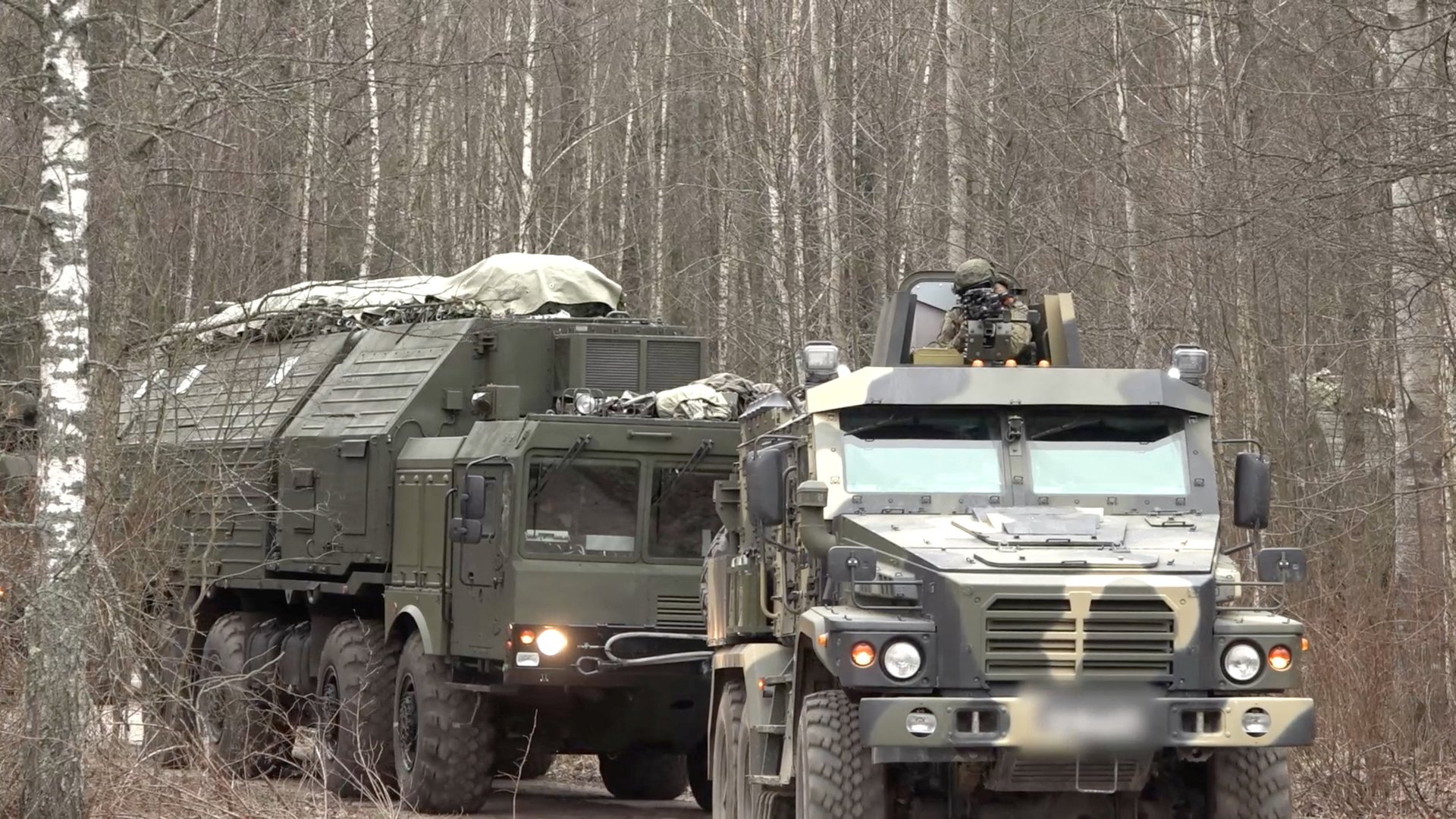
- Zelensky’s Ultimatum to Belarus: President Zelensky demands that Belarusian leader Alexander Lukashenka remove Russian military equipment, specifically signal relay stations used to guide drone attacks, from Belarusian territory within a week, threatening Ukrainian military action if the demand is not met.
- Russia Rejects Ultimatums: Kremlin spokesperson Dmitry Peskov states Russia is open to dialogue with European countries but will not accept "ultimatums," dismissing any attempts to negotiate from a position of strength as "stupid or incompetent." He reiterates Russia’s intent to continue air strikes and claims Ukraine’s policy is not geared towards negotiations.
- Latvia’s Caution on Dialogue: Latvian Prime Minister Andris Kulbergs cautions against establishing diplomatic channels with Russia prematurely, emphasizing that there is "no reason for talks" given ongoing Russian aggression. He also advocates for a unified EU approach, rather than individual countries taking the lead in negotiations.
Supporting Data and Context: The Strategic Underpinnings
The recent surge in attacks and counter-attacks highlights critical strategic objectives for both sides.
Strategic Importance of Targets:
- The Kerch Bridge: This 19-kilometer bridge is not just a logistical lifeline for Russian military operations in Crimea and southern Ukraine; it is a profound symbol of Russia’s 2014 annexation of Crimea. Disrupting its operations creates immense logistical challenges for resupplying Russian forces and undermines Moscow’s control over the peninsula. Ukraine’s persistent targeting aims to isolate Crimea and sever a key military conduit.
- Russian Oil Infrastructure: Ukraine’s escalating drone attacks on Russian oil refineries and fuel depots, extending deep into Russian territory (like Tyumen, over 2,500 km from the border), serve a dual purpose. Firstly, they aim to cripple Russia’s war economy by disrupting its primary export revenue source. Secondly, they directly impact the supply chain for the Russian military, potentially limiting fuel availability for tanks, aircraft, and other vehicles on the front lines. The resulting fuel crisis in Crimea is a direct consequence of this strategy.
- Ukrainian Cities: Russia’s continued strikes on Ukrainian cities like Sumy, Zaporizhzhia, Kharkiv, Kramatorsk, and Odesa, using drones, missiles, and glide bombs, aim to degrade Ukraine’s military and civilian infrastructure, demoralize the population, and disrupt essential services. These attacks often hit residential areas, leading to tragic civilian casualties.
- Zaporizhzhia NPP: The repeated loss of external power at the Zaporizhzhia NPP, Europe’s largest nuclear power plant, is a constant source of international alarm. While emergency diesel generators provide backup, prolonged reliance on them carries inherent risks of equipment failure, potentially leading to a nuclear accident. The plant’s status as an occupied zone makes independent oversight and maintenance difficult, exacerbating the danger.
Military Capabilities and Strategy:
- Drone Warfare: The sheer volume of drones reported by both sides underscores the pivotal role of unmanned aerial vehicles in this conflict. Ukraine’s ability to launch hundreds of drones deep into Russian territory demonstrates an evolving capability, while Russia’s air defense claims (e.g., 239 shot down) highlight its efforts to counter these threats.
- Precision Strikes: The use of Iskander ballistic missiles by Russia against targets like the agricultural facility in Odesa, and Ukraine’s successful strikes on specific port and oil terminals, suggest an ongoing emphasis on precision targeting of strategic assets.
- Logistics as a Battlefield: Ukraine’s strategy appears increasingly focused on degrading Russian logistics, particularly by targeting supply routes to Crimea and fuel sources. This aims to starve Russian forces of necessary resources, impacting their combat effectiveness.
Humanitarian Toll:
The tragic deaths of children – a 13-year-old in Sumy and an 8-year-old near Moscow – serve as a grim reminder of the war’s indiscriminate nature and its devastating impact on the most vulnerable. Attacks on residential areas, agricultural facilities, and civilian shipping underscore the profound humanitarian crisis that continues to unfold.
Official Responses and Diplomatic Impasse
The recent events have elicited strong reactions and further exposed deep divisions on the diplomatic front.
Russia’s Position:
Kremlin spokesman Dmitry Peskov’s comments reflect Russia’s hardened stance. While expressing readiness for dialogue with European nations, he firmly rejected any "ultimatums" or negotiations from a perceived position of weakness. This rhetoric suggests Moscow views current Western approaches as confrontational and unrealistic, preferring to continue its military campaign. The continuation of air strikes on Ukraine, as stated by Peskov, confirms Russia’s intent to maintain military pressure.
Ukraine’s Position:
President Zelensky’s statements underscore Ukraine’s resilience and determination. His warning of "dangerous consequences" for Belarus highlights Kyiv’s concern over Minsk’s continued support for Moscow and the presence of Russian military equipment on Belarusian soil. The demand for Lukashenka to remove Russian signal relay stations within a week, backed by a threat of Ukrainian military action, signals a proactive approach to neutralize threats emanating from Belarus. Zelensky’s assertion that the Ukrainian army is "de facto the second strongest army in NATO" is a powerful message aimed at bolstering confidence among allies and emphasizing Ukraine’s significant contribution to European security, thereby strengthening its case for full NATO membership. His repeated calls for direct and honest talks with Putin, supported by international partners, indicate a desire for a diplomatic resolution, albeit on Ukraine’s terms.

International Discord:
- Poland-Ukraine Historical Dispute: The diplomatic spat between Kyiv and Warsaw over the naming of a Ukrainian military unit after the UPA, an organization responsible for atrocities against Poles during WWII, highlights the complexities of historical memory in wartime alliances. While Poland is a steadfast supporter of Ukraine against Russian aggression, this issue touches a raw nerve in Polish national identity. The exchange of returned honors, with Zelensky and his chief of staff returning Polish awards, underscores the depth of the disagreement, which, despite reassurances of continued support, represents a regrettable distraction from the united front against Russia.
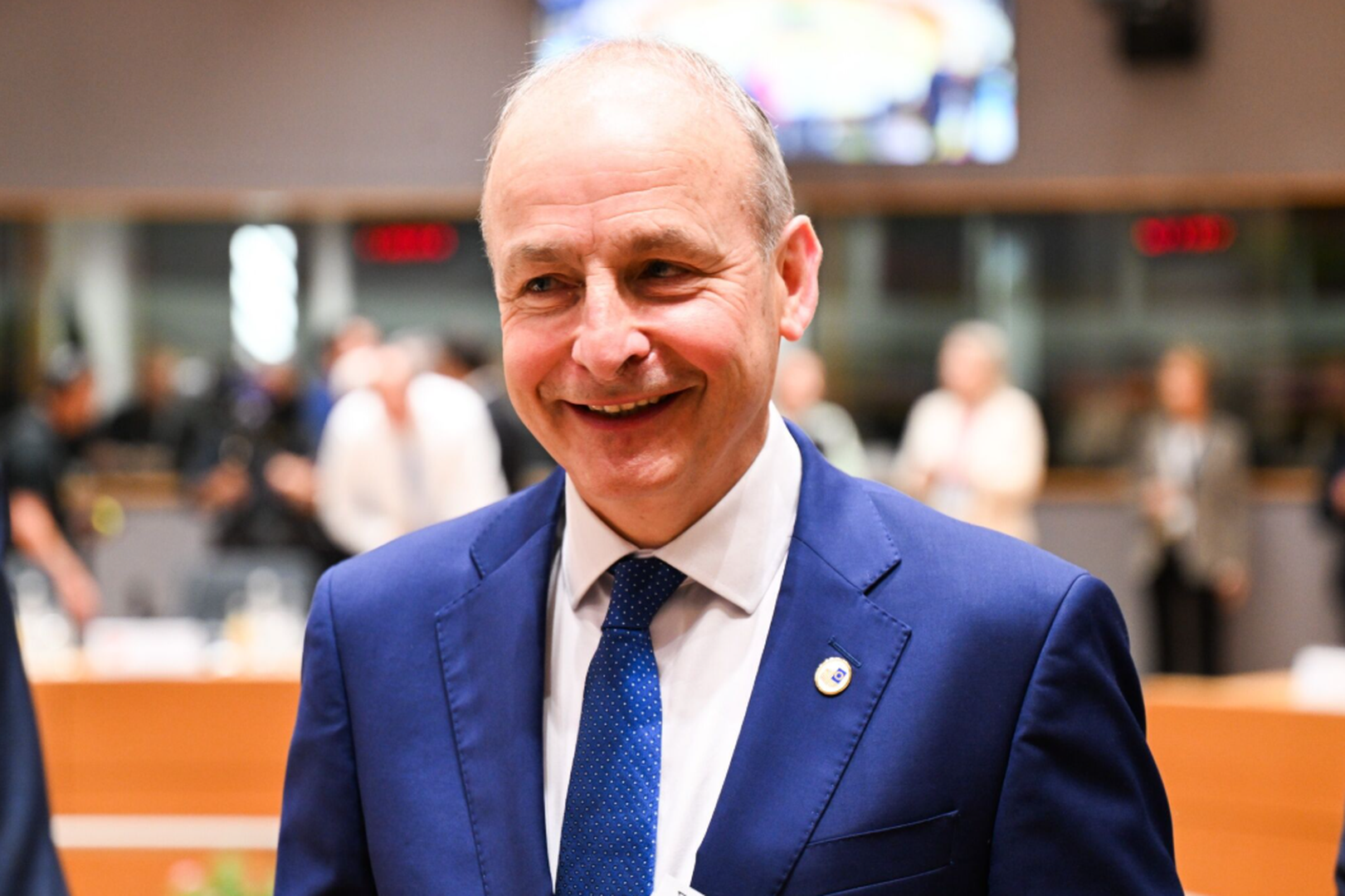
- EU Internal Debate on Negotiations: The debate within the EU regarding who should lead potential peace talks with Russia reveals a fracture in the bloc’s approach. Polish Foreign Minister Radosław Sikorski’s criticism of Germany, France, and the UK’s leadership, arguing for a more prominent role for Eastern European states directly bordering Russia and Ukraine, reflects a perception that these nations bear a greater direct risk and therefore deserve a stronger voice. He advocates for either using established EU institutional frameworks (like the EU Council President) or forming a "coalition of the willing" to represent the continent. This contrasts with the support given to EU Council President António Costa by leaders like Ireland’s Micheál Martin and Latvia’s Andris Kulbergs, who advocate for a unified EU representation through existing institutions, cautioning against individual member states taking the lead or initiating dialogue prematurely when Russia shows no genuine interest in peace.
Broader Implications: A Protracted and Dangerous Conflict
The recent events suggest several critical implications for the trajectory of the war and regional stability:

- Further Escalation: The tit-for-tat attacks on critical infrastructure and civilian areas point towards a dangerous cycle of escalation. Ukraine’s willingness to strike deep into Russian territory and occupied Crimea signals its intent to impose costs on Russia and disrupt its war machine, while Russia’s retaliatory strikes continue to inflict heavy tolls on Ukrainian civilians.
- Strained Logistics and Economy: Ukraine’s strategy of targeting Russian oil infrastructure and supply lines to Crimea is designed to create significant logistical and economic pressure on Moscow. The fuel crisis in Crimea is a tangible example of this impact, which could undermine Russia’s ability to sustain its forces in the south.
- Persistent Humanitarian Crisis: The continued targeting of civilian areas ensures the ongoing suffering of populations on both sides. The rising casualty figures, including children, underscore the urgent need for humanitarian intervention and protection of non-combatants.
- Nuclear Safety Concerns: The recurring power outages at the Zaporizhzhia NPP are a constant reminder of the catastrophic potential of the conflict. Any damage to the plant or prolonged reliance on emergency systems could lead to a major nuclear disaster, with devastating consequences for the region and beyond.
- Deepening Diplomatic Divides: The diplomatic disputes, both between Ukraine and Poland and within the EU, complicate efforts to present a united front against Russia and to formulate a cohesive strategy for eventual peace negotiations. These internal disagreements could be exploited by Moscow.
- Uncertainty in Belarus: Zelensky’s ultimatum to Belarus regarding Russian military equipment places Lukashenka in a precarious position, potentially forcing him to choose between further entanglement in Russia’s war and risking direct Ukrainian action. This situation adds another layer of unpredictability to the regional security landscape.
As the war enters its third year, the conflict remains characterized by relentless military action, strategic targeting of vital assets, and profound human suffering. The closure of the Crimean Bridge and the ongoing fuel crisis in Crimea mark a significant development, underscoring Ukraine’s growing capability to impact Russian logistics and control. However, Russia’s response capacity remains formidable, promising a continued, brutal struggle with no clear end in sight. The international community watches with bated breath, grappling with the immense challenges of de-escalation, humanitarian aid, and the elusive quest for a just and lasting peace.