Main Facts: The Timeless Allure of the Tuscan Archipelago
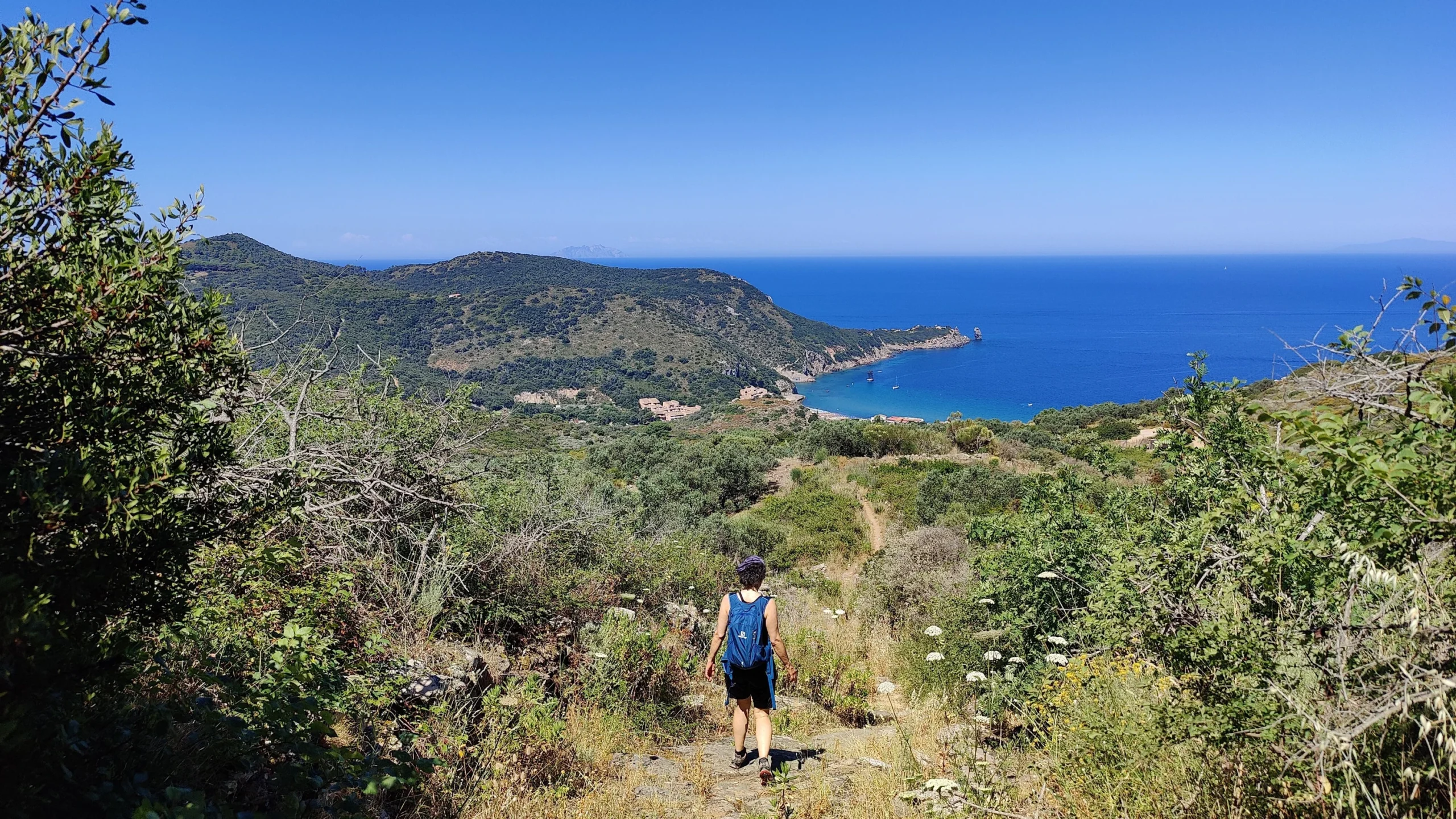
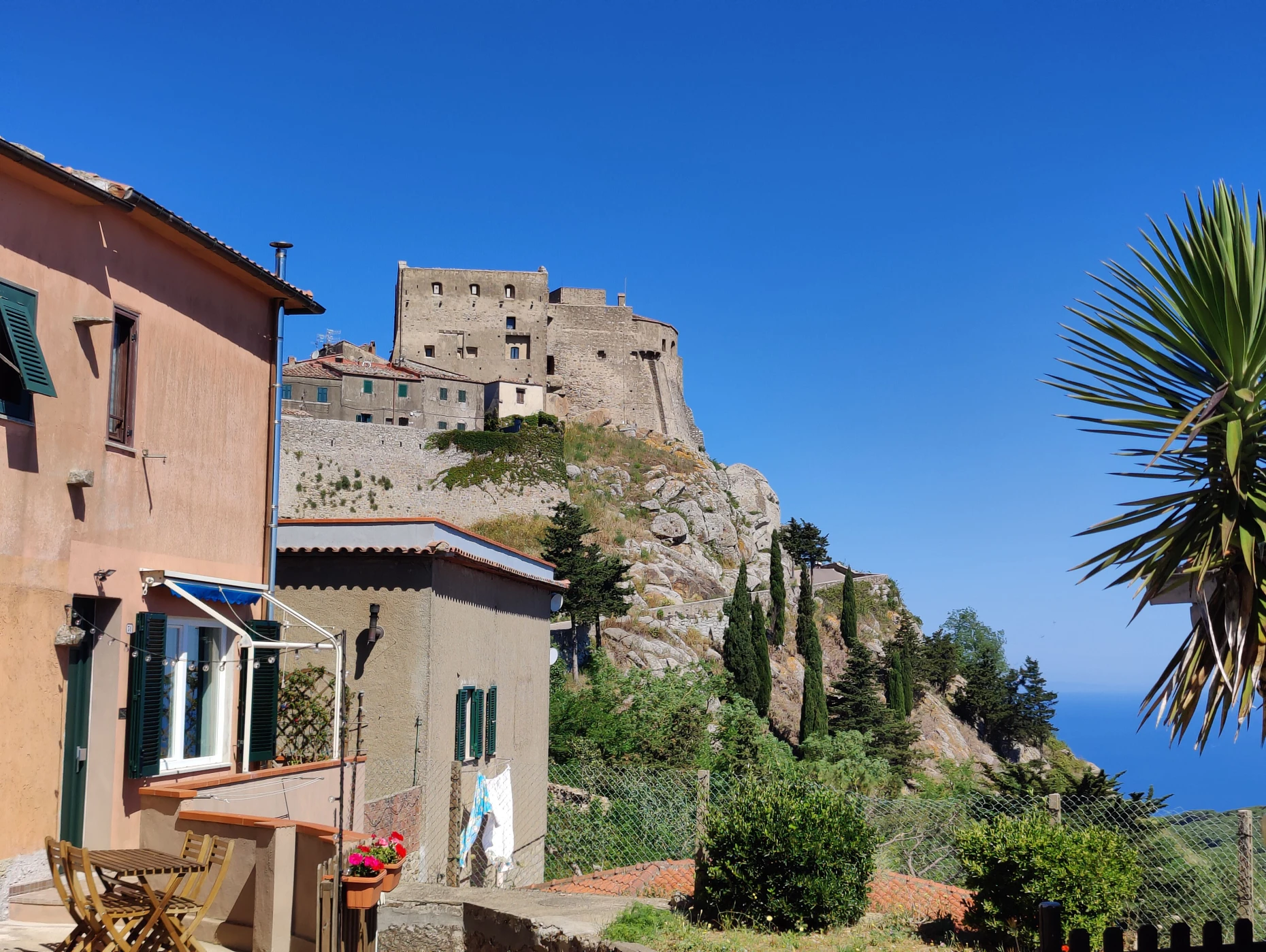
Isola del Giglio, a jagged emerald rising from the Tyrrhenian Sea, remains one of Italy’s most enigmatic islands. Located within the Tuscan Archipelago—the largest marine protected area in the Mediterranean—the island spans just 21 square kilometers, yet it carries the weight of millennia. Home to approximately 1,200 permanent residents scattered across three distinct settlements (Giglio Porto, Giglio Castello, and Campese), the island is a sanctuary for biodiversity, where pods of dolphins and even sperm whales frequent the crystal-clear waters.
Unlike the bustling tourist traps of the mainland, Giglio operates on a rhythm dictated by the sun and the sea. Its economy, historically rooted in granite mining and subsistence agriculture, has shifted toward sustainable tourism and viticulture. It is a place where social bonds—forged through the exchange of favors rather than currency—still hold the community together.
Chronology: From Roman Columns to the Modern Era
The history of Giglio is etched into its very foundations. The island was a strategic asset for the Roman Empire, which utilized its high-quality granite to construct some of the eternal city’s most iconic structures.
- Antiquity: The island served as a quarry and a noble retreat, evidenced by the ruins of the Villa of the Domizi Enobardi, the family lineage that produced the Emperor Nero.
- 1544: A catastrophic raid by Ottoman forces resulted in the slaughter and enslavement of over 700 inhabitants, shaping the islanders’ historical distrust of the sea and prompting the construction of the defensive walls of Castello.
- 1799: Local lore credits a miraculous intervention by St. Mamilianus of Palermo for the repulsion of another Turkish siege, cementing the saint’s status as the island’s spiritual guardian.
- January 13, 2012: The modern era left an indelible scar on the island when the Costa Concordia cruise ship struck a reef off the northern coast, leading to a tragic loss of 32 lives. The event transformed the local populace into a beacon of humanitarian effort, as residents opened their homes to survivors.
- Present Day: The island faces the contemporary challenge of rural depopulation, with the younger generation migrating to the mainland for education and economic opportunity.
Supporting Data: An Economy in Transition
The struggle for viability is evident in the shifting demographics of the island. Marina Aldi, a local historian and tour guide, notes that Giglio Castello has seen its primary school enrollment plummet from five classes to just two over the past decade. This “brain drain” is a systemic issue across Italy’s smaller islands, where the lack of higher education facilities necessitates the relocation of entire families to provincial hubs like Grosseto.
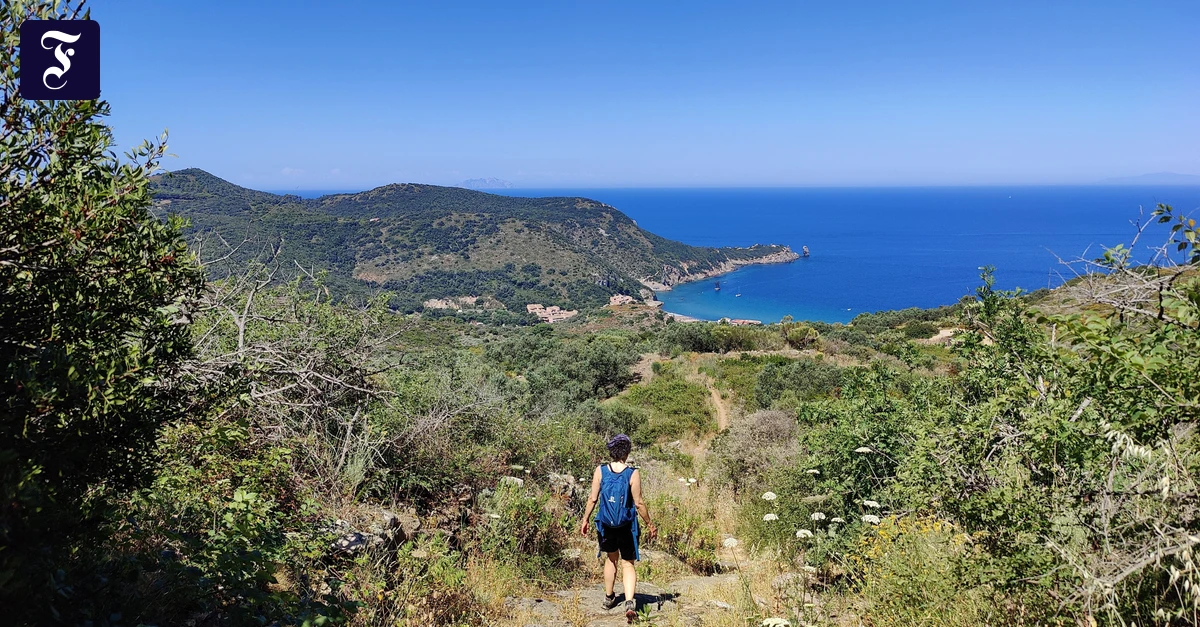
However, the island’s potential lies in its unique microclimates and archeo-acoustics. At Cote Ciombella, a site inhabited since the Neolithic period, researchers study the intersection of electromagnetism and ancient culture. The area, characterized by granite boulders with basin-like depressions that produce distinct tones when wind passes through them, serves as a testament to the island’s sacred geometry. This site recently became a focal point for environmental activism, as residents successfully blocked the installation of an 80-meter wind turbine, citing the threat to migratory bird paths and the preservation of the island’s archaeological heritage.
The Human Element: Voices from the Island
Life on Giglio is defined by characters like Peter Pichler, a South Tyrolean transplant who embodies the island’s "pensioner" ethos. For Pichler, life is stripped of modern excess; he trades surplus produce for favors, relying on a social network that values proximity and mutual support over monetary transaction.
Then there is Luigi Baffigi, the island’s last lighthouse keeper, who spent forty years guiding mariners from the Faro di Capel Rosso. His reflections on the solitude of the watch—the storms, the stars, and the flashes of light vanishing into the deep—provide a melancholic counterpoint to the lighthouse’s modern status as a luxury hotel.
Finally, the narrative of the island is being rewritten by the next generation of viticulturists. Giovanni and Simone Rossi have transformed abandoned stone terraces into thriving vineyards, reviving the autochthonous Ansonica grape. Giovanni’s journey—from a corporate consultant in Florence to a manual laborer on the cliffs of Fontuccia—symbolizes a wider trend of "returning to the roots" that is slowly breathing new life into the island’s neglected agricultural landscapes. Their success, marked by the prestigious Gambero Rosso "Three Glasses" award, proves that high-quality, sustainable production can provide a future for the island’s youth.
Implications: A Sustainable Path Forward
The story of Giglio is a microcosm of the Mediterranean struggle: how to balance the influx of tourism with the preservation of a fragile ecosystem and a fading way of life. The island’s resistance to large-scale industrial projects, such as the proposed wind farm, highlights a growing consensus among the inhabitants: development must be measured and in harmony with the natural and historical landscape.
The future of Giglio hinges on this delicate balance. If the island can continue to leverage its unique assets—the world-class wine, the archaeological wonders, and the sheer, unadulterated beauty of its rocky coastline—it may successfully transition from a dying outpost to a model of sustainable, high-value tourism.
For the visitor, Giglio is more than a destination; it is a lesson in patience. As the ferries shuttle between the mainland and the port, and as the residents continue their daily rituals—be it tending to a garden, harvesting grapes, or simply watching the sun rise over the Tyrrhenian—the island remains a defiant, living monument to a simpler, more interconnected way of existence.
Whether it is the mineral-rich notes of an Ansonica white wine or the echoes of a prehistoric ritual at Cote Ciombella, Giglio offers a profound experience for those willing to look beneath the surface. It is, quite literally, a place where one can find the past, the present, and a very promising, if challenging, future, all within the span of a few square kilometers. For those planning a visit, the advice remains the same: book your ferry in advance, bring an open mind, and prepare to be changed by the granite heart of Tuscany.