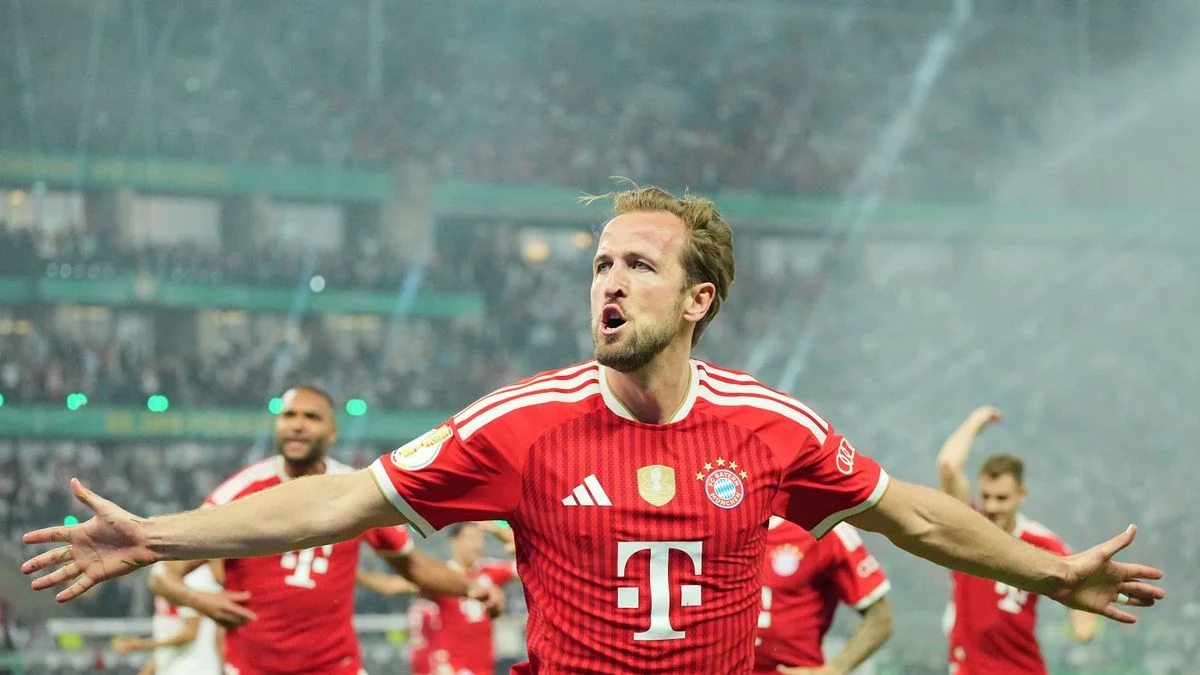
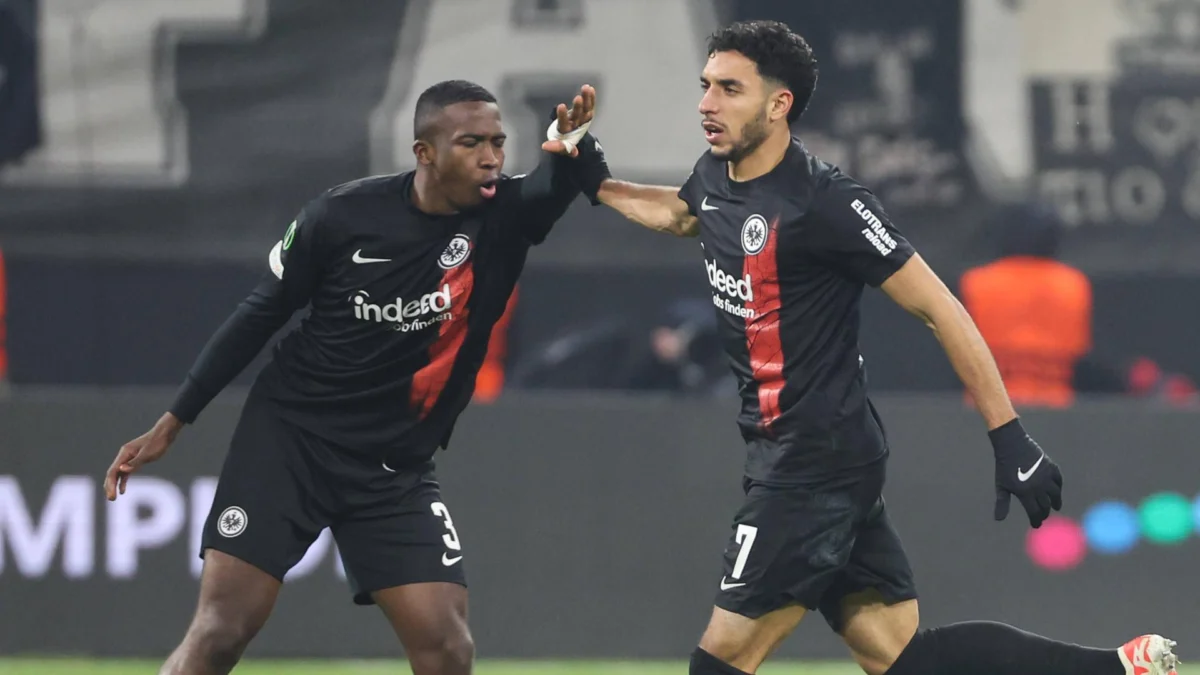
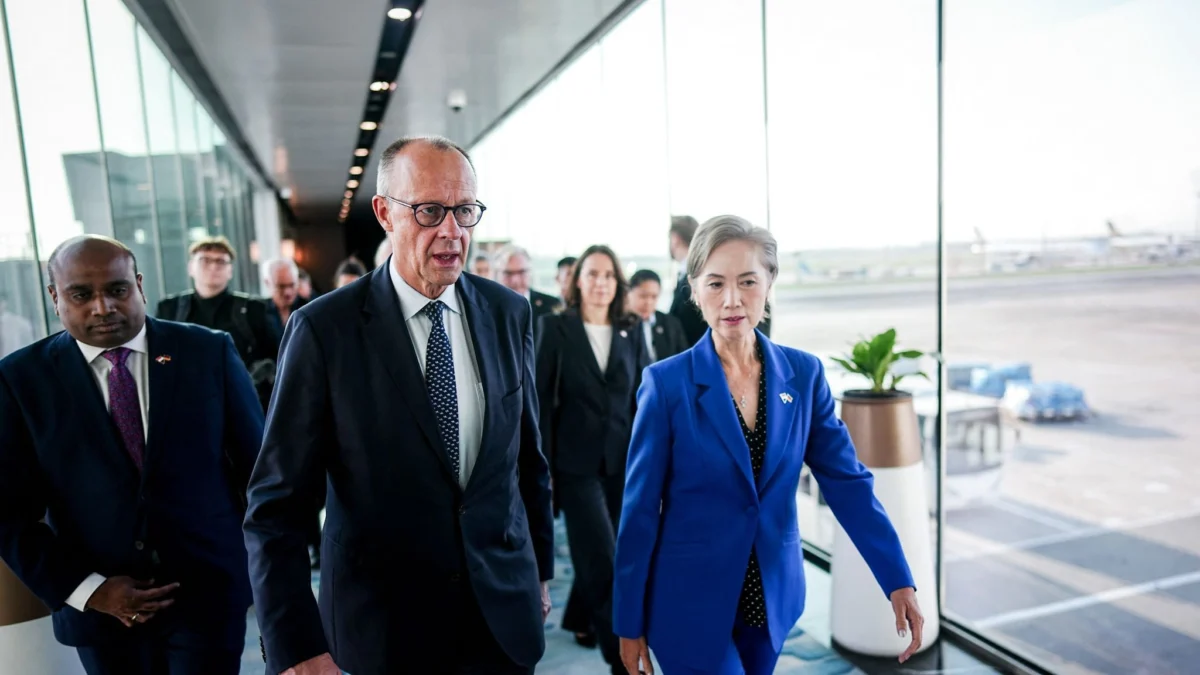
The 2026 FIFA World Cup has been defined by high-octane football and record-breaking scoring rates, but as the tournament reaches its midway point, nature is forcing a tactical shift. From sweltering temperatures in Europe to travel logistical hurdles in North America, the event is proving to be as much a test of endurance as it is a showcase of skill.
The Madrid Crisis: Public Viewing Scrapped
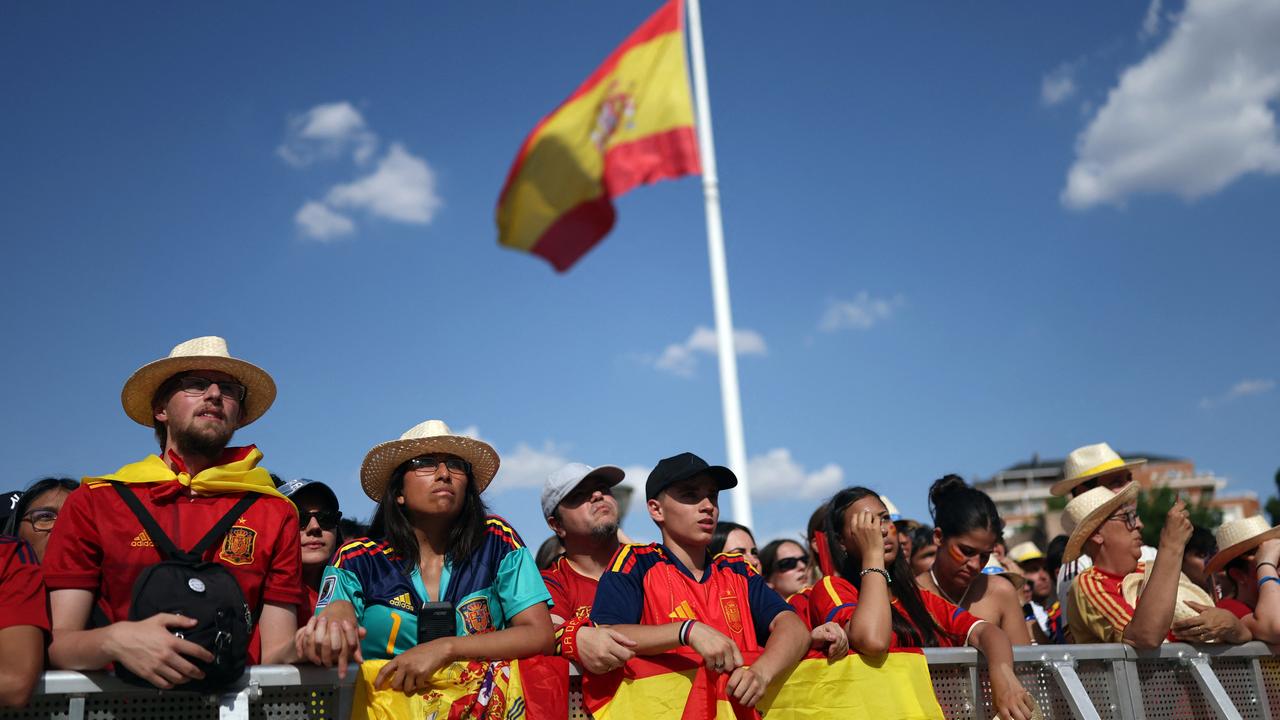
The extreme heatwave currently engulfing the Spanish capital has reached a critical threshold, forcing the Madrid City Council and the Royal Spanish Football Federation (RFEF) to take unprecedented action. On June 21, 2026, the scheduled public viewing for Spain’s high-stakes Group Stage clash against Saudi Arabia was officially cancelled.
The decision centered on the Plaza de Colón, the city’s premier fan zone, which was expected to host tens of thousands of supporters. With the national weather agency, AEMET, issuing warnings of temperatures peaking at 40 degrees Celsius (104°F), authorities determined that the risk to public health was too great.
"The decision was taken to protect the health of visitors, event staff, and the essential services involved in the operation," a spokesperson for the Madrid City Hall stated. The cancellation underscores the mounting pressure on host cities to ensure that fan engagement does not come at the cost of public safety during an exceptionally hot summer.
Tournament Chronology: A Snapshot of the Action
Beyond the climate challenges, the tournament has been a whirlwind of headlines, ranging from on-pitch heroics to bureaucratic disputes.
June 21: Resilience and Records
While Madrid sweltered, the world of officiating saw a positive update. German referee Felix Zwayer, who collapsed on the pitch during the USA vs. Australia match due to a muscular contraction caused by an "abnormal movement," has been declared fit to continue. Head of Referees Knut Kircher confirmed that Zwayer is fully recovered and remains a vital part of the tournament’s officiating pool.
In Tokyo, the "Blue Samurai" fans celebrated their 4-0 demolition of Tunisia by bringing the world-famous Shibuya Crossing to a standstill. The sheer volume of supporters celebrating the dominant victory served as a reminder of the global fervor this tournament has generated.
June 20: Controversy and Character
Tensions have been simmering in the Iran camp. The Iranian Football Federation has formally complained to FIFA regarding travel restrictions imposed upon their squad. Unlike their group rivals, Belgium, the Iranian team is only permitted to enter Los Angeles 24 hours before their matches. Federation General Secretary Hedayat Mombeyni described the situation as a "dark chapter" in World Cup history, arguing that it undermines the principle of fair competition.
Meanwhile, in the USA, the mother of Cape Verde’s breakout star, goalkeeper Vozinha, finally arrived in the country to support her son. Her journey was delayed by visa issues, which had previously overshadowed the goalkeeper’s heroic performance in a 0-0 draw against Spain.
June 19: The "Messi Effect" and Tactical Innovation
The tournament’s narrative has been heavily influenced by the performance of veteran stars. Lionel Messi, following his hat-trick against Algeria, has been the subject of intense media scrutiny—not only for his record-tying 16th World Cup goal but for his emotional vulnerability. The Argentine superstar revealed that his recent tears were linked to his father’s health, a rare moment of human transparency from a global icon.
Tactically, the tournament has seen the introduction of stricter time-management rules. Haiti was on the receiving end of a new regulation regarding goal-kick delays, resulting in a corner kick being awarded to Brazil. Furthermore, a new rule regarding "mouth-covering" during disputes—which led to a straight red card for Paraguay’s Miguel Almirón—has become a major talking point for coaches and analysts alike.
Supporting Data: An Offensive Explosion
One of the most striking aspects of the 2026 World Cup is the sheer volume of goals. After 28 matches, the tournament is averaging 3.18 goals per game, a significant leap from the 2.39 average seen at the same stage in the 2022 Qatar tournament.
| Statistic | 2026 World Cup (to date) | 2022 World Cup (comparative) |
|---|---|---|
| Average Goals/Match | 3.18 | 2.39 |
| Total Goals Scored | 89 | N/A |
| Number of Matches | 28 | 28 |
Experts suggest that if this rate continues, 2026 could see the highest goal-scoring average since the 1958 World Cup. However, analysts like Joachim Klement, who correctly predicted the winners of the last three tournaments, warn that this offensive surge may subside as teams become more conservative during the high-stakes knockout stages.
Official Responses and FIFA’s Tightrope
FIFA finds itself in a difficult position, balancing the demands of commercial sponsors with the needs of the athletes and the logistical reality of host nations.
The Photographer Dispute
Thomas Tuchel, the English team manager, and Julian Nagelsmann, the German Bundestrainer, have both publicly criticized the placement of photographers during national anthems. Tuchel noted that standing in front of "a wall of 50 photographers" prevented him from seeing his players during a poignant pre-match moment. While FIFA has attempted to adjust, the issue remains a friction point between the governing body and team management.
Commercial Rigidity
The protection of sponsorship rights has led to bizarre scenes, such as fans noticing ketchup and mayonnaise bottles being taped over in stadiums because they were not official FIFA sponsors. These measures, while necessary to uphold lucrative commercial contracts, have drawn criticism from fans who feel the "corporate" atmosphere is infringing upon the authentic tournament experience.
Implications: A Tournament of Endurance
As the group stages conclude, the 2026 World Cup is being defined by a series of dualities: the joy of high-scoring matches versus the frustration of administrative hurdles; the brilliance of legends like Messi versus the physical toll of extreme heat and travel.
The "Underdog" Economic Impact
The financial side of the tournament is also reaching new heights. Sportswear giants Adidas, Nike, and Puma are projecting revenue increases of 10-20% in their football divisions. Industry analyst Thomas Jökel notes that the "underdog effect"—where smaller nations perform well—is the most potent driver for jersey sales, as fans of all stripes rush to support the tournament’s unexpected heroes.
Looking Ahead
The path to the final in New York/New Jersey remains fraught with challenges. The heat in Europe and the logistics of the North American host cities will continue to test FIFA’s organizational capacity. As teams prepare for the knockout rounds, the focus will shift from the administrative noise to the pitch.
The 2026 World Cup is not just a competition of 11 versus 11; it is a complex, global experiment in managing a modern sporting spectacle under the pressures of a changing climate and a demanding digital audience. Whether the tournament will be remembered for its record-breaking goals or its logistical crises remains to be seen, but one thing is certain: the world is watching, and the drama is far from over.