As temperatures climb toward the 40-degree Celsius mark, German authorities have issued widespread heat alerts. From record-breaking heat in the southwest to violent thunderstorms in the north, the nation is grappling with a severe weather phenomenon that is testing infrastructure and highlighting the vulnerability of the most marginalized populations.
The Escalating Threat: A Nationwide Crisis
The German Weather Service (DWD) has officially expanded its heat warnings to encompass nearly every federal state in the country. What began as a localized weather event has rapidly escalated into a national health and safety concern. Meteorological data indicates that while the northern regions are grappling with humidity and thunderstorm instability, the central and southwestern parts of the country are bracing for a period of "extreme heat" that could pose significant risks to human health.
Meteorologist Nico Bauer of the DWD’s forecasting center underscored the gravity of the situation, noting that temperatures are expected to remain consistently high through the beginning of the coming week. "We are looking at a sustained period of extreme thermal stress," Bauer stated. "While the north may see slightly more moderate conditions, the lowlands in the southwest are poised to approach the 40-degree threshold—a level of heat that is statistically rare and physiologically demanding."
Chronology of the Event: From Early Warnings to Widespread Instability
The current weather pattern began to manifest in early June 2026, with the DWD issuing preliminary warnings as a high-pressure system settled over Central Europe. By June 19, the situation had deteriorated, forcing the service to broaden its scope.
- Early Morning (June 19): Severe thunderstorms moved across Northern Germany, specifically impacting the corridor between Hamburg and Bremen. The sudden influx of atmospheric energy caused significant disruptions to regional and long-distance rail networks.
- Mid-Day (June 19): As the sun intensified, the DWD upgraded the alert status for North Rhine-Westphalia, Lower Saxony, Saxony-Anhalt, Brandenburg, and Hamburg to "Extreme Heat" warnings.
- The Weekend Outlook: Forecasters predict a dual threat for the remainder of the weekend. Daytime temperatures in the southwest are expected to peak at 38 degrees Celsius, while the rest of the country will endure "muggy" conditions ranging from 30 to 35 degrees.
- Impending Storm Fronts: By late evening on Friday, the risk of convective storms increases, particularly originating from the central mountain ranges. These storms carry the potential for large hail, intense localized downpours, and wind gusts exceeding 100 km/h in regions like South Baden and Swabia.
Supporting Data: Climate Patterns and Meteorological Forecasts
The current heatwave is characterized by a "heat dome" effect, where high-pressure systems trap warm air and prevent the normal movement of cool fronts. The meteorological data paints a challenging picture for the coming days:
- Thermal Projections: The southwest remains the most vulnerable, with models suggesting that the 40-degree mark—once a rare occurrence—is becoming a distinct possibility.
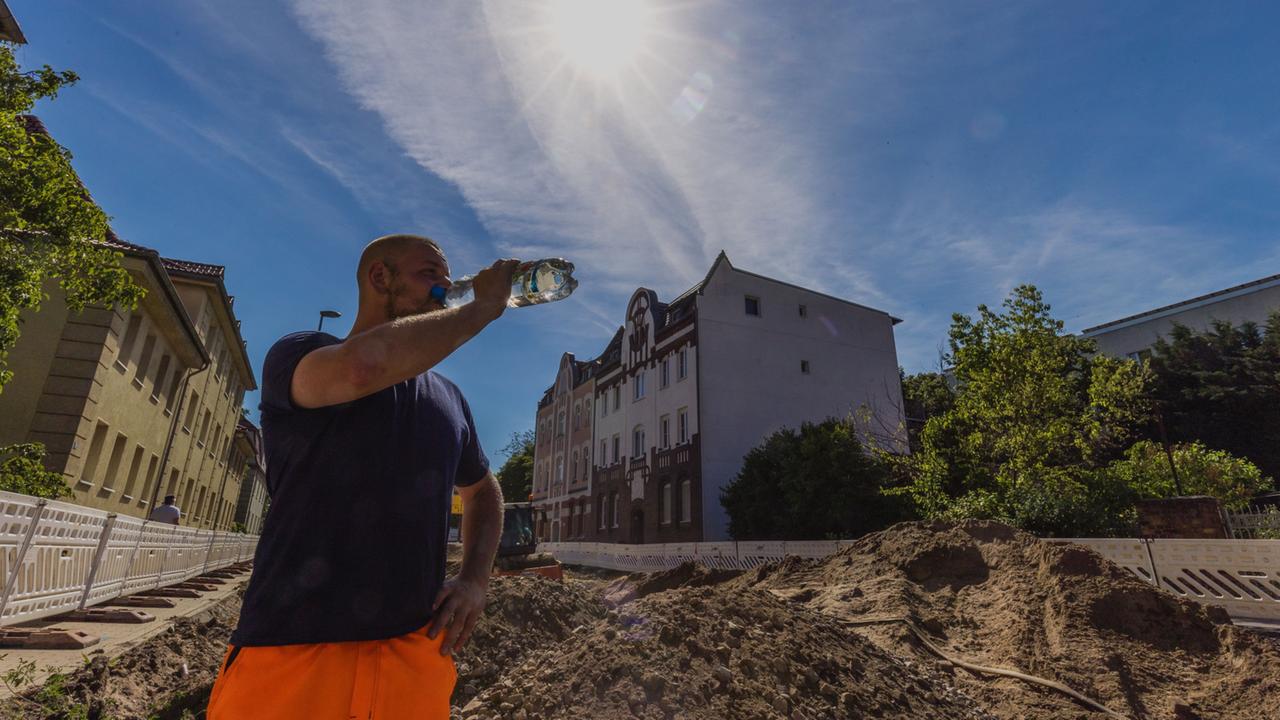
- The Humidity Factor: Unlike the dry heat seen in Mediterranean climates, Germany is currently experiencing high humidity. This significantly reduces the body’s ability to cool itself through perspiration, increasing the risk of heat exhaustion and heatstroke.
- No Immediate Relief: Forecast models show little indication of a cooling trend until well into next week. The persistent nature of this heatwave is what differentiates it from standard summer temperature fluctuations.
Infrastructure Resilience: The Vulnerability of Transport
The transport sector has been the first to show signs of strain. The German rail network (Deutsche Bahn) reported significant malfunctions on Friday morning due to the intense weather. In the north, lightning strikes caused critical failures in signaling and switch systems.
"When temperatures fluctuate this rapidly, combined with the electrical instability of summer storms, our infrastructure experiences ‘thermal stress,’" a railway spokesperson explained. The resulting delays—often exacerbated by the need for trains to operate at reduced speeds for safety—have affected thousands of commuters. Regional operators like Metronom reported "massive delays" throughout the day, noting that even minor technical glitches become systemic issues when compounded by extreme weather.
Social Implications: The "Invisible" Victims of Heat
Beyond the logistics of rail and energy, the heatwave has sparked a robust debate regarding social equity. Experts and advocacy groups are urging policymakers to treat heat as a public health emergency comparable to extreme winter cold.
The Perspective of the VdK
Verena Bentele, President of the VdK social association, issued a poignant warning: "Extreme heat can be just as deadly as extreme cold, yet it remains a neglected aspect of our disaster preparedness strategies." Bentele highlighted that the elderly, those with chronic illnesses, and the immunocompromised are the most vulnerable.
The Crisis of Homelessness
The most acute concern lies with the homeless population, who often have no access to temperature-controlled environments. Advocacy groups, including the German Red Cross (DRK), have called for an immediate expansion of "cooling centers" in urban areas. "While most citizens can retreat to their homes, people living on the streets are exposed to the sun without reprieve," a DRK representative noted. "The installation of municipal water fountains and the provision of cool, accessible spaces is no longer a luxury—it is a life-saving necessity."
Cultural Impact: Summer Festivals Under Pressure
The heatwave has also thrown a wrench into the logistics of the German summer festival season. Two of the nation’s largest music events, the Southside Festival in Baden-Württemberg and the Hurricane Festival in Lower Saxony, are currently hosting a combined 138,000 attendees.
Organizers are working in overdrive to implement "heat-mitigation protocols." This includes:
- Water Distribution: Ensuring massive quantities of free drinking water are available at all times.
- Shaded Infrastructure: Expanding tented areas and cooling zones.
- Medical Readiness: Increasing the presence of paramedics and cooling stations to manage heat-related ailments.
- Weather Monitoring: Real-time coordination with the DWD to evacuate stages if the predicted severe thunderstorms and wind gusts materialize.
Conclusion: A New Reality for Germany
The events of June 2026 serve as a stark reminder of the changing climate landscape in Central Europe. As the nation grapples with this ongoing heatwave, the focus must shift from reactive crisis management to long-term adaptation.
Whether it is the modernization of rail infrastructure to withstand thermal expansion, the architectural retrofitting of urban centers to reduce the "heat island" effect, or the institutionalization of support for the homeless during extreme weather, Germany is being forced to confront the reality that its climate is no longer what it once was. For now, the advice from the German Weather Service remains simple but critical: stay hydrated, avoid direct sun during peak hours, and check on those who may be unable to protect themselves.