Introduction: A New Chapter for the GTI Badge
When the first Volkswagen Golf GTI rolled off the assembly line in 1976, it was a revolution. It bridged the gap between a standard economy hatchback and a genuine performance machine, carving out a new segment that would dominate the automotive landscape for decades. Back then, the performance delta between the base 1.6-liter Golf (63 kW) and the GTI was substantial. As the years progressed, the "GTI" suffix became synonymous with accessible, spirited driving.
However, the transition to electric mobility has introduced a new, complex set of dynamics. As Volkswagen prepares to launch the ID. Polo GTI, the industry is grappling with a fundamental question: How do you differentiate a performance variant when the base models are already inherently quick and refined? With the new ID. Polo GTI, the power gap between the top-tier model and its entry-level siblings has shrunk to a mere 11 kW. This article explores whether the latest GTI iteration remains true to its heritage or if it is merely a stylistic exercise in the age of electrification.
Chronology: From Combustion Roots to Electric Future
The history of the Polo GTI is one of iterative performance gains. By the end of the last internal combustion engine (ICE) Polo GTI’s production run in 2025, the gap between it and the standard, mid-range Polo was significant—nearly 70 kW of difference. This made the GTI feel like a distinct, purposeful upgrade.
The jump to the ID. Polo platform marks a paradigm shift. The current architecture, centered on the APP290 electric drive unit, prioritizes efficiency and low-end torque across the board. While the previous generation relied on mechanical tuning and turbocharging to create a clear hierarchy, the electric powertrain’s inherent characteristics make such differentiation more difficult. The ID. Polo GTI is not just a new model; it is a test case for how Volkswagen intends to preserve the "GTI" brand identity in a world where linear acceleration is becoming a commodity available to even the most basic EV trims.
Main Facts and Technical Specifications
The heart of the new ID. Polo GTI is the APP290 electric motor. The designation "APP" refers to the Axial Parallel Position of the motor relative to the axle, while "290" denotes the peak torque in Newton-meters.
Performance Data
- Power Output: 166 kW (approx. 226 hp)
- Peak Torque: 290 Nm
- 0-100 km/h Sprint: 6.8 seconds
- Top Speed: 175 km/h (compared to 160 km/h in the standard ID. Polo)
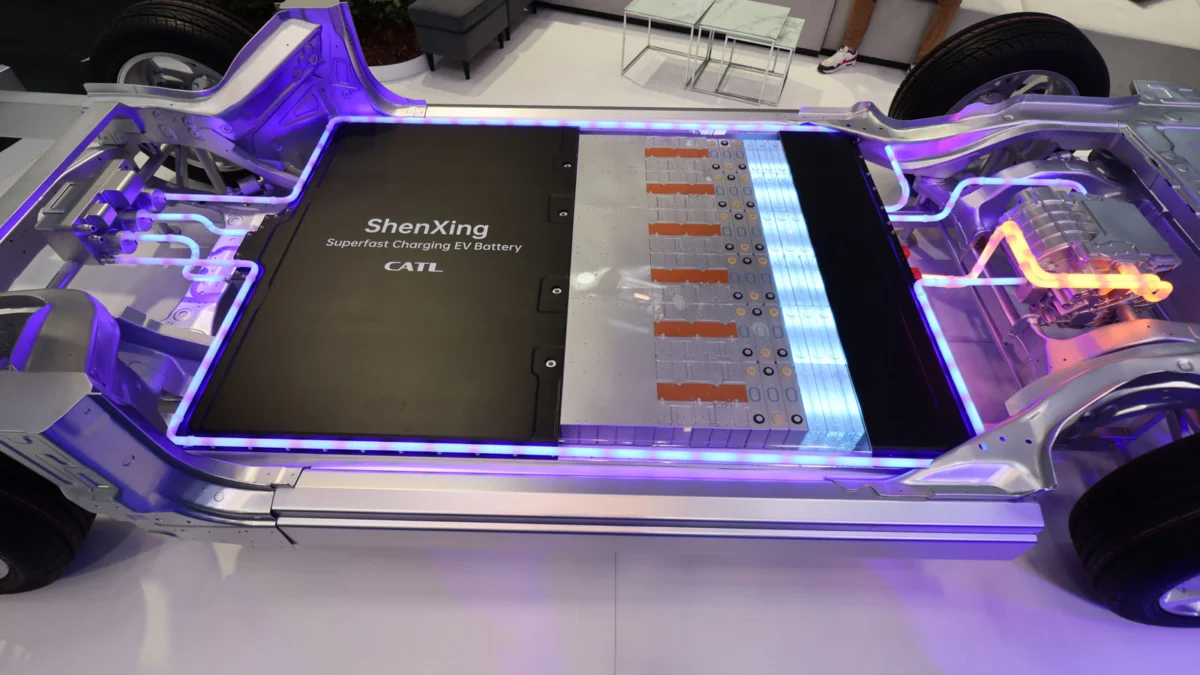
- Battery Capacity: 52 kWh (net)
- Charging: 105 kW DC peak, 11 kW AC (on-board)
The performance figures reveal the central challenge facing Volkswagen. A 0-100 km/h time of 6.8 seconds is respectable, yet it is only 0.3 seconds faster than the 155 kW standard version. While the top speed receives a minor boost to 175 km/h, the tangible performance gap remains razor-thin.

Supporting Data: Design, Dynamics, and Ergonomics
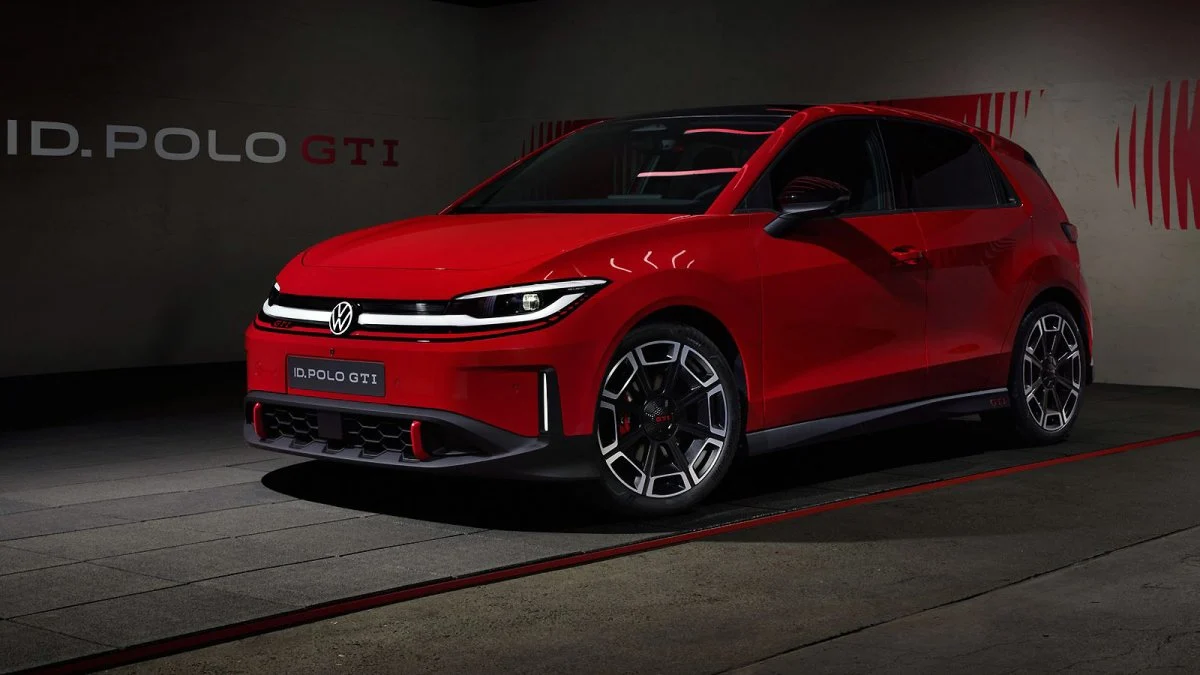
Volkswagen has clearly invested significant capital into ensuring the ID. Polo GTI looks the part. The exterior features the signature aggressive styling cues: reworked front and rear fascias, lowered suspension, and standard 19-inch alloy wheels. While lowering the body was historically essential for handling, in the EV era, the center of gravity is already exceptionally low due to the battery pack floor-mounting. Thus, the visual "stance" is now more about aesthetic intent than physics-based necessity.
The Interior Experience
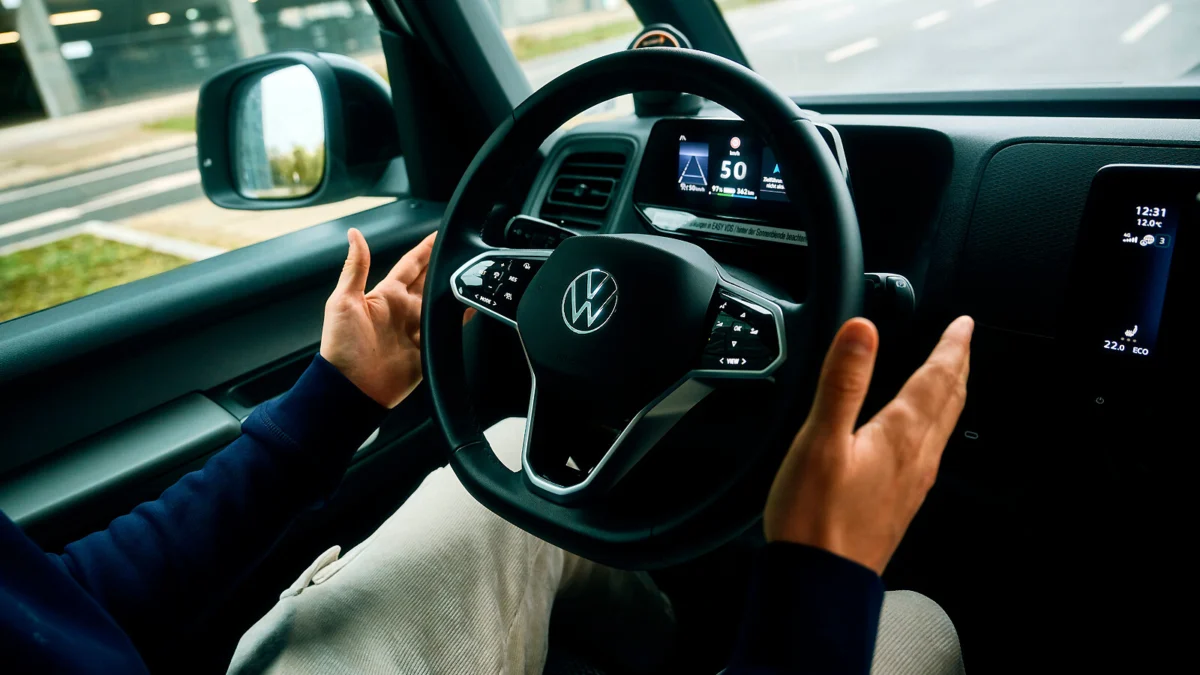
Inside, the cabin aims to evoke the nostalgia of the original Golf GTI while embracing modern digital interfaces. The sports seats feature the iconic plaid pattern, and the dashboard is accented with a premium-feel, suede-like material. However, purists may find the lack of a traditional three-spoke steering wheel or the absence of tactile "golf ball" inspired controls—such as a manual volume dial—a missed opportunity.
To bridge the gap to its ancestors, Volkswagen has integrated a "Retro-Mode" into the digital displays, allowing drivers to toggle graphics that mimic the instrumentation of the original 1976 model. It is a charming nod to history, but it highlights a persistent question: is this a digital simulation of a feeling, or a genuine performance evolution?
Engineering for Precision: The Chassis
Where the ID. Polo GTI aims to justify its badge is in the handling department. Volkswagen has moved beyond simple aesthetics to re-engineer the chassis dynamics.
- Adaptive Dampers: These come as standard, offering a dual-character setup. They remain compliant and "daily-driver friendly" in Comfort mode, while tightening significantly in Sport mode to reduce body roll.
- Structural Integrity: The engineers have implemented new strut mounts, modified pivot bearings, and a more rigid connection for the stabilizer bar. These adjustments are designed to provide the driver with sharper steering feedback and higher precision during aggressive cornering.
- The Rear End: The inclusion of a rear disc brake setup—uncommon in many entry-level ID models—is a clear sign that this vehicle is intended for more spirited use cases.
- Traction Management: As a front-wheel-drive platform, the ID. Polo GTI utilizes a sophisticated electronic locking differential (XDS-like functionality) to distribute torque efficiently. Early testing of the platform’s sibling, the Cupra Raval, suggests that this setup produces a highly agile and communicative driving experience on winding country roads.
Official Responses and Pricing Strategy
Volkswagen has been somewhat guarded regarding the official pricing, likely due to the fluctuating market conditions for electric vehicles. However, market analysts point to the Cupra Raval—which shares the same technical platform and powertrain—as a reliable benchmark. With the Raval priced at approximately €39,990, it is widely expected that the ID. Polo GTI will land in a similar bracket.
Critics have noted that the lack of differentiation in power output feels like a missed opportunity. It would have been technically feasible for Volkswagen to create a wider performance gap, perhaps by software-limiting the standard model to 120 or 130 kW, thereby giving the GTI more breathing room to showcase its prowess. By keeping the power gap so narrow, Volkswagen risks the GTI being perceived as a "trim level" rather than a true performance variant.

Implications: The Future of the "GTI" Brand
The ID. Polo GTI represents a broader transition for the automotive industry. As internal combustion fades, the traditional pillars of performance—engine noise, gear changes, and power-to-weight ratios—are being replaced by software tuning and battery thermal management.
The Charging Challenge
The 52 kWh battery supports a maximum DC charging rate of 105 kW. While not class-leading, Volkswagen emphasizes a "flat charging curve," meaning the vehicle can sustain its peak rate for longer, resulting in a 10-to-80 percent charge time of approximately 24 minutes. While efficient, the absence of a 22 kW AC charging option is a disappointment for urban users who rely on public AC infrastructure.
The Verdict
The ID. Polo GTI is a paradox. It is a car that honors its heritage through aesthetic cues and meticulous chassis tuning, yet it struggles to differentiate itself in terms of pure, raw performance against its stablemates. The implications are clear: the future of the "GTI" moniker will no longer be defined by horsepower alone. Instead, it will be defined by the engagement of the driver. If the chassis and handling can deliver the "fun-to-drive" factor that the original GTI pioneered, then the lack of a massive power gap may be forgiven by the next generation of enthusiasts.
However, Volkswagen must be careful. If the GTI badge becomes nothing more than a marketing decal for a slightly stiffer suspension and red stitching, it risks losing the very soul that made it an icon. The ID. Polo GTI is a competent, well-engineered, and attractive package, but whether it captures the magic of 1976 remains to be seen once it hits the open road.
Reported by Martin Franz.