

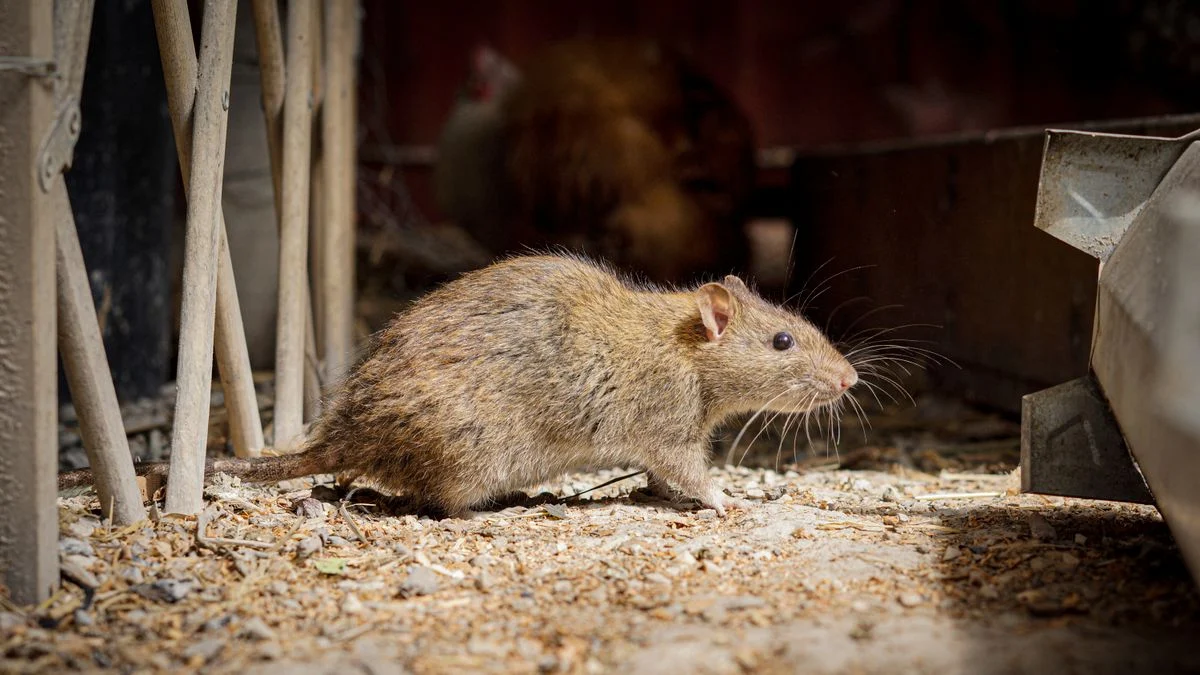
For centuries, the rat has occupied a singular place in the human imagination: the ultimate symbol of urban decay, filth, and biological threat. From the harrowing accounts of the medieval Black Death to the modern-day anxieties of metropolitan centers, these rodents have shadowed human civilization. Today, as cities expand and waste management systems face unprecedented pressure, the interaction between humans and Rattus norvegicus—the brown rat—has evolved into a complex, costly, and occasionally dangerous public health challenge.
Main Facts: The Reality of the Rat Problem
Despite the cultural baggage, the biological reality of the rat is one of extreme adaptability. These animals are highly intelligent, social, and physically robust. Their survival in urban environments is primarily fueled by a reliable supply of food and shelter provided by human infrastructure.
In Germany alone, experts estimate that the population of these rodents could be as high as 300 million. This figure is staggering, though it reflects the reality of a species that thrives in the nooks and crannies of modern cities. From Berlin, where city authorities logged more than 8,700 pest control interventions in a single year, to global hubs like New York and London, the battle against the rodent population is a constant, resource-intensive war of attrition.
The primary issue is not just the presence of the animals, but their proximity to human food sources and living spaces. Rats are vectors for various pathogens. Through bites, contact with contaminated surfaces, or exposure to their urine and feces, they can transmit diseases such as Leptospirosis, Hantavirus, and various salmonella strains. While the transmission of the plague is a historical association that is often debated regarding its modern relevance, the current threat to public hygiene remains significant.
A Chronology of Conflict
The relationship between humans and rats is not a new development, but its modern iteration follows a clear trajectory:
- The Historical Legacy: The association between rats and the bubonic plague remains the foundational trauma of the human-rodent relationship. While scientific consensus now suggests that the transmission routes were more nuanced than simply "rats carrying fleas," the psychological association persists.
- The Post-Industrial Surge: As urban density increased in the 19th and 20th centuries, waste management struggled to keep pace. The rise of subterranean infrastructure, including sewers and subway tunnels, provided rats with an ideal, protected network for movement and nesting.
- The 21st-Century Shift: Recent years have seen a marked increase in sightings. Climate change, which leads to milder winters, allows for year-round breeding cycles. Furthermore, the rise of "to-go" food culture and overflowing public waste bins in metropolitan areas has created a banquet for urban rat populations.
- Current State: Today, municipal authorities treat rat infestations as a critical component of urban sanitation. The focus has shifted from eradication—which is biologically impossible—to population management and preventative infrastructure.
Supporting Data: Why Numbers are Rising
The surge in rat populations is supported by several key data points that highlight why traditional pest control methods are struggling:
- Reproductive Efficiency: A single female rat can produce up to six litters a year, with an average of 8–12 pups per litter. Within months, a small group can become a colony of hundreds.
- Sewer Systems: The primary habitat of the brown rat is the sewer. They are exceptional swimmers and can navigate complex underground systems, emerging into residential basements or parks whenever they detect a food source.
- Resistance to Chemicals: Decades of heavy reliance on anticoagulants have led to the emergence of "super rats" that exhibit resistance to common rodenticides. This forces authorities to rotate substances and invest in more humane, physical, or mechanical traps.
- Waste Management Data: Urban studies consistently show a correlation between the number of open-access waste containers and the frequency of rat sightings. Every discarded pizza crust or unsealed trash bag acts as a beacon for local populations.
Official Responses: Beyond the Poison Trap
Historically, the default response to a rat sighting was the application of heavy chemical poisons. However, modern professional pest control—as championed by experts like Berlin’s renowned exterminators—has moved toward a more holistic, scientific approach.
The shift away from indiscriminate poisoning is driven by several factors:
- Environmental Impact: Poisons do not just kill rats; they travel up the food chain. Birds of prey, household pets, and other scavengers that ingest poisoned rats often suffer secondary poisoning, which can devastate local ecosystems.
- Regulatory Hurdles: Stricter EU regulations on the use of biocides have limited the chemicals available to the public, forcing a reliance on integrated pest management (IPM).
- Professional Expertise: Experts argue that "do-it-yourself" poisoning often fails because it addresses the symptom, not the cause. A professional assessment typically begins with identifying how the rats are entering a building—be it through cracked drainage pipes, holes in foundation walls, or gaps in ventilation.
"The sewer is their home," explains Adam Tesmer, a veteran pest control expert. "If you do not block the path from the sewer to your home, you will never win. You have to seal the infrastructure, manage the waste, and understand the behavior of the animal."
Implications: How to Protect Your Property
If you find yourself dealing with a rat infestation, the response must be systematic. The presence of "smear marks"—greasy, dark streaks along walls caused by the oils on the rats’ fur—is a definitive sign that a route is being used regularly.
Key strategies for property owners include:
- Exclusion: The most effective defense is physical. Ensure that all entry points, no matter how small (rats can squeeze through a hole the size of a coin), are sealed with metal mesh or concrete. Rats can gnaw through wood, plastic, and even thin aluminum, so steel is essential.
- Sanitation: Remove the incentive. Do not leave pet food outside, ensure bird feeders are not spilling seeds, and—most importantly—ensure that all household waste is stored in tightly sealed, chew-proof containers.
- Professional Intervention: If you see rats during the day, it is a sign that the population is large enough that the animals are being forced out of their hiding spots due to competition for space. At this stage, professional intervention is not just recommended; it is necessary for public safety.
- Community Action: Because rats move between properties, a single household acting alone is rarely enough. Neighborhood cooperation is essential to eliminate the food sources and nesting grounds that span multiple city blocks.
Conclusion: Coexistence or Control?
The reality of the 21st century is that we will not eradicate the rat. They are far too well-adapted to the niches we have created for them. However, we can move toward a more sustainable model of control. By focusing on infrastructure, limiting food accessibility, and abandoning the dangerous, ineffective reliance on mass-poisoning, we can manage the rodent population to a level where it no longer poses a threat to our health or our homes.
The goal is not to eliminate a species that has been our companion for millennia, but to keep the boundary between the wild, subterranean world of the rat and the domestic life of the human firmly established. Through education, better waste management, and professional vigilance, we can reclaim our urban spaces from the scourge of the rodent.























Leave a Reply