


London, UK – May 12, 2026 – The political landscape in the United Kingdom is currently defined by a deepening crisis within the Labour Party, as Prime Minister Keir Starmer finds himself under intense pressure to resign. A series of high-profile resignations from within his government, coupled with a significant backlash following recent local election results, has exposed deep rifts within the party. While Starmer’s allies are rallying to his defense, asserting his leadership and the need for stability, the dissenters are demanding "bold, radical action" and a fundamental shift in direction.
The crisis has escalated rapidly in the wake of a dismal performance in the recent local and regional elections, which have been widely interpreted as a damning indictment of Labour’s current strategy and leadership. The outcome has amplified pre-existing anxieties and criticisms within the party, pushing a vocal faction to openly challenge Starmer’s tenure. The coming days are expected to be critical as the Labour Party grapples with its identity and its path forward, with the potential for a leadership contest looming if the internal pressures continue to mount.
The Unraveling: A Wave of Resignations
The most immediate and visible sign of the mounting pressure on Prime Minister Keir Starmer has been the swift and coordinated resignation of several junior ministers. These departures, occurring in the days leading up to a crucial cabinet meeting, have sent shockwaves through Westminster and underscored the gravity of the internal dissent.
The first to tender her resignation was Miatta Fahnbulleh, the Minister of State for Housing, Communities, and Local Government. Fahnbulleh, a prominent figure within the party’s progressive wing, made her decision known before the scheduled cabinet session. In a candid statement, she urged Starmer to "do the right thing for the country" and to establish a clear timeline for his own departure, signaling a stark divergence from his current stance. Her resignation was seen as a pivotal moment, emboldening others to voice their discontent.
Following closely on Fahnbulleh’s heels was Jess Phillips, another Minister of State, who cited her inability to continue serving "under the current leadership." In a strongly worded letter to Starmer, Phillips articulated a profound sense of disillusionment, stating, "I do not see the change that is necessary." Her departure, particularly given her well-known loyalty to the party, amplified concerns about the direction Starmer was steering Labour.
The exodus continued with Alex Davies-Jones, a junior minister in the Department for Justice. Davies-Jones, who publicly shared her resignation letter on the social media platform X, acknowledged Starmer as a "good and honest man." However, she did not shy away from describing the Labour Party’s defeat in the recent local elections as "catastrophic." Her statement emphasized the urgent need for the party to listen to the electorate’s message, asserting, "The country has spoken, and we must listen." She argued that after 14 years in opposition, the moment demanded "bold, radical action," and that the scale of the electoral setback left her with "no other choice but to resign."
The latest defection from the government ranks came from Zubir Ahmed, a Minister of State, who also announced his resignation. Ahmed expressed his belief that Starmer had "lost the trust of the public." He stated that he was stepping down "with a heavy heart" because significant achievements were being "overshadowed and undermined" by a perceived lack of "values-based leadership." This series of resignations collectively paints a picture of a party deeply fractured and struggling to reconcile its current leadership with the demands of the electorate and the party’s own internal factions.
The Chronology of Discontent: From Local Losses to Leadership Questions
The current crisis is not a sudden eruption but rather the culmination of a series of events and growing dissatisfaction within the Labour Party. While the immediate trigger appears to be the recent local election results, the underlying tensions have been simmering for some time.
Recent Local Election Results (Early May 2026): The catalyst for the intensified pressure on Starmer were the devastating results in the local and regional elections held in the first week of May 2026. Labour suffered significant losses across key areas, ceding ground to their political rivals and failing to capitalize on the government’s perceived weaknesses. These results were widely seen as a stark rejection of the party’s current platform and messaging.
Immediate Aftermath and Internal Scrutiny: In the days following the election results, an atmosphere of deep introspection and recrimination settled over the Labour Party. Many within the party leadership and parliamentary ranks began to openly question Starmer’s strategy and its effectiveness in connecting with voters.
Resignations Begin (May 11-12, 2026): The trickle of dissent quickly turned into a steady stream of resignations from junior ministerial positions. Miatta Fahnbulleh, Jess Phillips, Alex Davies-Jones, and Zubir Ahmed all tendered their resignations between May 11th and 12th, citing various reasons related to leadership, strategy, and the perceived failure to enact necessary change.
Cabinet Meeting and Starmer’s Response (May 12, 2026): Prime Minister Starmer convened a crucial cabinet meeting on May 12th to address the growing crisis. During this meeting, he reportedly acknowledged responsibility for the electoral defeats but also reiterated his commitment to implementing the promises made to voters. He emphasized that the procedures for removing a party leader had not been initiated and stressed the importance of continuing the government’s work.
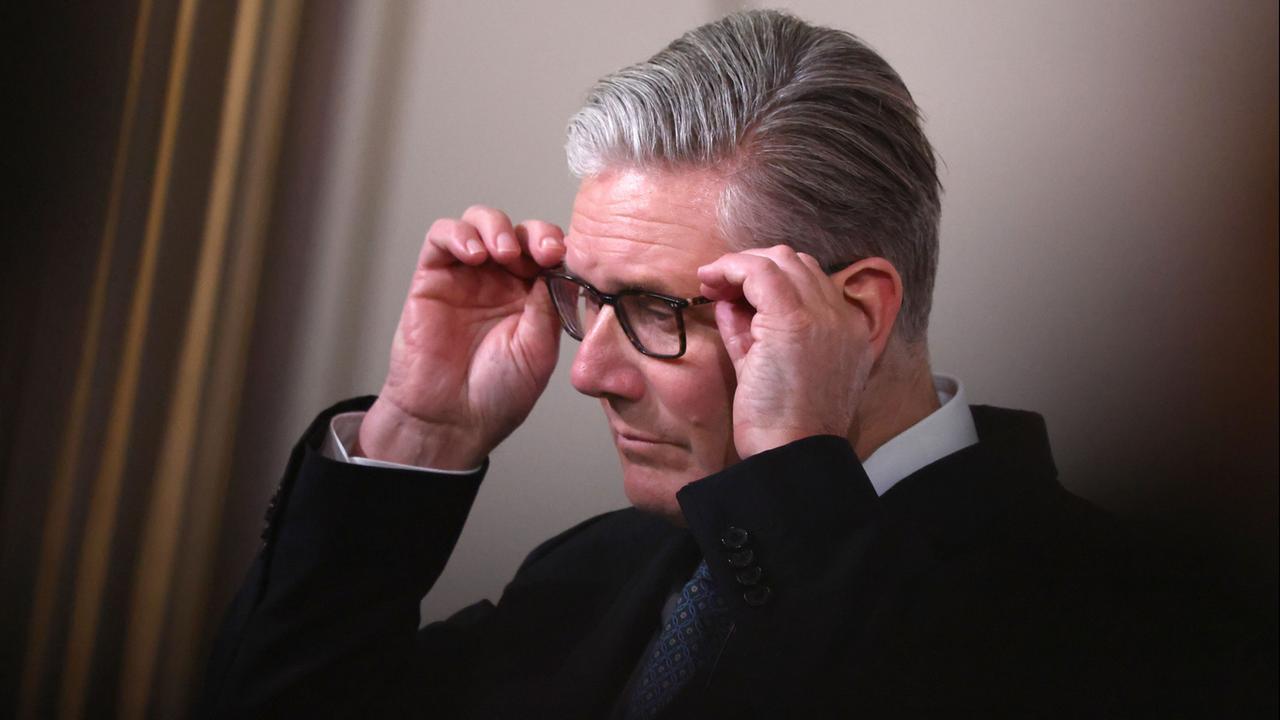
Public Statements and Shifting Alliances: Following the cabinet meeting, various ministers made public statements, some offering their support for Starmer, while others remained silent or hinted at their unease. The political discourse intensified on social media and in the press, with differing interpretations of the events and the path forward.
Supporting Data: The Electoral Mandate and Parliamentary Numbers
The pressure on Keir Starmer is significantly amplified by the stark electoral data from the recent local elections and the observable shifts in parliamentary support. These figures provide a quantitative basis for the discontent and the calls for change.
- Local Election Losses: While specific nationwide percentages are still being fully aggregated and analyzed, initial reports indicate that Labour experienced significant setbacks in numerous local council elections across England. Key strongholds were lost, and the overall performance was described as a "disaster" by many party insiders. This widespread failure to gain traction with the electorate is the primary justification cited by those calling for Starmer’s resignation.
- Parliamentary Dissent: The article states that "More than 80 Labour MPs have so far stood against Starmer." This figure represents a substantial bloc within the parliamentary party, indicating a significant level of opposition that cannot be easily dismissed. While not enough to trigger an immediate leadership challenge under current rules, it signifies a deep and widespread dissatisfaction.
- Supporters’ Declaration: In contrast, the article notes that "over 100 Labour MPs have signed a declaration expressing their support for the Prime Minister." This indicates that while a substantial portion of the parliamentary party is dissatisfied, a slightly larger group remains loyal or believes in the necessity of continuity. This division highlights the precariousness of Starmer’s position.
- The "No Confidence" Threshold: For a formal leadership challenge to be initiated within the Labour Party, a specific number of MPs typically need to express no confidence in the leader. While the article doesn’t specify this exact threshold, the reported numbers suggest that the party is approaching a critical juncture where such a challenge could become a tangible possibility.
The stark contrast between the electoral performance and the parliamentary numbers underscores the complex dynamics at play. Starmer’s supporters are attempting to frame the situation as one requiring unity and focus on governing, while the dissenting voices are using the electoral mandate as evidence of the need for a leadership overhaul.
Official Responses and Public Statements: A Divided Front
The political fallout from the recent electoral setbacks has elicited a range of responses from within the Labour Party, revealing a starkly divided front between those who remain loyal to Prime Minister Keir Starmer and those who are openly calling for his departure.
Statements of Support:
- Deputy Prime Minister David Lammy: Lammy has been a vocal defender of Starmer, asserting that the Prime Minister "enjoys his full support." He has further argued that no potential challenger currently possesses sufficient backing to mount a serious bid against the Labour leader. Lammy has challenged those demanding Starmer’s resignation to identify a more suitable candidate, implying a lack of viable alternatives.
- Minister of State for Work Pat McFadden: Following the cabinet meeting, McFadden reported to Sky News that no minister present had challenged Starmer. He characterized the cabinet’s stance as supportive, suggesting that any immediate threat to Starmer’s leadership from within the cabinet itself was minimal.
- Minister for Economic Affairs Peter Kyle: Kyle described Starmer as demonstrating "steadfast leadership strength." He characterized the cabinet meeting as "very focused" and indicative of a party united behind its leader, at least in that forum.
- Minister for Technology Liz Kendall: Kendall publicly stated that the Prime Minister had her "full support," reinforcing the narrative of cabinet solidarity.
- Secretary of Defence John Healey: Healey took to the platform X to emphasize the nation’s concerns about current global conflicts and crises. He argued that the public expects their government to guide the country through these challenging times, "just as the Prime Minister is currently doing." He warned that further instability would not serve Britain’s interests. He also reportedly met with Starmer for an emergency session during the night, highlighting the seriousness of the security concerns.
Statements of Dissent:
As detailed in the section on resignations, the departing ministers have all articulated a clear message of discontent. Their public statements, particularly those of Miatta Fahnbulleh, Jess Phillips, Alex Davies-Jones, and Zubir Ahmed, have been critical of Starmer’s leadership and the party’s current trajectory. Their resignations themselves serve as powerful official statements of their opposition.
Starmer’s Own Stance:
Prime Minister Keir Starmer, in his address to the cabinet, acknowledged his responsibility for the Labour Party’s electoral defeats. However, he simultaneously underscored his commitment to fulfilling the promises made to the electorate and to continuing the work of governing. He explicitly stated that the procedures for removing a party leader had not been initiated and that the country expected the government to "continue its work." This dual acknowledgement of responsibility while asserting his mandate to continue signifies his determination to weather the storm and remain in his position.
Implications: The Future of Labour and the UK Political Landscape
The current crisis within the Labour Party, centered on Prime Minister Keir Starmer’s leadership, carries significant implications for both the party’s internal dynamics and the broader political landscape of the United Kingdom. The resolution of this internal struggle will undoubtedly shape Labour’s electoral prospects and influence the government’s ability to address the pressing challenges facing the nation.
- Leadership Challenge and Party Unity: The most immediate implication is the potential for a formal leadership challenge. With over 80 MPs reportedly opposing Starmer, the threshold for triggering such a contest may be within reach. A successful challenge would lead to a leadership election, a potentially divisive process that could further fracture the party. Conversely, if Starmer weathers the storm, the dissenters may be marginalized, but underlying tensions could persist, impacting future cohesion. The ability of the party to unite behind a leader, regardless of who it is, will be crucial for its electoral viability.
- Electoral Prospects: Labour’s recent electoral performance has raised serious questions about its ability to win a general election. The current leadership crisis, if unresolved, could further erode public confidence and alienate potential voters. A prolonged period of internal strife could be exploited by political opponents, making it even more challenging for Labour to regain power. Conversely, a decisive resolution and a renewed sense of purpose could potentially galvanize the party and improve its standing.
- Government Stability and Policy Implementation: As Prime Minister, Starmer’s ability to effectively govern is directly tied to his leadership of the Labour Party. If his authority is significantly weakened by internal dissent, his capacity to implement his policy agenda and to provide stable leadership on the national and international stage could be compromised. The focus on internal party politics might divert attention and resources from crucial policy areas.
- The Role of the Opposition: The ongoing turmoil within the governing Labour Party presents an opportunity for other political forces, particularly the Conservative Party, to capitalize on the divisions. The effectiveness of the opposition in presenting a united and compelling alternative will be a key factor in the coming months.
- Broader Political Realignments: The current crisis could also signal a broader realignment of political forces in the UK. The dissatisfaction with Starmer’s leadership may reflect deeper shifts in voter sentiment and expectations. The Labour Party’s response to this crisis could determine whether it adapts to these shifts or risks further marginalization. The call for "bold, radical action" suggests a desire for a more fundamental re-evaluation of the party’s core principles and strategies.
The coming weeks will be critical in determining the trajectory of the Labour Party and the political future of Prime Minister Keir Starmer. The decisions made in the coming days will not only shape the party’s internal landscape but will also have a profound impact on the United Kingdom’s political direction.













Leave a Reply