


Kyiv, Ukraine – August 2, 2026 – In a significant escalation of the ongoing conflict, Ukrainian forces have intensified their aerial assaults, targeting critical infrastructure deep within Russian territory. Overnight operations reportedly struck an oil refinery and a military airfield, resulting in casualties and significant damage, according to Russian authorities. Moscow claims its air defense systems intercepted a barrage of over 635 Ukrainian drones across more than a dozen regions. The escalating aerial exchanges underscore the increasingly attritional nature of the war, with both sides deploying sophisticated drone technology and long-range strike capabilities.
Main Facts
- Widespread Drone Attacks: Russia’s Ministry of Defense reported intercepting and destroying approximately 635 Ukrainian drones overnight, affecting over a dozen regions.
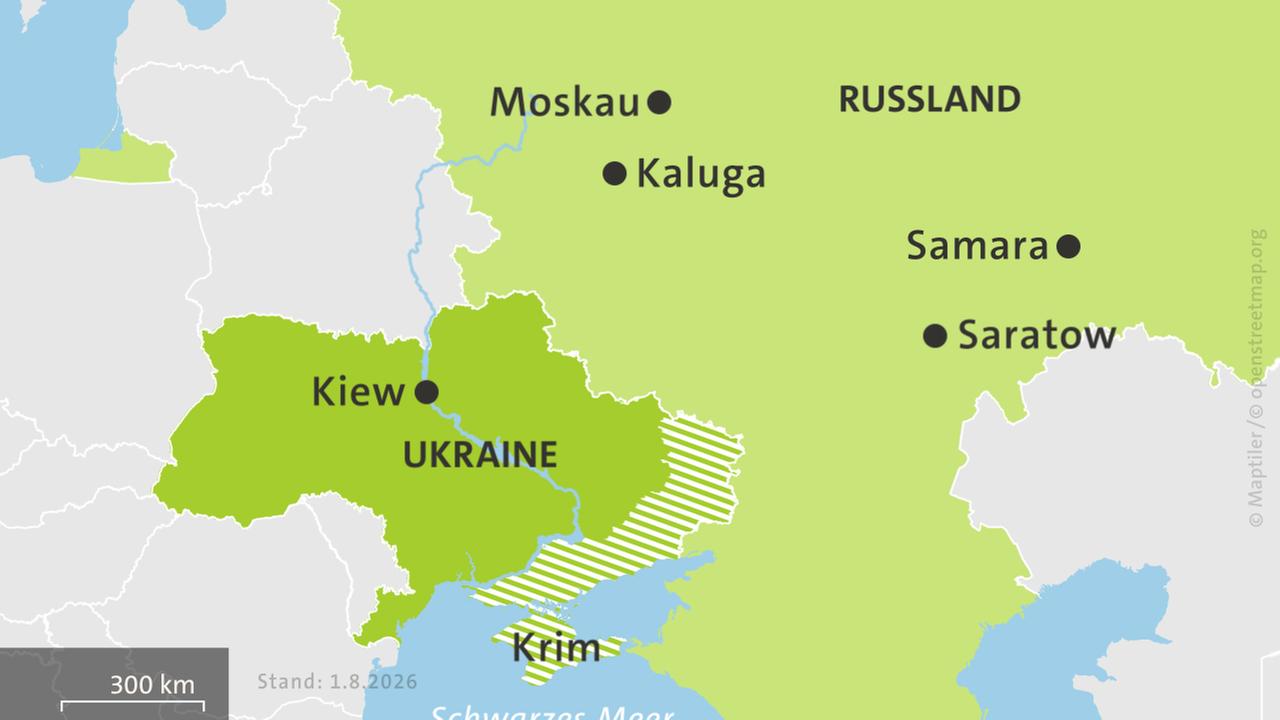
- Fatalities in Saratov: Two individuals were reported killed in the Saratov region, southwest Russia, where civilian infrastructure, including in Saratov and Engels, sustained damage.
- Targets Identified: The Ukrainian military claimed responsibility for striking an oil refinery and a military airfield in the Saratov region, asserting that both locations were set ablaze. An oil depot in the western Kaluga region was also reportedly targeted.
- Logistics Hub Hit: A logistics center belonging to the online retailer Wildberries in the Samara region was reportedly struck by Ukrainian drones, causing a fire but no reported injuries.
- Strategic Importance of Targets: The Saratov oil refinery has been a recurring target of Ukrainian counter-offensives. Engels, located in the same region, houses one of Russia’s largest air force bases, from which bombers launch strikes against Ukrainian cities.
- President Zelenskyy’s Plea: Ukrainian President Volodymyr Zelenskyy reiterated his urgent appeal to Western partners for "Patriot" anti-ballistic missile systems, emphasizing their critical role in protecting civilian lives.
Chronology of Recent Events
The current phase of the conflict is characterized by a strategic shift, with Ukraine increasingly employing long-range strikes against Russian soil. This proactive approach appears designed to disrupt Russian military logistics, degrade its industrial capacity, and pressure Moscow to reconsider its war aims.
Recent Key Developments:
- Late July 2026: Reports emerged of increased Ukrainian drone activity targeting Russian energy infrastructure, including oil storage facilities and refineries, in a sustained campaign to hamper Russia’s economic war-making capabilities.
- Early August 2026 (Immediate Past): Ukrainian military intelligence sources indicated a successful operation involving drone strikes against military-related targets, aiming to degrade Russia’s air power and logistical support for its operations in Ukraine.
- Overnight July 31 – August 1, 2026: The most significant escalation occurred with the widespread drone attacks reported by Russia. The Ukrainian military subsequently confirmed strikes on specific high-value targets, including the Saratov oil refinery and military airfield.
- August 1, 2026: Russian authorities confirmed casualties and damage in the Saratov region. Concurrently, social media platforms were inundated with unverified footage purportedly showing the aftermath of the strikes.
- August 2, 2026: Ukraine’s military spokesperson provided further details on the targeted locations and the alleged success of the operations. President Zelenskyy delivered his nightly address, highlighting the urgent need for advanced air defense systems.
Supporting Data and Analysis
The scale of the drone attacks reported by Moscow – 635 interceptions – suggests a significant and coordinated Ukrainian effort. While Russia claims to have neutralized the vast majority of these threats, the reported damage and casualties indicate that a portion of the drones successfully penetrated Russian air defenses.
- Drone Warfare Evolution: The reliance on drone technology by both sides has become a defining feature of this conflict. Ukraine’s ability to launch sophisticated, long-range drone attacks against targets hundreds of kilometers inside Russia demonstrates its evolving capabilities, likely bolstered by Western intelligence and technological assistance.
- Targeting Strategy: The choice of targets – oil refineries and military airfields – is strategically significant. Oil refineries are crucial for fueling Russia’s military and economy. Military airfields, particularly those used for launching attacks on Ukraine, represent direct threats that Kyiv seeks to neutralize. The targeting of the Engels airbase is particularly noteworthy, as it is a known launchpad for long-range bombers.
- Geographic Reach: The mention of attacks in Saratov (over 700 km from the Ukrainian border) and Kaluga highlights Ukraine’s expanding operational reach. This deep penetration capability poses a significant challenge to Russian air defense and creates a psychological impact on the Russian populace.
- Economic Warfare: By targeting energy infrastructure, Ukraine aims to impose economic costs on Russia, potentially impacting its ability to sustain the war effort and its domestic economy. The repeated targeting of oil facilities suggests a sustained campaign to degrade Russia’s oil production and refining capacity.
- Wildberries Logistics: The attack on the Wildberries logistics center in Samara indicates a broader strategy to disrupt supply chains and economic activity within Russia, even beyond direct military targets.
Official Responses and Statements
Russian Federation:
The Russian Ministry of Defense issued a stark statement detailing the scale of the alleged Ukrainian aerial onslaught. "Russian air defense forces successfully intercepted and destroyed 635 Ukrainian unmanned aerial vehicles," the ministry reported. It further stated that drones were "intercepted and destroyed" in over a dozen regions, including the annexed Crimea.
Regional Governor Roman Bussargin of Saratov provided details on the fatalities and damage. "Two civilians died," he announced, adding that "civilian infrastructure in Saratov and Engels was damaged." He refrained from offering specific details about the nature of the damage or the exact locations affected.
The company Wildberries confirmed the incident at its logistics center in the Samara region. A spokesperson stated, "A fire broke out after Ukrainian drones struck a logistics center… Fortunately, there were no injuries."
Ukraine:
The Ukrainian military confirmed its involvement in the overnight strikes. A spokesperson stated, "In the vicinity of Saratov, we successfully engaged an oil refinery and a military airfield. Both facilities experienced significant fires following our strikes." The spokesperson also confirmed the targeting of an oil depot in the Kaluga region.
President Volodymyr Zelenskyy used his nightly video address to reiterate his plea for advanced air defense systems. "Missiles for ballistic missile defense should protect people and not lie idle in warehouses," he stated. "Every additional day without this aid is an opportunity for Russia to kill people in Ukraine." He emphasized the humanitarian imperative of providing such weaponry, framing it as a direct means of saving lives and preventing further Russian aggression.
Implications and Future Outlook
The intensified Ukrainian cross-border strikes signal a strategic recalibration in the conflict. Kyiv’s proactive stance, aiming to degrade Russia’s military capacity and economic resilience, is a clear attempt to shift the battlefield dynamics and potentially force Moscow towards a negotiated settlement.
Key Implications:
- Escalation of Aerial Warfare: The conflict is increasingly characterized by sophisticated drone warfare and reciprocal aerial attacks. This trend is likely to continue, with both sides seeking to gain an advantage through technological innovation and strategic targeting.
- Russian Vulnerability: The repeated strikes deep within Russian territory expose vulnerabilities in Russia’s air defense network and its ability to protect critical infrastructure. This could lead to increased domestic pressure on the Kremlin and a reassessment of its war strategy.
- Western Aid Crucial: Ukraine’s reliance on Western military assistance, particularly advanced air defense systems like the Patriot, is paramount. President Zelenskyy’s urgent appeals highlight the critical need for timely and robust support to counter Russian aerial threats and enable Ukraine’s defensive and offensive capabilities.
- Diplomatic Stalemate: The ongoing military actions, coupled with the lack of clear diplomatic breakthroughs, suggest that the conflict is likely to remain protracted. Both sides appear committed to their current objectives, with neither showing signs of significant concessions.
- Psychological Impact: The targeting of civilian areas and infrastructure within Russia, even if primarily for military effect, carries a significant psychological impact. It brings the war closer to the Russian populace and could potentially erode public support for the conflict.
The coming weeks and months will be critical in observing how both sides adapt to this escalating aerial dimension of the war. The effectiveness of Ukraine’s strikes, Russia’s response in bolstering its air defenses, and the continued flow of Western military aid will all play a crucial role in shaping the trajectory of the conflict. The strategic implications of these deep strikes within Russia are far-reaching, potentially altering the calculus for both belligerents and the international community.