

Rome, Italy – September 16, 2026 – Italian Prime Minister Giorgia Meloni’s government has achieved a significant milestone, now governing Italy for longer than any of its post-war predecessors. Yet, beneath the veneer of enduring leadership, the foundations of Meloni’s coalition appear to be fracturing. A contentious battle over electoral reform has plunged the government into its most serious crisis to date, casting a shadow over its future stability and igniting fervent speculation about potential snap elections.
Meloni, a charismatic figure who rose to power on a wave of nationalist sentiment, has consistently projected an image of unwavering strength and determination. During a recent appearance at an agricultural forum for rice farmers in Vercelli, the heart of the Piedmont region, she was met with enthusiastic applause and fervent support. In a rare move, she also engaged with journalists, a departure from her usual avoidance of direct questioning. This public display, however, belied the fierce internal discord brewing within her ruling alliance over the proposed changes to Italy’s electoral system.
The Electoral Reform Conundrum: A Bold Vision Stalled
At the core of the current political turbulence lies Meloni’s ambition to overhaul Italy’s electoral law. Her initial proposal aimed to transition towards a pure preference voting system. This system would empower voters to select individual candidates on party lists, rather than simply endorsing a party slate. Meloni argued that such a reform would foster greater accountability, allowing citizens to directly choose their representatives, their coalition, their prime minister, and the governing program. She expressed pride in her center-right coalition’s commitment to enabling this shift, framing it as a democratic advancement that would strengthen the bond between the electorate and their elected officials.
However, this vision encountered immediate and formidable resistance from within Meloni’s own coalition. The smaller parties, notably the Lega, led by Matteo Salvini, and Forza Italia, a party with roots in Silvio Berlusconi’s legacy, voiced strong opposition. Their primary concern was the potential dilution of their influence. A system that emphasizes individual candidate popularity could marginalize smaller parties, making it harder for them to secure parliamentary representation, even if their party achieved a respectable national vote share. They feared that a personalized electoral battle would further diminish their standing and bargaining power within the coalition.
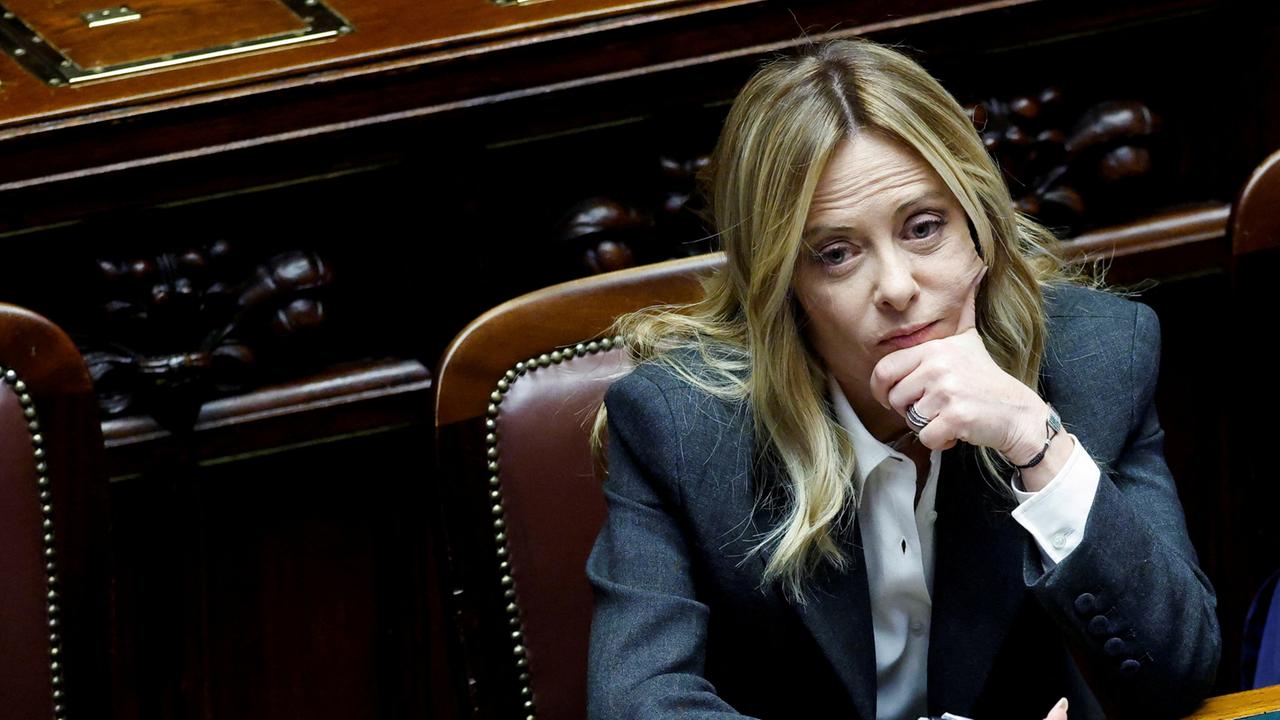
The clash over the preference voting mechanism culminated in a significant setback for Meloni in July. A crucial vote in the Chamber of Deputies (the lower house of parliament) saw the proposal fail to pass. The opposition seized upon this defeat, with critics mockingly suggesting it was time for Meloni to "go home." This legislative failure exposed the deep fissures within the coalition and emboldened the opposition, which has been actively positioning itself as a viable alternative.
Opposition’s Hopeful Stance Amidst Internal Divisions
The Italian opposition, a fragmented landscape comprising various parties with differing ideologies, has been quick to capitalize on the government’s perceived weakness. Leaders such as Elly Schlein of the Democratic Party and Giuseppe Conte of the Five Star Movement have been vocal in interviews, outlining their platforms for a future government. Their stated priorities include addressing the rising cost of living, strengthening the ailing healthcare system, and improving the quality of education.
However, political analysts caution against premature celebration for the opposition. Despite their unified front against the government, internal divisions and a lack of a clear, universally recognized leadership figure remain significant hurdles. The effectiveness of their calls for change is often tempered by their inability to present a cohesive and compelling alternative to Meloni’s coalition. Furthermore, any potential for early elections hinges on the resolution, or at least a decisive moment, in the electoral reform debate.
A Compromised Reform and the Road to Decision
Following the initial defeat, efforts to salvage an electoral reform package have continued. A modified version of the bill was approved by the Senate (the upper house) this past Tuesday. This compromise proposal introduces a significant concession: the top position on each electoral list will now be reserved for party leadership. While this maintains a degree of centralized control for party elites, it still allows citizens to influence the selection of candidates for the remaining seats.
This amended legislation, however, has been branded a "farce" by the opposition. Under parliamentary rules, the bill must now return to the Chamber of Deputies for a final, decisive vote expected at the end of September. The outcome of this vote is critical, holding the potential to either mend the coalition’s rifts or trigger a political earthquake.
Meloni’s High-Stakes Gamble: Threat of Snap Elections
In the face of this mounting pressure, reports suggest that Meloni has been employing a high-stakes strategy. She has reportedly warned her coalition allies of the possibility of calling snap elections in January if the electoral reform ultimately fails. Such a move would signify the collapse of her current government and plunge Italy into an election campaign potentially sooner than anticipated.
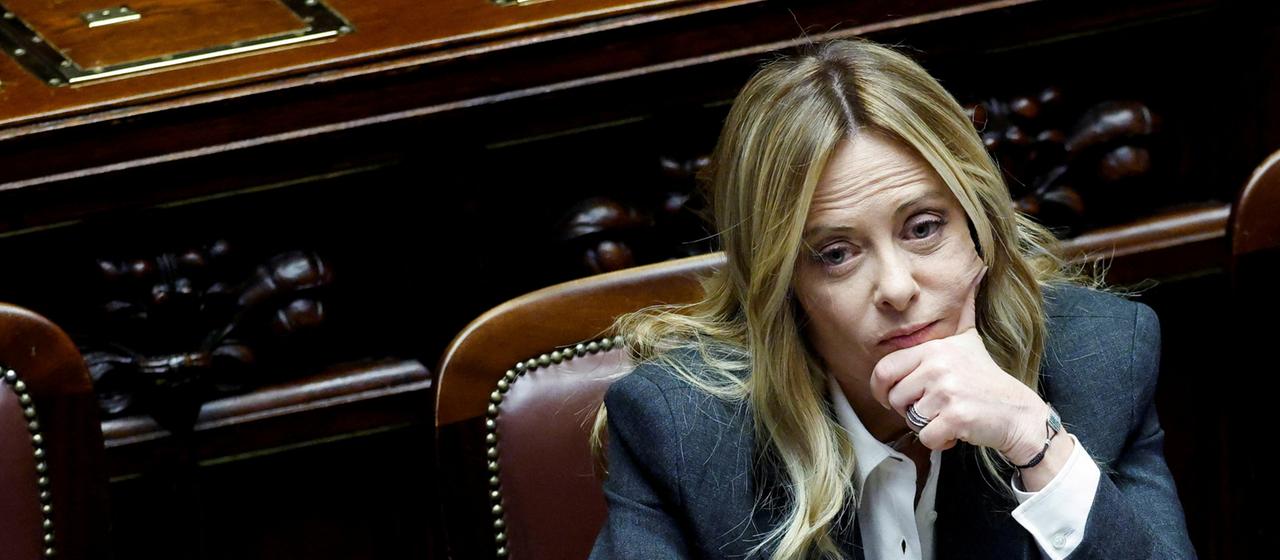
Despite the internal turmoil and the looming threat of early elections, Meloni has publicly maintained an air of defiance. In a recent video message, she asserted that the government remained steadfast, unafraid, and unwilling to retreat. This public posture, however, likely masks a degree of anxiety as she navigates the treacherous political waters.
The Uncertain Future: Election Timing and Meloni’s Strategy
The timing of any potential parliamentary elections remains a significant point of speculation. Meloni is reportedly weighing various scenarios, each with its own strategic advantages. An early election in January or April could be advantageous, given the current disarray within the opposition, which may struggle to consolidate its forces and present a united front. Alternatively, she might consider waiting until the regular scheduled elections in the autumn of 2027. This longer timeframe could allow for further fragmentation within the opposition, potentially leading to a situation where they are once again divided and less capable of mounting a serious challenge.
Behind the carefully constructed facade of unshakeable resolve, Italy’s Prime Minister is undoubtedly grappling with the intricate calculations of political survival. The coming weeks, culminating in the crucial vote at the end of September, will be pivotal in determining the fate of Meloni’s government, the future of Italy’s electoral landscape, and the timing of the next general election. The current coalition crisis underscores the inherent fragility of Italian politics, where even the most seemingly dominant leaders can find their authority tested by internal dissent and complex legislative battles. The nation watches with bated breath as Giorgia Meloni navigates this critical juncture, her political future hanging in the balance.