By Antonia Mannweiler
Updated: May 13, 2026 – 22:34 CET
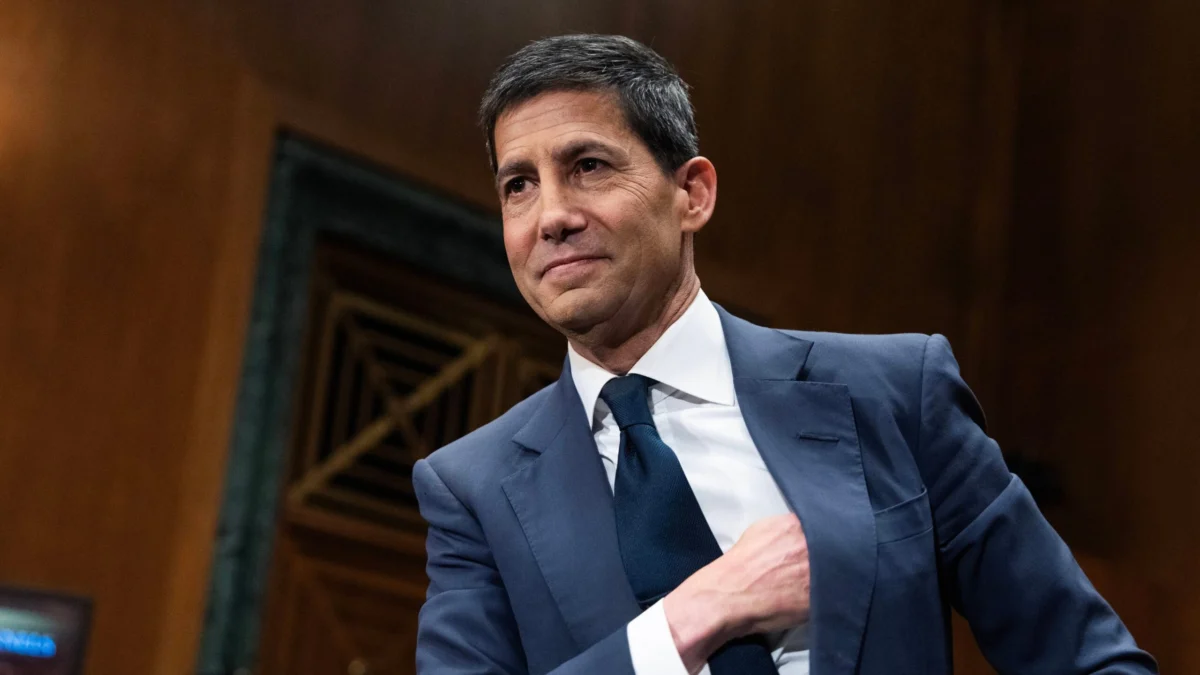
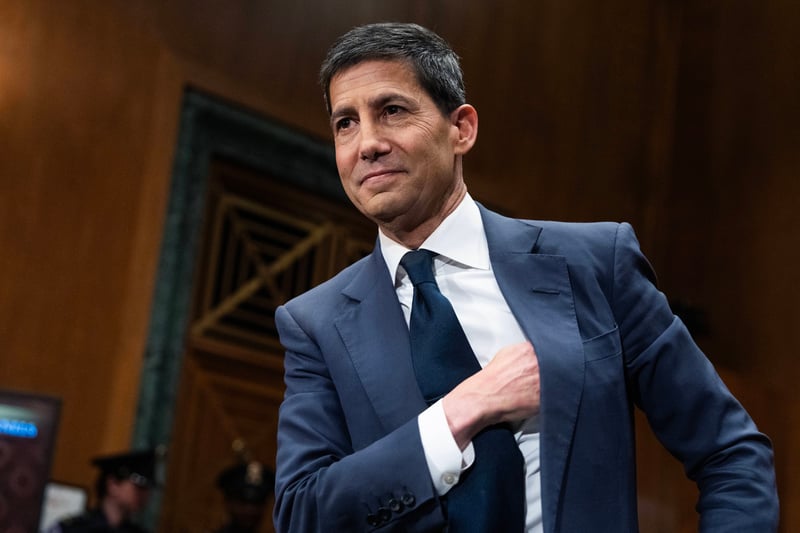
In a landmark decision that marks a significant shift in the trajectory of U.S. monetary policy, the United States Senate has officially confirmed Kevin Warsh as the new Chairman of the Federal Reserve. The 56-year-old financial veteran, a familiar face in Washington policy circles, successfully navigated a contentious confirmation process to secure his place at the helm of the world’s most powerful central bank.
Warsh succeeds Jerome Powell, whose tenure was defined by the unprecedented challenges of post-pandemic inflation and aggressive interest rate adjustments. As Warsh steps into the role, the global financial community is bracing for a potential paradigm shift. The core question now reverberating through Wall Street and the corridors of power in Washington is whether the new Chair will maintain the independence that is the hallmark of the Federal Reserve, or if he will become an extension of the executive branch’s economic agenda.

The Confirmation: A Partisan Milestone
The path to Warsh’s confirmation was anything but smooth. On Wednesday, the Senate voted 54 to 45 to install him as the leader of the Federal Reserve. The vote exposed a deepening divide in American politics, with the Democratic caucus—with the sole exception of Senator John Fetterman of Pennsylvania—voting in a unified bloc against the nomination.
This outcome represents a historic departure from tradition. Historically, the confirmation of a Federal Reserve Chair has often garnered broad bipartisan support, as the institution’s perceived independence from partisan fray is considered a bedrock of market stability. The fact that this confirmation occurred strictly along party lines marks a chilling first in the history of the central bank.
The writing was on the wall as early as late April, when the Senate Banking Committee conducted its hearings. During that session, Democratic members expressed deep skepticism regarding Warsh’s alignment with the current administration’s fiscal priorities. Despite the intense opposition within the committee, the nomination proceeded to the full Senate floor, where the Republican majority ultimately pushed it over the finish line.
Chronology of a High-Stakes Nomination
The process leading to Warsh’s ascension was rapid and focused.
- Late April 2026: The Senate Banking Committee holds confirmation hearings. Democratic opposition begins to crystallize, setting the stage for a party-line struggle.
- Tuesday, May 12, 2026: The Senate confirms Kevin Warsh as a member of the Board of Governors of the Federal Reserve for a full 14-year term, establishing the legal foundation for his leadership.
- Wednesday, May 13, 2026: The full Senate votes 54–45 to confirm Warsh as the Chairman of the Federal Reserve.
- Immediate Future: Warsh is expected to be sworn in within the coming days, inheriting a delicate economic landscape characterized by fluctuating inflation metrics and a cooling labor market.
While his appointment to the Board of Governors is for 14 years, the chairmanship itself is a four-year term, subject to potential renewal. This structure provides a degree of job security, yet the shadow of the current political polarization remains the defining feature of his entry into the office.
Understanding the New Fed Chair: Who is Kevin Warsh?
Kevin Warsh is not a novice to the inner workings of the Federal Reserve. He previously served as a member of the Board of Governors from 2006 to 2011, a period that encompassed the 2008 global financial crisis. His tenure during that turbulent era earned him a reputation as a pragmatist, though critics have often pointed to his close ties to the financial sector and his history as an executive at Morgan Stanley.
During his previous time at the Fed, Warsh was known for his analytical rigor and his skepticism toward some of the more aggressive liquidity-injection strategies favored by then-Chair Ben Bernanke. His return to the Fed is seen by supporters as a "return to basics," while detractors fear he may prioritize market-friendly policies over the long-term stabilization of the macroeconomy.
Economic Implications: The Interest Rate Question
The primary concern for global investors is the future direction of U.S. interest rates. Under Jerome Powell, the Fed pursued a restrictive monetary policy to combat stubborn inflation. Market analysts are now dissecting Warsh’s past statements and academic writings to forecast his next moves.
Early signals suggest that Warsh may lean toward a more flexible, perhaps even more interventionist, approach to monetary policy. There is significant speculation that he may be more willing to accommodate the current administration’s desire for lower interest rates to spur growth. However, this potential "dovish" pivot comes with a significant risk: if the Fed begins to cut rates too prematurely, the progress made in suppressing inflation could be entirely undone.

"The market is looking for stability, but it is also looking for a signal," says one veteran analyst at a major investment firm. "If Warsh appears to be taking orders from the White House, we could see volatility in the bond markets that will far exceed what we experienced under Powell."
The Threat of Politicization
The most significant takeaway from the 54–45 vote is the erosion of the "independence" buffer that has historically shielded the Federal Reserve from the pressures of the election cycle. When a central bank chief is perceived as a partisan appointee, the credibility of the currency and the stability of the financial system can become subject to doubt.
If the Fed is seen as a "marionette" of the President, as some Democratic critics have suggested, international investors may lose confidence in the U.S. dollar as a stable store of value. This is particularly relevant in a global economic environment where emerging markets are increasingly looking for alternatives to dollar-denominated assets.

Furthermore, the relationship between the Fed Chair and the Treasury Secretary will be under intense scrutiny. A lack of institutional distance between these two entities could lead to fiscal-monetary policy conflicts that complicate the government’s ability to manage debt-to-GDP ratios effectively.
Official Responses and Public Sentiment
The White House has lauded the confirmation, with the President’s press office describing Warsh as "a visionary who understands the complexities of the modern global economy." Supporters in the Senate have echoed this, emphasizing his private-sector experience as a vital asset for a central bank that must interact with complex, interconnected global markets.
Conversely, the opposition has not been silent. Senate leadership from the Democratic side issued a statement following the vote, expressing "grave concern" regarding the lack of transparency in the nomination process and warning that the Fed’s credibility is now "at a crossroads."

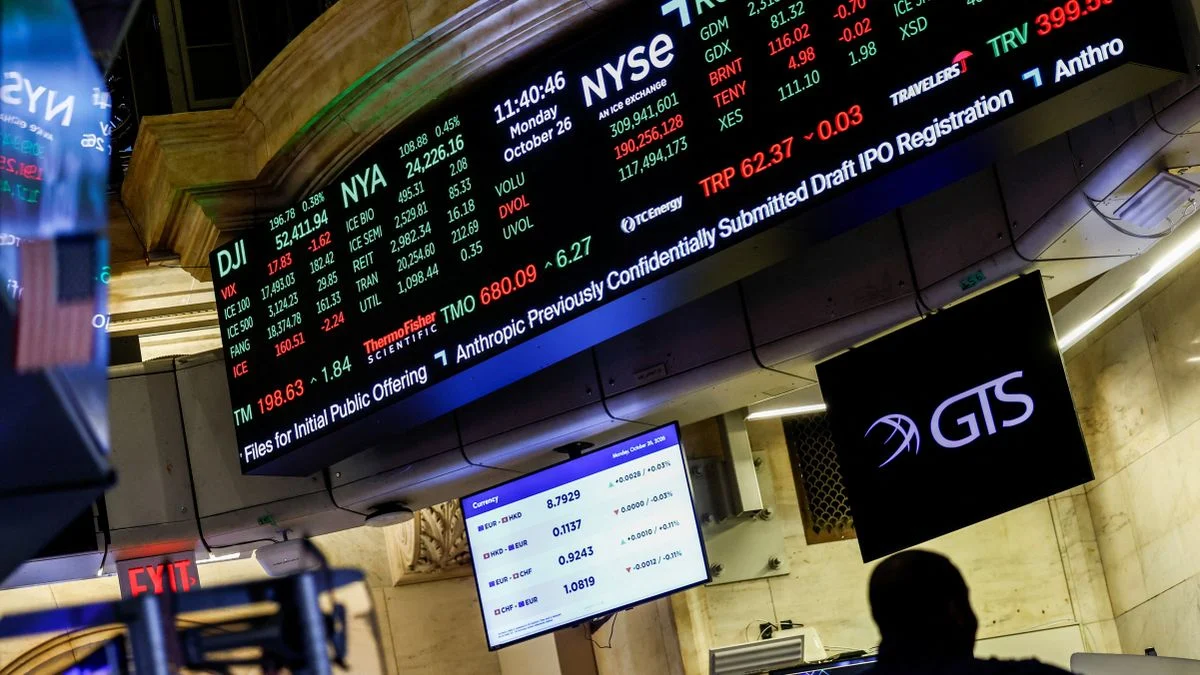
Market reaction has been muted but observant. On the day of the confirmation, the Dow Jones Industrial Average saw a minor fluctuation, suggesting that the markets had already "priced in" the victory of the Republican nominee. The real test will come during the next meeting of the Federal Open Market Committee (FOMC), where Warsh will make his first official mark on the federal funds rate.
Conclusion: A Delicate Balancing Act
Kevin Warsh steps into the role of Fed Chair at a pivotal moment in American economic history. He is tasked with the impossible: maintaining the cooling effect on inflation while simultaneously fostering an environment that encourages investment and job creation.
His challenge is compounded by the fact that he is entering office on the heels of a highly divisive, party-line confirmation. To succeed, Warsh must demonstrate that he serves the American economy, not a political party. He must find the middle ground between the fiscal ambitions of the executive branch and the traditional mandate of the Federal Reserve: price stability and maximum sustainable employment.

The world will be watching. The next four years will determine whether Warsh’s leadership is defined by the independence required of a central banker, or by the political pressures that have already left a mark on his path to the office. Whether he becomes a stabilizer or a source of renewed instability remains the most important question for the global economy in the coming decade.