

For many motorcyclists, the name "Fantic" evokes images of vintage off-road prowess or niche enduro competition. However, this historic Italian manufacturer, founded in 1968, is undergoing a profound metamorphosis. Far from being a mere boutique brand, Fantic has evolved into a powerhouse of engineering, leveraging high-level competition experience and strategic industrial partnerships to challenge the established giants of the motorcycle industry. With the unveiling of the new Stealth 500, Fantic is making a bold statement: lightweight performance is the future of the naked bike segment.
Main Facts: A New Breed of Naked
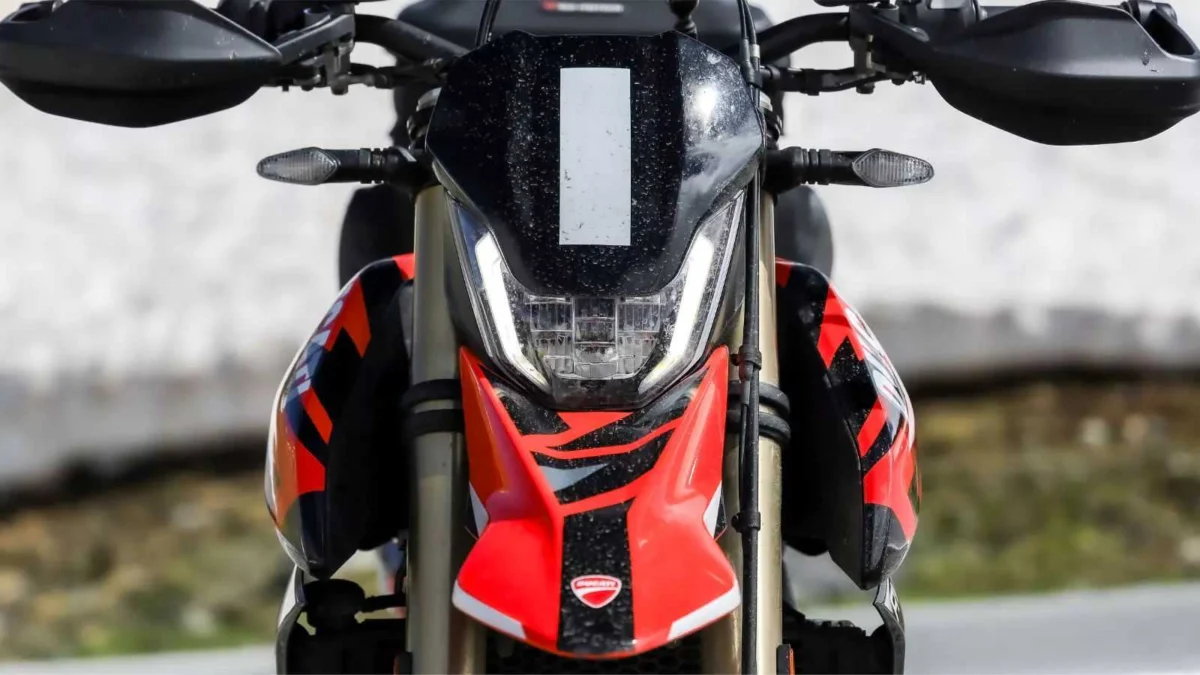
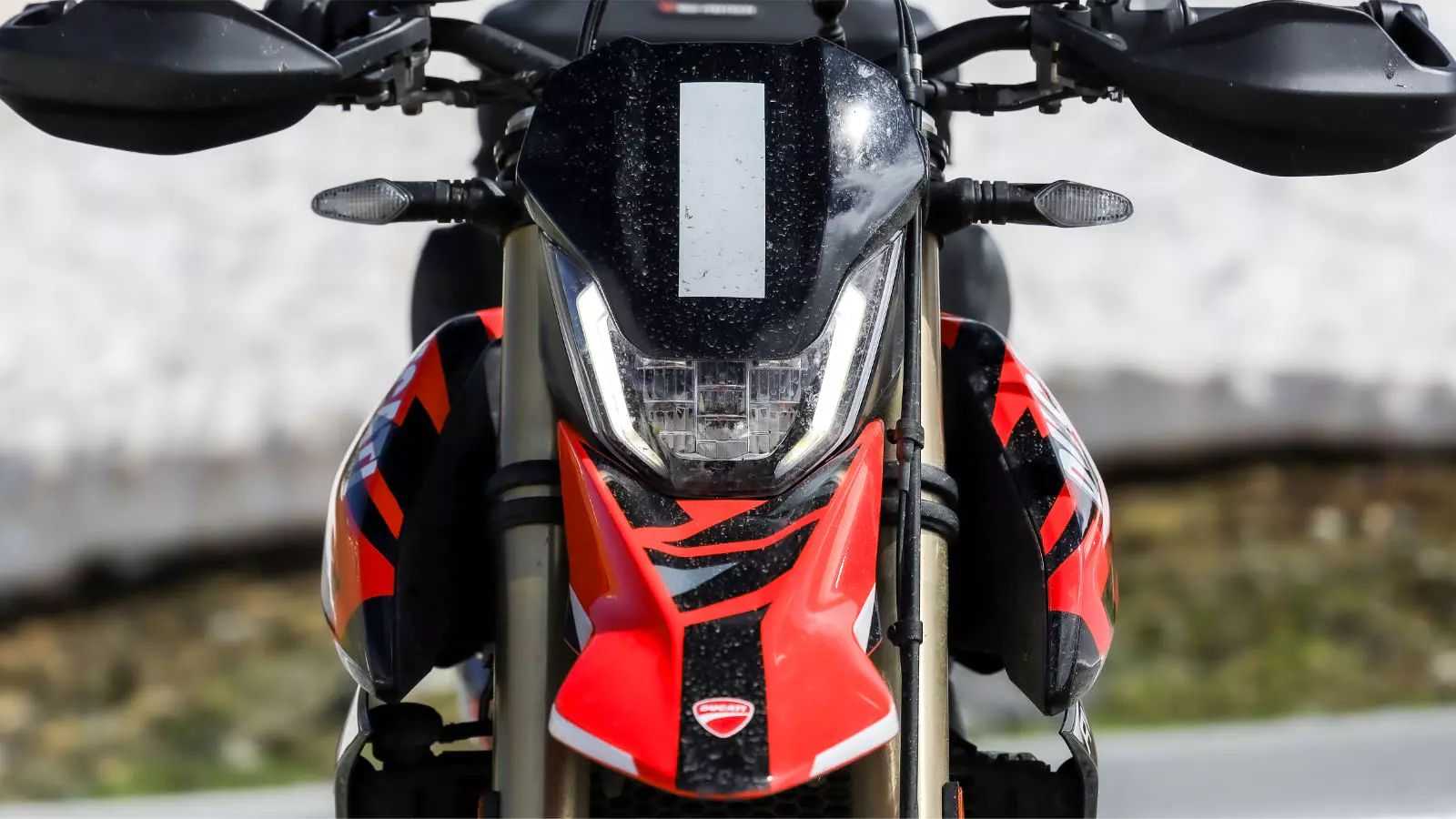
The Stealth 500 represents the pinnacle of Fantic’s current design philosophy. It is a modern, minimalist naked bike that draws its aesthetic inspiration from the B-2 "Stealth" bomber. Its visual identity is defined by sharp, angular lines, a compact front mask housing dual LED headlights, and an aggressive silhouette.
Beneath the radical bodywork lies a high-performance, single-cylinder heart. Displacing 463cc, the engine was developed by the renowned Italian engine house Minarelli—a company Fantic acquired from Yamaha in 2020. This engine produces a spirited 45 horsepower at 9,000 rpm, with a redline pushing toward 10,000 rpm. Perhaps most impressively, the entire machine weighs just 155 kilograms in running order, including a full 12-liter fuel tank. This power-to-weight ratio, combined with a frame utilizing a hybrid steel trellis and aluminum casting construction, positions the Stealth 500 as one of the most agile machines in the sub-500cc market.
Chronology: From Off-Road Roots to Moto2 Dominance
The story of Fantic is one of resilience. While many European competitors folded during the market shifts of the 1980s and 90s, Fantic survived, maintaining a presence in the enduro, supermoto, and motocross markets.

- 1968: Fantic is established in Italy, focusing on high-quality off-road motorcycles.
- 2020: A landmark year. Fantic acquires the legendary engine developer Minarelli from Yamaha. This not only secured a dedicated power source for their future models but also integrated deep engineering expertise into their internal structure.
- 2023: Fantic enters the Moto2 world championship, the penultimate step on the ladder to MotoGP.
- 2025: A historic milestone. Fantic secures the Moto2 Team World Championship title, proving that their engineering and development prowess translates directly to the track.
- 2025/2026: The launch of the Stealth 500, a motorcycle that directly incorporates the chassis and cooling geometry lessons learned from their championship-winning Moto2 program.
This rapid ascension from a niche manufacturer to a world-class racing team highlights the brand’s current trajectory. The Stealth 500 is not a mere "commuter bike"; it is the consumer-facing byproduct of a team that knows exactly how to make a motorcycle turn, stop, and accelerate under pressure.
Supporting Data: Engineering Excellence
The technical specifications of the Stealth 500 reveal a commitment to handling above all else.
The Chassis and Geometry
The bike features a remarkably short wheelbase of 1,368 mm and a trail of 96 mm. These dimensions, paired with a 65-degree headstock angle, are designed for one thing: rapid directional changes. The suspension setup features a 41mm upside-down fork at the front and a monoshock at the rear, offering 130mm of travel—a balanced figure that caters to both urban commuting and spirited canyon carving.
Braking and Rolling Stock
Stopping power is provided by a radial-mount Bybre four-piston caliper clamping a 320mm disc, while the rear utilizes a single-piston floating caliper on a 230mm disc. The choice of Pirelli Diablo Rosso IV tires in narrow dimensions (110/70-17 front and 150/60-17 rear) is a deliberate move to preserve the bike’s flickable nature, ensuring the tire profile doesn’t fight the rider during lean-in.
Ergonomics and Technology
Fantic has prioritized rider customization. Both the brake and clutch levers are adjustable, as are the foot controls, which offer two distinct positions. The cockpit is dominated by a 5-inch TFT display, which acts as the hub for the bike’s advanced electronic suite. Riders can switch between four modes: Street, Rain, Track, and Custom. The inclusion of cornering ABS and traction control—systems rarely found in this price bracket—underscores the bike’s safety-first but performance-oriented ethos.
Official Responses and Strategic Vision
Fantic’s leadership has been vocal about their desire to bridge the gap between "accessible" and "exciting." By placing the airbox directly under the tank cover and shifting the fuel cell beneath the seat, the engineers have achieved a mass centralization that is rare in the single-cylinder segment.
Regarding the acquisition of Minarelli, Fantic spokespeople have emphasized that this wasn’t just a business move—it was a homecoming of Italian engineering. The collaboration with Yamaha, which still allows Fantic to utilize certain Japanese engine technologies for their enduro and motocross lines, creates a unique synergy: Japanese reliability paired with Italian design flair and chassis tuning.
Implications: The A2 Licensing Dilemma
Despite the technical brilliance of the Stealth 500, the bike finds itself in a peculiar regulatory situation within Europe. Under the A2 license framework, which is the gateway for young riders, there is a specific power-to-weight ratio requirement.

The regulation states that a bike must have a minimum weight of 0.2 kW per kilogram. With 45 horsepower (approx. 33.2 kW), the Stealth 500, at 155 kg, sits just below the legal threshold. It is effectively "too light" for its power output to be considered a standard A2 machine.
The Path Forward
For Fantic, this presents two paths. They could intentionally add "ballast" to the bike to comply with the weight regulations, a move that would contradict the entire ethos of the machine. Alternatively, as hinted by recent corporate communications, the manufacturer may opt to electronically throttle the engine output to 31 kW (42 hp). This would allow the bike to remain within the legal weight-to-power ratio for the A2 category without sacrificing the bike’s core design.
Regardless of the regulatory hurdles, the implication for the market is clear: the segment is no longer satisfied with heavy, underpowered bikes. The Stealth 500 sets a new benchmark for what riders expect at the 6,490-euro price point.
Conclusion
The Fantic Stealth 500 is more than a new motorcycle; it is a declaration of intent. By marrying the racing DNA of their Moto2 championship team with the manufacturing heritage of Minarelli, Fantic has crafted a motorcycle that punches well above its weight class. It is a machine for the enthusiast who values agility, advanced electronic rider aids, and distinct design. Whether or not it becomes the quintessential A2 bike, it has already succeeded in doing something more important: it has forced the rest of the industry to pay attention to the small Italian manufacturer that refused to quit.




















Leave a Reply