Brussels, Peking – The European Union is poised to unveil a groundbreaking and significantly more stringent trade defense instrument, designed to counter the burgeoning influx of massively subsidized goods from China. According to confidential information obtained by Handelsblatt from Commission circles, this ambitious new framework aims to enable broad-based protective tariffs, marking a significant escalation in the EU’s strategy to safeguard its internal market from what many officials now term an "industrial shock" from the East. However, the initiative is not without its internal critics, who suspect that the push for new, complex legislation might serve to delay immediate action that could be taken with existing tools.
The proposed instrument represents a fundamental shift from the EU’s current, often product-specific and time-consuming anti-dumping investigations. As European industries, particularly in Germany, face an unprecedented surge in competitively priced Chinese imports, the urgency for a robust and agile defense mechanism has become paramount. Germany’s trade deficit with China, a telling indicator of this imbalance, has ballooned from approximately 13 billion Euros in 2018 to an alarming 89.3 billion Euros in 2025, underscoring the profound economic shifts at play.
Main Facts: A Paradigm Shift in EU Trade Defense
The core of the EU Commission’s plan revolves around a new protective instrument intended to enable widespread tariffs against Chinese goods that benefit from substantial state subsidies. This move signals a departure from the EU’s traditional, often reactive approach, towards a more proactive and comprehensive defense strategy.
- Broad-Based Tariffs: Unlike the current system, which mandates lengthy product-by-product investigations, the new instrument would allow the EU to impose tariffs across entire sectors or categories of goods, similar to the Section 301 measures employed by the United States. This could encompass a wide range of Chinese exports, including machinery, chemicals, and various types of vehicles.
- Addressing "Industrial Shock": EU officials acknowledge that existing trade defense tools, originally conceived for distortions within market economies, are inadequate to address the systemic challenges posed by China’s state-backed industrial policies and massive overcapacity. The scale of Chinese subsidies is perceived as creating an "industrial shock" that threatens to displace European industries and jobs.
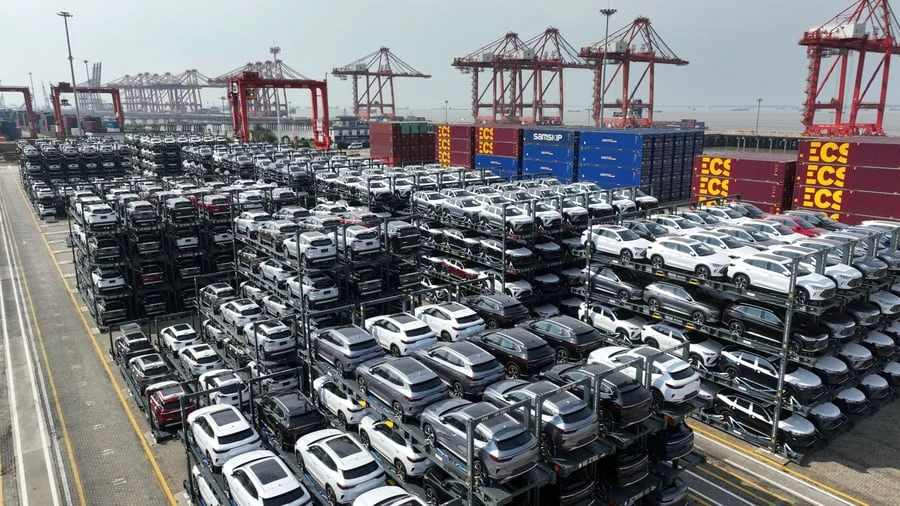
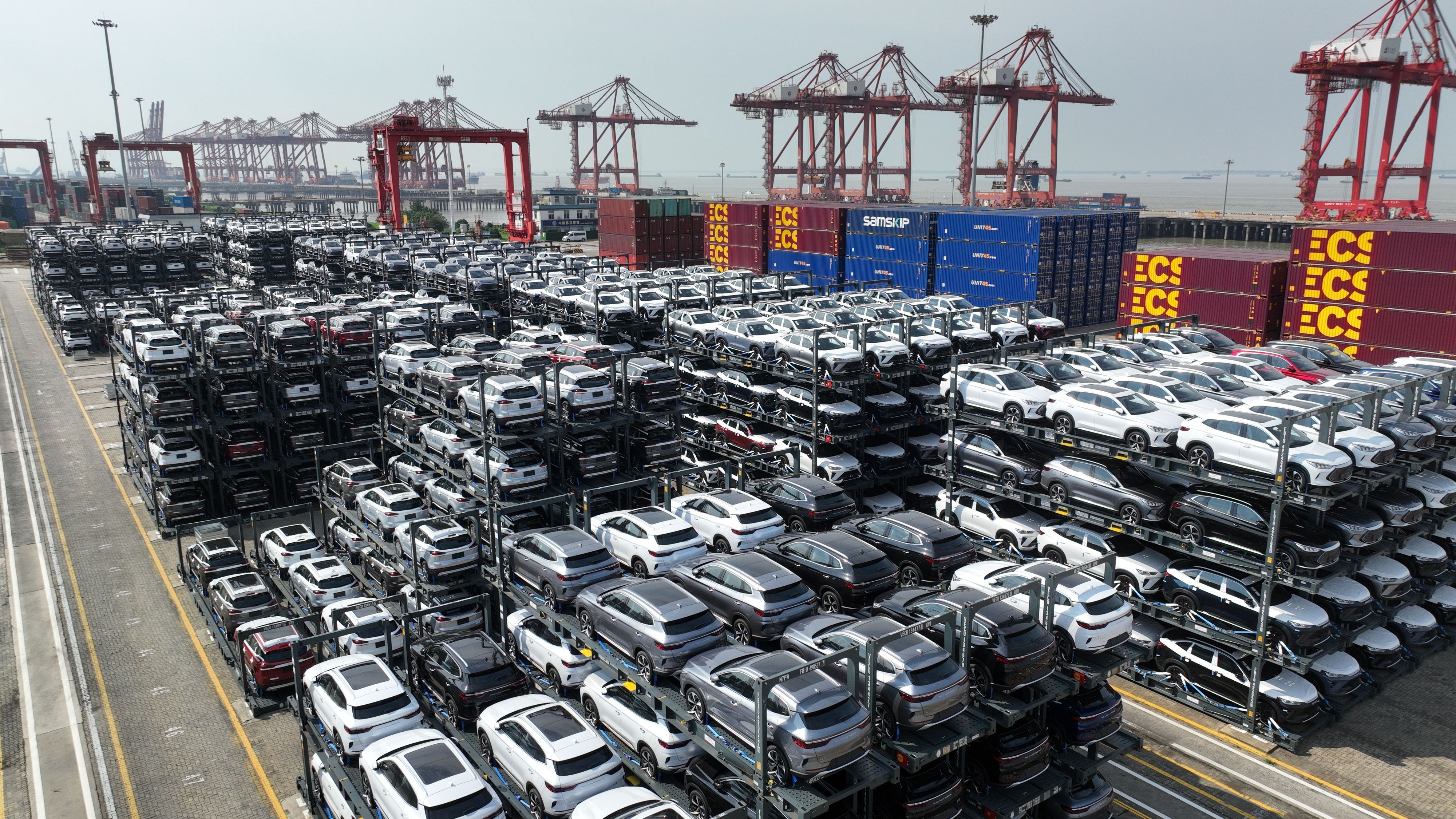
- Circumvention of Existing Measures: The perceived ineffectiveness of current measures is highlighted by China’s ability to circumvent them. For instance, after the EU imposed anti-dumping duties on Chinese electric vehicles (EVs), some manufacturers reportedly shifted their export focus to hybrid vehicles, which were not covered by the initial tariffs, thus continuing to flood the European market with low-priced alternatives.
- Internal Divisions: While the need for stronger protection is broadly recognized, some EU member states and officials express skepticism about the timing and strategic intent behind developing a new instrument. They argue that the Commission possesses existing legal avenues to act more decisively, particularly concerning products like hybrid cars, and that the pursuit of new legislation could inadvertently lead to prolonged delays.
- Strengthening Negotiating Power: A key strategic objective behind the new instrument is to bolster the EU’s leverage in future trade negotiations with Beijing. A credible threat of broad-based tariffs is seen as essential to compel China to make concessions on issues such as subsidies, market access, and intellectual property rights, rather than the EU being confined to slow, case-by-case responses.
Chronology of Growing Tensions and Policy Responses
The current push for a more robust trade defense mechanism is not an isolated event but rather the culmination of escalating trade imbalances and growing concerns within the EU regarding China’s economic practices.
- February (Current Year): Handelsblatt first reported exclusively that the EU Commission was actively preparing new protective instruments to shield the single market from heavily subsidized Chinese imports. This initial revelation set the stage for the current discussions.
- 2018: Germany’s merchandise trade deficit with China stood at approximately 13 billion Euros. This figure, while significant, was manageable within the broader context of bilateral trade.
- 2023 (Ongoing): The EU initiated an anti-subsidy investigation into Chinese electric vehicles, leading to the imposition of provisional duties ranging from 7.8% to 35.3% on various manufacturers, in addition to the standard import tariff. This marked a concrete step by the EU to address specific instances of alleged unfair competition.
- October (Previous Year): China, in a deal with the United States, agreed to a one-year moratorium on the extraterritorial expansion of its export controls, particularly on critical raw materials like rare earths. This temporary truce averted a potential immediate escalation of trade hostilities.
- May 29th (Upcoming): The new trade defense instrument is slated for internal presentation to European Commission President Ursula von der Leyen and her fellow Commissioners. This meeting will be crucial for shaping the EU’s future China strategy.
- November (Current Year): The moratorium on China’s expanded export controls is set to expire. This looming deadline adds another layer of urgency to the EU’s efforts to develop its own credible deterrents.
- 2025 (Projected): Germany’s merchandise trade deficit with China is projected to soar to an estimated 89.3 billion Euros. This dramatic increase highlights the accelerating impact of Chinese imports on the European industrial landscape and underscores the economic imperative for the EU to act.
Supporting Data: The Economic Imperative
The figures underpinning the EU’s growing anxiety are stark and compelling, painting a picture of rapidly shifting trade dynamics.
The most striking data point is Germany’s escalating trade deficit with China. From a deficit of around 13 billion Euros in 2018, this figure is estimated to have skyrocketed to 89.3 billion Euros by 2025. This almost sevenfold increase in just seven years signals a profound structural shift in trade relations, indicating that European domestic production is increasingly being outcompeted by Chinese imports, often underpinned by state subsidies. This imbalance directly threatens European industrial capacity and employment.

Furthermore, the existing EU protective measures, such as the anti-subsidy duties on Chinese electric vehicles, have revealed their limitations. These duties, which range from 7.8% to 35.3% depending on the manufacturer, have proven insufficient to stem the tide. As industry representatives lament, Chinese manufacturers have shown a propensity to adapt by shifting exports from pure EVs to plug-in hybrids, which fall outside the scope of the current tariffs. This circumvention underscores the need for a broader, more adaptable instrument.
Economists are also weighing in with concrete proposals. Jeromin Zettelmeyer, Director of the Brussels-based think tank Bruegel, advocates for a temporary protective tariff of 30 percent across certain sectors. His rationale is rooted in the widely held belief that China’s currency remains undervalued against the Euro, effectively giving Chinese exporters an unfair price advantage. Such a tariff, he argues, would buy Europe critical time to modernize its industries and invest in future competitiveness.

The sentiment among German businesses operating in China also highlights the challenges. A snap poll conducted by the German Chamber of Commerce in China in April revealed that 59 percent of 216 participating firms identified "reducing dependence on China" as the biggest challenge for EU-China business. This indicates a growing awareness among companies of the strategic risks associated with deep entanglements in the Chinese market. Paradoxically, despite these concerns, the survey also found that 61 percent of companies intend to continue investing in China over the next two years, a significant increase from the previous year. This reflects the complex reality that for many European firms, China remains an indispensable market and production base, making "de-risking" a challenging and gradual process.
Official Responses: Calls for Action and Internal Dissent
The debate surrounding the new trade instrument reveals a mix of urgency, strategic calculation, and internal skepticism within EU leadership.

Denis Redonnet, the EU’s "Chief Trade Enforcer" responsible for trade defense, has been a prominent voice advocating for stronger measures. He articulated the fundamental flaw in the EU’s current toolkit: they were "designed by market economies for competitive distortions by other market economies." In the face of China’s unique state-capitalist model, which involves vast industrial subsidies and state-directed overcapacity, Redonnet argues that Europe is confronting an "industrial shock" that requires entirely new responses. He suggests that targeted anti-dumping duties, like those currently applied to Chinese electric vehicles, are "possibly too narrow and too slow" to effectively counter the systemic nature of China’s trade practices.
EU Industry Commissioner Stéphane Séjourné has consistently pushed for more aggressive action, specifically demanding additional tariffs on Chinese hybrid cars. His stance reflects the growing frustration within certain segments of the Commission and among industry stakeholders who believe that the EU needs to act more swiftly and decisively using its existing powers.

However, this proactive stance is met with a degree of internal dissent. Several anonymous EU officials and representatives from various member states express concerns that the Commission’s emphasis on developing a new instrument might be a tactic to "buy time" rather than implement immediate, tangible protective measures using existing legal frameworks. One high-ranking official queried, "Why don’t we start with countervailing duties against hybrid cars?" This sentiment underscores a suspicion that the lengthy process of debating and enacting new legislation – potentially taking months for discussion and years for legal implementation – could leave European industries vulnerable during a critical period. They argue that Europe "cannot wait that long."
The European Chamber of Commerce in China, a key advocacy group for European businesses, has also voiced strong warnings. Its chief, Jens Eskelund, starkly declared, "We are sitting on a burning platform." This vivid metaphor highlights the imminent danger posed by China’s potential weaponization of export controls on critical raw materials. The Chamber fears that if China’s President Xi Jinping and a potential future US President Donald Trump agree to extend a "standstill agreement" in their trade conflict, Beijing might feel emboldened to broaden its export controls, particularly on rare earths, which are vital for many European high-tech industries.

Implications: Geopolitical Chessboard and Economic Resilience
The EU’s move to develop a new trade defense instrument carries significant implications, not only for its economic relationship with China but also for global trade dynamics and the future of European industrial policy.
Escalation of Trade Tensions: The introduction of a broad-based protective instrument would undoubtedly be perceived by Beijing as an aggressive measure, likely leading to further escalation in trade tensions. China has historically responded to such tariffs with retaliatory measures, which could impact European exports to China or impose further restrictions on critical raw materials. This creates a delicate balancing act for the EU, as it seeks to protect its industries without triggering an all-out trade war.

Strengthened EU Negotiating Stance: A primary strategic objective is to equip Brussels with a more credible deterrent. The current system, requiring exhaustive, product-specific investigations, limits the EU’s agility and bargaining power. A new, swifter mechanism, similar to the US Section 301, would allow the EU to respond more broadly and decisively to systemic unfair trade practices, giving it more leverage in high-stakes negotiations with China. This is particularly relevant as China increasingly uses its economic dependencies, such as its near-monopoly on rare earths, as a political and economic tool.
Impact on Global Supply Chains: China’s potential expansion of export controls on critical raw materials poses a severe threat. If Beijing were to tighten regulations, companies that process rare earths from China would be compelled to disclose the entire supply chain of these materials to Chinese authorities for export permits. This would grant China unprecedented insights into global supply networks, creating significant bureaucratic hurdles and adding a layer of uncertainty for affected firms worldwide. As Jens Eskelund warned, "We are concerned that things will become much more complicated in the coming months."

Necessity for European Industrial Modernization: Economists like Jeromin Zettelmeyer emphasize that while protective tariffs can buy time, they are not a long-term solution. The fundamental challenge for Europe remains the need to modernize its industries, foster innovation, and invest in areas where it can maintain a competitive edge. The new instrument, if implemented, must be coupled with robust internal policies aimed at enhancing European industrial resilience and reducing strategic dependencies on external powers.
The Hybrid Car Test Case: The ongoing debate around imposing countervailing duties on Chinese hybrid cars serves as an immediate litmus test for the Commission’s resolve. Critics argue that delaying action on hybrid vehicles under the pretext of developing a new, broader instrument is a misstep. If the EU cannot act swiftly on a clear case of circumvention using existing tools, it undermines the credibility of its overall trade defense strategy.

In conclusion, the EU stands at a critical juncture in its trade relations with China. The proposed new protective instrument signals a clear intent to move beyond incremental measures and confront what is perceived as a systemic threat. However, the path forward is fraught with challenges, including internal disagreements over tactics, the risk of Chinese retaliation, and the overarching imperative for Europe to enhance its own economic resilience. The decisions made in Brussels in the coming months will not only redefine EU-China trade but also shape the global economic landscape for years to come.