

By Editorial Staff
Updated May 13, 2026
The landscape of sustainable mobility in Germany is set to undergo a significant shift this coming Tuesday as the federal government officially launches its long-awaited portal for electric vehicle (EV) subsidies. Following a period of uncertainty and administrative recalibration, the Ministry, led by Carsten Schneider (SPD), has confirmed that the digital infrastructure required to process applications will go live early next week. This initiative represents a strategic pivot in the government’s efforts to accelerate the decarbonization of the transport sector while simultaneously addressing socio-economic disparities among prospective buyers.
The Core Facts: Accessing the New Subsidy
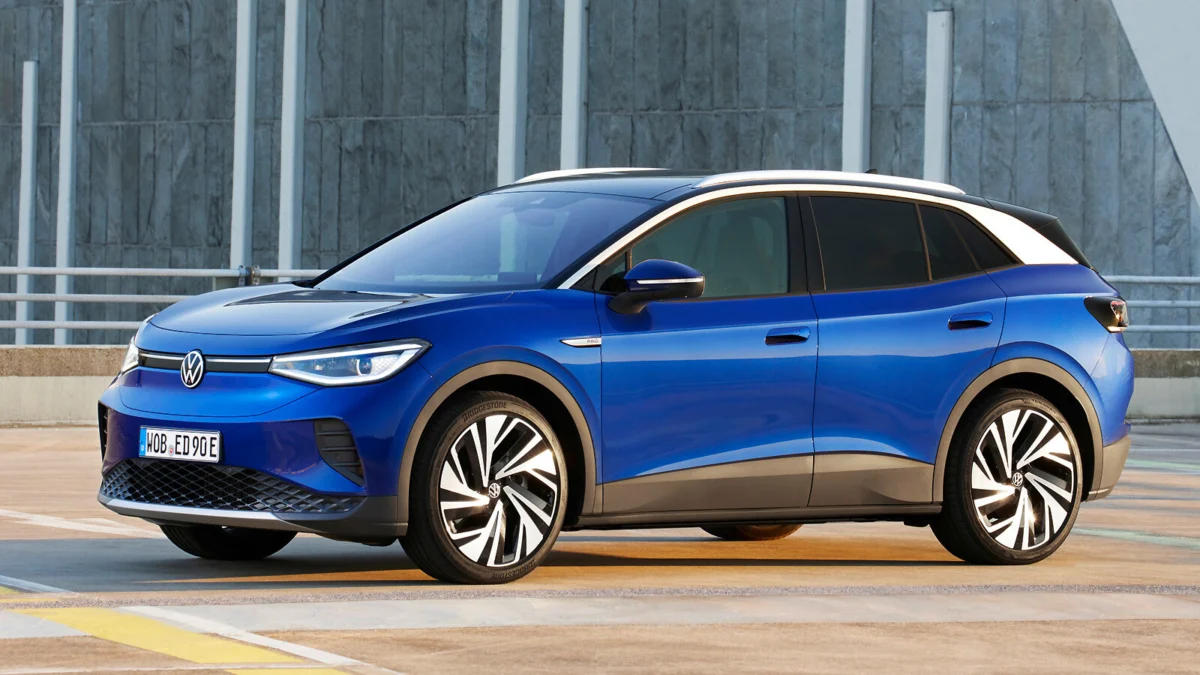
Starting Tuesday, citizens who have purchased or leased a new electric vehicle will be eligible to apply for government financial support. The program is designed to be inclusive, allowing for retroactive claims for vehicles that were newly registered starting from January 1, 2026. This retrospective clause is intended to ensure that early adopters who purchased their vehicles during the administrative transition period are not penalized.
The subsidy structure is notably more complex than previous iterations, moving away from a "one-size-fits-all" model toward a needs-based, tiered system. At the heart of the policy is the "Base Subsidy" of €3,000 for pure battery-electric vehicles (BEVs). However, the government has introduced a sliding scale based on annual household income, aiming to incentivize the adoption of EVs among middle- and lower-income households who might otherwise find the transition to electric mobility financially prohibitive.
Tiered Financial Incentives
The subsidy thresholds are structured as follows:
- Standard Tier: €3,000 base subsidy for all eligible BEVs.
- Moderate Income Tier: Households with a taxable annual income of up to €60,000 are eligible for a total subsidy of €4,000.
- Targeted Support Tier: Households with a taxable annual income of up to €45,000 are eligible for a total subsidy of €5,000.
Crucially, the government has established an "upper income ceiling" for eligibility: households with a taxable annual income exceeding €80,000 are excluded from the subsidy program. Furthermore, the policy introduces a "Family Bonus," providing an additional €500 per child, capped at a maximum of €1,000 per household.
Chronology of the Policy Rollout
The road to this announcement has been marked by administrative hurdles and shifting timelines.
- January 1, 2026: Official start date for registration eligibility. Any new vehicle registered from this date forward qualifies for the retroactive application process.
- Early May 2026: Initial reports from news agencies suggested a Monday launch for the portal. However, these reports were premature, as the Ministry had not yet finalized the technical framework or issued a formal press release.
- May 13, 2026: The Ministry officially corrected the timeline, confirming that the portal would open on Tuesday. This correction emphasizes the sensitivity of the rollout and the government’s commitment to ensuring technical stability before accepting applications.
Supporting Data: Hybrids and the Role of "Range Extenders"
While the primary focus of the government remains the full transition to pure battery-electric power, the policy acknowledges the current market reality by including a provision for plug-in hybrids (PHEVs) and vehicles equipped with "range extenders."
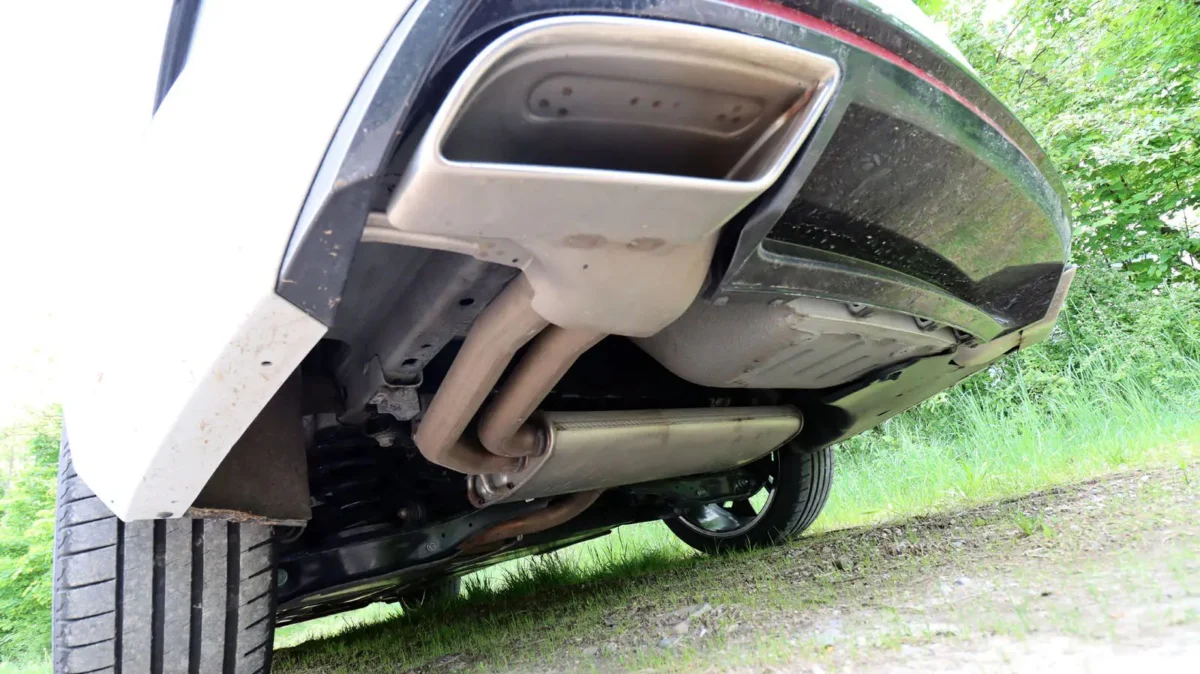
For these categories, the base subsidy is halved to €1,500. This deliberate reduction in funding reflects a clear policy preference for long-term, emission-free transport. Range extenders—essentially small, supplementary combustion engines designed to recharge the battery while on the move—have been a subject of intense debate. While they offer a solution to "range anxiety," critics argue they keep the nation tethered to fossil fuel infrastructure. By offering lower subsidies for these vehicles, the government is signaling that they view these technologies as temporary bridge solutions rather than the destination of the automotive industry.
Official Responses and Strategic Rationale
The Ministry’s decision to implement income-dependent subsidies is a response to long-standing criticism that previous EV incentive schemes disproportionately benefited high-income earners. By targeting the subsidy toward households with lower taxable income, the SPD-led initiative aims to democratize electric mobility.
Minister Carsten Schneider has framed the policy as a dual-purpose tool: "We are not just supporting the automotive industry; we are ensuring that the transition to green energy is socially equitable. A clean environment should not be a luxury reserved for the affluent."
However, the policy has not been without its detractors. Industry analysts point out that the complexity of the income-verification process could lead to administrative bottlenecks. Furthermore, some automotive lobby groups worry that the income caps might dampen demand for premium electric models, which often serve as the testing grounds for the latest green technologies.
Implications for the German Automotive Market
The implications of this policy are profound. For consumers, the retroactive nature of the subsidy provides a welcome relief, effectively lowering the purchase price of vehicles bought in the first five months of the year. For the automotive industry, the policy creates a new set of incentives that may shift manufacturing priorities.
1. Market Shift Toward Affordability
Manufacturers are likely to feel increased pressure to produce more affordable EV models. With the government effectively subsidizing the "entry-level" buyer, the market share for mid-range and compact electric vehicles is expected to surge. This aligns with broader European Union climate targets, which mandate a rapid decline in fleet-wide CO2 emissions.
2. The Infrastructure Challenge
As the government incentivizes the purchase of EVs, the focus will inevitably shift toward the sufficiency of charging infrastructure. The subsidy program is only one piece of a larger puzzle. For the policy to be successful, the rapid deployment of high-speed charging stations along the Autobahn network and in urban residential areas must keep pace with the influx of new electric vehicles on the road.
3. The End of the "Hybrid Era"?
By significantly limiting subsidies for plug-in hybrids, the government is signaling the beginning of the end for the hybrid transition. While PHEVs have been popular for their versatility, the fiscal disincentivization indicates that the German government expects manufacturers and consumers alike to commit to full electrification within the next decade.
4. Administrative Scrutiny
The digital portal’s success will be the ultimate test of the Ministry’s administrative competence. Following the confusion over the launch date, public expectation for a seamless, user-friendly, and secure application process is high. Any technical failure could lead to significant political backlash and a decline in consumer confidence.
Conclusion: A Turning Point for Green Mobility
The introduction of this tiered subsidy scheme is a bold, albeit complex, experiment in German climate policy. By linking environmental goals with social justice, the government is attempting to navigate the precarious intersection of economic growth and ecological necessity.
As the portal opens this coming Tuesday, the eyes of the European automotive industry will be fixed on Germany. Whether this tiered approach leads to a mass-market adoption of electric vehicles or creates an administrative quagmire remains to be seen. What is certain, however, is that the era of "subsidies for all" has been replaced by a more surgical, targeted approach—one that reflects the realities of a changing political and economic landscape.
For the prospective buyer, the message is clear: the government is ready to help cover the cost of the electric transition, provided that the household income and vehicle type align with the state’s vision for a sustainable future. Applicants are advised to prepare their financial documentation well in advance, as the high demand for these subsidies is expected to put the new portal under immediate, high-volume stress. As Germany navigates this transition, the success of this program will serve as a bellwether for the rest of the continent’s path toward carbon neutrality.















Leave a Reply