

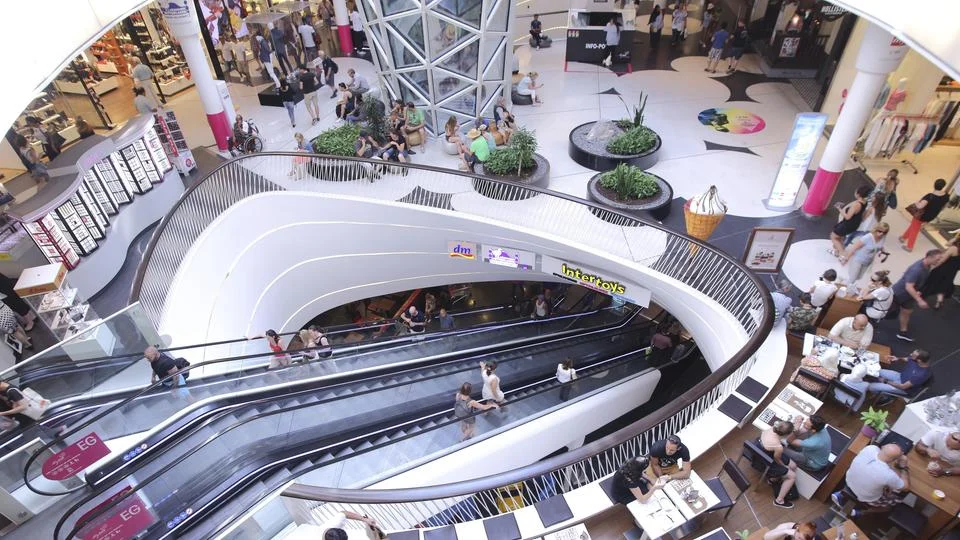
The German retail sector faces significant disruption this Friday as the trade union Verdi ramps up its industrial action in an ongoing, high-stakes dispute over wages and working conditions. Following a series of stalled negotiations and rejected offers, the union has called for nationwide walkouts, signaling a hardening of fronts between labor representatives and employers.
Main Facts: A Sector at a Standstill
Verdi, Germany’s largest service sector union, confirmed that retail employees across the country will participate in coordinated warning strikes. The move comes as a direct response to what the union describes as "insulting" and "poisoned" wage proposals submitted by employer associations in regions such as Hamburg and North Rhine-Westphalia earlier this week.
The focal point of the protests will be major urban centers, with large-scale rallies scheduled in Frankfurt, Hamburg, Stuttgart, and Dortmund. These demonstrations are intended to demonstrate the collective resolve of the workforce and to pressure the Handelsverband Deutschland (HDE)—the leading employer organization—to return to the negotiating table with a significantly improved offer.
Silke Zimmer, a member of the Verdi national board, emphasized that the current employer proposals fall drastically short of what is necessary to support workers during a period of sustained economic pressure. "These offers do not even begin to compensate for the erosion of purchasing power caused by inflation," Zimmer stated.
The Core Conflict: A Gap in Expectations
The disagreement centers on a fundamental disconnect between the union’s demands and the employers’ fiscal constraints.
The Union’s Demand
Verdi is seeking a wage increase of seven percent for employees, with a guaranteed minimum monthly increase of 225 euros. The union argues that given the high cost of living and the essential nature of retail work, such a raise is not merely a luxury but a necessity for the survival of the industry’s workforce.
The Employers’ Offer
In contrast, the HDE has proposed a staggered wage increase: a two-percent hike starting in November, followed by a further 1.5-percent increase in August 2027. Employer representatives argue that these figures reflect the precarious economic reality of the retail sector, which has been grappling with declining consumer confidence, high energy costs, and a shifting market landscape.
Chronology of the Dispute
The current friction is the culmination of months of tense, localized bargaining. Since April, regional negotiations for the retail, wholesale, and foreign trade sectors have been underway. However, progress has been glacial.
- Early Spring (April): Initial negotiations commenced across various German states. From the outset, the HDE cautioned that the economic climate offered little room for significant wage concessions.
- Mid-Summer: Tensions began to mount as both sides remained entrenched in their initial positions. While the union cited the need for inflation-adjusted wages, the HDE pointed to a shrinking profit margin in the face of digital competition and changing shopping habits.
- This Week: The submission of formal, albeit rejected, offers in Hamburg and North Rhine-Westphalia served as the catalyst for the current call for strikes. Verdi’s swift rejection of these offers marked the transition from formal dialogue to active industrial conflict.
Supporting Data and Industry Context
The scale of the dispute is vast, impacting one of the largest employment sectors in Germany. According to official figures, approximately 5.2 million people are employed in the trade sector, with 3.4 million of those working specifically in the retail industry.
The Burden of Inflation
The primary driver behind the union’s aggressive stance is the cost-of-living crisis. While inflation rates have fluctuated, the cumulative effect on household budgets has been profound. Verdi’s leadership argues that without substantial pay raises, the retail sector risks a mass exodus of talent to industries offering more competitive compensation, further exacerbating the existing labor shortage in shops and warehouses.
Historical Precedent
The previous tariff round, which covered the years 2023 to 2025, serves as a sobering reminder of the volatility of these negotiations. That round dragged on for more than a year before an agreement was reached, resulting in a total income increase of approximately 14 percent for retail workers. The fact that the previous cycle took so long to resolve suggests that this current round could be equally protracted.
Declining Tariff Binding
A concerning trend for labor economists is the declining "tariff binding"—the percentage of companies that are legally bound by collective bargaining agreements. As fewer companies adhere to these agreements, the power of unions like Verdi is challenged, and the standard of living for employees becomes increasingly fragmented across the industry.
Official Responses: HDE vs. Verdi
The rhetoric between the two parties has become increasingly polarized.
The HDE maintains that their "kaum Spielraum" (barely any room for maneuver) position is based on objective economic indicators. They argue that excessive wage hikes would force many small-to-medium-sized retailers into insolvency, ultimately leading to store closures and job losses. The association has consistently urged the union to consider the long-term sustainability of the sector rather than focusing solely on short-term wage gains.
Verdi, meanwhile, frames the issue through the lens of social justice. By labeling the employers’ offers as "poisoned," they are signaling to their members that accepting these terms would equate to a real-term wage cut. For the union, the strike is not just about money; it is about reclaiming the dignity of the retail profession and ensuring that those on the front lines of the economy are not left behind.
Implications for the Future
The implications of these strikes are twofold:
Short-term Disruption
Consumers in major German cities should expect delays, potential shop closures, and limited service as the strike takes hold. While most modern retail operations have contingency plans, a prolonged strike could severely impact the logistics and supply chains that keep stores stocked.
Long-term Structural Shifts
Looking ahead, the outcome of these negotiations will set a precedent for future labor relations in Germany. If Verdi secures a significant victory, it could bolster union influence and encourage similar demands in other service sectors. Conversely, if the HDE succeeds in holding the line, it may signal a shift in the balance of power, leading to a more individualized and decentralized wage structure that could further erode the tradition of collective bargaining in the German retail sector.
As the country prepares for Friday’s rallies, all eyes are on the negotiating rooms. Whether this strike serves as a mere warning shot or the beginning of a long, arduous industrial campaign remains to be seen. What is clear, however, is that the German retail sector is at a crossroads, with the livelihoods of millions of workers and the stability of the nation’s high streets hanging in the balance.
As the dust settles from Friday’s activities, both Verdi and the HDE will face mounting pressure from the public and the government to find a compromise. For now, the focus remains on the streets of Frankfurt, Hamburg, and beyond, where the chants of workers will serve as a stark reminder of the unfinished business in the German economy.













Leave a Reply