Berlin, Germany – Anton Hofreiter, a prominent Green Party politician and the influential Chairman of the Bundestag’s Europe Committee, has issued an impassioned and urgent call for Germany to take robust action against Russia’s illicit "shadow fleet." In a significant escalation of the debate surrounding maritime security and the enforcement of sanctions, Hofreiter explicitly urged the deployment of the Bundeswehr, Germany’s armed forces, to intercept and halt these vessels traversing German territorial waters. His critique highlights what he perceives as a striking lack of resolve from Berlin compared to other European nations, casting a spotlight on Germany’s commitment to upholding international law and sanctions against Moscow.
Hofreiter’s remarks, made during an interview on Politico’s "Berlin Playbook" podcast, underscored the perceived illegality of these operations. "The ships are operating illegally, they are breaking the laws," Hofreiter stated unequivocally. "Therefore, these ships can be stopped… ideally by the German Navy." His demands represent a growing frustration within parts of the German political establishment over what is seen as a passive approach to a clear and present danger to European security and environmental integrity.
Bundestag Committee Chair Urges Bundeswehr Intervention
As the chairman of a key parliamentary committee responsible for overseeing Germany’s relationship with the European Union, Hofreiter’s words carry considerable weight. His demand for the Bundeswehr to intervene marks a significant step, shifting the discourse from mere surveillance and condemnation to active interdiction. This call comes amidst escalating concerns across Europe about the environmental, safety, and economic risks posed by this covert shipping network.
The core of Hofreiter’s argument rests on the assertion that these vessels are not merely engaged in questionable practices but are actively violating established legal norms. Their activities, designed to circumvent international sanctions, directly undermine the collective efforts of Western nations to exert economic pressure on Russia following its full-scale invasion of Ukraine. By operating without proper insurance, often with dubious ownership structures, and frequently using outdated or poorly maintained vessels, the shadow fleet poses a tangible threat of environmental catastrophe, particularly in sensitive maritime regions like the Baltic Sea and the Danish Straits, which are vital transit points for global shipping.
Germany’s Inaction Criticized
Hofreiter did not shy away from direct criticism of Germany’s current posture, drawing a stark contrast with the proactive measures taken by some of its European neighbours. "Other countries like France or Belgium have already ‘boarded’ such ships," he pointed out. This reference to direct physical intervention by other European navies or coast guards serves as a powerful indictment of Germany’s perceived inertia.
"Germany, although a number of ships pass through German sea areas, has not really boarded a single one in recent months," Hofreiter lamented. "And therefore: No, Germany is not doing enough." This direct challenge to Berlin’s policy underscores a broader debate within the country about its role in international security and its willingness to translate political rhetoric into concrete action. The criticism implies that Germany, despite its economic power and strategic location, is lagging behind its allies in enforcing crucial sanctions, potentially weakening the overall effectiveness of the international response to Russia’s aggression.
The Anatomy of the Shadow Fleet: Circumventing Sanctions, Posing Risks
The "shadow fleet," also colloquially known as the "dark fleet," is not a new phenomenon, but its scale and brazenness have significantly increased since the imposition of Western sanctions on Russian oil exports. This clandestine network is a sophisticated mechanism engineered by the Kremlin to maintain its lucrative oil trade, thereby funding its war machine in Ukraine, despite the international community’s efforts to curtail its revenues.
Origin and Purpose: Undermining Western Price Caps
The genesis of the shadow fleet lies directly in the G7 price cap on Russian crude oil, which came into effect in December 2022, followed by a cap on refined petroleum products in February 2023. This mechanism aimed to limit Russia’s oil revenues while ensuring a stable global supply. The cap dictates that Western companies providing maritime services – including insurance, financing, and shipping – can only facilitate the transport of Russian oil if it is sold below a specified price (initially $60 per barrel for crude).
In response, Russia, determined to circumvent these restrictions and maximize its earnings, rapidly developed this parallel shipping infrastructure. The shadow fleet’s primary purpose is to operate outside the regulatory framework and oversight of Western maritime authorities and insurers. By doing so, Russia can sell its oil above the price cap to willing buyers, often in Asia, who are less bound by Western sanctions. This directly undermines the intended impact of the G7’s economic measures, allowing Russia to continue generating substantial funds for its military endeavors.
Characteristics of a Covert Operation: Old Vessels, Opaque Ownership, and Deception
The vessels comprising the shadow fleet are typically older, often past their prime, and acquired through a complex web of intermediaries. These ships are frequently purchased from their previous owners who are keen to offload aging assets that would otherwise require costly upgrades to meet modern environmental and safety standards. This often means they are less seaworthy, lack up-to-date navigation systems, and are more prone to mechanical failures.
Key characteristics of this covert operation include:
- Opaque Ownership Structures: The ships are often registered under shell companies in jurisdictions with lax oversight, making it incredibly difficult to trace their true beneficial owners. This labyrinthine corporate architecture is designed to obscure accountability and evade sanctions.
- Flags of Convenience: Many vessels fly flags of convenience from countries with less stringent maritime regulations, further complicating oversight and enforcement. These flags often belong to nations with limited capacity or political will to inspect or control their registered vessels operating globally.
- Lack of Proper Insurance: A critical concern is the absence of adequate P&I (Protection and Indemnity) insurance from reputable Western providers. This insurance is vital for covering third-party liabilities, such as environmental damage from oil spills or collisions. Without it, the financial burden of any maritime incident could fall on affected states or the global community, rather than the operators.
- Ship-to-Ship (STS) Transfers: A common tactic involves conducting STS transfers of oil cargo in open waters, often outside territorial limits, and sometimes in designated high-risk areas. This practice allows for the blending of oil, obscuring its origin, and transferring it to vessels that might appear to have legitimate paperwork, further complicating tracking and enforcement.
- Disabling AIS Transponders: Some vessels in the shadow fleet deliberately turn off their Automatic Identification System (AIS) transponders for extended periods, making them "go dark" and disappear from conventional maritime tracking systems. This allows them to operate unobserved, particularly when engaging in illicit transfers or entering sanctioned ports.
- Falsified Documentation: There are reports of vessels carrying falsified cargo manifests, origin certificates, and other shipping documents to mislead authorities about the nature and origin of their cargo.
Environmental and Safety Hazards: A Ticking Time Bomb
The proliferation of the shadow fleet represents a ticking time bomb for maritime safety and the environment. The combination of old, poorly maintained vessels, often operating without proper insurance, with inexperienced or poorly trained crews, significantly increases the risk of accidents.
- Increased Risk of Oil Spills: An oil spill from one of these substandard tankers could have catastrophic environmental consequences, particularly in enclosed or sensitive marine ecosystems like the Baltic Sea, the North Sea, or the Danish Straits. These regions are crucial for biodiversity, fishing, and tourism. The lack of proper insurance means that the cleanup costs, which can run into billions, might not be covered, leaving coastal states to bear the financial and ecological brunt.
- Collision and Grounding Risks: Older vessels are more prone to mechanical failures, navigation system malfunctions, and human error. Operating in congested shipping lanes, especially without AIS, dramatically increases the risk of collisions with other vessels or groundings in shallow waters.
- Lack of Emergency Preparedness: Without reputable insurance and oversight, it is highly unlikely that these vessels adhere to international standards for emergency preparedness, including oil spill response plans or adequate safety equipment. This means that in the event of an accident, the capacity for immediate and effective response would be severely limited.
- Broader Security Concerns: Beyond environmental and safety issues, the shadow fleet also poses broader security concerns, potentially being used for other illicit activities or for challenging maritime sovereignty in sensitive areas.
Legal and Geopolitical Complexities: Navigating International Waters
Hofreiter’s demand for intervention is not merely a political statement; it touches upon intricate aspects of international maritime law and geopolitical considerations. The ability of any nation to stop and board a foreign vessel in international waters is governed by a delicate balance of rights and responsibilities.
The Legal Basis for Intervention: Breaching International Law
Hofreiter’s assertion that these ships are "breaking the laws" implies several layers of legal transgression:
- Sanctions Violations: The most direct legal breach is the circumvention of international sanctions imposed by the EU, G7, and other allies. While sanctions are primarily national or bloc-specific laws, their deliberate and widespread evasion, particularly when involving deceptive practices, can be seen as an assault on international norms.
- Maritime Safety and Environmental Regulations: By operating without proper insurance, neglecting maintenance, and potentially falsifying documents, these vessels likely violate various international conventions, such as the International Convention for the Prevention of Pollution from Ships (MARPOL) and the International Convention for the Safety of Life at Sea (SOLAS). Flag states are responsible for ensuring their registered vessels comply, but flags of convenience often fail in this regard.
- National Sovereignty (Territorial Waters): Within a nation’s territorial waters (typically 12 nautical miles from the baseline), a coastal state has full sovereignty, subject to the right of "innocent passage." However, passage is not "innocent" if it is prejudicial to the peace, good order, or security of the coastal state. Activities like illicit oil trading, operating with unsafe vessels, or deliberate deception could be interpreted as non-innocent.
- Exclusive Economic Zone (EEZ): Beyond territorial waters, in the EEZ (up to 200 nautical miles), a coastal state has sovereign rights for exploring and exploiting natural resources. While freedom of navigation generally applies, there are provisions for enforcing environmental laws and, in certain circumstances, taking measures against vessels posing significant pollution risks.
The Challenge of Sovereignty and Jurisdiction
The legal complexities of intercepting the shadow fleet are substantial:
- Flag State Jurisdiction: Under the United Nations Convention on the Law of the Sea (UNCLOS), the flag state (the country where a ship is registered) generally has exclusive jurisdiction over its vessels on the high seas. Intervention by another state is usually limited to specific circumstances like piracy, slave trade, or unauthorized broadcasting.
- Right of Innocent Passage: Foreign ships have the right of innocent passage through territorial waters. While Hofreiter argues the passage is not innocent, proving this in real-time and establishing the legal basis for intervention requires clear evidence and a robust legal framework.
- Hot Pursuit: While the doctrine of hot pursuit allows a coastal state to pursue a foreign vessel from its territorial waters into international waters if there’s a good reason to believe it has violated the coastal state’s laws, this requires immediate and continuous pursuit.
- Risk of Escalation: Any unilateral military intervention against a foreign-flagged vessel, even if justified by international law, carries the inherent risk of diplomatic or even military escalation, especially if the vessel is perceived as state-sponsored.
Hofreiter’s Proposed Solutions: Parliamentary Mandate or EU Action
Recognizing these legal intricacies, Hofreiter suggested two primary avenues for legitimizing and strengthening German intervention:
- A Bundestag Resolution: Hofreiter believes a parliamentary resolution would provide the necessary political backing and legal clarity for the German government and the Bundeswehr to act decisively. "Necessary would be a resolution of the Bundestag. That would increase the probability that the government dares," he explained. Such a resolution would demonstrate broad political consensus, explicitly authorize the Bundeswehr for such operations, and potentially delineate the specific legal grounds and operational parameters. It would transform a discretionary executive action into a mandated national policy, reducing political hesitation and providing a stronger legal foundation for military action.
- An EU Mandate: Alternatively, Hofreiter mentioned the possibility of an EU-wide mandate for such actions. However, he acknowledged that this would be "völkerrechtlich nicht einfach" (legally not simple). An EU mandate would involve:
- Consensus among Member States: Requiring agreement from all 27 EU members, which can be challenging given diverse national interests, legal traditions, and geopolitical priorities.
- Competence Issues: Determining whether the EU has the legal competence to mandate such military or quasi-military actions for all member states, or if it would fall under intergovernmental cooperation.
- Uniform Legal Framework: Developing a harmonized legal framework for intervention that respects the sovereignty of coastal states while providing a collective response to the shadow fleet. This would involve complex negotiations and potentially amendments to existing EU treaties or new legislation.
- Operational Coordination: Establishing a joint operational command and coordination mechanism for EU navies, which would be a significant undertaking.
Despite the complexities, an EU-wide approach could offer a more robust and coordinated response, presenting a united front against Russia’s circumvention tactics and distributing the operational burden across multiple states.
European Precedents: France and Belgium Lead the Way
Hofreiter’s criticism of Germany’s inaction is underpinned by the concrete examples of other European nations that have already taken decisive steps against the shadow fleet. France and Belgium have demonstrated a willingness to translate concern into action, providing a precedent for what Hofreiter believes Germany should emulate.
Examples of Decisive Action
While specific details of every "boarding" operation are not always publicly disclosed due to operational security, reports and statements from French and Belgian authorities confirm their proactive approach:
- France: The French Navy and Coast Guard have been particularly active, especially in the Bay of Biscay and the English Channel. Their interventions have often focused on ensuring compliance with maritime safety regulations and sanctions. For instance, in early 2023, French authorities detained a tanker suspected of carrying Russian oil in violation of sanctions. While the legal nuances of each case vary, these actions typically involve:
- Intelligence Gathering: Using maritime surveillance assets (patrol boats, aircraft, satellite imagery) to identify suspicious vessels, particularly those with opaque ownership, unusual routes, or a history of AIS manipulation.
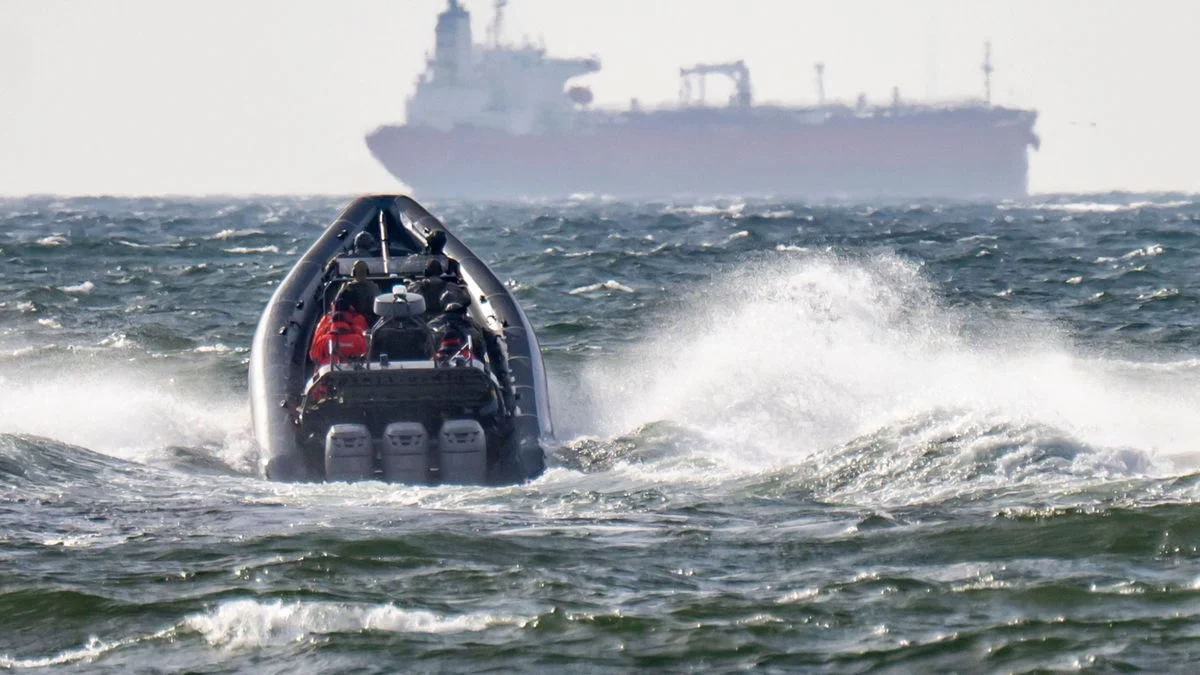
- Interception and Boarding: Dispatching naval or coast guard vessels to intercept the target ship. Boarding teams, often specialized in maritime security, then conduct inspections of the vessel, its crew, cargo manifests, and safety documentation.
- Legal Scrutiny: If violations are found – ranging from unsafe operating conditions, lack of valid insurance, to clear evidence of sanctions circumvention – the vessel can be detained, diverted to a port, and its crew and owners subjected to legal proceedings.
- Belgium: Belgium, with its crucial port of Antwerp, a major hub for oil and gas, has also been vigilant. Belgian authorities have intercepted and inspected vessels suspected of involvement with the shadow fleet, focusing on adherence to customs regulations, sanctions compliance, and environmental safety standards. Their actions often involve close coordination between customs, port authorities, and maritime law enforcement.
These interventions are often carried out under the premise of enforcing national and international maritime safety regulations, which can provide a robust legal basis even when direct sanctions enforcement against a foreign-flagged vessel on the high seas is complex. The argument is that if a vessel poses a significant environmental or safety risk, or is engaging in activities prejudicial to the coastal state’s security, intervention can be justified.
Lessons for Germany
The actions of France and Belgium offer several crucial lessons for Germany:
- Feasibility of Intervention: They demonstrate that physical intervention is operationally feasible and legally defensible when executed within a clear legal framework.
- Deterrent Effect: Such actions send a strong message to operators of the shadow fleet that their illicit activities will not go unchallenged, potentially deterring others.
- Enhanced Maritime Security: Proactive intervention contributes to overall maritime security, reducing the risks of environmental disasters and upholding international norms.
- Political Will: Ultimately, the willingness of France and Belgium to act highlights the importance of political will in confronting this challenge. Hofreiter’s criticism suggests that Germany’s political will has, thus far, been insufficient.
By citing these examples, Hofreiter is not just expressing concern; he is presenting a viable pathway for Germany to act, grounded in the precedents set by its European partners.
Germany’s Hesitation: Explaining the Reluctance
Germany’s perceived hesitation in taking direct action against the shadow fleet, as highlighted by Hofreiter, stems from a complex interplay of legal caution, political considerations, and practical constraints. While Berlin has been a staunch supporter of sanctions against Russia, its approach to direct maritime interdiction has been markedly more conservative.
Legal Scrutiny and Political Caution
- Strict Interpretation of International Law: Germany traditionally adheres to a very strict interpretation of international law, particularly UNCLOS. The legal department within the German government and the Bundeswehr often errs on the side of caution when contemplating actions that could be seen as infringing on the sovereignty of other nations or challenging the principle of freedom of navigation. The nuances of "innocent passage" versus "non-innocent passage," or the exact scope of jurisdiction in the EEZ, are subject to rigorous legal debate in Germany.
- Fear of Escalation: There is a palpable concern within certain German political and security circles about the potential for escalation. Directly boarding a Russian-linked vessel, even if justified, could be portrayed by Moscow as an aggressive act, potentially leading to retaliatory measures or diplomatic incidents. Germany, with its history and complex relationship with Russia, has often sought to avoid direct confrontations where possible.
- Political Consensus: Authorizing the Bundeswehr for such operations requires broad political consensus. While Hofreiter calls for a Bundestag resolution, achieving one might involve overcoming resistance from factions within the ruling coalition (especially the SPD) or opposition parties who might prioritize de-escalation or question the legal certainty.
- Role of the Bundeswehr: The Bundeswehr’s mandate is primarily for national and collective defense. While it does engage in international missions, expanding its role to include routine maritime policing against commercial vessels in potentially ambiguous legal situations might be seen as a significant shift in its operational profile, requiring careful political deliberation.
Resource Constraints and Operational Challenges
- Bundeswehr Capacity: Despite being a major European power, the Bundeswehr, particularly its navy (Deutsche Marine), has faced significant underfunding and equipment shortfalls for decades. While recent investments are underway, the capacity for sustained, large-scale maritime surveillance and interdiction operations across vast sea areas might be stretched. Deploying naval assets for such tasks would divert them from other training or NATO commitments.
- Operational Complexity: Identifying, tracking, and intercepting vessels in busy shipping lanes, often under cover of darkness or in challenging weather, is a complex and resource-intensive operation. It requires specialized intelligence, surveillance, and reconnaissance (ISR) capabilities, as well as trained boarding teams.
- Logistical Challenges: Once a vessel is intercepted and boarded, there are significant logistical challenges: where to divert it, who will process the crew and cargo, who bears the costs of detention, and what legal framework applies to the seized cargo.
The Broader Debate on German Foreign and Security Policy
Germany’s hesitation also reflects a broader internal debate about its foreign and security policy, particularly in the wake of the "Zeitenwende" (turning point) declared by Chancellor Scholz. While Germany has committed to increasing defense spending and adopting a more assertive foreign policy, there remains a deep-seated caution, rooted in post-war pacifism and a long history of engagement with Russia. This makes the country more prone to seeking multilateral solutions and emphasizing legal safeguards before taking unilateral or overtly confrontational actions.
The current government, a coalition of the SPD, Greens, and FDP, often navigates between different policy priorities. While the Greens, represented by Hofreiter, tend to be more vocal about human rights, environmental protection, and assertive enforcement of international law, the SPD historically has emphasized diplomacy and de-escalation, while the FDP often focuses on economic stability and legal certainty. Reconciling these different approaches when it comes to direct intervention against the shadow fleet presents a significant political challenge.
Chronology of a Growing Threat
The emergence and escalation of the shadow fleet problem can be traced alongside the development of Western sanctions against Russia.
Emergence of Sanctions and the Fleet’s Genesis
- February 2022: Russia launches its full-scale invasion of Ukraine.
- March-November 2022: Western countries, including the EU, G7, and Australia, begin imposing sweeping sanctions on Russia, targeting its financial sector, key industries, and energy exports. Discussions intensify around limiting Russia’s oil revenues.
- December 5, 2022: The G7 price cap on Russian crude oil comes into effect, setting a $60 per barrel limit for oil transported using Western maritime services. Simultaneously, the EU imposes an embargo on seaborne Russian crude oil imports. This marks the critical turning point that necessitated Russia’s creation of the shadow fleet.
- Early 2023: Reports from maritime intelligence firms and environmental organizations begin to detail the rapid expansion of a "dark fleet" or "shadow fleet" of tankers, often older and operating with opaque ownership, engaging in illicit transfers and voyages to circumvent the price cap and sanctions.
- February 5, 2023: The G7 price cap on Russian refined petroleum products (e.g., diesel, fuel oil) comes into effect, with two caps: $100 per barrel for premium products and $45 for lower-value products. This further expands the scope for shadow fleet operations.
Escalation of Concerns and International Reactions
- Mid-2023: Concerns about the environmental and safety risks posed by the shadow fleet grow significantly. Incidents of near-misses, AIS manipulation, and reports of substandard vessels in critical waterways (e.g., Danish Straits, Baltic Sea) become more frequent. Environmental groups and coastal states express alarm.
- Late 2023: European countries, particularly those with sensitive maritime zones, begin to publicly voice their concerns and, in some cases, take action. France and Belgium reportedly conduct boardings and inspections of suspicious vessels. Denmark, Sweden, and other Baltic Sea nations also express heightened vigilance.
- Early 2024: Discussions intensify within the EU and G7 about strengthening enforcement mechanisms for the price cap and addressing the shadow fleet directly. The US Treasury Department implements new sanctions targeting specific vessels and entities involved in transporting Russian oil above the price cap.
- May 2024: Anton Hofreiter makes his strong demand for Bundeswehr intervention, bringing the issue to the forefront of the German political debate and highlighting Germany’s perceived inaction compared to its allies. His statements come as the shadow fleet continues to operate with significant volume, demonstrating its resilience despite international efforts.
This chronology illustrates how the shadow fleet evolved from a nascent response to sanctions into a persistent and growing challenge that now demands a more robust and unified international response.
Official Responses and Political Divisions
Hofreiter’s outspoken demand has inevitably triggered reactions and exposed existing political divisions within Germany and the broader European context.
Divergent Views Within the German Government
While Hofreiter represents a significant voice from the Green Party, the official German government response has been more cautious and nuanced.
- Ministry of Defense (Bundeswehr): The German Ministry of Defense and the Bundeswehr would likely emphasize the legal complexities and operational implications of such an intervention. Any deployment of military assets for law enforcement tasks requires a clear legal mandate and careful consideration of rules of engagement. They would also highlight resource constraints and the need to prioritize core defense tasks.
- Foreign Office: The Foreign Office, led by Green Party co-leader Annalena Baerbock, while generally supportive of strong sanctions against Russia, would likely prioritize diplomatic avenues and multilateral coordination. They would be acutely aware of the potential diplomatic fallout from unilateral military actions and might prefer an EU-wide approach, despite its complexities, to ensure a unified and legally robust stance.
- Ministry of Transport and Digital Infrastructure: This ministry, responsible for maritime safety and shipping, would be concerned about the environmental and safety risks but might focus on strengthening port state controls, information sharing, and international cooperation rather than direct military interdiction.
- Chancellor’s Office (SPD): Chancellor Olaf Scholz’s Social Democratic Party (SPD) has historically favored a more cautious approach to military deployments and confrontation. While Scholz has led the "Zeitenwende," his government often seeks to balance assertive foreign policy with a desire for de-escalation and adherence to strict legal frameworks. A direct military intervention against commercial vessels in international waters would be a significant policy shift requiring careful deliberation and likely strong evidence of immediate threat.
The divisions reflect the inherent tension between the desire for decisive action, the adherence to legal principles, and the pragmatic considerations of resources and potential escalation. While there’s broad agreement on the illegality and undesirability of the shadow fleet, the "how" of intervention remains a point of contention.
International Pressure and EU Harmonization
Beyond Germany, there is growing international pressure for a more coordinated and effective response to the shadow fleet.
- EU Discussions: The issue is a regular topic of discussion within EU forums, including the European Council and relevant committees. There is a growing consensus that the shadow fleet undermines the integrity of EU sanctions and poses significant risks to the bloc’s maritime environment and security. Efforts are underway to improve intelligence sharing, strengthen port state control measures, and explore common legal frameworks for intervention.
- G7 Coordination: G7 nations continue to coordinate their efforts to enforce the price cap and counter sanctions circumvention. This includes sharing intelligence on vessels and entities involved in illicit trade and exploring joint diplomatic pressure.
- International Maritime Organization (IMO): While the IMO does not have enforcement powers, it plays a crucial role in setting international standards for maritime safety and environmental protection. The concerns raised by the shadow fleet’s non-compliance put pressure on the IMO and its member states to reinforce existing regulations and address the loopholes exploited by illicit operators.
An EU-wide mandate, as suggested by Hofreiter, would be the most effective way to address the legal complexities and ensure a harmonized approach. However, achieving unanimous agreement on military-grade interventions remains a significant political hurdle, requiring a shared understanding of the threat and a collective willingness to act decisively, potentially beyond traditional law enforcement roles.
Far-Reaching Implications: Credibility, Security, and Environmental Stewardship
The debate ignited by Anton Hofreiter’s demands extends far beyond the immediate issue of intercepting a few tankers. It touches upon profound implications for Germany’s international credibility, European maritime security, and the global commitment to environmental stewardship.
Upholding Sanctions and International Norms
- Credibility of Sanctions: The shadow fleet directly challenges the effectiveness and credibility of Western sanctions against Russia. If Russia can systematically circumvent these measures with relative impunity, it weakens the international community’s ability to use economic pressure as a tool of foreign policy and undermines the collective resolve against aggression. Germany’s response, or lack thereof, will be closely watched by allies and adversaries alike as a barometer of its commitment to these sanctions.
- Rule of Law: Allowing the shadow fleet to operate unchallenged in European waters, especially with its disregard for safety and environmental regulations, erodes the principles of international maritime law and the rule of law at sea. It normalizes illicit behavior and sets a dangerous precedent for other state or non-state actors seeking to exploit legal loopholes.
- Support for Ukraine: Every barrel of oil transported by the shadow fleet above the price cap translates into funds for Russia’s war effort in Ukraine. By taking decisive action, Germany would not only uphold sanctions but also indirectly contribute to limiting Russia’s financial capacity to continue its aggression, thereby bolstering its support for Ukraine.
Securing European Maritime Lanes
- Maritime Safety: The presence of a large number of unregulated, often poorly maintained vessels operating in critical and congested European shipping lanes poses a direct threat to maritime safety. Accidents involving these ships could block vital trade routes, disrupt global supply chains, and endanger other legitimate vessels.
- National Security: While the immediate threat is commercial, the shadow fleet also represents a challenge to national security. Its operations test the surveillance capabilities and responsiveness of coastal states. Moreover, the network could potentially be exploited for other illicit activities, including espionage or smuggling, further complicating the security landscape.
- Regional Cooperation: A robust response requires enhanced regional cooperation, particularly among Baltic Sea and North Sea states. Germany’s active participation would strengthen these regional security frameworks and demonstrate leadership in protecting shared maritime interests.
Protecting the Marine Environment
- Environmental Catastrophe Risk: The most immediate and tangible risk of the shadow fleet is the potential for a catastrophic oil spill. The Baltic Sea, a semi-enclosed body of water, is particularly vulnerable, as are other ecologically sensitive areas like the North Sea. A major spill would devastate marine ecosystems, fishing industries, and coastal tourism, with long-lasting and irreversible consequences.
- Accountability: By operating without proper insurance and under opaque ownership, the shadow fleet evades accountability for potential environmental damage. Germany’s action could help ensure that those responsible for such risks are held liable, reinforcing the "polluter pays" principle.
- Precedent for Future Threats: Addressing the environmental risks posed by the shadow fleet sets an important precedent for how the international community responds to future threats from unregulated or illicit shipping activities, whether driven by geopolitical conflicts, organized crime, or other factors.
Conclusion: A Pivotal Moment for German Maritime Policy
Anton Hofreiter’s forceful demands mark a pivotal moment for German maritime policy. His criticism of Germany’s perceived inaction, juxtaposed with the decisive steps taken by countries like France and Belgium, underscores a growing urgency to address the multifaceted threats posed by Russia’s shadow fleet.
The choice before Germany is clear: to continue with its cautious approach, relying primarily on diplomatic pressure and indirect measures, or to embrace a more robust, interventionist stance. This decision will not only define Germany’s immediate response to a pressing security and environmental challenge but will also shape its long-term credibility as a reliable enforcer of international law, a committed partner in European security, and a responsible steward of the marine environment. Whether through a Bundestag resolution, a concerted EU mandate, or a combination of both, the call for decisive action is growing louder, urging Germany to step out of the shadows of hesitation and into a more proactive role on the high seas.