In a move that promises to reshape the computing landscape, Apple has officially set the stage for a product event on October 28. Industry insiders and tech analysts are bracing for what is arguably the most significant architectural and functional shift in the history of the MacBook line: the introduction of a touch-capable OLED display. This departure from long-standing design philosophies marks a pivotal moment for a company that has, for nearly two decades, staunchly rejected the integration of touch interfaces into its professional laptop series.
Main Facts: The New MacBook Pro Paradigm
The upcoming MacBook Pro is expected to be more than just a hardware refresh. According to reports from Bloomberg’s Mark Gurman, the device will introduce a high-end tier positioned above the current MacBook Pro lineup. Key hardware highlights include:
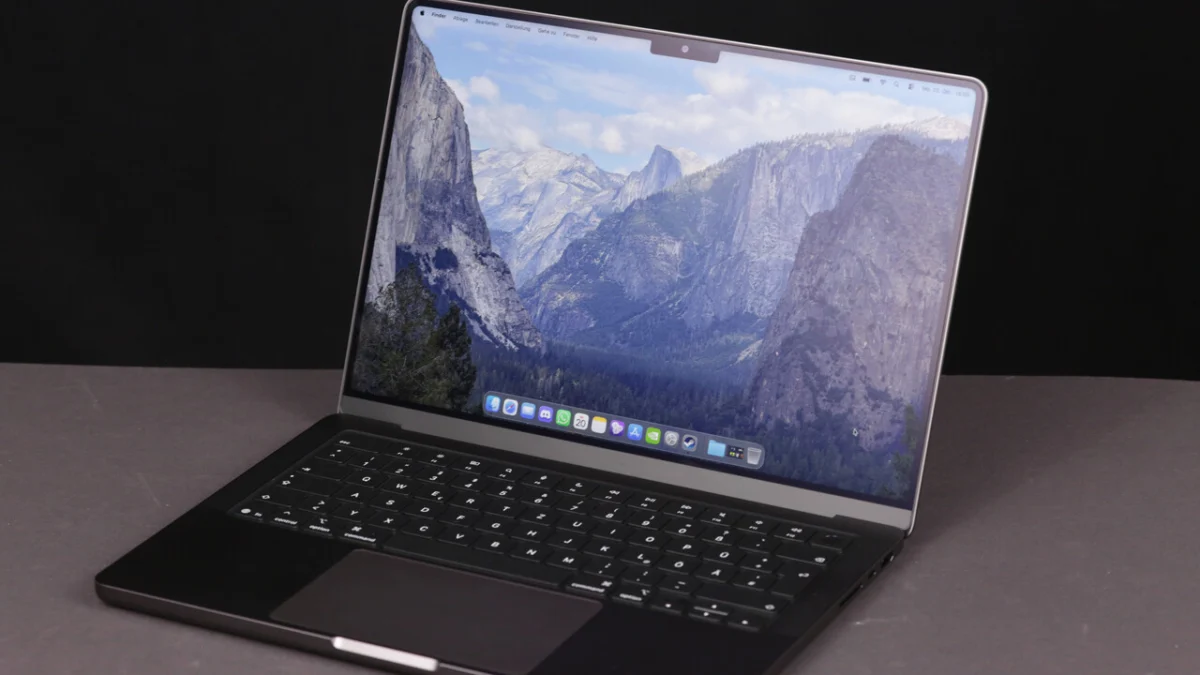
- OLED Touch Integration: The defining feature is the transition to a high-resolution, touch-enabled OLED display. Unlike previous iterations, this screen is designed for tactile interaction, representing a fundamental change in how users interface with macOS.
- Design Overhaul: The new flagship model is rumored to feature a slimmer, lighter chassis, incorporating the “Dynamic Island”—a design language already familiar to iPhone users—into the top bezel of the display.
- Premium Pricing: Reports indicate that this new model will command a price tag significantly higher than current Pro offerings. With current MacBook Pro models (utilizing M-series Pro/Max chips) starting at $2,899, industry analysts anticipate a starting price point exceeding $3,000.
- Segmented Strategy: While the new touch-enabled model will target the premium professional sector, Apple intends to maintain the existing Mini-LED MacBook Pro models in its current lineup, ensuring that users who prefer a traditional workflow still have access to established hardware.
Chronology: From Resistance to Integration
The history of Apple’s relationship with touch-screen laptops is characterized by intense, public skepticism. To understand the gravity of the upcoming October 28 announcement, one must look back at the company’s long-standing stance.
The Era of "Gorilla Arm"
In 2010, the late Steve Jobs famously articulated the ergonomic argument against touch screens on laptops. During an Apple event, Jobs stated, "Touch surfaces don’t want to be vertical. It gives great demo but after a short period of time, you start to fatigue and after an extended period of time, your arm wants to fall off. It doesn’t work; it’s ergonomically terrible."
This sentiment was echoed in 2012 by Tim Cook, who famously compared the convergence of laptops and tablets to "mixing a toaster and a refrigerator." For years, this "toaster-fridge" analogy served as the cornerstone of Apple’s marketing strategy, emphasizing the distinct utility of the iPad (touch-first) versus the Mac (keyboard/mouse-first).
The Touch Bar Experiment (2016–2023)
In 2016, Apple attempted a middle ground with the "Touch Bar," a digital strip replacing the physical function keys. While innovative, it struggled to find widespread developer support and user affection. By 2021, Apple began phasing the feature out, and by 2023, the Touch Bar was officially discontinued. Critics initially feared the new touch-screen MacBook might face a similar fate, but industry experts suggest that because the new screen does not replace the keyboard but rather adds an optional input layer, it avoids the fundamental usability issues that plagued the Touch Bar.
Supporting Data: Technical Specifications and Hardware
A point of interest for hardware enthusiasts is the processing power behind the new flagship. Current leaks suggest that rather than debuting an entirely new "Ultra" chip, Apple may leverage refined versions of its current M5 Pro and M5 Max processors.
The logic behind this decision is twofold:
- Chip Bifurcation: The M6 generation of silicon is reportedly slated for the entry-level MacBook Pro, which will remain a traditional, non-touch, non-OLED device.
- Focus on Display Tech: By utilizing existing, powerful M5 architecture, Apple can focus the R&D budget on the complex integration of the OLED touch panel and the necessary thermal management required for a thinner, lighter chassis.
Furthermore, the operating system, macOS 27, has been specifically tailored to handle touch inputs. Internal tests suggest that the OS will utilize a dynamic UI that responds to finger proximity. For instance, tapping a specific UI element may trigger an expanded menu designed for high-accuracy touch interaction, ensuring that even with the limitations of a vertical display, the experience remains intuitive.
Official Responses and Internal Shift
The shift toward touch is not a sudden whim but a response to evolving consumer expectations. Reports suggest that under the leadership of CEO Tim Cook and new leadership figures like John Ternus, Apple has conducted extensive internal research.
Sources within Apple note that while the company acknowledges the ergonomic concerns raised by Jobs and others, internal data suggests that a significant segment of the professional user base has grown accustomed to touch inputs through their iPads and iPhones. By making the touch functionality "optional," Apple aims to bridge the gap between legacy efficiency and modern expectations. The goal is to provide the user with the choice of input, rather than forcing a touch-first paradigm that would hinder long-form content creation or complex editing tasks.
Implications for the Industry
The introduction of a touch-capable MacBook Pro carries massive implications for the broader laptop market.
Competitive Pressure
Windows-based laptops have featured touch screens for over a decade. By entering this space, Apple is effectively validating the form factor for the high-end professional market, which may force competitors to rethink their own ergonomic designs. If Apple’s implementation of macOS 27 proves successful, it could set a new standard for how operating systems manage hybrid input methods.
The "Ergonomic" Barrier
Despite the technological prowess of the upcoming model, the fundamental issue of ergonomics remains. Critics continue to argue that "reaching up" to a screen for extended periods is physically taxing. Apple is clearly aware of this, which is why the device is being marketed as a premium, supplemental tool rather than a replacement for the traditional MacBook Pro. The success of the device will likely hinge on whether third-party developers adopt the touch-friendly APIs in macOS 27.
Future Roadmap
The October 28 event will likely offer a glimpse into the future of Apple’s entire hardware portfolio. Beyond the new MacBook Pro, the company is expected to announce:
- iPad mini with OLED: A significant refresh of the smallest tablet in the lineup, which is also expected to see a sharp price increase.
- M6-powered iMacs: A continuation of the move toward the latest silicon for the desktop market.
While the MacBook Air and the standard iMac are not expected to receive OLED touch panels in the immediate future, this move signals a long-term transition. Apple is laying the foundation for a future where the distinction between its computing platforms—the Mac and the iPad—continues to blur, potentially leading to a unified ecosystem where the hardware adapts to the task, rather than the user adapting to the hardware.
As the tech world converges on this announcement, the question remains: Can Apple overcome the "toaster-fridge" skepticism of its own past? If the engineering behind the new OLED display and the responsiveness of macOS 27 are as refined as rumors suggest, the October 28 event may be remembered as the day Apple finally solved the ergonomic puzzle of the vertical touch interface.