In the lush heart of Ghana, a silent war is being waged—not with weapons, but with shovels, mercury, and heavy machinery. As global gold prices soar, the nation’s fertile landscapes are being systematically dismantled, transforming productive cocoa plantations into toxic, cratered wastelands. A joint investigation by Y-Kollektiv and the ARD Climate Editorial Team exposes the devastating environmental and socio-economic consequences of both legal and illegal mining, revealing a future where the cost of gold may be the loss of a nation’s food security and clean water.
The Core Crisis: A Landscape in Peril
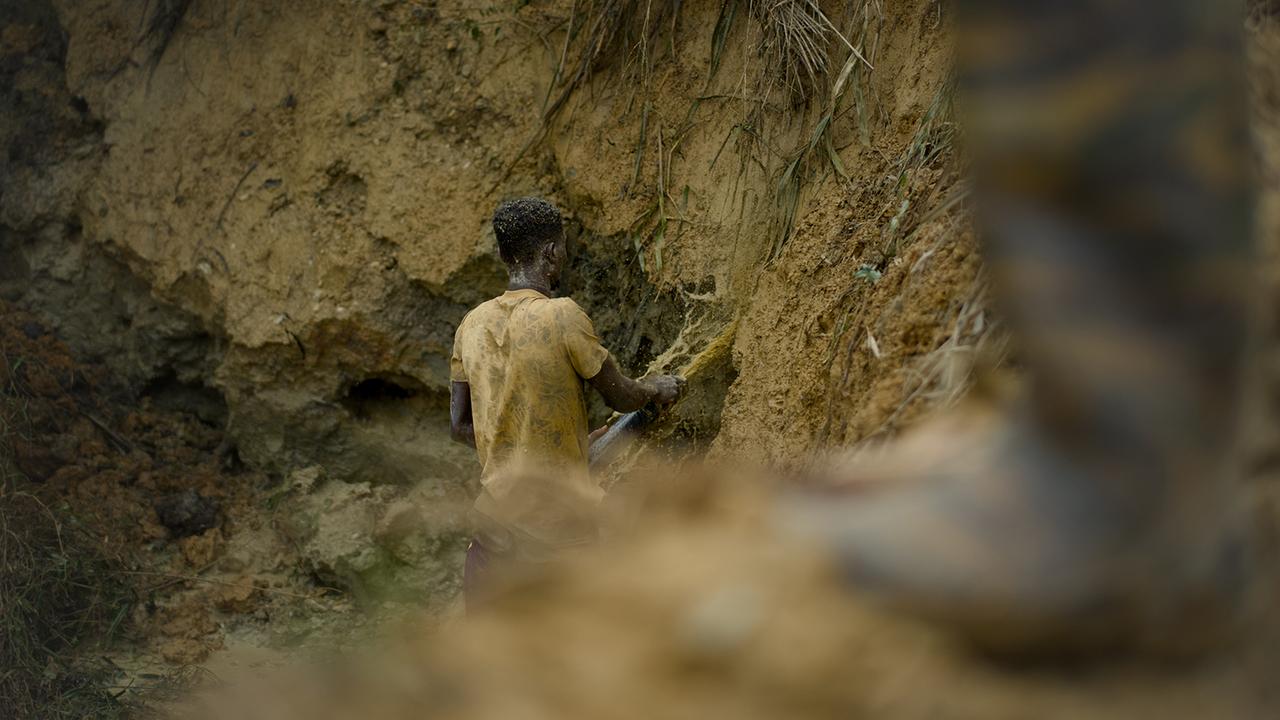
Ghana, long celebrated as a global leader in cocoa production, currently faces an existential threat. The nation’s rainforests, once carbon-sequestering giants, are being cleared at an alarming rate to make way for mining pits. These operations, ranging from large-scale corporate entities to small-scale, unregulated "galamsey" (illegal mining) sites, have left the landscape scarred with massive, water-filled craters.
For many Ghanaians, the allure of quick wealth is irresistible. However, the reality on the ground is a grim cycle of environmental degradation. Cocoa farmers, who have stewarded this land for generations, are now finding their livelihoods undermined by an industry that prioritizes short-term extraction over long-term sustainability. The removal of cocoa trees—vital for carbon sequestration—is not only hurting the local economy but also accelerating the regional impact of climate change.
Chronology of an Environmental Collapse
The transformation of Ghana’s rural interior has been gradual but accelerating over the past two decades.
- Pre-2000s: Agriculture, particularly cocoa, remained the bedrock of the Ghanaian economy, with mining largely confined to traditional, controlled areas.
- 2005–2015: As gold prices began a steady climb on the global market, artisanal mining saw a massive influx of local and foreign labor. The "galamsey" phenomenon moved from a localized activity to a widespread, industrialized nuisance.
- 2016–2020: The conversion of farmland to mining pits spiked. Reports of mercury contamination in river systems became frequent, prompting the government to initiate several crackdowns, though often with limited success.
- 2021–2026: The current era. The encroachment into protected forest reserves has reached critical levels. Scientific monitoring now shows that the cumulative damage to groundwater tables and surface water purity has transitioned from a localized agricultural problem to a national public health and water security crisis.
Supporting Data: The Science of Contamination
The environmental impact is not merely anecdotal; it is measurable and alarming. Dr. Evans Manu, a researcher from the Technical University (TU) of Darmstadt, has spent years studying Ghana’s water security. His findings paint a bleak picture:
- Water Toxicity: Mining operations use high-pressure water jets to blast soil from the earth. The resulting slurry is processed through sluice boxes to capture gold dust, after which the heavily sedimented, chemical-laden water is discharged directly into local rivers.
- Mercury Pollution: The use of mercury to bind with gold is rampant. Once the gold-mercury amalgam is heated, the mercury vaporizes into the atmosphere, while the remaining waste is dumped into the soil and water. This heavy metal persists in the food chain, posing severe neurological risks to local populations.
- Groundwater Contamination: Dr. Manu notes that the "next water crisis will be beneath our feet." The infiltration of toxic mining runoff into the water table means that even clean-looking wells may soon become unusable.
- Carbon Loss: Every hectare of cocoa plantation or rainforest cleared for mining represents a double blow to the climate: the loss of existing carbon storage and the cessation of future CO2 absorption.
The Human Cost: A Farmer’s Perspective
Edwin Ntaah, a 22-year-old cocoa farmer, represents the generation caught in the middle of this crisis. Despite offers of large sums of money to sell his family’s land for mining exploration, he has resisted. "I am worried about Ghana’s future," Ntaah states. "We are losing more and more land. We don’t know when it will stop."
For Ntaah, the struggle is daily. His farm, which once relied on the nearby river for irrigation, now requires the manual transport of water. The river, once a lifeblood, is now so contaminated with industrial waste and chemicals that it is toxic to his crops. This forced transition to inefficient, labor-intensive farming methods is a microcosm of the systemic economic instability caused by the gold rush.
Official Responses and Policy Failures
The Ghanaian government has frequently promised to tackle the issue of illegal mining, often utilizing police and military force to dismantle equipment. However, corruption and the sheer economic desperation of the local population make enforcement difficult.
Critics point out that the state’s approach has been reactive rather than structural. By failing to provide viable economic alternatives for rural youth, the government has essentially left a vacuum filled by the high-risk, high-reward prospect of illegal mining. The state-run water utility, the Ghana Water Company, has recently issued warnings that the country may soon need to resort to importing drinking water—a staggering prospect for a nation rich in natural resources.
Broader Implications: A Nation at a Crossroads
The crisis in Ghana serves as a cautionary tale for the Global South, where the demand for precious metals by the global North often translates into the destruction of vital ecosystems.
1. Food Security
As arable land is turned into mining pits, Ghana’s capacity to feed its own population and sustain its cocoa export market—a major source of foreign exchange—is shrinking. When the gold runs out, the land will be too contaminated and structurally damaged to revert to agriculture, leading to long-term rural poverty.
2. The Climate Connection
The loss of the rainforest is not just a local tragedy; it is a global one. These ecosystems are vital buffers against the climate crisis. By permitting the deforestation for gold, the region is exacerbating the very heatwaves and droughts that threaten its future water supply.
3. Public Health
The cumulative effect of mercury exposure and the loss of clean water infrastructure poses an intergenerational health threat. Children in mining-affected areas are at the highest risk, with long-term exposure to heavy metals leading to developmental issues that will impact the nation’s human capital for decades.
4. A Call for Transparency
The global gold supply chain is notoriously opaque. Consumers in Europe, North America, and Asia rarely see the craters in the rainforest or the sludge in the rivers when they purchase jewelry or invest in gold. The investigation by Y-Kollektiv serves as a stark reminder that ethical sourcing must move beyond marketing rhetoric to actual, on-the-ground accountability.
Conclusion: The Path Forward
The situation in Ghana is a testament to the fact that resource extraction, when unregulated and predatory, is not development—it is liquidation. The preservation of the remaining cocoa farms and the rehabilitation of the rivers are not just environmental priorities; they are essential for the survival of the nation.
Without rigorous enforcement of land-use laws, investment in sustainable agricultural alternatives, and a global commitment to clean supply chains, Ghana faces a future where the gold it produces is paid for with its very lifeblood: its water, its soil, and its people’s health. As Edwin Ntaah looks out over his trees, he is not just defending a farm; he is defending the possibility of a future in a land that is currently being hollowed out from within.
For further viewing, the documentary "Tödliches Gold" (Deadly Gold) by Y-Kollektiv is available in the ARD Mediathek, offering an immersive look into the lives of those on the front lines of this environmental battle.