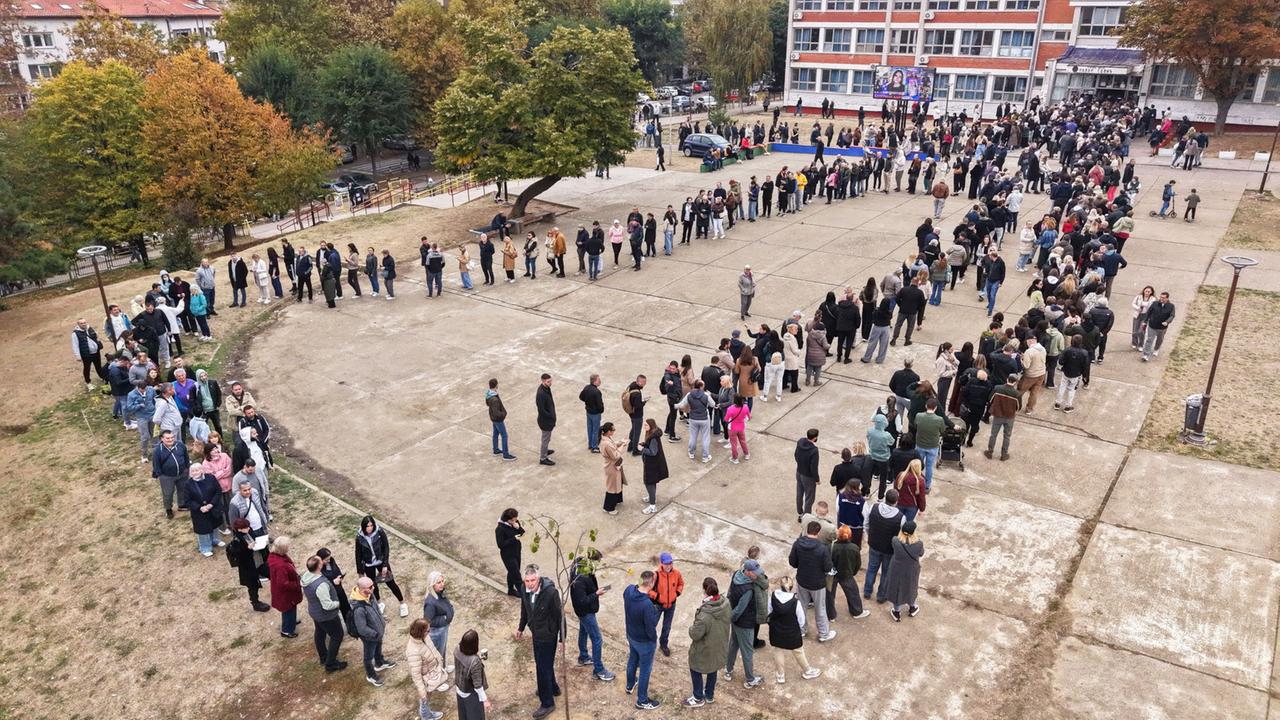
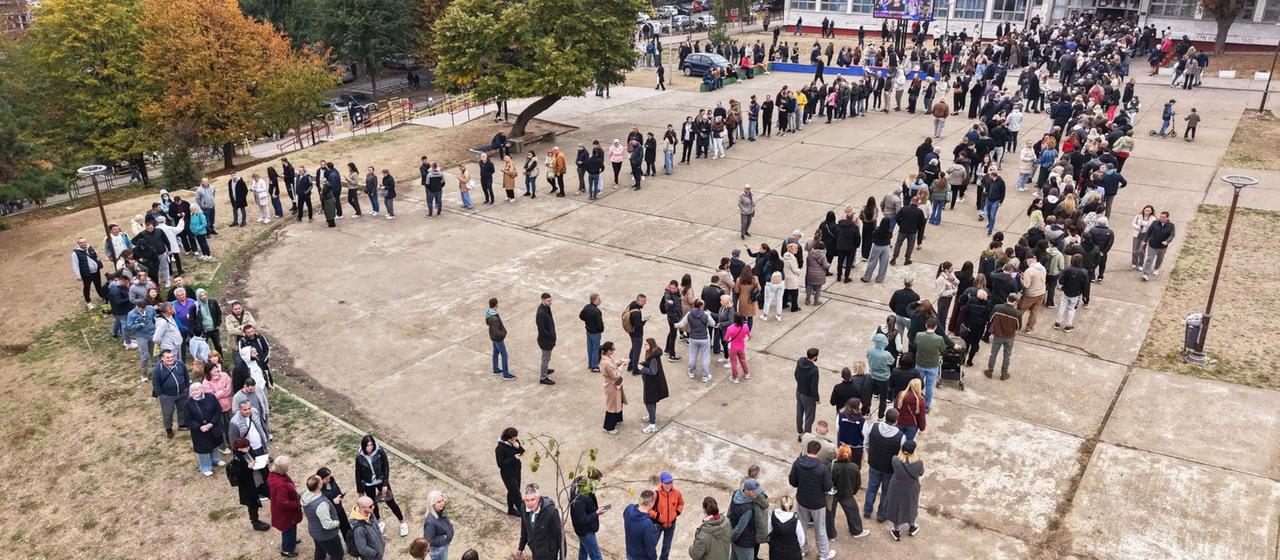
Belgrade, Serbia – October 25, 2026 – Serbia is experiencing a surge in electoral participation, with long queues forming outside polling stations across the nation on this pivotal election day. Early indicators suggest a significantly higher turnout than in previous parliamentary elections, a phenomenon largely attributed to the energetic mobilization efforts of a burgeoning student protest movement. This movement, fielding an independent list of 250 experts, is banking on this surge to usher in a wave of much-needed change. However, the incumbent President Aleksandar Vučić also commands a dedicated base of supporters who prioritize stability and continuity. As the day unfolds, the specter of past electoral controversies looms large, with early reports of irregularities raising concerns about the integrity of the process.
Main Facts: A Nation Divided at the Ballot Box
The election, held on October 25, 2026, has seen an unprecedented mobilization of voters, with independent observers noting a substantial increase in participation by mid-afternoon. The student-led initiative, presenting a united front of academics, professionals, and civil society representatives, has captured the imagination of many Serbians disillusioned with the current political landscape. Their platform centers on a promise of radical reform and a departure from what they describe as an era of "intentionally created apathy" by the ruling party.
Conversely, supporters of President Vučić express a strong desire for continued stability and economic progress. They view his leadership as essential for navigating complex geopolitical challenges and maintaining the country’s trajectory towards European integration. For these voters, the perceived risks of political upheaval outweigh the promises of sweeping change.
The backdrop to this election is a history marred by accusations of electoral fraud and manipulation. This year, however, the student movement has deployed a robust network of election observers to every polling station, aiming to ensure a more transparent and accountable process. Despite these efforts, early reports from observers suggest that the battle for democratic integrity is already underway, with concerning incidents of alleged ballot photography and potential pressure on voters being documented.
Chronology of a Pivotal Election Day
Morning (8:00 AM – 12:00 PM): A Stirring Start
As polling stations opened their doors across Serbia, a palpable sense of anticipation filled the air. Initial reports from the capital, Belgrade, indicated a steady stream of voters, with many lining up even before the official start time. The independent election observation institute, Cirta, reported a preliminary turnout of approximately 41 percent by 1:00 PM, a significant leap from the 26 percent recorded at the same hour during the last parliamentary elections. This early surge was widely interpreted as a testament to the success of the student movement’s intensive grassroots campaigning and their ability to energize a previously disengaged electorate.
Midday (12:00 PM – 4:00 PM): The Voices of the Electorate Emerge
Interviews conducted at polling stations in central Belgrade revealed a clear division in voter sentiment. Many voters encountered were ardent supporters of the student-led list, expressing a deep-seated desire for change. One elderly woman, a pensioner, articulated a common sentiment: "I expect changes, drastic changes. The many people who are going to vote today have clearly followed the students’ call to cast their ballots as early as possible."
A young man echoed this sentiment, stating, "We expect that we can change something. It cannot go on like this. This time we have enough election observers, so that any electoral fraud can be uncovered. That so many people are voting now shows that there are not so many undecided people anymore. There is now someone to vote for. Fewer people used to vote. There was an intentionally created apathy by the government." These statements highlight a perceived failure of the current administration to address the concerns of ordinary citizens and a hope that the student movement can offer a genuine alternative.
However, the narrative was not exclusively one of change. Voters aligned with President Vučić’s Serbian Progressive Party (SNS) also made their voices heard, emphasizing their preference for stability and continuity. One such voter declared, "I expect peace and stability. The country is progressing and it should continue like this. This can only happen with the current President Aleksandar Vučić, if he becomes Prime Minister. I still remember the early 2000s, when I lost my job three times. And regarding the problems with EU accession, the EU does not want Serbia. It’s not up to us." This perspective underscores the concerns about economic security and the perceived geopolitical realities that influence voter decisions.
Afternoon (4:00 PM – 8:00 PM): Shadows of Doubt and Vigilance
As the afternoon progressed, reports of irregularities began to surface, casting a shadow over the otherwise high turnout. Election observers from the student list documented instances of voters photographing their ballots. Michaelo Dedir, a law student and election observer at the Scadarlia elementary school polling station in Belgrade, described one such incident. "The chairman called the police because we had voters here who were photographing their ballots. The election observers from Vučić’s SNS party then came. The officials told us that photographing was okay. We from the student list see it differently. Because this is a violation of the secrecy of the ballot. However, the police did not react. They said they had nothing to do with it."
According to the independent observation institute Cirta, this practice of photographing ballots was reported in approximately one in every four polling stations by midday. Past elections have seen allegations that public sector employees, heavily reliant on the ruling party, were pressured to vote for the SNS and prove their allegiance through photographic evidence. This year’s increased vigilance from election observers aims to expose and challenge such practices.
Evening (8:00 PM onwards): The Uncertainty of the Outcome
As polling stations closed at 8:00 PM, a tense atmosphere prevailed. President Vučić, after casting his vote, projected an image of democratic conviction, stating, "I believe that today the democratic will of the citizens will be shown, and as I have always said, one can win and lose elections. We will show ourselves to be responsible. If we lose the elections, we will acknowledge it. And if we win, then no one will take the victory away from us."
Despite Vučić’s assurances, the high turnout and the allegations of irregularities have created an uncertain scenario for the evening and the days to come. The student movement, buoyed by the impressive voter engagement, anticipates a decisive victory. However, should the official results deviate significantly from their expectations, the potential for widespread protests remains a distinct possibility, echoing the civil unrest that has characterized Serbian politics in the past.
Supporting Data: A Significant Shift in Electoral Engagement
The most striking piece of data emerging from this election is the dramatic increase in voter turnout. Cirta’s preliminary figures indicate a near doubling of participation by 1:00 PM compared to the previous parliamentary election. This surge is not merely a statistical anomaly; it represents a powerful signal of public engagement and a clear indication that a significant portion of the electorate is seeking a departure from the status quo.
The student movement’s success in mobilizing voters can be attributed to several factors:
- A Clear Message of Change: Their platform resonated with voters frustrated by perceived corruption, economic stagnation, and a lack of democratic accountability.
- Effective Grassroots Campaigning: The movement engaged in extensive door-to-door campaigning, social media outreach, and public forums, directly connecting with citizens across various demographics.
- The "Expert List" Appeal: Presenting a slate of 250 respected academics, professionals, and civil society figures lent credibility and offered a vision of competent governance.
- Leveraging Discontent: The movement capitalized on widespread dissatisfaction with the ruling party, offering a tangible alternative for those who felt unrepresented.
The demographic breakdown of this increased turnout is yet to be fully analyzed, but early observations suggest a strong showing among younger voters and those in urban centers, traditionally more inclined towards reformist agendas.
Official Responses: Assurances and Allegations
President Aleksandar Vučić’s Stance:
President Vučić, a dominant figure in Serbian politics for over a decade, projected an image of confidence and commitment to democratic principles. His public statements emphasized the importance of the citizens’ will and the readiness of his party to accept the election outcome, whether victory or defeat. He stated, "I believe that today the democratic will of the citizens will be shown, and as I have always said, one can win and lose elections. We will show ourselves to be responsible. If we lose the elections, we will acknowledge it. And if we win, then no one will take the victory away from us."
This message, while outwardly reassuring, is also interpreted by some as a strategic attempt to preemptively frame any potential challenges to the results. His administration has consistently promoted a narrative of stability and progress under his leadership, often highlighting economic development and international standing.
The Student Movement’s Concerns:
The student movement, while celebrating the high turnout, has voiced significant concerns regarding the integrity of the electoral process. Their primary worry revolves around the persistent issue of electoral fraud, particularly the practice of voters photographing their ballots. This method, they argue, is a clear violation of electoral secrecy and a tool for coercion, especially for those employed in the public sector who may be pressured to demonstrate their loyalty to the ruling party.
Their deployment of numerous election observers is a direct response to this historical concern. These observers are tasked with documenting any irregularities and ensuring that the will of the voters is accurately reflected in the final count. The reported incidents of ballot photography and the alleged inaction of law enforcement in some instances have amplified these concerns, creating a tense environment as the results are awaited.
Election Observation Institutes:
Independent election observation institutes like Cirta play a crucial role in providing objective data and assessments of the electoral process. Their role is to monitor the conduct of the election, identify any violations of electoral law, and report their findings to the public and relevant authorities. The detailed reporting by Cirta on the high turnout and the prevalence of ballot photography provides vital evidence for assessing the fairness of the election. Their continued monitoring throughout the vote counting process will be critical in shaping public perception and informing any potential disputes.
Implications: A Crossroads for Serbia
The outcome of this election holds profound implications for the future trajectory of Serbia. The high voter turnout, regardless of the final results, signifies a deep yearning for change and a greater degree of political accountability.
For the Student Movement and Pro-Reform Forces:
A decisive victory for the student-led coalition would signal a significant political realignment in Serbia. It would represent a mandate for a new era of governance, characterized by transparency, accountability, and a renewed focus on democratic institutions. However, the challenges ahead would be substantial, including navigating a complex economic landscape, addressing deep-seated corruption, and managing international relations. A contested or narrowly won election, even with a victory, could lead to prolonged political instability and public distrust.
For President Vučić and the Incumbent Party:
Should the incumbent party secure another term, it would suggest that the desire for stability and continuity has, for a significant portion of the electorate, outweighed the calls for radical change. This outcome might be interpreted as a validation of their policies and a sign that their message of progress and national interest has resonated effectively. However, the high turnout for the opposition also indicates a significant segment of the population remains dissatisfied, posing a potential challenge to their long-term governance.
For Democratic Integrity and Regional Stability:
The allegations of electoral irregularities, if proven to be widespread and systemic, could have far-reaching consequences. They risk undermining public faith in democratic processes, potentially leading to increased political polarization and social unrest. For a region still grappling with its post-conflict past, the stability and democratic health of Serbia are of paramount importance. A contested election outcome, or one perceived as illegitimate, could have ripple effects across the Western Balkans, impacting regional cooperation and stability.
The coming hours and days will be critical as Serbia awaits the official results. The high stakes, coupled with the deep divisions within the electorate and the lingering concerns about electoral integrity, point towards a potentially volatile period as the nation grapples with its political destiny. The events of October 25, 2026, are poised to be a defining moment in Serbia’s ongoing journey towards a more democratic and prosperous future.