Main Facts: The Stakes of October 27th
As Israel grapples with the profound aftermath of the October 7, 2023, Hamas massacre and the ensuing conflict, the nation faces a critical juncture. Amidst widespread calls for accountability and a re-evaluation of national leadership, a snap parliamentary election, potentially slated for October 27th, is becoming an increasingly urgent topic of discussion. This hypothetical, yet highly anticipated, vote would be the first opportunity for Israelis to formally express their will since the devastating attacks, determining whether Prime Minister Benjamin Netanyahu and his deeply divided, partially far-right coalition will continue to govern, or if a new political era is on the horizon.
The forthcoming election is more than a routine democratic exercise; it is a referendum on leadership, security, and the future direction of a nation scarred by trauma and engaged in multiple conflicts. The central question for voters will be stark: continuity under Netanyahu, a figure whose political resilience has been repeatedly tested, or a "new beginning" under an alternative leadership, most prominently championed by figures like former military chief Gadi Eisenkot.
Benjamin Netanyahu, Israel’s longest-serving prime minister, leads a coalition that, prior to October 7th, was already facing unprecedented domestic unrest over its controversial judicial overhaul plans. His government includes ultranationalist and ultra-Orthodox parties, whose policies have often been at odds with significant segments of Israeli society. Despite his decades of experience and reputation as "Mr. Security," the events of October 7th have severely eroded public trust in his ability to safeguard the nation. Critics point to intelligence failures, a perceived lack of preparation, and the government’s subsequent handling of the war as reasons for a change in leadership.
Challenging Netanyahu is Gadi Eisenkot, a former Chief of Staff of the Israel Defense Forces (IDF) and a prominent member of the National Unity party led by Benny Gantz. Eisenkot has positioned himself as a voice of reason and experience, contrasting sharply with Netanyahu’s often polarizing style. While his military credentials are undisputed, his specific political platform beyond a general "anti-Netanyahu" stance remains less defined for many voters. His appeal lies in his perceived integrity, military background, and the promise of a more unified, pragmatic leadership in a time of crisis. The election will, therefore, pit the established, albeit embattled, leadership against a burgeoning opposition seeking to capitalize on national disillusionment and a yearning for stability and renewed trust.
The election will also shine a harsh light on the role of various political blocs, including the Arab parties, whose influence in forming a stable government has often been underestimated. Furthermore, it will probe the very existence and viability of a "left-wing Israeli" voice in a political landscape increasingly dominated by security concerns and nationalist sentiment. The transformation of Israel’s political topography since October 7th, marked by military operations extending into Gaza, Lebanon, and even Iran, will undeniably shape voter priorities and potentially redraw the contours of power. The ultimate outcome remains uncertain, but its implications for Israel’s domestic stability, security doctrine, and regional standing are profound.
A Traumatic Timeline: From Judicial Overhaul to War
The path to Israel’s current political ferment is rooted in years of intense domestic strife and regional instability, culminating in the seismic events of October 7th. Understanding this trajectory is crucial to grasping the stakes of the upcoming election.
Pre-October 7th: Years of Political Gridlock and Societal Division
For several years preceding the Hamas attack, Israeli politics was characterized by an unprecedented period of instability, marked by five national elections between 2019 and 2022. Each election cycle struggled to produce a stable governing coalition, often leading to stalemates and short-lived governments. This era saw the rise of Benjamin Netanyahu as a dominant, yet increasingly controversial, figure. His ongoing corruption trials became a recurring theme, fueling both his supporters’ claims of a politically motivated witch hunt and his opponents’ demands for his resignation.
The most recent Netanyahu government, formed after the November 2022 elections, was notable for its inclusion of far-right and ultra-Orthodox parties, shifting the political center significantly to the right. This coalition embarked on an ambitious and highly contentious plan for judicial overhaul, aiming to curb the power of the Supreme Court. The proposed reforms ignited a nationwide protest movement, arguably the largest in Israel’s history, bringing hundreds of thousands of citizens to the streets weekly. Military reservists threatened to refuse service, the economy showed signs of strain, and societal divisions deepened to an alarming degree. Critics warned that the reforms threatened Israel’s democratic character, while proponents argued they were necessary to restore balance between the branches of government. This internal turmoil consumed national attention and resources, diverting focus from critical security challenges and creating a deeply polarized society.
The October 7th Massacre: A Nation’s Trauma and a Call for Unity
The relative calm of the Jewish holiday of Simchat Torah on October 7, 2023, was shattered by an unprecedented, coordinated assault by Hamas from the Gaza Strip. Thousands of militants breached Israel’s supposedly impenetrable border, infiltrating southern communities, massacring over 1,200 people – mostly civilians – and abducting over 240 hostages. The scale and brutality of the attack, coupled with the profound intelligence and operational failures that allowed it to occur, plunged Israel into a state of shock, grief, and national trauma.

The immediate aftermath saw an outpouring of national unity. Political divides, momentarily at least, were set aside. Key opposition figures, including Benny Gantz and Gadi Eisenkot, joined an emergency war cabinet alongside Netanyahu, signaling a collective resolve to respond to the existential threat. This unity government was formed out of necessity, to present a united front during wartime and to leverage the military and security expertise of the opposition leaders. However, beneath this veneer of unity, profound questions about accountability for the October 7th failures began to simmer, alongside growing public dissatisfaction with the government’s long-term strategy and communication.
The War’s Shadow: Gaza, Lebanon, and the Imperative for Change
Following the October 7th attacks, Israel launched a large-scale military operation in Gaza, dubbed "Operation Iron Swords," with the stated goals of dismantling Hamas’s military capabilities, rescuing the hostages, and ensuring that Gaza would never again pose a threat to Israel. The conflict has been intense, leading to widespread destruction in Gaza, a severe humanitarian crisis, and a tragic toll on civilian lives.
Beyond Gaza, the conflict rapidly expanded. Hezbollah, an Iranian-backed militant group in Lebanon, began launching rockets and anti-tank missiles into northern Israel, leading to significant border evacuations and daily exchanges of fire. Tensions also escalated in the West Bank, with an increase in clashes between Israeli forces and Palestinians, and a rise in settler violence. Furthermore, Israel engaged in covert and overt operations against Iranian targets and proxies across the region, including suspected strikes in Syria. The broader Middle East became a tinderbox, with the specter of a wider regional conflict looming large.
These multi-front engagements have placed immense strain on Israel’s economy, society, and military. The prolonged conflict, the ongoing hostage crisis, and the heavy toll on Israeli soldiers and civilians have led to growing fatigue and frustration. Public trust in Netanyahu’s government, initially boosted by the war effort, has steadily eroded as the war drags on without a clear path to victory or a definitive plan for post-war Gaza. Many Israelis feel that the government’s pre-October 7th policies, particularly its focus on managing the conflict rather than resolving it, contributed to the security failures. The call for a snap election intensified, reflecting a widespread belief that a new leadership is needed to navigate these complex challenges and restore a sense of security and purpose.
The Path to a Snap Election: Growing Dissatisfaction
The concept of an October 27th election, while not officially declared, represents the culmination of mounting pressure from within Israeli society and the political establishment. The national unity government, formed in the crucible of October 7th, was always seen as a temporary arrangement. As the war progressed, the inherent ideological differences between Netanyahu’s Likud-led bloc and the centrist National Unity party became increasingly evident.
The most significant driver for a snap election has been public sentiment. Polls consistently show a dramatic decline in support for Netanyahu and his current coalition, with a strong majority of Israelis believing he should step down once the immediate fighting subsides. Protests against the government, which had paused after October 7th, have gradually resumed, demanding accountability for the security failures, the release of hostages, and new elections.
Opposition leaders, particularly Benny Gantz and Gadi Eisenkot, have increasingly voiced their dissatisfaction with Netanyahu’s strategic decisions, his management of the war cabinet, and his perceived prioritization of political survival over national interest. Their presence in the war cabinet provided legitimacy and a semblance of unity, but also allowed them a platform to observe and critique the government’s operations from within. Should these opposition figures withdraw from the emergency government, it would likely trigger its collapse and pave the way for early elections. The proposed October 27th date, therefore, symbolizes the public’s urgent desire for a fresh mandate and a leadership perceived as more capable of guiding Israel through its unprecedented challenges.
Beneath the Surface: Supporting Data and Shifting Sentiments
The proposed October 27th election is not merely a political contest but a reflection of deep-seated shifts in Israeli public opinion, driven by the trauma of October 7th and the ongoing war. Supporting data from various sources paints a picture of a populace demanding accountability, redefined security, and a clear vision for the future.
Public Opinion: A Mandate for Accountability?
Since the October 7th attacks, public opinion polls in Israel have consistently shown a dramatic decline in support for Prime Minister Benjamin Netanyahu and his Likud party. Before the war, Netanyahu’s approval ratings were already low due to the judicial overhaul controversy. After the attacks, these figures plummeted further, with numerous surveys indicating that a significant majority of Israelis (often over 70%) believe Netanyahu should take responsibility for the failures that led to October 7th and resign, if not immediately, then after the war.
Conversely, centrist figures like Benny Gantz and Gadi Eisenkot, who joined the emergency war cabinet, have seen their popularity surge. Polls suggest that if elections were held today, the National Unity party (led by Gantz, with Eisenkot as a key figure) would emerge as the largest party, far outstripping Likud. This shift indicates a strong public desire for leadership perceived as more unifying, competent, and less divisive than the current government. Voters are prioritizing military and security experience, along with a perceived ability to transcend partisan politics, in a time of national crisis. The data suggests a public yearning for a fresh start, a decisive change in direction, and a leadership that can restore trust in government institutions and national security.

Economic Repercussions and Voter Concerns
The war has had a substantial impact on the Israeli economy, which will undoubtedly influence voter concerns. The immediate aftermath saw a sharp contraction in economic activity, a significant call-up of military reservists (affecting the workforce), and increased defense spending. Sectors like tourism and high-tech, crucial for Israel’s economy, faced significant setbacks. The shekel weakened against major currencies, and credit rating agencies issued warnings or downgrades, citing increased geopolitical risk and the fiscal burden of the conflict.
While the economy has shown signs of resilience, the long-term costs of the war, including rehabilitation of affected communities, support for families of victims, and ongoing defense expenditures, are immense. Voters are increasingly concerned about their economic future, the national debt, and the government’s ability to manage these fiscal challenges effectively. The allocation of resources, particularly between defense, social welfare, and economic recovery, will be a critical issue. The perceived economic competence of competing blocs will therefore play a role in how voters cast their ballots, adding another layer of complexity to an already charged election.
Redefining Security: Lessons from October 7th
The most profound shift in Israeli public sentiment revolves around the concept of security. October 7th shattered the widely held belief in Israel’s military and intelligence superiority. The failure to detect and prevent the Hamas attack led to a national reckoning, demanding a fundamental re-evaluation of Israel’s security doctrine and operational readiness.
Voters are now looking for leaders who can guarantee genuine security, not just through military might but also through strategic foresight and effective governance. There’s a strong demand for accountability for the failures, and a desire for a leadership that can restore deterrence and provide a clear, long-term security strategy for both Gaza and the northern border with Lebanon. This includes a reassessment of border defenses, intelligence gathering, and the handling of internal security threats in the West Bank. Any party or candidate perceived as weak on security, or associated with the failures of October 7th, will face an uphill battle. This renewed focus on security transcends traditional political divides, creating a new set of criteria for leadership evaluation.
Diverse Electorate: The Role of Key Blocs
Israel’s electorate is highly diverse, composed of various religious, ethnic, and ideological groups, each with distinct concerns that will shape the election outcome:
- Arab Parties: The original article specifically mentions the role of Arab parties. Representing Israel’s Palestinian citizens (approximately 21% of the population), these parties have historically focused on civil rights, equality, and opposition to the occupation. While often marginalized in coalition negotiations, their collective strength can be significant. The war has deepened anxieties within the Arab community, caught between their Israeli citizenship and their Palestinian identity. Their turnout and preferences will be crucial, potentially determining whether a narrow right-wing or a broader center-left bloc can form a government. The question posed in the article, "which role play the Arab parties?", highlights their potential swing-vote status and the complexity of their position in an election dominated by security issues.
- The Left-Wing Israeli: The question "What does one vote for today as a left-wing Israeli – or are there any left-wingers left?" is poignant. Israel’s political left, traditionally advocating for peace with Palestinians, social justice, and secular values, has been significantly weakened in recent years, particularly after the collapse of the peace process and the rise of security concerns. The events of October 7th have further complicated their position, as even traditionally left-leaning voters may prioritize security above all else. However, a segment of the population still yearns for a diplomatic solution, greater equality, and a return to democratic norms, offering a potential, albeit diminished, base for left-leaning parties. The challenge for the left will be to articulate a security vision that resonates with mainstream concerns while upholding their core values.
- Religious Right and Ultra-Orthodox: These blocs form the core of Netanyahu’s traditional support base. They prioritize religious values, settlement expansion, and maintaining the status quo regarding religious services and exemptions. Their unwavering support for Netanyahu, despite his legal troubles and the recent security failures, stems from shared ideological commitments and the significant concessions he has made to their communities. Their high voter turnout and cohesive voting patterns make them a powerful and reliable force in Israeli politics.
- Secular Centrists: This large and often decisive bloc is increasingly disillusioned with the political establishment. They prioritize good governance, economic stability, security, and a more pluralistic society. Many of the anti-judicial overhaul protesters came from this group, and they are now looking for a pragmatic leadership that can unite the nation and address its most pressing challenges. This group is most likely to swing towards figures like Gantz and Eisenkot.
The interplay of these diverse blocs, each with their own priorities and concerns shaped by the post-October 7th reality, will define the electoral battleground and ultimately determine the composition of Israel’s next government.
Voices from the Political Arena: Official Responses and Campaign Rhetoric
As the prospect of a snap election draws closer, the rhetoric from Israel’s political leaders becomes increasingly sharpened, reflecting their strategies to either retain power or seize it in a deeply volatile environment.
Netanyahu’s Defensive Stance: War Leader Amidst Crisis
Prime Minister Benjamin Netanyahu’s response to the calls for an election has been characterized by a blend of defiance and a strategic focus on the ongoing war effort. His primary defense is that he is the indispensable leader to guide Israel through its most challenging security crisis. He consistently emphasizes national unity, portraying any attempt to hold elections during wartime as a politically motivated act that undermines the war effort and provides succor to Israel’s enemies.
Netanyahu often deflects direct blame for the October 7th failures, instead pointing to a systemic breakdown across the intelligence and security apparatus, rather than individual political responsibility. He frames the conflict as an existential struggle against Hamas and Iran’s proxies, positioning himself as the only leader with the necessary experience and resolve to achieve "total victory." His campaign rhetoric, though not explicitly stated for an election yet, focuses on military achievements, the elimination of Hamas commanders, and the imperative to continue fighting until all goals are met. He seeks to project an image of unwavering determination, appealing to a public that, while angry, also craves strong leadership in a time of fear. His strategy is to delay elections as long as possible, hoping that military successes or the eventual release of hostages will improve his standing.
The Opposition’s Unified Front: Demands for a New Direction
The opposition, particularly the National Unity party led by Benny Gantz and Gadi Eisenkot, has adopted a more critical and forward-looking stance. While participating in the war cabinet, they have increasingly voiced their demands for accountability and a clear post-war strategy. Their critique of Netanyahu’s leadership centers on several key points:

- Accountability: They argue that accountability for the October 7th failures must begin at the top, emphasizing that while systemic failures occurred, the ultimate responsibility lies with the government’s leadership.
- Strategic Vision: The opposition criticizes the lack of a clear, long-term strategic vision for the "day after" in Gaza, arguing that without one, military gains could be squandered. They advocate for a comprehensive plan that includes humanitarian aid, reconstruction, and a viable governance solution for the Strip.
- Unity and Trust: Gantz and Eisenkot position themselves as leaders capable of restoring national unity and public trust, which they argue has been severely eroded by Netanyahu’s divisive policies and perceived political maneuvering. They emphasize their military backgrounds and non-partisan approach to security, aiming to present a pragmatic alternative to the current government.
- International Standing: They also suggest that Netanyahu’s government has alienated key international allies and that a new leadership could restore Israel’s diplomatic standing and garner greater international support for its security needs.
Other opposition figures, such as Yair Lapid of the Yesh Atid party, have been even more vociferous in their calls for immediate elections, accusing Netanyahu of prioritizing his political survival over national interest and hindering the war effort. The opposition’s campaign will likely focus on contrasting their perceived integrity and strategic competence with what they describe as Netanyahu’s flawed leadership and narrow political calculations.
International Scrutiny and Its Domestic Echoes
The ongoing conflict has placed Israel under intense international scrutiny, and these external pressures indirectly influence the domestic political debate. International calls for a two-state solution, increased humanitarian aid to Gaza, de-escalation of regional tensions, and adherence to international law are constant themes.
While Israeli domestic politics often prioritizes internal concerns, the government’s international standing and its ability to maintain crucial alliances (particularly with the United States) are significant. The opposition often leverages international concerns to critique Netanyahu’s policies, arguing that his government’s actions have isolated Israel and complicated its diplomatic efforts. For instance, the US administration’s increasing frustration with Netanyahu’s handling of humanitarian aid and post-war planning in Gaza could be used by the opposition to demonstrate a need for a more internationally palatable leadership. Similarly, international pressure regarding the expansion of settlements in the West Bank or the treatment of Palestinians feeds into the domestic debate, especially for left-leaning and centrist voters. The election will, therefore, not only be about Israel’s internal direction but also about its future relationship with the global community.
Far-Reaching Implications: Shaping Israel’s Future
The outcome of an election, particularly one held under such traumatic circumstances, will have profound and far-reaching implications for Israel’s domestic politics, security doctrine, regional standing, and societal cohesion.
Domestic Political Landscape: Potential Coalitions and Instability
Should Benjamin Netanyahu secure another term, it would likely be through a similar right-wing and religious coalition, potentially leading to a continuation of policies that have proven deeply divisive. His survival would signal a public endorsement, however grudging, of his leadership style and the hardline approach to security and governance. However, even a victory for Netanyahu might not guarantee stability, given the deep internal fissures within Israeli society and the ongoing legal challenges he faces. The judicial overhaul, for example, could be revisited, potentially reigniting domestic unrest.
Conversely, a victory for the center-left bloc, particularly led by figures like Gantz and Eisenkot, would usher in an era of significant political realignment. Such a government would likely prioritize national unity, attempt to heal societal divides, and potentially adopt a more pragmatic approach to both domestic and foreign policy. However, forming a stable coalition in Israel’s fragmented multi-party system is always a challenge. Even a centrist government would need to navigate the demands of diverse partners, including potentially Arab parties, which could complicate its ability to maintain broad public support, especially on security issues. The political landscape post-election could either move towards greater unity or descend into further fragmentation and frequent elections if no stable majority emerges.
Security Doctrine and Regional Posture
The election will undoubtedly shape Israel’s future security doctrine. The October 7th failures have forced a painful introspection, and any new government will be under immense pressure to redefine how Israel protects its borders and citizens.
If Netanyahu’s right-wing coalition prevails, it might lean towards an even more aggressive and unilateral security posture, emphasizing military might, deterrence, and a robust response to threats from Gaza, Lebanon, and Iran. This could involve continued large-scale operations, potentially expanded settlement activity, and a hardline stance against any form of Palestinian statehood.
A centrist government, while equally committed to Israel’s security, might adopt a more nuanced approach. While maintaining military strength, it could also explore diplomatic avenues, strengthen security coordination with regional partners (including potentially Arab states via the Abraham Accords), and seek to de-escalate tensions where possible. Such a government might prioritize rebuilding international alliances and leveraging diplomatic pressure alongside military action. The very definition of "victory" in the conflict will be debated, with differing views on whether it solely entails military defeat of Hamas or also requires a political solution for Gaza.
The Palestinian Question: Gaza, West Bank, and the Path Forward
The election will have critical implications for Israeli-Palestinian relations, particularly concerning the future of Gaza and the West Bank. The original article mentions "Israel prepares ‘complete blockade’ of West Bank" in a related teaser, highlighting the heightened tensions.

A Netanyahu-led government would likely continue its policy of managing the conflict rather than pursuing a comprehensive resolution. This could mean maintaining tight control over the West Bank, opposing Palestinian statehood, and implementing policies that prioritize Israeli security and settlement expansion. The future of Gaza under such a government would likely involve long-term Israeli security control, with limited autonomy for Palestinian governance, potentially leading to a protracted and unstable situation.
A centrist or left-leaning government might explore alternative pathways. While prioritizing security, it could potentially engage in renewed efforts to establish a viable Palestinian Authority in Gaza, facilitate reconstruction, and even explore diplomatic initiatives aimed at a two-state solution, albeit with significant security caveats. However, the political will for such initiatives would be severely tested by the deep-seated mistrust and trauma stemming from October 7th, making any significant breakthrough challenging in the near term. The election will ultimately decide whether Israel’s policy towards the Palestinians will be one of sustained conflict management or a cautious return to the pursuit of a political horizon.
Societal Cohesion: Bridging Divides or Deepening Them?
Beyond policy, the election will profoundly impact Israel’s societal cohesion. The judicial overhaul debates exposed deep rifts between secular and religious, liberal and conservative, Ashkenazi and Mizrahi Jews. The October 7th attacks momentarily unified the nation in grief and resolve, but the underlying tensions remain.
A continuation of the current government could further entrench these divisions, especially if policies favoring ultra-Orthodox or nationalist segments of society are pursued at the expense of others. This could lead to a resurgence of protests, renewed debates over national identity, and a weakening of the social fabric.
A new government, particularly one that emphasizes unity and national healing, could attempt to bridge these divides. It might prioritize inclusive policies, seek consensus on fundamental issues like the relationship between religion and state, and work to restore trust in democratic institutions. The question of the "left-wing Israeli" and the integration of Arab parties into the political mainstream will be crucial indicators of whether Israel can move towards greater societal cohesion or if the deep fractures exposed in recent years will persist or even deepen. The election is thus not just about choosing leaders, but about shaping the very character and future identity of the Israeli nation.
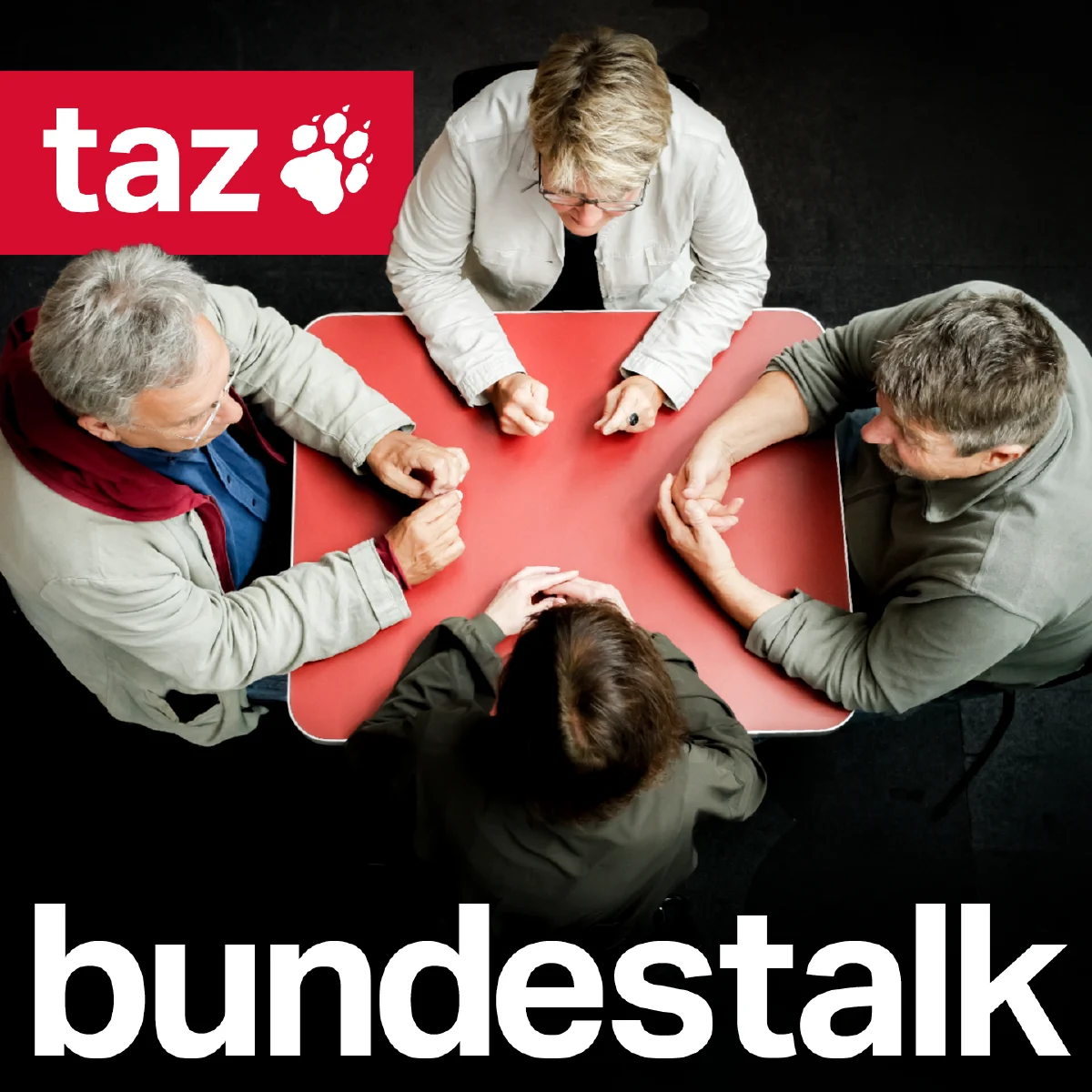
The taz Bundestalk: Unpacking the Election Dynamics
The complexities and profound implications of this potential election are precisely what the taz Bundestalk podcast aims to dissect. In a recent episode, taz foreign editor Bernd Pickert engaged a panel of distinguished experts to delve into these critical questions. The discussion featured Serena Bilanceri, a correspondent currently facing work and entry restrictions in Israel, Middle East editor Lisa Schneider reporting from Tel Aviv, and opinion editor Susanne Knaul, who previously served as a correspondent in Israel until 2019.
Their collective insights provided a multi-faceted perspective on the Israeli political landscape. They explored the internal dynamics of the competing blocs, examined the pivotal role of Arab parties, and questioned the contemporary relevance and future of the Israeli left. The panel also analyzed how the trauma of October 7th and the subsequent military campaigns in Gaza, Lebanon, and Iran have irrevocably altered Israel’s political topography. Crucially, they discussed the likely scenarios for the election outcome and what each would mean for the future of the region. This expert discussion underscores the urgency and depth of the challenges Israel faces as it contemplates a vote that will redefine its path forward.
In conclusion, Israel stands on the precipice of a defining moment. The impending election, whether formally called for October 27th or at a later date, will be a critical reflection of a nation grappling with unprecedented trauma, security failures, and a yearning for clear, unifying leadership. The choices made at the ballot box will not only determine who governs but also shape Israel’s security, its relations with its neighbors, and its very identity in the years to come.