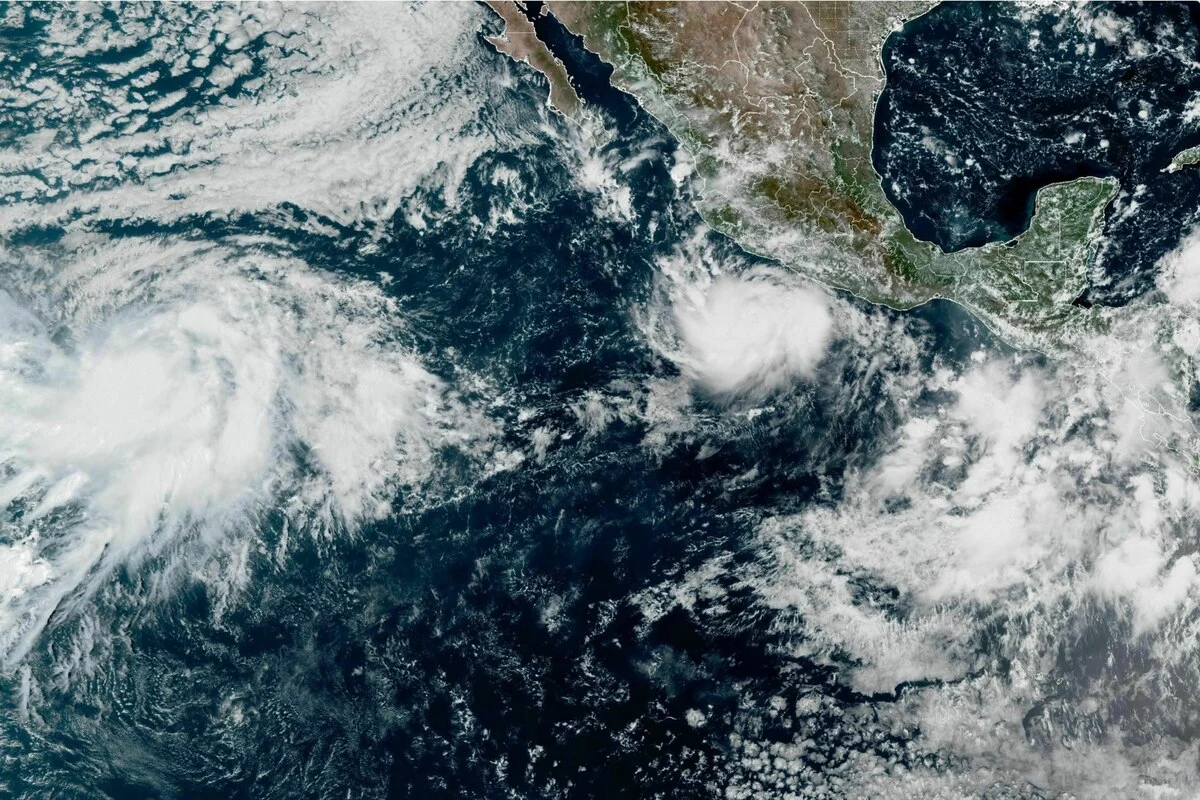
Geneva/New York – The world stands on the precipice of an unprecedented climatic event, as the World Meteorological Organization (WMO) and the United Nations (UN) issue urgent warnings regarding an exceptionally powerful El Niño phenomenon. This natural climate pattern, characterized by the warming of sea surface temperatures in the central and eastern equatorial Pacific, is projected to reach intensities never before recorded, threatening severe climatic and social disruptions across multiple continents. Concurrently, the international aid organization Oxfam is sounding the alarm over a critical shortfall in humanitarian funding, arguing that millions of vulnerable people in the Global South are ill-equipped to withstand the looming consequences.
The dire predictions underscore a growing nexus between natural climate variability and the accelerating impacts of anthropogenic climate change, amplifying the urgency for a robust global response. As the planet grapples with record-breaking temperatures and extreme weather events, the anticipated "Super El Niño" casts a long shadow over food security, water resources, and the stability of communities worldwide.
Unprecedented Warming Signals Global Alarm
On Wednesday, the WMO and UN jointly declared a state of heightened alert, revealing that sea surface temperatures in the critical Pacific region are estimated to soar up to an astonishing 3.8 degrees Celsius above average between November and January. This forecast represents a significant departure from historical records, setting the stage for an El Niño event of unparalleled intensity.
"We have never before recorded a value of 3.8 degrees," stated WMO Secretary-General Celeste Saulo, highlighting the extraordinary nature of the current projections. The Argentinian expert warned that the event "could exhibit an unprecedented intensity, literally breaking the measurement scales," and is expected to trigger profound climatic and social disturbances across various continents.
The implications of such a dramatic temperature anomaly are far-reaching. El Niño fundamentally alters atmospheric circulation patterns, shifting rainfall zones and temperature regimes globally. A stronger El Niño typically correlates with more extreme weather events, intensifying existing climate vulnerabilities and creating new ones. The WMO’s warning is not merely a scientific observation but a call to action, urging nations to prepare for a cascade of environmental and humanitarian challenges.
Echoing Saulo’s concerns, UN Under-Secretary Tom Fletcher, responsible for humanitarian affairs, described the impending El Niño as "a colossal phenomenon," a "veritable destructive force." His remarks underline the UN’s deep concern for the human cost of this climatic event, particularly in regions already struggling with poverty, conflict, and existing climate shocks. The collective warnings from these leading international bodies emphasize that this is not a typical El Niño cycle, but one potentially exacerbated by a warming planet, demanding an extraordinary level of preparedness and international cooperation.
El Niño’s Mechanisms and Historical Context
El Niño, the warm phase of the El Niño-Southern Oscillation (ENSO), is a naturally occurring climate pattern that typically manifests every two to seven years. It originates off the Ecuadorian Pacific coast when the surface waters in this region become unusually warm. This anomalous warming triggers a complex feedback loop between the ocean and the atmosphere. Normally, strong trade winds push warm surface water towards the western Pacific, allowing cooler, nutrient-rich water to well up in the east. During an El Niño event, these trade winds weaken or even reverse, leading to an accumulation of warm water in the eastern and central Pacific.
This shift in ocean temperatures profoundly alters atmospheric pressure systems and wind patterns, which in turn affect weather conditions across the globe. Regions typically receiving abundant rainfall may experience severe droughts, while arid areas might be deluged by torrential downpours. The phenomenon can also influence global average temperatures, contributing to warmer years.
The WMO officially confirmed the onset of El Niño in mid-June, with experts anticipating that the coming months will witness the strongest El Niño since records began. Historical data offers a stark reminder of the potential devastation. The 1997-98 El Niño, for instance, caused an estimated $35 billion in damages and was linked to the deaths of over 20,000 people globally. It led to widespread droughts in Southeast Asia and Australia, devastating floods in East Africa and parts of South America, and contributed to a significant increase in global temperatures. Similarly, the 2015-16 El Niño, also among the strongest on record, triggered severe droughts across southern Africa, India, and Southeast Asia, leading to widespread food insecurity and exacerbating humanitarian crises.
The Looming "Super El Niño"
The current projections for a 3.8-degree Celsius anomaly suggest that the 2023-24 El Niño could surpass even these historical benchmarks. The term "Super El Niño," while not an official scientific classification, is often used by media and some scientists to describe events of exceptional magnitude, typically those exceeding a 2.0°C anomaly in the Niño 3.4 region of the Pacific. A 3.8°C anomaly would place this event in an entirely new category of extreme, pushing the boundaries of what climate models have previously observed or predicted.

This unprecedented intensity raises critical questions about the interaction between natural climate cycles and the underlying trend of global warming. While El Niño is a natural phenomenon, a warmer baseline global temperature means that its effects are likely to be amplified. For example, El Niño-induced heatwaves will occur on top of already elevated global temperatures, leading to even more extreme heat. Similarly, El Niño-driven droughts may be more severe in regions already experiencing water stress due to climate change, and heavy rainfall events could unleash more destructive floods on landscapes altered by deforestation and urban sprawl. The synergy between El Niño and climate change creates a formidable challenge, demanding an integrated approach to disaster risk reduction and climate resilience.
A Dire Forecast for Vulnerable Regions
The interplay between long-term global warming and the El Niño phenomenon is a critical factor in understanding the potential severity of its impacts. While distinct, these phenomena are intrinsically linked. The combination can intensify heatwaves, exacerbate droughts, trigger heavy rainfall, and increase the likelihood of wildfires. The specific consequences, however, will vary significantly depending on the region’s geographical characteristics, socio-economic vulnerabilities, and existing climate stressors.
Argentina serves as a stark example of the immediate and tangible consequences. For this South American nation, El Niño typically translates into increased rainfall and heightened flood risks. The effects are already being felt. For several months, torrential rains in southern Brazil and northern Argentina have led to a significant rise in water discharge within the Cuenca del Plata, or La Plata Basin. This vast drainage system, encompassing major rivers such as the Paraná, Iguazú, Paraguay, and Uruguay, ultimately empties into the Río de la Plata and then the Atlantic Ocean. The increased water volume is causing rivers to swell to dangerous levels.
Reports from the province of Corrientes detail widespread flooding in several localities. The Paraná River in Corrientes reached a staggering level of 8.24 meters last Monday, surpassing the previous 2023 high of 8.07 meters. The human cost is already tragic, with two men reportedly swept away by the current and drowned while attempting to move their cattle to safety from the rising waters. Such incidents underscore the immediate and devastating impact on livelihoods and human lives.
Beyond Argentina, numerous other regions in the Global South are bracing for severe impacts:

- East Africa: Often experiences increased rainfall and flooding, leading to displacement, infrastructure damage, and heightened risks of waterborne diseases.
- Southeast Asia and Australia: Typically face severe droughts, leading to crop failures, water shortages, and increased risks of wildfires. This can exacerbate food insecurity and economic hardship for millions.
- Horn of Africa: Already prone to devastating droughts, an El Niño event could further deplete water resources, leading to widespread famine and humanitarian crises.
- Central America: Can experience a mix of intensified droughts and severe rainfall, impacting agricultural productivity and increasing migration pressures.
- Amazon Basin: Changes in rainfall patterns can exacerbate droughts in some areas, increasing the risk of wildfires and impacting the delicate rainforest ecosystem.
The cascading effects of El Niño-induced extreme weather events extend beyond immediate damage. They disrupt agricultural cycles, leading to crop losses and livestock deaths, which in turn drive up food prices and deepen food insecurity. Water scarcity can lead to conflicts over resources and impact public health through inadequate sanitation. Flooding destroys homes, infrastructure, and livelihoods, displacing communities and increasing the burden on already stretched humanitarian systems. The global implications for food security, water resources, and public health are therefore immense, requiring coordinated international efforts to mitigate the suffering.
Humanitarian Funding Crisis Deepens
In the face of these escalating threats, the international aid organization Oxfam has issued a scathing indictment of the global community’s preparedness, warning that millions of people remain inadequately protected from El Niño’s consequences. In a statement from Berlin, Oxfam highlighted a critical lack of resources for preparing for droughts and floods, particularly in the Global South – the regions most vulnerable to climatic shocks yet least responsible for causing climate change.
Oxfam’s analysis reveals a alarming discrepancy in humanitarian funding. Currently, only approximately $450 million USD are available worldwide for El Niño response and mitigation efforts. This figure stands in stark contrast to the previous strongest El Niño event in 2015-16, when a funding appeal of over $5 billion USD was launched. The tenfold reduction in available funds underscores a profound gap between the escalating need and the international community’s financial commitment.
"The world is facing a climate crisis, yet the funding to help communities adapt and respond to these extreme events is shrinking," an Oxfam spokesperson noted, emphasizing that humanitarian budgets in key donor countries like Germany and the USA have been significantly curtailed recently. Oxfam vehemently demanded a swift replenishment of these humanitarian funds, arguing that the consequences of underfunding will be measured in human lives and prolonged suffering.
The implications of this funding deficit are severe. It means fewer early warning systems, inadequate stockpiles of emergency supplies, insufficient support for community-level preparedness, and delayed responses when disasters strike. Without adequate funding, aid organizations struggle to provide essential services such as food, clean water, shelter, and medical assistance to affected populations. This not only exacerbates immediate suffering but also undermines long-term recovery and development efforts, trapping vulnerable communities in a cycle of crisis.

This funding shortfall is not isolated but part of a broader trend. Recent reports indicate that 266 million people suffer from acute hunger globally, a crisis compounded by wars, extreme weather, and blocked transport routes, while overall aid budgets shrink. The El Niño funding crisis, therefore, becomes a critical component of a larger humanitarian challenge, where the world’s most vulnerable are increasingly left to fend for themselves against forces beyond their control. The moral imperative to act is clear, yet the financial commitment appears to be lagging critically behind the scale of the impending catastrophe.
Mitigating the Unavoidable: Preparedness and Adaptation
While the El Niño phenomenon itself cannot be prevented – it is a natural cycle of the Earth’s climate system – both the WMO and UN officials emphasize that many of its most severe human consequences can be averted. This distinction is crucial, shifting the focus from prevention of the event to proactive mitigation of its impacts. As WMO Secretary-General Saulo stated, "We cannot prevent El Niño, but we can avert many of its gravest human consequences."
The cornerstone of this mitigation strategy lies in robust early warning systems. These systems, which monitor ocean temperatures, atmospheric conditions, and rainfall patterns, provide crucial lead times for governments and communities to prepare. Effective early warnings enable people to evacuate, secure their livelihoods, pre-position aid, and implement protective measures for infrastructure. Investment in meteorological services and climate monitoring networks is therefore not just a scientific endeavor but a vital component of humanitarian action.
Beyond immediate preparedness, long-term climate adaptation strategies are essential. This includes developing resilient infrastructure, such as flood-resistant housing and improved drainage systems, particularly in vulnerable urban and coastal areas. Promoting climate-smart agriculture, which incorporates drought-resistant crops and water-efficient irrigation techniques, can safeguard food security. Investing in water management systems, including rainwater harvesting and efficient storage, can help communities cope with both droughts and floods. Furthermore, ecological restoration efforts, such as reforestation and wetland preservation, can enhance natural resilience against extreme weather events.
The role of international cooperation and climate finance for the Global South is paramount in this context. Many of the most vulnerable nations lack the financial resources and technical capacity to implement these preparedness and adaptation measures on their own. Developed nations, historically the largest contributors to greenhouse gas emissions and therefore to climate change, bear a responsibility to support these efforts. Increased and predictable climate finance, channeled towards building resilience and enhancing adaptive capacities, is not merely aid but an investment in global stability and human security. The current funding shortfall highlighted by Oxfam directly contradicts this urgent need, jeopardizing the lives and livelihoods of millions.

A Call for Unified Global Action
The impending El Niño event, projected to be of unprecedented intensity, serves as a stark reminder of the interconnectedness of our global climate system and the profound vulnerability of human societies. The warnings from the WMO and UN, coupled with Oxfam’s urgent plea for increased humanitarian funding, paint a sobering picture of a world ill-prepared for the climatic disruptions ahead.
This is not merely a scientific anomaly; it is a burgeoning humanitarian crisis that demands immediate and sustained global action. The predicted 3.8-degree Celsius anomaly in Pacific sea surface temperatures signals a critical moment, pushing the boundaries of what has been observed and modeled. The confluence of this extreme natural event with the underlying pressures of climate change creates a multiplying effect, exacerbating existing vulnerabilities and threatening to unleash a cascade of droughts, floods, heatwaves, and food insecurity on a scale rarely witnessed.
The funding gap for humanitarian response is particularly alarming. To allow a critical reduction in aid when the need is escalating is to consciously expose millions to avoidable suffering and loss. The international community must recognize that investing in preparedness and adaptation now is far more cost-effective and humane than responding to full-blown disasters later.
Ultimately, the challenge posed by this "Super El Niño" is a test of global solidarity and collective responsibility. It calls for a unified front from governments, international organizations, civil society, and individuals to prioritize climate resilience, bolster humanitarian aid, and accelerate efforts to address the root causes of climate change. Only through such concerted and proactive measures can humanity hope to navigate the turbulent waters ahead and avert the gravest human consequences of an increasingly volatile climate. The time for decisive action is now.