By Environmental Science Desk
Updated: October 22, 2026
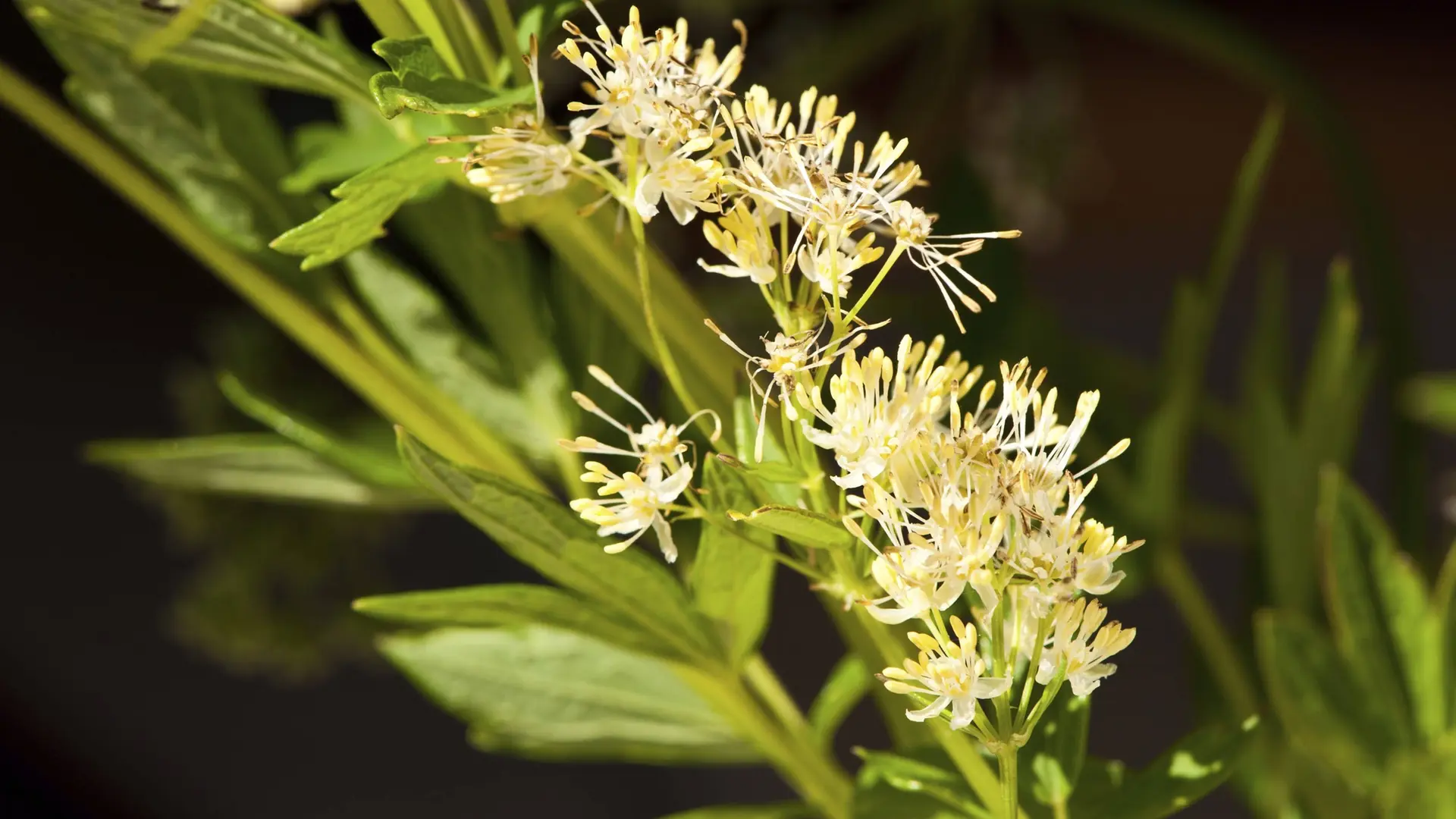
The Loki Schmidt Foundation has officially announced the "Blume des Jahres 2027" (Flower of the Year 2027): the Yellow Meadow Rue (Thalictrum flavum). While not a household name like the rose or the sunflower, this delicate member of the buttercup family serves as a critical bio-indicator for one of Europe’s most threatened ecosystems: the near-natural river floodplain.
By choosing this plant, the foundation is sending a clear, urgent message to policymakers and the public alike: the survival of our native flora is inextricably linked to our willingness to give rivers back their space.
The Core Facts: Why the Yellow Meadow Rue?
The Yellow Meadow Rue is a testament to understated beauty. Under optimal conditions, the perennial can reach heights of up to 1.5 meters. From June through August, it produces upright, yellow flower clusters that emit a subtle, sweet fragrance. While its appearance is elegant, its true value lies in its ecological function.
The plant thrives in moist meadows, near oxbow lakes, and within floodplains. It is a specialist species that relies on the natural rhythm of rivers. It requires periodic flooding—not as a disturbance, but as a life-giving event. The plant’s seeds are designed for aquatic transport; when floodwaters rise, they carry the seeds to new locations, ensuring the continuation of the species.
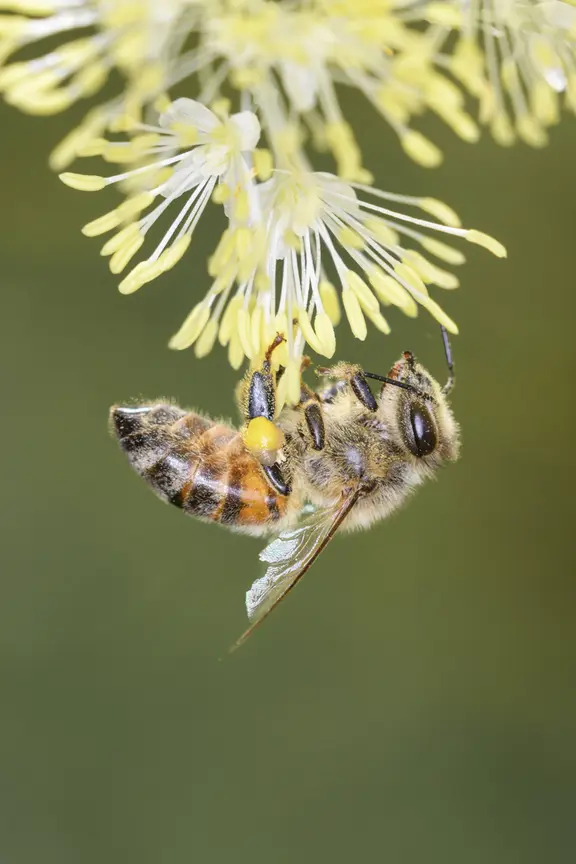
Beyond its physical beauty, the plant has a historical footprint. In centuries past, its roots were harvested to create a vibrant yellow dye for wool, connecting the plant to the cultural history of the regions it inhabits. Today, it serves as a vital food source for wild bees, hoverflies, and various beetle species, providing pollen in ecosystems where other floral resources may be scarce.
A Chronology of Conservation: The "Blume des Jahres" Tradition
The selection of the Yellow Meadow Rue follows a long tradition of botanical advocacy. Established in 1980 by the late conservationist Loki Schmidt—wife of former German Chancellor Helmut Schmidt—the "Flower of the Year" campaign was designed to pull obscure, threatened plants out of the shadows.
- 1980: The inaugural selection, the Marsh Gentian (Gentiana pneumonanthe), set the tone for the foundation’s work, focusing on wetland conservation.
- 2020: The Bogbean (Menyanthes trifoliata) highlighted the plight of peatlands and swamps.
- 2025: The Marsh Cinquefoil (Comarum palustre) continued the focus on water-dependent species.
- 2026: The Field Larkspur (Consolida regalis) represented the struggle of arable field plants.
- 2027: The Yellow Meadow Rue marks a return to the riverbanks, highlighting the systemic collapse of floodplains.
Unlike the "Bird of the Year" campaign, which often involves public voting, the Loki Schmidt Foundation makes its selection based on rigorous scientific evaluation. Each year, the chosen flower acts as an ambassador for a specific, endangered habitat.
Supporting Data: The State of Our Floodplains
The foundation’s choice is not arbitrary; it is backed by sobering statistics. Although floodplains occupy only a small fraction of the total land area in Central Europe, they are biodiversity hotspots, hosting approximately one-third of all regional plant and animal species.
However, these habitats are in retreat. Over the last century, river straightening, the drainage of floodplains for industrial agriculture, and the construction of infrastructure in flood-prone areas have decimated the Yellow Meadow Rue’s natural habitat.
The Impact of Hydrological Changes
The decline of the species is a direct mirror of falling groundwater levels and the loss of "dynamic" rivers. When a river is confined to a concrete channel, it loses the ability to deposit nutrient-rich sediment and provide the moisture necessary for Thalictrum flavum to germinate.
Regional Disparities
The status of the Yellow Meadow Rue varies significantly across Germany:
- Sachsen-Anhalt: The plant remains relatively common along the Elbe River, where it is currently listed as "not endangered."
- Thüringen: A 2021 assessment placed the plant on the "Red List" of endangered species, with populations showing a clear downward trend.
- Sachsen: The situation is dire. The 2013 Red List classifies the species as "threatened with extinction," citing a severe, multi-decade decline that shows no signs of stabilizing.
Official Perspectives: The Foundation’s Mandate
André Palm, project manager for "Blume des Jahres" at the Loki Schmidt Foundation, emphasizes that the goal is not merely the preservation of one flower, but the protection of the system that sustains it.
"The Yellow Meadow Rue stands as a representative for a threatened ecosystem that we must preserve for the sake of both nature conservation and climate protection," Palm stated during the announcement.
The foundation argues that natural floodplains are among the most effective "green infrastructure" tools available. They serve three primary roles:
- Flood Mitigation: By allowing rivers to overflow into designated natural basins, the risk of catastrophic downstream flooding is reduced.
- Water Filtration: Floodplain soils act as natural filters, purifying water before it enters the groundwater table.
- Carbon Sequestration: Healthy, water-saturated floodplain soils are highly effective at storing carbon, making them vital allies in the fight against climate change.
The foundation points to the Elbe at Lenzen (Brandenburg) as a gold-standard success story. In this project, a dike was set back, reconnecting 420 hectares of floodplain to the river. During subsequent major flood events, the peak water level was lowered by up to 45 centimeters, proving that restoring nature provides tangible protection for human settlements.
The Path Forward: Implications and Future Outlook
The selection of the Yellow Meadow Rue for 2027 carries profound implications for land-use policy. It highlights the tension between industrial development and ecological integrity.
Rethinking River Management
The decline of this flower is a signal that our current approach to river management—centered on containment and control—is failing. Experts suggest that if we wish to save the Yellow Meadow Rue and the countless species that share its habitat, we must adopt "nature-based solutions." This means:
- De-poldering: Moving dikes further away from riverbanks to allow for periodic flooding.
- Groundwater Protection: Regulating water extraction in areas adjacent to river corridors to prevent the drying out of wetlands.
- Ecological Corridors: Establishing protected "stepping stones" of land where the plant can thrive, even if large-scale restoration is not immediately possible.
A Call for Citizen Science
While the map of reported sightings shows the plant’s historical and current presence along Germany’s major river systems, experts warn that presence is not the same as vitality. Many of the recorded sites may no longer support healthy, reproductive populations. The foundation is using the 2027 campaign to encourage botanists and nature enthusiasts to map the current distribution of the plant more accurately. By documenting where the Yellow Meadow Rue still survives, researchers can better prioritize which sections of riverbank require urgent protection.
Conclusion: A Delicate Indicator of Health
The Yellow Meadow Rue is more than just a yellow-flowered plant; it is a canary in the coal mine for our river systems. Its disappearance from the landscape is a warning sign that the natural processes of our river valleys are being stifled.
As the Loki Schmidt Foundation turns the spotlight on this unassuming species for 2027, the challenge for society is clear. Can we learn to value the dynamic, messy, and sometimes "inconvenient" nature of a free-flowing river? The survival of the Yellow Meadow Rue—and the biodiversity of our floodplains—depends on our answer.
If we choose to restore the wetlands, we gain more than just a flower; we gain a more resilient landscape capable of weathering the climatic and environmental challenges of the coming century. The "Blume des Jahres 2027" reminds us that when we save the river, we save ourselves.