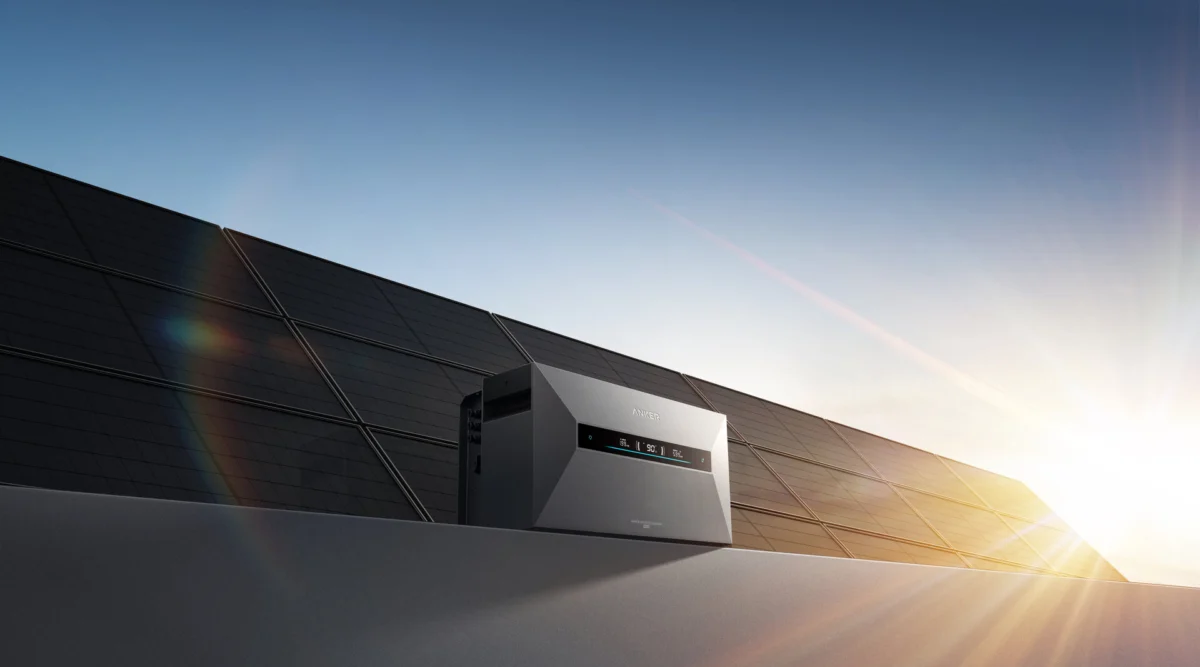
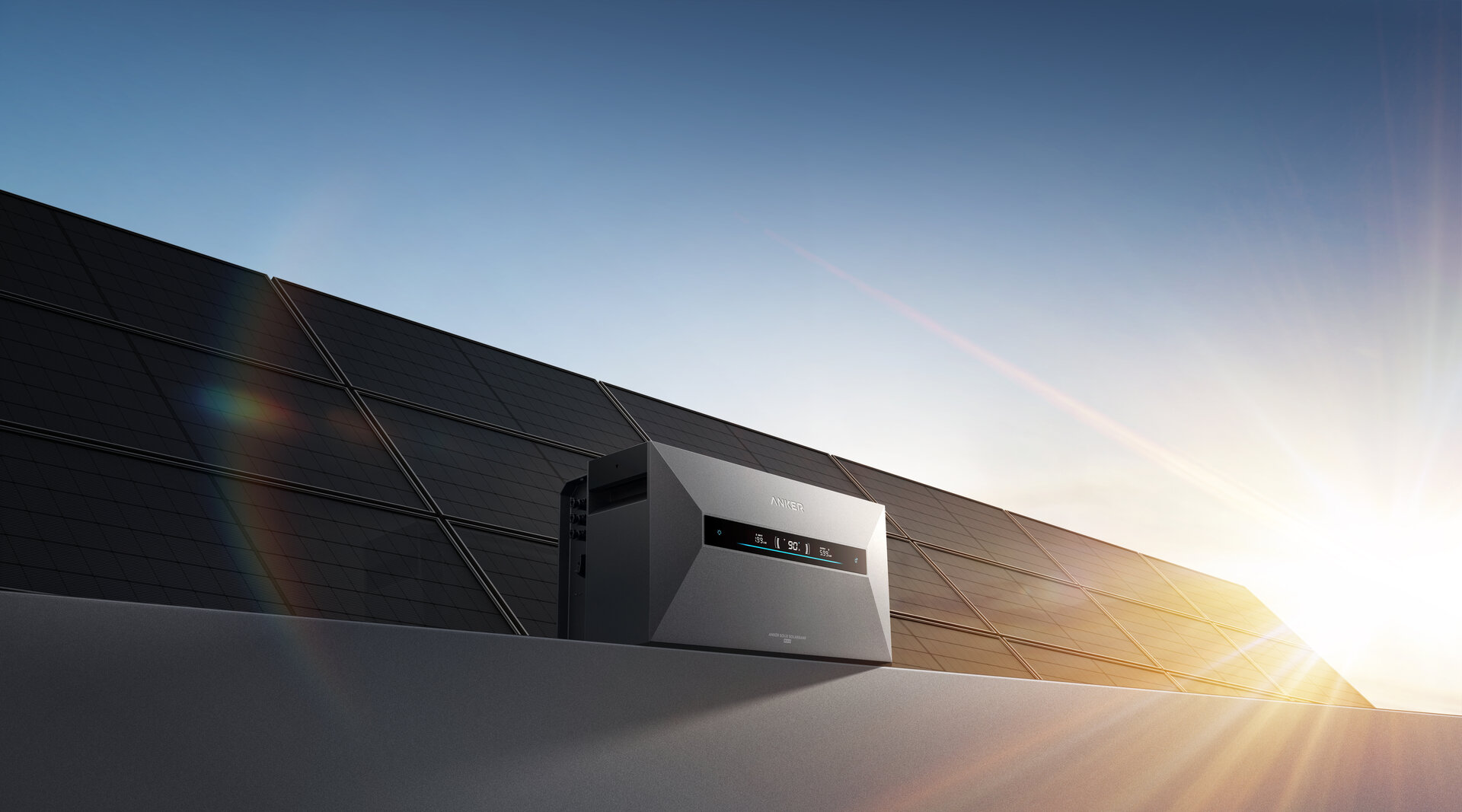
The landscape of residential energy storage is undergoing a seismic shift. Following its highly anticipated debut at IFA 2026, Anker Solix has officially transitioned the Solarbank Max from a pre-order concept into a market-ready reality. This robust energy storage solution, boasting a base capacity of 7 kWh, is poised to redefine how homeowners manage solar energy, bridging the gap between small-scale balcony power plants and comprehensive, grid-independent home energy systems.
Main Facts: A Powerhouse for the Modern Home
The Solarbank Max is not merely an incremental upgrade; it is a significant leap in modular energy management. Designed to cater to energy-intensive households, the unit provides a staggering 10,000 watts of solar input capacity, supporting up to 20 solar modules. This allows for a massive energy harvest that can be effectively stored in the 7 kWh base unit.
For those whose energy needs exceed the baseline, the system’s modularity is a standout feature. Users can expand the total capacity to a massive 42 kWh by adding up to five supplementary battery units. This scalability ensures that the Solarbank Max remains a viable investment whether for a standard residential setup or a highly demanding, off-grid-oriented household.
Regarding output, the system provides versatility through various connection methods:
- Wieland Connection: Delivers up to 3,500 watts of AC power directly into the home grid.
- Fixed Installation: Allows for an increased output of 4,600 watts, providing sufficient headroom for high-load appliances.
- Off-grid AC Socket: Delivers 3,680 watts, ensuring functionality during power outages.
- USV/UPS Functionality: Offers uninterruptible power supply features for critical hardware. When paired with the Anker Solix Backup Auto Switch, the system can provide whole-home emergency power, shielding residents from grid instability.
Chronology: From IFA Debut to Market Rollout
The trajectory of the Solarbank Max has been characterized by strategic positioning and calculated engagement with the consumer base.

- IFA 2026 (September): The product was first unveiled to the public at the IFA trade fair in Berlin. The reception was overwhelmingly positive, with industry analysts highlighting the device’s ability to handle high solar input—a feature rarely seen in plug-and-play storage units.
- The Pre-Order Phase (September – October 21, 2026): During this period, Anker Solix incentivized early adoption by offering a €400 discount on the standard retail price of €2,499. This period served as a litmus test for market demand, with thousands of households registering for the early-bird benefits.
- Official Launch (October 22, 2026): The product officially moved into the general sales phase. While the aggressive pre-order discount concluded, Anker maintained momentum with a launch-window promotion.
- Current Promotional Window (October 22 – December 6, 2026): New customers can purchase the unit for €2,199, a €300 reduction from the RRP.
- The Early-Bird Closing (November 1, 2026): For those who participated in the initial registration phase, the deadline to redeem their €2,099 pricing—which includes the inclusion of the Anker Solix Smart Meter Gen 2 (three-phase)—is set for November 1.
Supporting Data and Technical Specifications
Beyond the raw capacity, the engineering behind the Solarbank Max prioritizes durability and intelligent integration.
Environmental Resilience
The system is built to survive the elements. With an IP66 rating, the enclosure is protected against dust ingress and powerful water jets, making it suitable for both indoor and outdoor installations. The operational temperature range of -20°C to +55°C makes it exceptionally versatile, allowing it to function in harsh winters and scorching summers alike. Anker reinforces this build quality with a comprehensive 10-year warranty, signaling long-term confidence in the product’s lifespan.
Efficiency and Connectivity
The Solarbank Max utilizes three independent Maximum Power Point Trackers (MPPTs) via MC4 connectors. This is a critical feature for efficiency, as it allows the system to optimize power collection from solar panels installed on different orientations (e.g., east, south, and west roofs) simultaneously without the performance of one string dragging down the others.
Furthermore, the system is designed with the modern "Smart Home" in mind. It features full Home Assistant integration, allowing power users to bypass proprietary cloud ecosystems if they choose. This ensures that users can automate their energy usage based on real-time spot market prices, weather forecasts, or personal consumption habits without relying on an external server.
Official Stance and Market Strategy
Anker Solix has approached the launch with transparency, opting to provide industry journalists with early access to technical specifications under Non-Disclosure Agreements (NDA). This strategy allowed for a coordinated rollout, ensuring that the technical documentation was accurate and widely available on the day of launch.
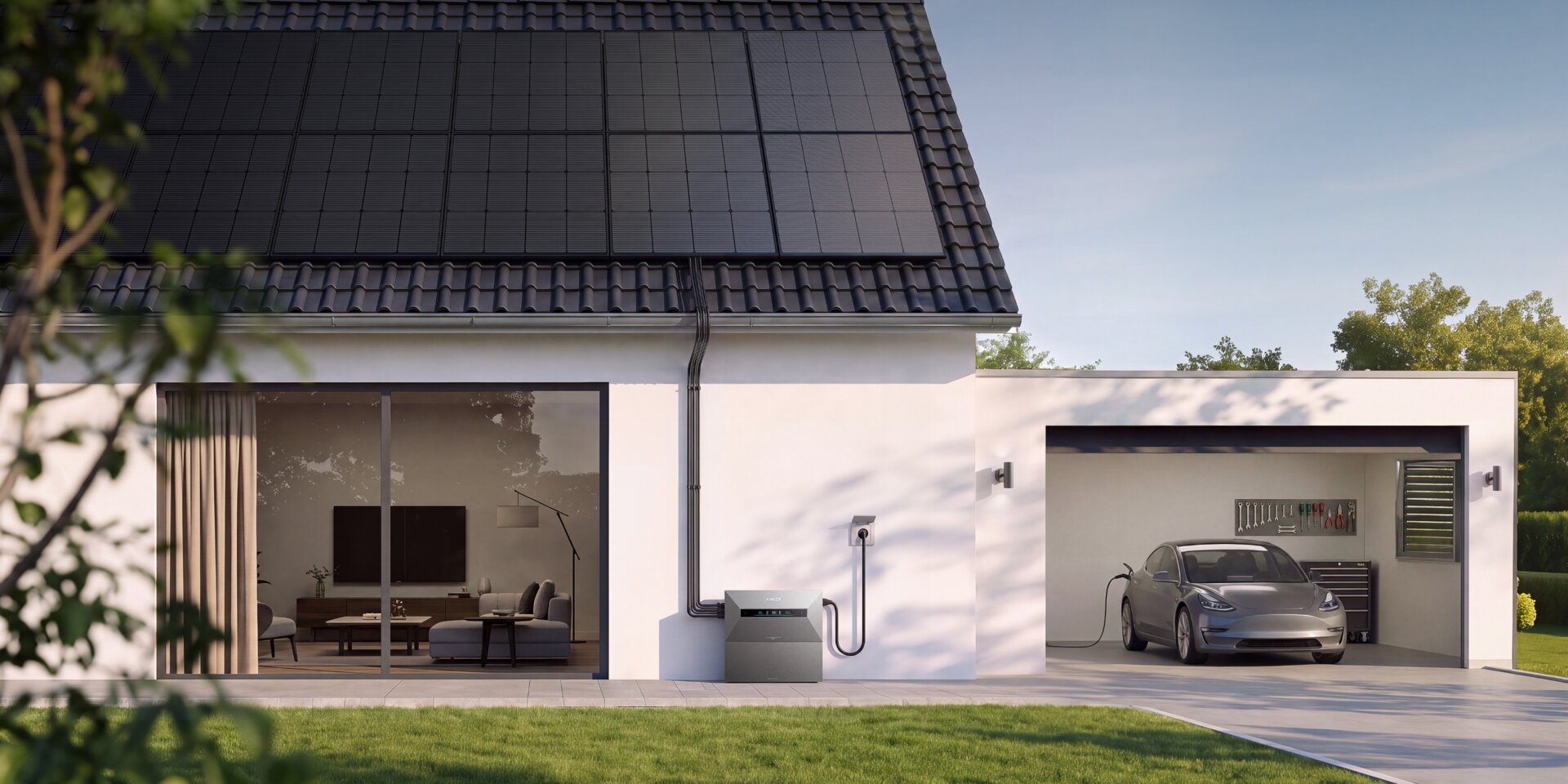
The inclusion of the Smart Meter Gen 2 in the early-bird bundle is a strategic move. By incentivizing the installation of a smart meter, Anker is effectively ensuring that its users have the data required to optimize their self-consumption rates. Without a smart meter, storage systems often "guess" when to discharge power; with it, the Solarbank Max can dynamically react to the household’s actual power draw, preventing unnecessary grid exports and maximizing the economic return on investment.
Implications: The Democratization of Large-Scale Storage
The introduction of the Solarbank Max has significant implications for the energy transition.
1. The Death of "Small-Scale" Constraints
Previously, balcony power systems were limited by both input and output caps. By allowing up to 10 kWp of solar input and offering a path to 42 kWh of storage, Anker is blurring the line between a "gadget" and a professional-grade residential energy plant. Homeowners who were previously intimidated by the complexity and cost of bespoke solar installations now have a modular, "DIY-friendly" path to energy independence.
2. Grid Stabilization
On a macro level, the widespread adoption of systems like the Solarbank Max is a net positive for local energy grids. By storing energy during the day and discharging it during peak evening hours, these units act as "virtual power plants." They reduce the strain on the public grid during the most intensive hours of consumption, helping to flatten the demand curve.
3. Economic Feasibility
The pricing structure, which sits firmly in the €2,000–€2,500 range (pre-subsidies), makes high-capacity storage accessible to the middle class. When considering current energy prices in Europe, the return on investment for such a system—calculated through saved electricity costs and the mitigation of future price hikes—is becoming increasingly attractive. The modularity allows users to start small and add capacity as their budget permits, reducing the "barrier to entry" financial shock.
4. Integration into the Smart Home
The commitment to Home Assistant integration is a vital differentiator. In an era where consumers are increasingly wary of "walled gardens" and forced cloud connectivity, Anker’s decision to allow local, private control of the system is a major win for privacy-conscious users and tech enthusiasts. It transforms the Solarbank Max from a static appliance into a programmable node within the home network.
Conclusion
The launch of the Anker Solix Solarbank Max marks a maturing of the residential storage market. By combining massive capacity, high-output flexibility, and an open approach to software integration, Anker has provided a solution that addresses the primary pain points of the modern solar user. Whether the goal is to buffer against rising energy costs, achieve emergency power security, or contribute to a greener grid, the Solarbank Max offers a robust and scalable architecture.
As the promotional window continues through early December 2026, the success of this product will likely hinge on how well the modular ecosystem performs in real-world, diverse residential environments. However, based on the specifications and the strategic bundling of the Smart Meter Gen 2, it is clear that Anker Solix is aiming for the top of the market—and they have the hardware to back up that ambition.
For the average homeowner, the message is clear: the era of complex, prohibitively expensive home batteries is fading, replaced by systems that are as easy to scale as they are to install. As the industry looks toward 2027, the Solarbank Max sets a new benchmark for what can be expected from a consumer-focused energy storage solution.