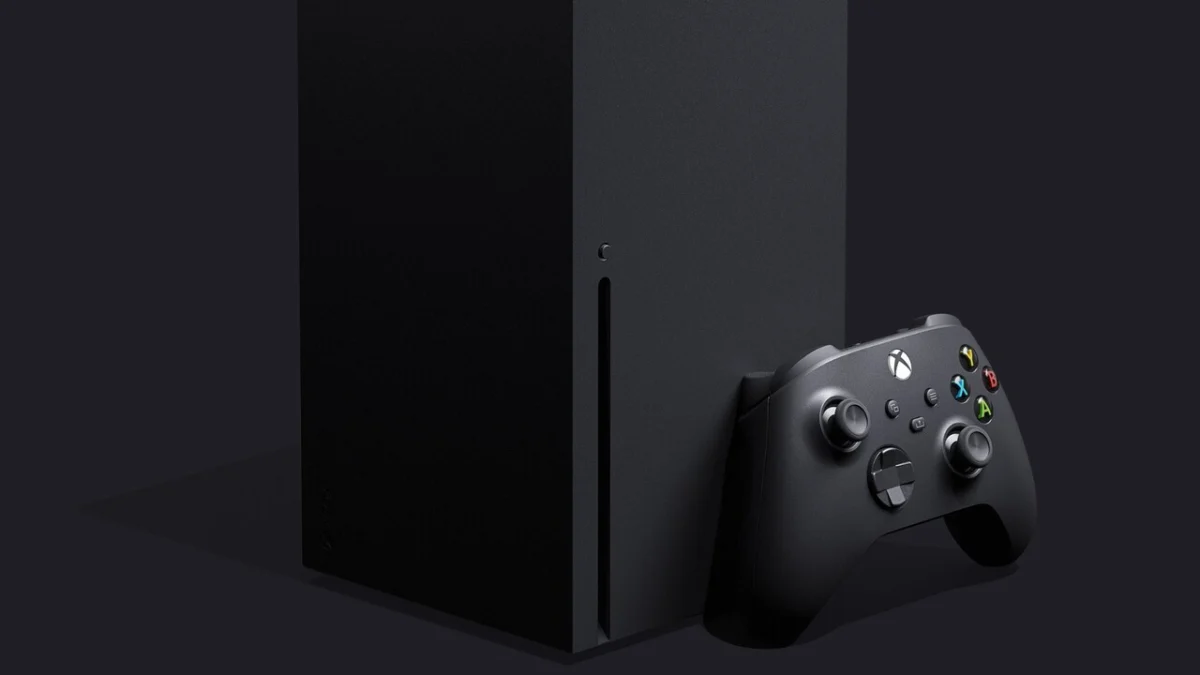
In an unusual move that underscores the mounting pressure on its gaming division, Microsoft has begun actively emailing Xbox owners who have remained inactive for extended periods, encouraging them to trade in their consoles at retail partner Best Buy. This strategy, while seemingly counterintuitive for a hardware manufacturer, highlights a critical shift in the gaming landscape: the move away from hardware dependency toward a broader ecosystem of services, coupled with a looming crisis in next-generation hardware affordability.
As the industry grapples with persistent supply chain challenges and the rising costs of semiconductor manufacturing, the Xbox brand finds itself at a crossroads. With the next generation of hardware—internally referred to as "Project Helix"—projected to carry a four-digit price tag, Microsoft is attempting to maximize the utility of its existing install base while preparing consumers for a future where premium gaming hardware may become a luxury commodity.
A Strategic Pivot: Monetizing Inactivity
The emails, which have surfaced via social media reports from users across the United States, feature a candid, if slightly jarring, message: "Haven’t played on your console in a while? If you’ve moved on to Xbox on PC or another way to play Xbox games, it may be time to [trade it in]."
By incentivizing the return of dormant hardware, Microsoft is effectively clearing the secondary market of "zombie" consoles. For the company, an inactive console is a missed opportunity for revenue via Game Pass subscriptions or digital storefront purchases. By pushing users toward the Best Buy trade-in program, Microsoft is not only tightening its ecosystem but also potentially feeding the demand for refurbished units, which remain in high demand due to ongoing shortages of new hardware.
This move follows a series of aggressive restructuring efforts under the current leadership, which has seen the closure or divestment of several high-profile internal studios. The goal is clear: to pivot from a "hardware-first" growth strategy to a "software and services" model that prioritizes active engagement over raw console unit sales.
Chronology of a Shifting Strategy
To understand the current state of the Xbox division, one must look back at the last three years of market volatility:
- 2024–2025: The Price Hike Era. Faced with soaring inflation and the rising cost of high-bandwidth memory (HBM) and advanced logic chips, Microsoft was forced to raise the retail price of the Xbox Series X and S by up to €200 in several markets. Despite these hikes, demand remained high, leading to significant inventory gaps.
- Early 2026: The "Xbox Reset." Following a period of stagnant growth, leadership initiated a "Reset," focusing on consolidating internal resources and shifting focus toward cross-platform availability. This period saw the integration of major intellectual properties, such as Halo, into the wider Activision-Blizzard-King portfolio.
- Late 2026: The Outreach Program. With the holiday season approaching and the anticipation for Grand Theft Auto 6 creating a potential bottleneck in hardware supply, Microsoft began its direct-to-consumer email campaign, encouraging users to recycle or trade in inactive hardware.
- 2027–2028: The Road to Project Helix. Industry analysts and internal leaks suggest that the next major hardware iteration is slated for a late 2028 release, preceded by a dedicated Xbox handheld device in 2027.
Supporting Data: The Cost of Next-Gen
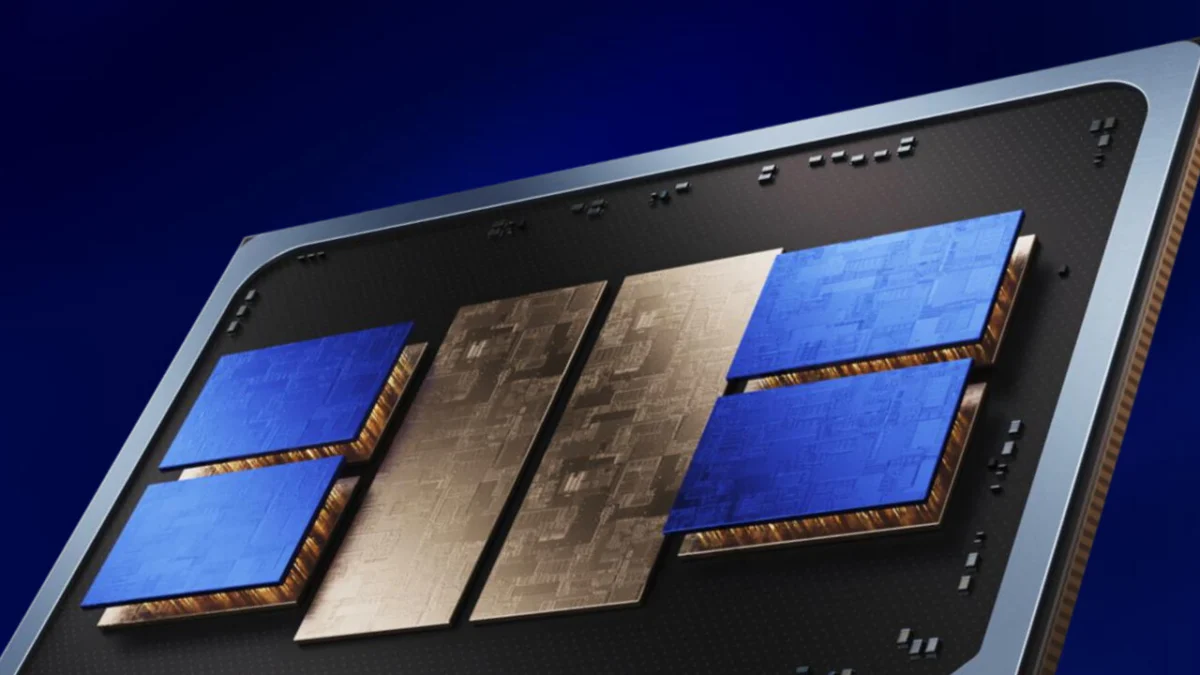
The most alarming development for consumers is the projected pricing for the next generation of hardware. Reports from Fortune and various industry insiders suggest that Microsoft is calculating internal production costs between $1,200 and $1,800 per unit—before accounting for any potential subsidies.
In the past, console manufacturers have often sold hardware at a loss (subsidization) to gain a foothold in the living room, recouping the investment through software licensing fees. However, given the current economic climate and the razor-thin margins on high-end electronics, analysts argue that a $999 price point is becoming increasingly optimistic. A "standard" next-gen console could easily retail for $1,200 or more, with lower-cost iterations likely being limited to "lite" versions with minimal storage and downgraded performance capabilities.
This price escalation is not solely a Microsoft issue; it is a systemic shift. As the demand for 4K/8K assets, complex ray-tracing, and high-speed NVMe storage grows, so too does the bill of materials. The "Moore’s Law" era, where consumers expected more power for the same price every generation, is effectively dead.
Official Responses and Corporate Rationale
While Microsoft has not issued a formal press release explaining the "trade-in" email campaign, the subtext is evident in the company’s recent financial disclosures. The company is under immense pressure to demonstrate profitability in its gaming sector.
Industry analysts suggest that the "non-gamer" approach currently favored by executive leadership is designed to treat the Xbox division as a profit-generating service platform rather than a legacy hardware business. By encouraging users to trade in hardware, Microsoft is:
- Reducing support overhead: Fewer active but neglected machines mean less server-side maintenance and fewer technical support tickets.
- Market Conditioning: By normalizing the trade-in process, Microsoft is preparing users for the next generation, where the cost of entry will be significantly higher. Users who trade in their current hardware will be better positioned to offset the high cost of a 2028-era machine.
- Data Consolidation: The company is focusing its resources on the "most active" users—those who are likely to spend on recurring services like Game Pass Ultimate.
Implications for the Future of Gaming
The implications of a $1,000+ console era are profound. We are witnessing a fundamental change in how the industry operates:
1. The Death of the "Graphics Race"
With hardware costs becoming prohibitive, the industry is likely to pivot away from hyper-realistic, high-fidelity "graphics blocks" that require massive compute power. Instead, we may see a resurgence in artistic design, stylized graphics, and optimization techniques (such as AI-driven upscaling) that allow developers to create visually stunning games without requiring expensive top-tier hardware.
2. The Slowing of the "Generation Cycle"
The traditional 5-to-7-year console cycle is likely to stretch. If a consumer pays $1,500 for a machine, they will expect it to remain relevant for a much longer period. This suggests a shift toward modular hardware or a move toward a model similar to smartphones, where "generations" are defined by software updates and service tiers rather than distinct hardware refreshes every few years.
3. The Rise of the Handheld and Cloud
Microsoft’s reported focus on an Xbox handheld for 2027 suggests they understand the shift toward portable, high-utility gaming. By offering a lower-cost, high-convenience entry point, Microsoft can keep users within the ecosystem even if they are priced out of the premium "Project Helix" console.
4. Market Stratification
We are likely entering a period of extreme market stratification. High-end enthusiasts will pay the "four-digit premium" for cutting-edge experiences, while the casual majority will migrate toward cloud gaming, PC streaming, and mid-tier handheld devices. The "standard" living room console may soon become a niche product for the affluent.
Conclusion
Microsoft’s move to clear out inactive Xbox hardware is more than just a promotional campaign; it is a sign of the times. The gaming industry is moving into a mature, high-cost phase where the days of affordable, high-performance consoles are being challenged by economic reality.
For the consumer, the message is clear: the path forward involves higher costs, more choices between hardware and cloud, and a necessity to trade in the old to afford the new. As we look toward 2028 and the arrival of the next generation, the question is not just how powerful these new machines will be, but how many players will be willing to pay the price of admission. Microsoft is betting that its ecosystem is strong enough to weather this transition, but the road ahead remains fraught with uncertainty for both the manufacturer and the player.