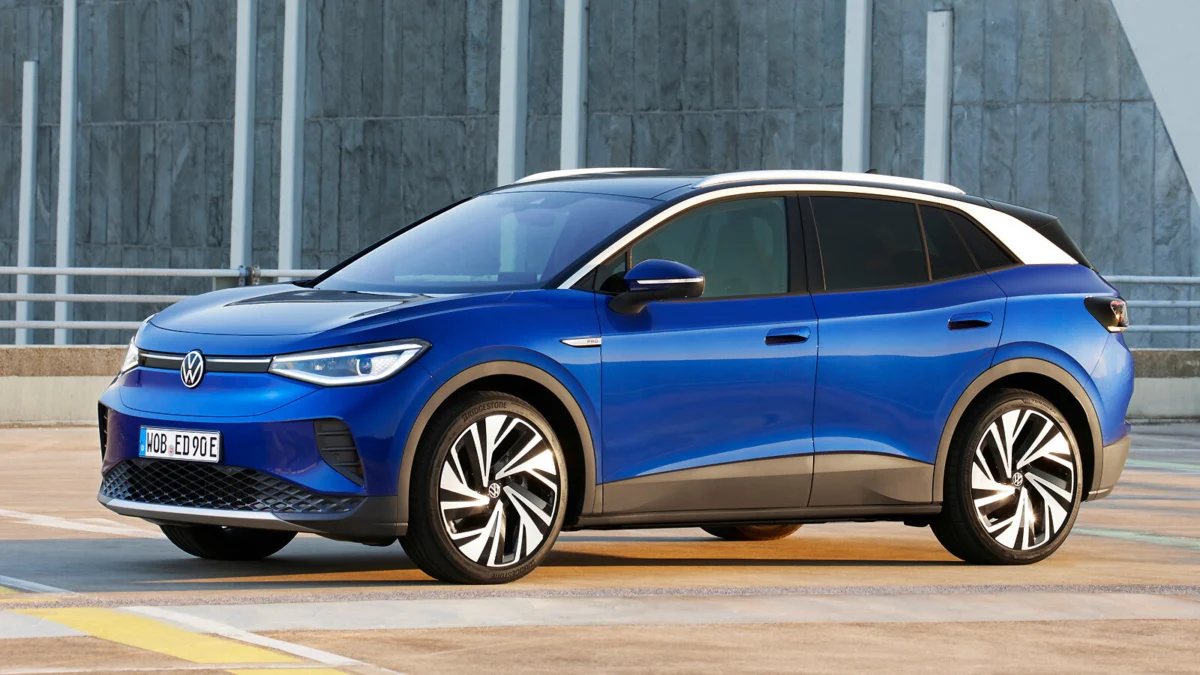
The transition toward sustainable mobility remains a cornerstone of German climate policy, with the federal government’s purchase incentive program for battery-electric vehicles (BEVs) and plug-in hybrids serving as the primary fiscal engine. Despite ongoing concerns regarding the sustainability of state funding and the rapid influx of foreign manufacturers, the federal government has issued a clear signal of stability: the subsidies will remain accessible throughout the coming year.
According to statements provided to auto motor und sport by Carsten Schneider, a senior SPD politician and key official within the federal administration, there is no immediate cause for concern among prospective buyers. Schneider assured consumers that those who meet the eligibility criteria for the current support scheme can move forward with their purchasing decisions without fear that the financial backing will vanish prematurely.
The Financial Landscape of the Incentive Program
At the heart of the government’s commitment is a massive three-billion-euro funding pool. According to previous government projections, this financial volume is intended to support approximately 800,000 individual vehicle purchases. While the program was originally conceptualized as a multi-year strategy spanning from 2026 to 2029, the high demand for electric vehicles has forced policymakers to monitor the drawdown of these funds with increased vigilance.
The objective of this multi-billion-euro investment is twofold: to accelerate the decarbonization of the transport sector—a laggard in Germany’s broader climate goals—and to provide a competitive cushion for the domestic automotive industry as it pivots away from internal combustion engines. By guaranteeing funding continuity, the government hopes to maintain the momentum of EV adoption, which has faced headwinds due to fluctuating electricity prices, infrastructure gaps, and shifting economic conditions.
Providing Planning Security: A Commitment to Transparency
One of the primary critiques leveled against government subsidy programs is the lack of "planning security." In previous iterations of European EV incentives, sudden program terminations—often triggered by the unexpected exhaustion of budget allocations—have led to market volatility and consumer frustration.
Carsten Schneider addressed these concerns directly, pledging a more proactive approach to administrative communication. "As soon as it becomes apparent when the available funds are likely to be exhausted, we will inform the public at an early stage," Schneider stated. The goal is to ensure that prospective buyers can make informed decisions, knowing with a degree of certainty whether their chosen vehicle will qualify for the financial assistance promised by the state. This promise of transparency is intended to prevent the "cliff-edge" effects that have previously destabilized vehicle sales cycles in the German market.
Chronology of the German EV Incentive Strategy
To understand the current state of the program, it is necessary to contextualize the timeline of Germany’s transitionary support:
- Pre-2026 Foundation: The groundwork for the current phase was laid by previous subsidy rounds that focused on jump-starting the market.
- The 2026-2029 Cycle: The current three-billion-euro tranche was earmarked to bridge the gap toward price parity between EVs and traditional combustion vehicles.
- Current Phase: Ongoing monitoring of uptake rates. The government is currently managing the balance between rapid market penetration and the finite nature of the allocated funds.
- Future Outlook: The integration of value-creation criteria, which will shift the focus from simple purchase incentives to domestic and European supply chain integration.
The Question of Chinese Market Entry
A central theme in current automotive debates is the rising market share of Chinese-manufactured electric vehicles. As these brands gain traction across Europe due to competitive pricing and technological advancements, there has been significant political pressure to exclude them from German subsidies.

However, the government has maintained a pragmatic, if cautious, stance. Schneider emphasized that, for the time being, no immediate changes to the funding requirements are planned. The government is rejecting "quick-fix" policy adjustments that could lead to trade friction or retaliatory measures.
Instead, the coalition government is working toward a more structural solution: the introduction of European value-creation criteria. By mandating that a specific percentage of a vehicle’s production—or the value of its components—must originate within the European Union, the government hopes to protect the domestic industrial base without resorting to blunt protectionism.
"What we have agreed upon in the coalition is the introduction of European value-creation criteria," Schneider noted. "As soon as the federal government has developed appropriate regulations that comply with European law, we will integrate them into our ongoing support program."
Supporting Data: Understanding the "China Factor"
The debate surrounding the "China factor" is often fueled by concerns over market dominance. However, the current data suggests that the phenomenon is still in its early stages. According to government assessments of the currently subsidized fleet, the market share of Chinese-produced vehicles—or those produced by joint ventures—remains relatively modest.
Depending on the classification criteria used (e.g., whether a joint venture between a European brand and a Chinese manufacturer is counted as "Chinese"), the market share of these vehicles within the subsidized pool sits between 9 and 17 percent. Schneider described the rise of these vehicles as a "global trend," noting that while it is an area of close observation, it does not currently warrant a crisis-driven policy overhaul.
Strategic Implications for the Automotive Sector
The implications of this policy stability are significant for both manufacturers and consumers:
- For Consumers: The message is clear—the government is attempting to smooth the transition. By pledging early warnings, the Ministry is signaling that it wants to avoid the chaos of previous subsidy terminations. Consumers are encouraged to maintain their interest in BEVs, with the assurance that the current funding structure is robust enough to carry through the next fiscal year.
- For Manufacturers: The commitment to "European value-creation criteria" is the most important signal for automakers. It suggests that while the subsidy remains open to global players for now, the future of state support will be tied to local production and local supply chains. This is likely to encourage international manufacturers to consider setting up manufacturing hubs within the EU to retain access to the German market.
- For Climate Policy: The German government remains under pressure to meet its 2030 climate targets. The transport sector remains the most difficult area to decarbonize. By maintaining the subsidy, the government is essentially betting that the cost of these incentives is lower than the long-term economic and environmental costs of failing to transition the vehicle fleet.
Conclusion
The German government’s current stance on electric vehicle subsidies is a delicate balancing act. By committing to financial longevity and providing transparency regarding future fund depletion, they are attempting to keep consumer confidence high. Simultaneously, by signaling a shift toward European value-creation requirements, they are attempting to appease domestic industrial concerns regarding global competition.
As the program progresses toward the 2029 horizon, the primary challenge will be to ensure that these subsidies are not merely a crutch, but a bridge. The ultimate success of this policy will not be measured by the number of vehicles sold, but by whether these measures effectively foster a resilient, domestic, and competitive electric vehicle ecosystem capable of thriving without state intervention in the long term. For now, the three-billion-euro fund remains the bedrock of that strategy, providing a sense of stability in an otherwise rapidly evolving technological landscape.