For decades, the summer migration to the Mediterranean was an unshakeable ritual of European life. From the rugged cliffs of the Algarve to the sun-drenched islands of the Aegean, the pursuit of heat was the primary driver of the tourism industry. However, as the mercury climbs to unprecedented levels and wildfires transform iconic landscapes into ash-strewn warnings, that long-standing ritual is facing a profound structural shift. The climate crisis is no longer a distant theoretical threat; it is an active agent of disruption, forcing travelers, governments, and corporations to redefine what it means to go on vacation.
Main Facts: The Climate-Travel Paradigm Shift
The fundamental relationship between weather and leisure is undergoing a permanent alteration. While "sun-seeking" remains a priority for many, the definition of an "ideal climate" is moving poleward.
Key developments include:
- The "Shoulder Season" Migration: Travelers are increasingly avoiding the traditional peak months of July and August in Southern Europe, favoring spring and autumn to escape extreme heatwaves.
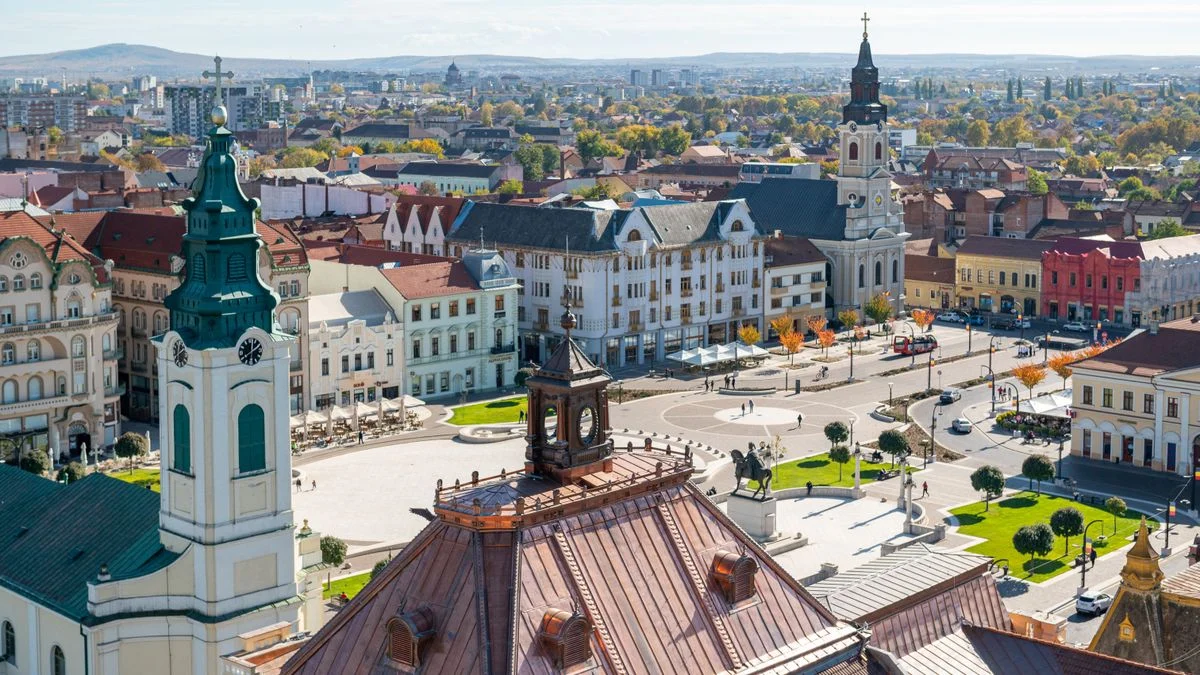
- The Rise of "Cool-cationing": Destinations in Northern Europe—specifically Scandinavia, the Baltics, and the British Isles—are seeing a surge in interest from tourists seeking refuge from the blistering temperatures of the Mediterranean.
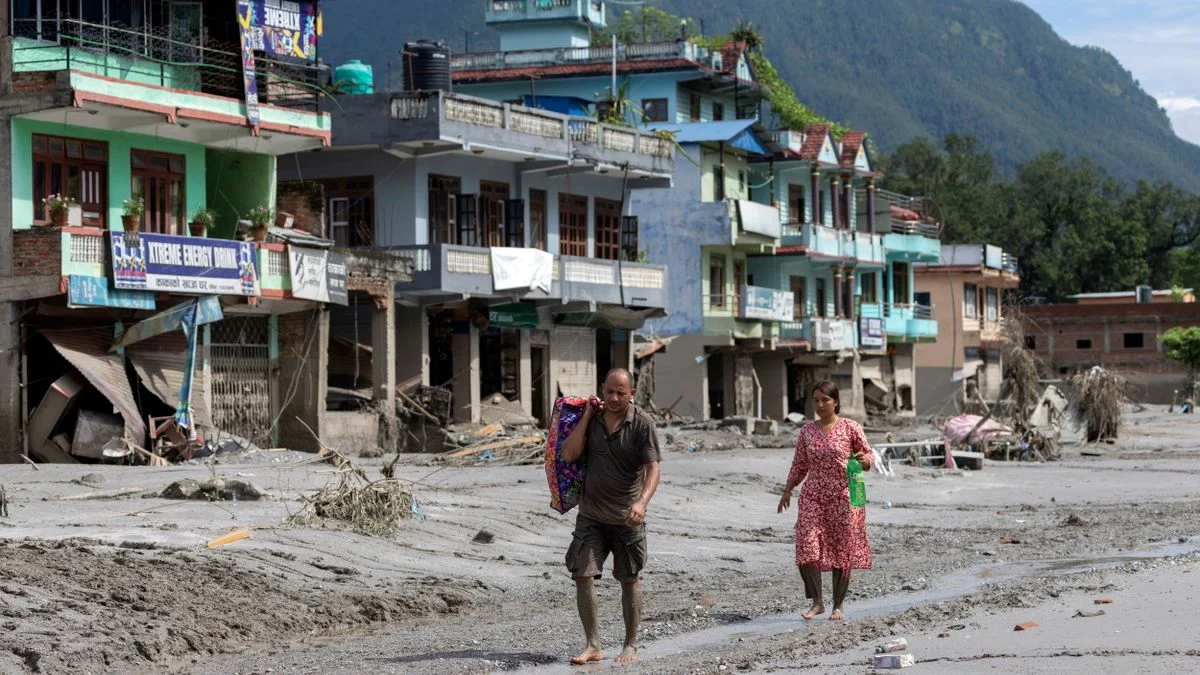
- Infrastructure Stress: Heatwaves are placing immense strain on local power grids and water supplies in popular tourist hubs, leading to instances of restricted water usage and public health warnings.
- Insurance and Liability: Travel insurance providers are recalibrating risk assessments, with climate-related disruptions—ranging from wildfire evacuations to flight cancellations due to heat-distorted runways—becoming a standard variable in policy pricing.
Chronology: A Decade of Escalating Disruption
To understand the current state of travel, one must look back at the accelerating timeline of climate-impacted events:
- 2017–2019: The Wake-Up Calls: Early signs emerged as record-breaking heatwaves hit Northern Europe, traditionally the "cool" refuge for travelers. These years marked the beginning of a shift in perception, as tourists realized that climate instability was global, not localized.
- 2021: The Mediterranean Burn: Severe wildfires in Turkey, Greece, and Italy during the summer of 2021 served as a visceral warning. The images of cruise ships evacuating tourists from beaches surrounded by smoke signaled a new era of crisis management in the tourism sector.
- 2022: The "Heat Dome" Reality: Europe experienced its hottest summer on record. The drought conditions, which saw the Po River in Italy shrink to historic lows, impacted not only agriculture but also river cruise tourism, a multi-billion dollar industry that relies on navigable waterways.
- 2023: The Year of Evacuation: The catastrophic wildfires on Rhodes forced the emergency evacuation of thousands of tourists. This event represented a psychological threshold: travel was no longer just about comfort; it was about safety.
- 2024–Present: The Strategic Pivot: Travel agencies and tour operators have begun incorporating "climate resilience" into their packages. Marketing campaigns for "Northern retreats" have shifted from niche to mainstream, and the industry is bracing for a fundamental reorganization of the peak travel calendar.
Supporting Data: The Quantitative Shift in Tourism
Data from international tourism organizations and climate monitoring agencies illustrate a stark reality. According to recent surveys by the European Travel Commission (ETC), the number of travelers prioritizing "climate comfort" has risen by 18% over the last four years.
Economic Impact Metrics:
- The Southern Slump: Regions heavily dependent on summer tourism in Southern Europe have reported a projected 5-8% decline in peak-season bookings for 2025, directly correlated with the rising frequency of extreme heat events.
- The Northern Surge: Countries like Norway, Sweden, and Denmark have reported double-digit growth in tourism revenue during the months of July and August, as the "cool-cation" trend takes hold.
- Flight and Infrastructure Data: Airports in high-heat zones are reporting more frequent "weight restrictions" on flights. Because thinner, hot air provides less lift, airlines are being forced to offload passengers or cargo to ensure safe takeoffs, causing widespread disruptions to travel schedules.
Official Responses: Navigating the Crisis
Governments and industry leaders are caught in a difficult balancing act: maintaining the vital revenue of the tourism industry while acknowledging that the current model is increasingly unsustainable.
The Governmental Approach
In Greece, the government has introduced "climate resilience fees" aimed at funding the reconstruction of infrastructure damaged by climate-linked natural disasters. Similarly, regional authorities in Spain have launched public awareness campaigns aimed at water conservation, explicitly asking tourists to treat water as a finite, precious resource.
The Corporate Response
Major travel conglomerates, including TUI and various global hotel chains, are now investing heavily in "climate-proof" infrastructure. This includes advanced air conditioning systems, solar-powered energy grids to offset high consumption, and the development of "emergency management protocols" that include real-time, AI-driven evacuation plans for guests.
"The industry is moving from a reactive to a proactive state," says Elena Rossi, a sustainable tourism consultant. "We are seeing a shift where hotels are being designed with heat-reflective materials and local water desalination units as standard, not as luxury additions."
Implications: The Future of the Global Tourist
The implications of this shift are far-reaching, touching upon ethics, economics, and the very nature of human leisure.
1. The Ethical Dilemma
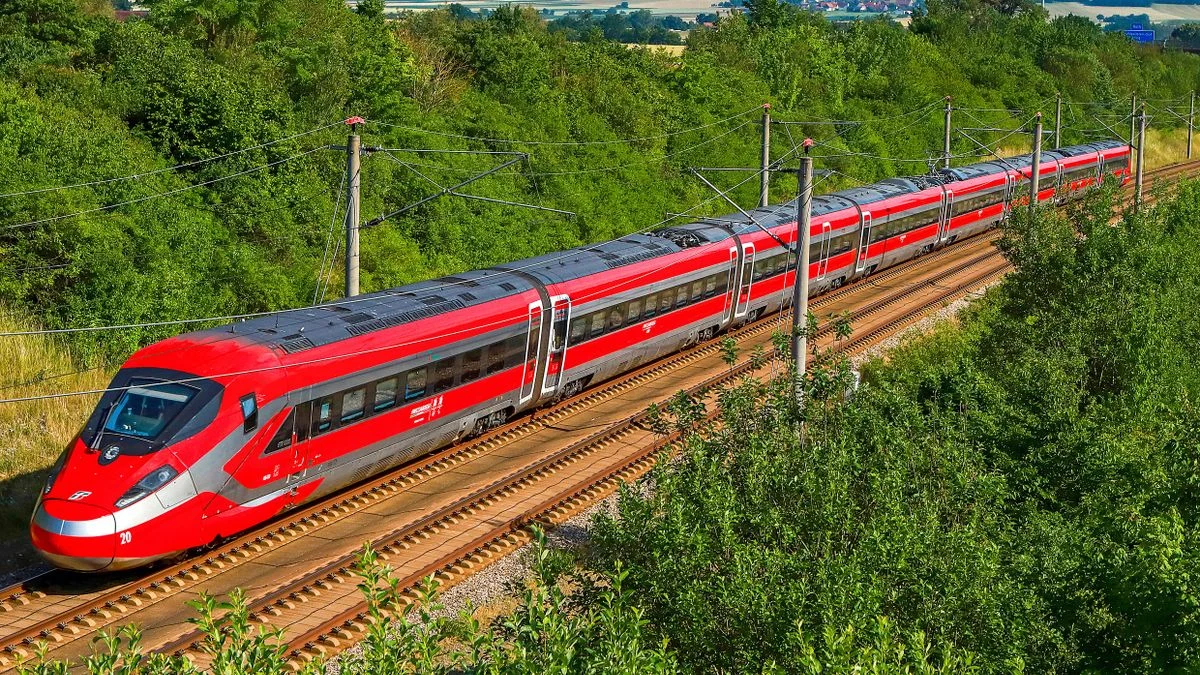
As temperatures rise, the environmental impact of tourism—specifically carbon-intensive long-haul flights—is coming under fire. Travelers are increasingly asking themselves if their vacation footprint is exacerbating the very conditions they are trying to escape. This has led to a growth in "slow travel," where tourists opt for trains and local destinations to minimize their ecological impact.
2. Economic Inequality
There is a looming risk of a "climate divide" in tourism. Wealthier travelers will likely have the means to adapt—moving their travel dates, choosing premium air-conditioned resorts, or migrating to more expensive, cooler climates. Low-income travelers, who rely on fixed holiday schedules and budget-friendly, sun-drenched destinations, may find themselves excluded from the market or, worse, trapped in high-risk zones during dangerous weather events.
3. The Reconfiguration of Landscapes
The tourism industry is a major land-use player. As interest shifts, we may see a massive influx of investment into Northern regions that are currently unprepared for mass tourism. This could lead to the "Disney-fication" of fragile Nordic or Baltic ecosystems, potentially destroying the very serenity that tourists are traveling there to find.
4. A New Definition of "Luxury"
In the coming years, the definition of a luxury destination will change. It will no longer be about gold-leaf lobbies or infinity pools; it will be about climate stability, consistent power, clean water, and safe, predictable weather patterns. The "cool, dark, and quiet" room in a region with a temperate climate will command a premium over the "sun-drenched" resort that requires constant, resource-heavy cooling.
Conclusion: Adapting to the New Reality
The climate crisis is effectively ending the era of the "guaranteed" vacation. The traditional model, predicated on the assumption of stable, predictable weather, has been rendered obsolete by the realities of a warming planet.
For the traveler, the new mandate is education and flexibility. Understanding the climate profile of a destination—not just for the month, but for the week—is becoming as essential as checking the passport or booking a flight. For the industry, the challenge is even greater: to survive, it must decouple its growth from carbon intensity and build a model that respects the planetary boundaries of the destinations it serves.
As we look toward the future, the most successful destinations will be those that prioritize sustainability and resilience, transforming themselves into refuges rather than just consumption hubs. The travel industry is in the midst of its most significant transformation since the invention of the jet engine. Whether it can adapt to a world that is fundamentally changing remains the defining question of the decade.