Introduction: A Jewel Emerging from the Shadows
For decades, the architectural splendor of Oradea, a city nestled in the Crisana region of northwestern Romania, remained largely obscured by the heavy cloak of the post-Communist transition. Yet, in recent years, a remarkable transformation has taken place. Through an aggressive and meticulous restoration campaign, Oradea has reclaimed its identity as one of Central Europe’s most stunning hubs of Art Nouveau and Secessionist architecture. As travelers look for affordable, culturally rich alternatives to the saturated tourism markets of Western Europe, Oradea has emerged as a beacon of aesthetic revival, offering a glimpse into a Belle Époque dream that is both accessible and remarkably well-preserved.
Main Facts: The Architectural Rebirth
Oradea’s metamorphosis is not merely a cosmetic endeavor; it is a structural and cultural rehabilitation of a city that once stood as a vital bridge between the Austro-Hungarian Empire and the Balkan Peninsula. The city’s core features hundreds of buildings designed in the "Secession" style—a local variation of Art Nouveau characterized by organic lines, intricate floral motifs, and bold geometric patterns.
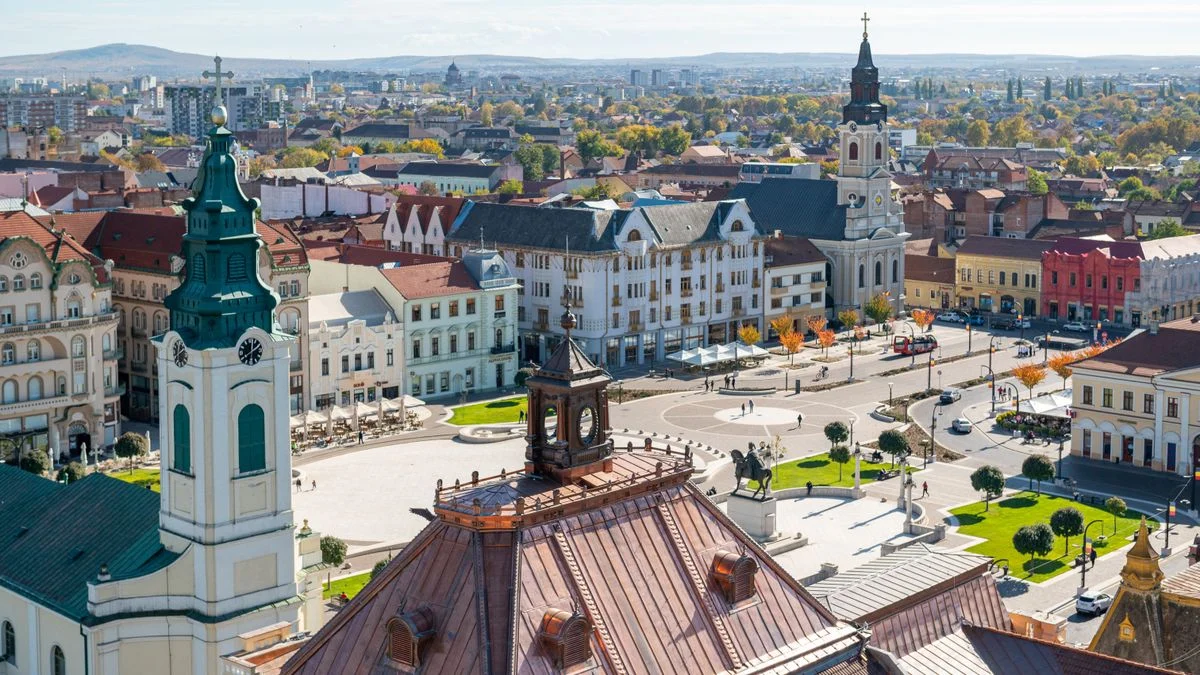
The most iconic of these is the Black Eagle Palace (Palatul Vulturul Negru), a masterpiece of the early 20th century. With its vast stained-glass skylights and opulent interior passage, it serves as the centerpiece of the city’s ongoing restoration efforts. Beyond individual buildings, the city has invested heavily in pedestrianizing its historic squares, most notably Unirii Square, which acts as the city’s living room. By restricting vehicular traffic and prioritizing public space, Oradea has created a walkable urban environment that rivals the elegance of Budapest or Vienna, but at a fraction of the cost.
Chronology: A Century of Change
To understand Oradea’s current status, one must look back at its turbulent timeline:
- 1867–1918: As part of the Austro-Hungarian Empire, Oradea (then known as Nagyvárad) experienced an economic and architectural boom. The city became a magnet for avant-garde architects who sought to bring the latest European styles to the eastern frontier.
- 1918–1989: Following the dissolution of the Austro-Hungarian Empire, the city became part of Romania. The subsequent decades of the 20th century, particularly under the Communist regime, saw many of these grand edifices fall into disrepair. Maintenance was neglected, and the city’s identity was suppressed under industrial standardization.
- 2000–2010: Following the fall of the Iron Curtain, the city faced a decade of decay. Many buildings were labeled as "dangerous" due to falling masonry, and the city’s historic center faced an identity crisis.
- 2012–2020: The municipal government secured significant European Union funding for urban regeneration. A master plan was initiated, prioritizing the façade restoration of historical monuments and the modernization of public infrastructure.
- 2021–Present: Oradea is now internationally recognized as a "City of Art Nouveau." It has joined the "Reseau Art Nouveau Network," a prestigious international organization that links cities committed to the preservation of the style.
Supporting Data: Economic Accessibility vs. Quality of Life
Data from local tourism boards and European economic indices highlights the distinct advantage Oradea holds over its competitors. While the average hotel price in cities like Prague or Vienna has spiked by over 40% in the last three years, Oradea remains remarkably affordable.
| Metric | Oradea (Average) | Western European City (Avg) |
|---|---|---|
| Daily Meal Cost | €15–€20 | €45–€60 |
| Mid-range Hotel (Night) | €50–€70 | €150–€220 |
| Cultural Entry Fees | €2–€5 | €15–€25 |
| Public Transport (Daily) | €2 | €8 |
Furthermore, the city has reported a 35% increase in annual tourist visits since 2018. This growth is supported by a robust digital infrastructure, with the city being one of the first in the region to implement "Smart City" initiatives, including free high-speed Wi-Fi throughout the historic district and integrated digital transport passes.
Official Responses and Strategic Planning
The transformation of Oradea was not a spontaneous occurrence but the result of a deliberate, long-term strategic vision formulated by the municipal council. Mayor Florin Birta has frequently noted that the goal of the restoration was to "give the citizens back their pride."
In a recent press release, the local administration stated: "Our restoration policy is twofold: first, we protect our history; second, we build a future. By investing in the preservation of the Black Eagle Palace and the surrounding streets, we are creating an environment where the private sector—cafes, galleries, and boutique hotels—can thrive, thereby creating sustainable jobs for the local population."
Critics of the project initially voiced concerns about "gentrification," arguing that the restoration might drive out local businesses. However, the municipal council implemented tax incentives for long-term local tenants and strictly enforced regulations against turning historic apartments into short-term rental properties that exclude residents. This approach has allowed the city to maintain a genuine "lived-in" feel, rather than becoming a hollowed-out tourist trap.
Implications: The Future of Cultural Tourism
The success of Oradea offers a blueprint for other post-Communist cities seeking to leverage their architectural heritage. By emphasizing restoration over new construction, Oradea has managed to create a unique value proposition.
Implications for Travelers
For the modern traveler, Oradea represents the "new frontier." As travelers seek out "hidden gems" to escape the crowds of Venice or Barcelona, cities like Oradea provide an authentic experience where history is still being written. The city’s thermal baths—a tradition dating back to the Turkish occupation—provide an additional layer of wellness tourism that further differentiates it from other European destinations.
Implications for Urban Policy
For urban planners, the case of Oradea serves as a successful case study in EU funding utilization. By aligning local heritage with broader European cultural objectives, the city was able to unlock the capital necessary for large-scale renovations. The lesson here is that cultural heritage, when properly managed and integrated with modern digital services, can become the primary driver of a city’s economic resurgence.
Conclusion: A City Ready for the World Stage
Oradea is no longer the "forgotten" city on the border of Romania and Hungary. It is a vibrant, evolving organism that has successfully navigated the transition from the austerity of the past to the prosperity of the present. Whether it is the ornate details of the Darvas-La Roche House or the bustling terrace life of the pedestrianized central district, the city offers an immersive experience that feels both familiar and refreshingly new.
As global tourism continues to rebound, Oradea stands ready. It offers what many travelers are currently searching for: a destination that respects its past, invests in its beauty, and welcomes visitors without the exhaustion of mass-market over-tourism. For those willing to venture into the heart of Transylvania, Oradea is not just a stop on a map; it is a testament to the resilience of beauty and the power of civic pride. It is, quite simply, the best-kept secret in Europe—at least for now.