


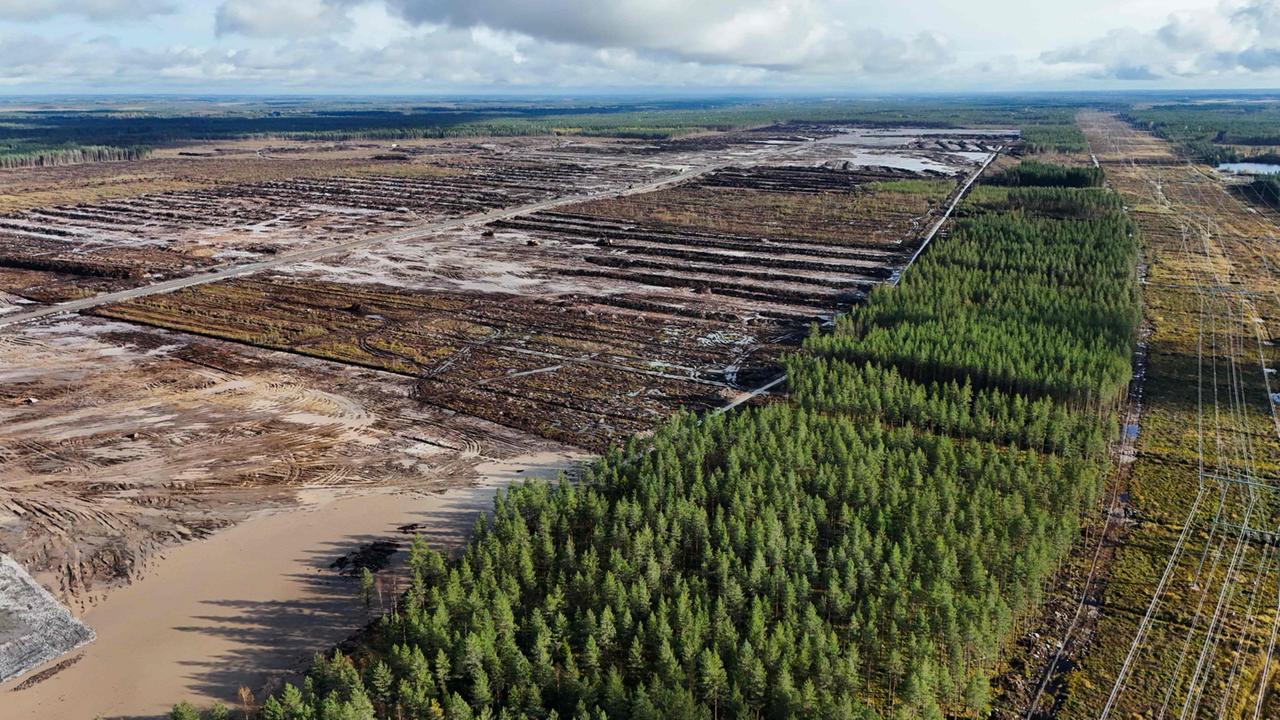
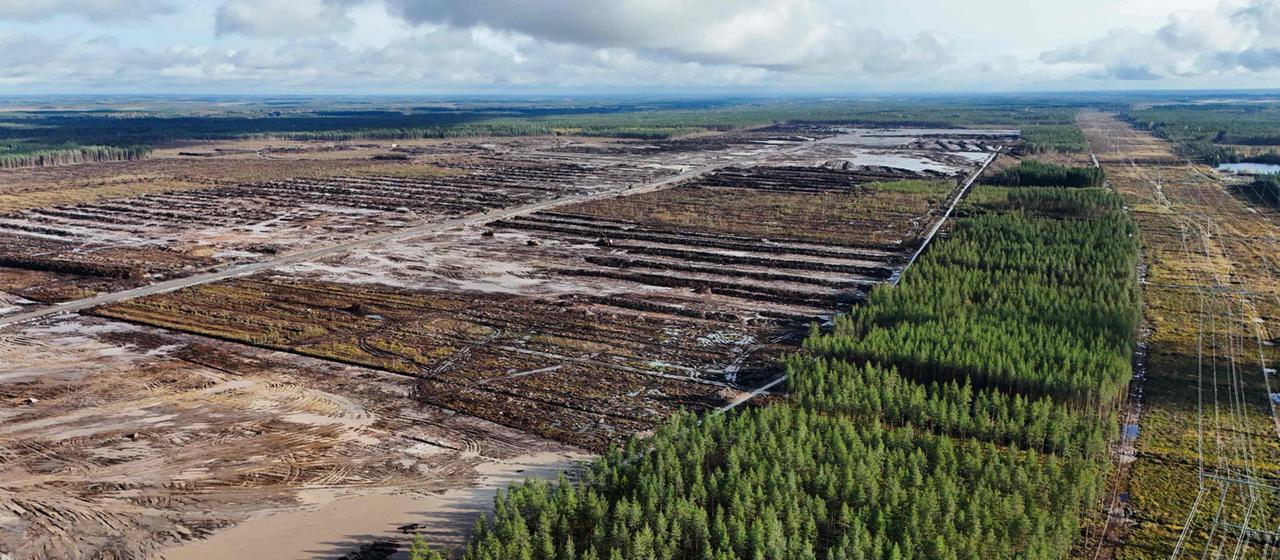
Muhos, Finland – October 14, 2026 – A vast swathe of forest, once a verdant expanse stretching over 300 hectares near the Finnish municipality of Muhos, now lies starkly bare. This dramatic clearing, equivalent to more than 400 football fields, is not the result of a natural disaster but a deliberate act of land preparation for a colossal data center planned by the American tech giant, Google. However, the project has been abruptly halted by Finnish authorities, sparking a national debate about the environmental cost of digital infrastructure and the potential for unchecked corporate expansion. At the heart of the controversy lies a significant accusation: the extensive deforestation appears to have proceeded without the necessary environmental impact assessments, permits, and a finalized development plan.
The Shocking Scale of Deforestation and Regulatory Scrutiny
The visual impact of the clear-cutting is stark. The exposed earth, stripped of its arboreal cover, paints a somber picture against the typically lush Finnish landscape. This rapid transformation has sent ripples of concern through environmental circles and beyond. The Finnish Nature League, a prominent environmental advocacy group, has been at the forefront of raising alarms. Hanna Halmeenpää, the chairwoman of the organization, has described the situation as "extraordinary" and potentially indicative of either "gross negligence or immense audacity – or both."
The core of the Nature League’s concern centers on the procedural shortcuts allegedly taken. Halmeenpää asserts that the logging operations were initiated before the completion of crucial environmental compatibility studies. This alleged bypass of established regulatory processes has led to the immediate suspension of work by Finnish authorities, leaving the future of Google’s ambitious project in Muhos uncertain.
Environmental Concerns Beyond the Trees: Water Contamination Risks
The ecological implications of this large-scale deforestation extend beyond the immediate loss of woodland. The exposed forest floor in Muhos contains soil types that are particularly susceptible to acidification. Environmentalists warn that this poses a significant long-term risk to the region’s waterways. When rainwater percolates through these exposed, acidic soils, it can leach pollutants. This contaminated runoff could then flow into local rivers and streams, potentially disrupting aquatic ecosystems and impacting water quality for surrounding communities.
The Finnish Nature League has highlighted the delicate balance of the local environment and the potential cascading effects of such extensive land alteration. The concern is that the accelerated erosion and altered drainage patterns could have unforeseen and detrimental consequences for the natural heritage of the region.
Google’s Apology and Commitment to Rectification
In the wake of the controversy, Google has issued an apology for the events that transpired. Antti Järvinen, the Finnish country manager for the tech behemoth, acknowledged in an interview with Finnish broadcaster mtv that mistakes were made. He stated that decisions were based on the best available knowledge and understanding of current legislation at the time. Järvinen unequivocally accepted responsibility for the situation, emphasizing that the onus lies with the company.
Google has pledged to work collaboratively with the relevant authorities to thoroughly review the situation and implement measures to prevent any potential environmental damage. This commitment to cooperation signals a desire to navigate the crisis and potentially salvage the project, albeit under increased scrutiny. The company’s public stance aims to reassure both the Finnish public and regulatory bodies of its dedication to responsible development.
The Economic Aspirations of Muhos: A Quest for Jobs and Growth
Despite the environmental headwinds, the planned data center represents a significant economic opportunity for the municipality of Muhos. Mayor Kimmo Hinno has expressed considerable optimism about the project’s potential to revitalize the local economy. With a population of fewer than 9,000 residents and the nearest major city a considerable drive away, Muhos stands to benefit immensely from the influx of investment and employment.
Mayor Hinno foresees a dual benefit: job creation during the construction phase and sustained employment opportunities once the data center is operational. Furthermore, he anticipates a surge in demand for local services, including hospitality and accommodation, as the project brings new people and economic activity to the area. The data center is viewed by local leadership as a catalyst for much-needed growth and diversification in a region that has historically relied on more traditional industries.
Finland’s Growing Appeal to Tech Giants: A Double-Edged Sword
Google’s investment in Muhos is part of a larger trend. The tech giant plans to inject a total of 13 billion euros into Finland’s digital and energy infrastructure. Several factors contribute to Finland’s increasing attractiveness for major technology corporations. The country’s consistently low ambient temperatures are a significant advantage, allowing for more efficient and cost-effective cooling of servers. Additionally, electricity prices in Finland remain relatively competitive compared to many other global locations, further enhancing its appeal for energy-intensive data center operations.
However, this burgeoning data center boom presents a new set of challenges for Finland. The accelerating pace of artificial intelligence (AI) development is driving an insatiable demand for computational power, which in turn fuels the need for more data centers. These facilities are massive consumers of energy, both for powering servers and for their extensive cooling systems.
The Energy Dilemma: Powering the AI Revolution
The exponential growth in data center infrastructure raises critical questions about energy supply and sustainability. Concerns are being voiced about the potential long-term impact on electricity prices for households and businesses in the region. Minister of the Environment Sari Multala has underscored the government’s responsibility to ensure that consumers continue to have access to sufficient electricity at reasonable prices. This delicate balancing act between fostering technological innovation and safeguarding energy affordability is a key policy challenge.
The sheer energy requirements of large-scale data centers necessitate a robust and sustainable power grid. As Finland aims to position itself as a hub for AI and digital innovation, ensuring that this growth is not at the expense of energy security or affordability for its citizens will be paramount. The government faces the task of navigating this complex landscape, potentially through increased investment in renewable energy sources and stringent energy efficiency regulations for data center operators.
The Broader Implications: Nature’s Price for the AI Boom
The situation in Muhos transcends a single construction project. It serves as a potent illustration of the substantial land footprint required for the burgeoning digital infrastructure underpinning artificial intelligence. The future of Google’s project in Muhos hinges on ongoing negotiations with regulatory authorities, who will determine the conditions under which construction can proceed.
What is already clear is that the expansion of AI infrastructure, while promising significant economic opportunities, is also inherently intertwined with potential conflicts. The case highlights the urgent need for a transparent and robust regulatory framework that balances the ambitions of global tech giants with the imperative of environmental protection and sustainable development.
As Finland continues to attract significant foreign investment in its digital sector, the lessons learned from Muhos will be crucial. The nation must establish clear guidelines and enforce them rigorously to ensure that technological progress does not come at an unacceptable cost to its natural environment and the well-being of its communities. The question of "how much nature does the AI boom cost?" is no longer a hypothetical one; it is a pressing reality that demands immediate and thoughtful consideration. The path forward requires a commitment to responsible development, where innovation and environmental stewardship are not mutually exclusive but rather interdependent components of a sustainable future.







