By MDR Sachsen
Updated: July 4, 2026, 06:00 AM
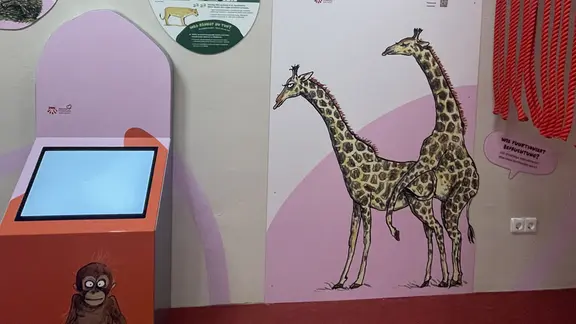
The Naturschutz-Tierpark Görlitz, a beacon of conservation and environmental education in eastern Saxony, has launched a daring and innovative new permanent exhibition titled "Wild Love Stories." Moving beyond the traditional scope of zoo exhibits, which often focus on habitat and taxonomy, this installation invites visitors into the intimate, often complex, and occasionally startling world of animal reproduction, courtship, and family life. By blending interactive displays with rigorous scientific context, the park aims to demystify biological processes that are frequently shied away from in public settings.
The Core Concept: Education Through Engagement
"Wild Love Stories" is designed to be more than just a gallery of information; it is an immersive "discovery world" that bridges the gap between scientific accuracy and public accessibility. According to Katja Halla, a key representative of the Görlitz Tierpark, the exhibition’s primary goal is to provide a comprehensive look at the life cycles of various species—from the intricate rituals of courtship and the mechanics of mating to the biological demands of pregnancy and the subsequent care of offspring.
"The discovery world is curated to be child-friendly, ensuring that younger visitors can grasp the wonders of nature, while simultaneously offering deep enough insights to remain intellectually stimulating for adults," Halla explains. The exhibition takes inspiration from the acclaimed children’s book The Love Life of Animals, successfully translating the written word into a three-dimensional, interactive experience.
Chronology of Development and Launch
The gestation of this project was marked by careful planning and a commitment to transparency. Recognizing the sensitive nature of the subject matter—which includes anatomical details and mating behaviors—the park management spent significant time designing the spatial flow of the exhibition.
- Conceptualization: Drawing from pedagogical research and the success of the source book, the curatorial team decided to structure the exhibition as a journey through the biological stages of life.
- Implementation: Over several months, the team integrated high-tech multimedia components, such as animations and interactive quizzes, with physical displays.
- Soft Launch/Review: Before the grand opening, focus groups were utilized to ensure the content met the park’s high standards for scientific integrity and age-appropriate presentation.
- Grand Opening: The exhibition officially opened its doors to the public on Saturday, July 4, 2026, marking a new chapter in the zoo’s educational outreach programs.
Navigating the Biology of Reproduction
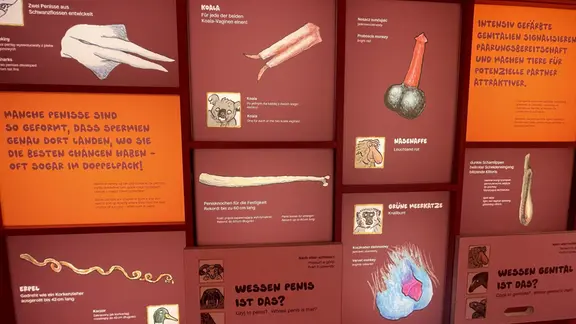
A central pillar of "Wild Love Stories" is the "Mating" room, a dedicated space that addresses the more explicit aspects of animal biology. The park has taken a highly responsible approach to this section. Recognising that some visitors—particularly families with young children—may prefer to opt-out of certain displays, the area is clearly marked with age-appropriate warnings.
"It is about providing context," says Halla. "Parents have the agency to decide exactly what their children are ready to see and discuss. The room is not hidden, but it is clearly signposted so that there are no surprises."
Inside this space, the exhibition offers a candid look at the diversity of nature. From the mating habits of the echidna to the anatomical variations of primates and marsupials, the displays answer questions that often arise in a zoo setting but are rarely addressed with such scientific directness. For instance, the exhibition explores the morphology of genitalia in species such as proboscis monkeys, green monkeys, and koalas. These displays are paired with clear, non-judgmental scientific descriptions that serve to educate rather than shock.

Supporting Data: The Complexity of Nature
Beyond the "Mating" room, the exhibition delves into the fascinating variations in reproductive strategies across the animal kingdom. One of the most highlighted features is the unique birth process of the kangaroo.
"The kangaroo is essentially born twice," Halla notes, explaining the display that breaks down the process. "First, it emerges from the womb in a very embryonic state, crawls into the pouch, and continues to develop until it is ready for its ‘second birth’ as a fully formed juvenile." This display serves as a perfect example of how the exhibition uses specific animal case studies to illustrate broader evolutionary strategies.

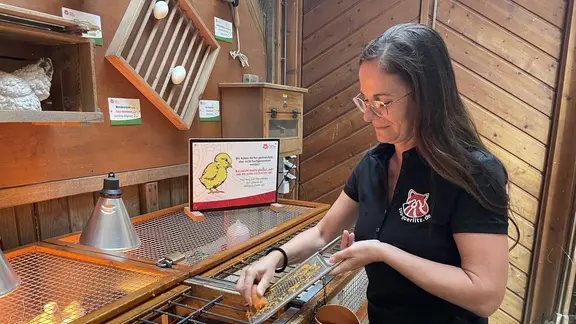
Furthermore, the exhibition integrates "everyday" animal care into its narrative. In the calmer, more domestic sections of the exhibit, visitors can observe staff like Katja Halla performing daily tasks, such as preparing specialized nutrition for chicks. These moments of quiet, nurturing care provide a necessary counterpoint to the more intense biological lessons presented in other sections of the exhibition.
Official Responses and Educational Philosophy
The reaction from the scientific and local communities has been largely positive. By addressing the biological reality of animal existence, the Görlitz Tierpark is positioning itself as a leader in comprehensive zoological education. The park’s management emphasizes that biology does not have a "taboo" section, and by removing the stigma from these topics, they hope to foster a greater respect for the natural world and the challenges animals face in the wild.

The educational design is also built for longevity. "We recognize that knowledge evolves," says Halla. "Therefore, we have designed the exhibition to be modular. We plan to swap out individual elements and displays over the coming years to keep the content fresh, current, and engaging for returning visitors."
Societal and Educational Implications
The "Wild Love Stories" exhibition arrives at a time when the role of zoos is under intense scrutiny. Critics often ask whether modern zoological institutions are still relevant in the age of the internet and high-definition nature documentaries. The Görlitz Tierpark’s answer is a resounding "yes," provided that the institution offers something that a screen cannot: a tangible, interactive, and scientifically grounded experience.

By treating visitors as mature learners, the exhibition promotes a higher level of scientific literacy. It encourages families to have open, honest conversations about nature, reproduction, and the cycle of life. In a broader sense, this exhibition is a testament to the idea that nature, in all its forms, is worth studying.
Key Takeaways for Future Visitors
- Interactivity: The exhibit concludes with a knowledge-based quiz, allowing visitors to test what they have learned.
- Accessibility: The content is designed to be layered, making it equally suitable for a curious child and a scientifically minded adult.
- Responsibility: The clear labeling and room-specific signage ensure that the exhibition respects the diverse comfort levels of its audience.
Conclusion: A New Standard for Zoological Exhibits
The Naturschutz-Tierpark Görlitz has set a high bar with "Wild Love Stories." By successfully navigating the fine line between scientific openness and public sensitivity, they have created an exhibition that is both brave and necessary. As the park continues to iterate on this model, it will likely serve as a blueprint for other institutions looking to modernize their educational offerings.
In an era where the connection between humans and the natural world is more fragile than ever, providing a space where we can learn about the most intimate aspects of animal life with dignity and curiosity is a significant achievement. Whether one is interested in the unique birth of a kangaroo or the evolutionary adaptations of primate anatomy, "Wild Love Stories" offers a compelling, educational, and deeply human look at the mechanics of life on Earth.
Visitors are encouraged to visit the Naturschutz-Tierpark Görlitz to experience the exhibition firsthand and engage with the ongoing evolution of the displays. For those interested in the broader context of the park’s work, the exhibition stands as a testament to their dedication to providing a holistic understanding of the animal kingdom, proving that when it comes to nature, the truth is often more fascinating than any story we could invent.