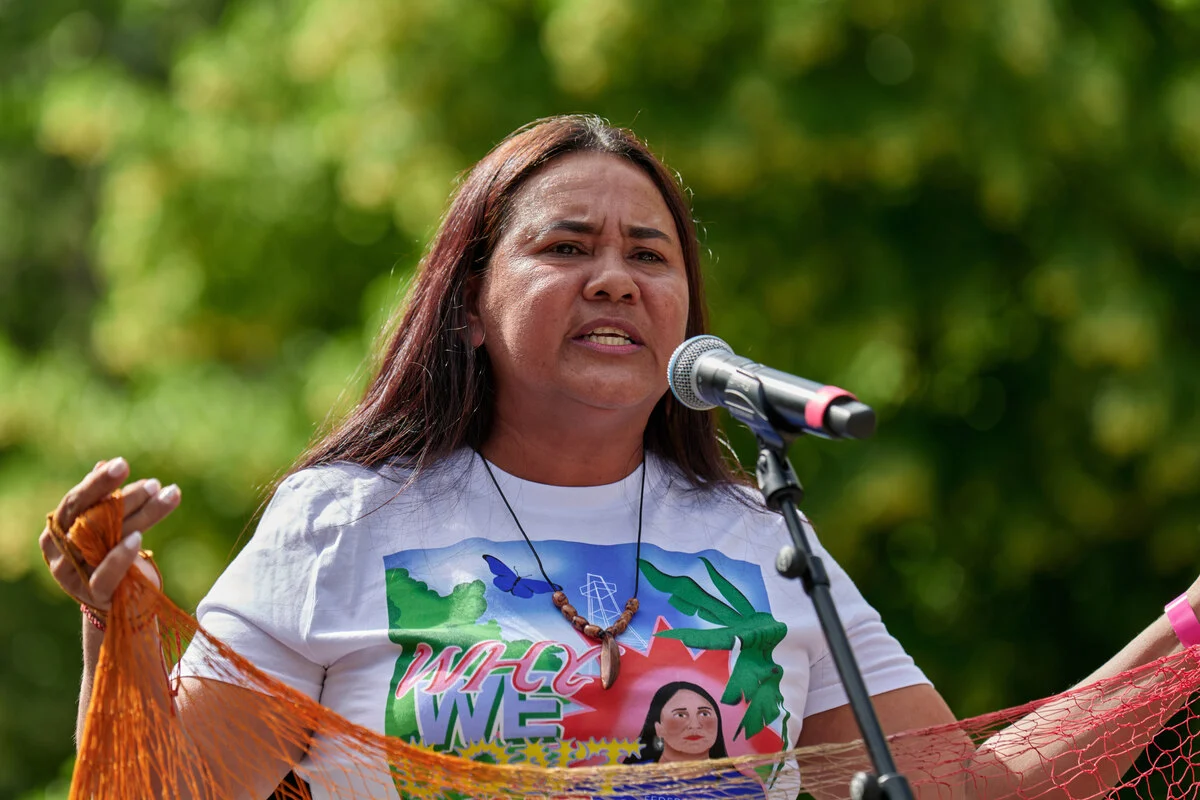
In the lush, water-rich landscapes of the Santander region in northeastern Colombia, the act of fishing has become a radical, life-threatening pursuit. Yuli Andrea Velásquez Briceño, a prominent environmental engineer and the president of the Federation of Artisanal Fishers of Santander (Fedepesan), lives under the shadow of a constant, lethal threat. Having survived three separate assassination attempts, Velásquez is once again the target of a chilling campaign of intimidation, highlighting the systemic danger faced by those who dare to defend Colombia’s natural resources.
The recent escalation in threats against her life—and the lives of her colleagues—serves as a grim reminder that Colombia remains, according to data from Global Witness, one of the most dangerous countries in the world for environmental activists. As she calls for urgent international solidarity, her struggle brings to light a complex web of corruption, organized crime, and corporate negligence that threatens both the lives of local leaders and the ecological integrity of the region.
The Anatomy of a Threat: A Pattern of Intimidation
The most recent wave of terror began during a routine professional development workshop for local entrepreneurs. In the midst of the session, Yuli Velásquez received a phone call that would shatter any semblance of security she had managed to build. According to her testimony, the caller was Jhon Jairo Fernández Pórtala—known by the alias "Marihuano."
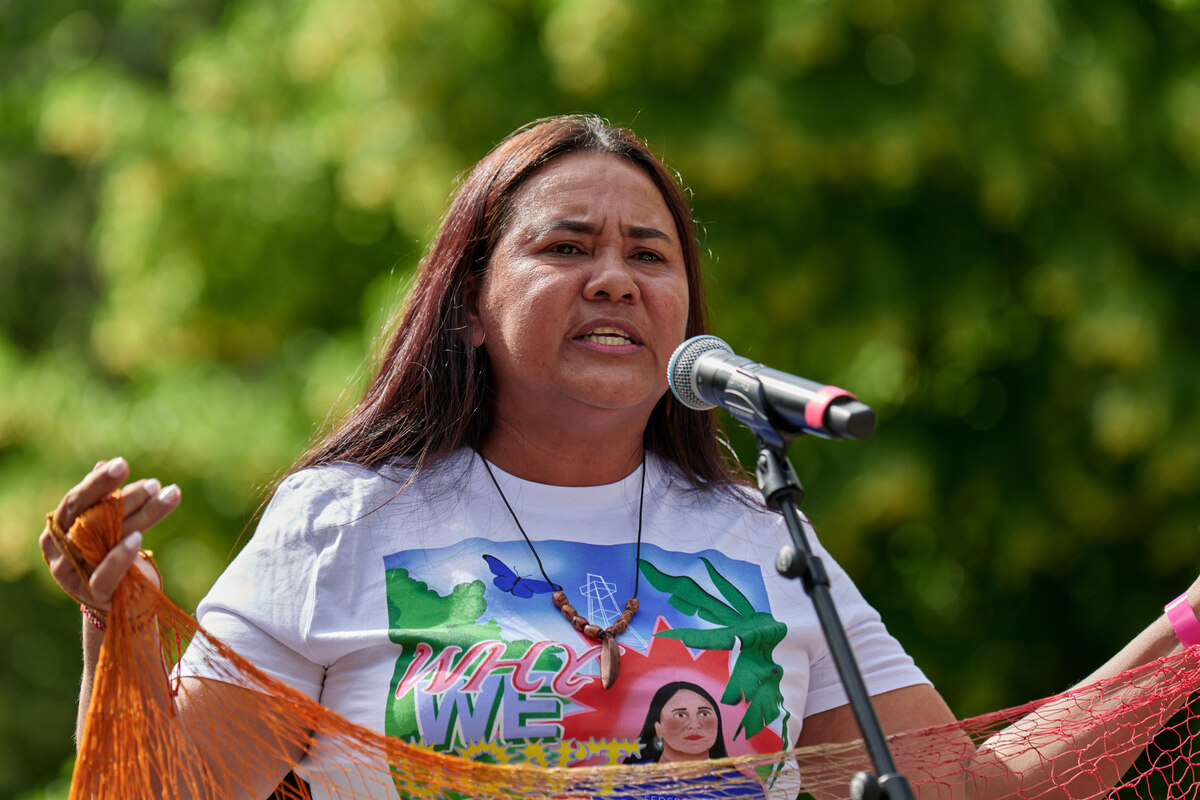
"Marihuano" is a notorious figure in the region, currently incarcerated on charges of multiple murders and identified as the leader of the criminal gang "Los de la M." The demand was blunt: Velásquez was ordered to appear at a clandestine meeting to pay "protection money." When she refused to succumb to the extortion, the threats transitioned from verbal warnings to a barrage of digital harassment, with aggressive messages sent to her WhatsApp number.
This was not an isolated incident. María Teresa Beltrán, an inspector for Fedepesan, was subjected to similar coercive tactics. The modus operandi is clear: criminal actors seek to dismantle the organized resistance of local communities by targeting their leadership. By threatening the lives of individuals like Velásquez and Beltrán, these groups aim to silence the oversight that Fedepesan provides over the region’s delicate riverine ecosystems.
Chronology of a Crisis: From Conservation to Conflict
The conflict in Santander is not new, but its dimensions have shifted. For decades, artisanal fishers have navigated the dangerous terrain of the Colombian internal conflict, caught between the agendas of guerrilla factions and paramilitary groups.

- Historical Context: Historically, the region has been a battleground for territorial control. Many fishers have been forced to flee their ancestral homes, while others have paid the ultimate price, their bodies often discarded in the very waterways they once sought to protect.
- The Rise of Eco-Activism: Yuli Velásquez, combining her traditional knowledge as a fisher with her professional training as an environmental engineer, helped transform Fedepesan into a formidable advocacy organization. In partnership with the human rights group CREDHOS, the federation began documenting the environmental degradation caused by industrial activities.
- The Ecopetrol Controversy: A primary point of contention has been the alleged pollution of the region’s wetlands and lake systems by the state-owned oil giant, Ecopetrol. While the company has consistently denied these allegations, Fedepesan and CREDHOS have documented evidence of water contamination and corruption, specifically citing irregularities in the awarding of contracts for the renaturization of water bodies involving both Ecopetrol and the regional environmental authority (CAS).
- Escalation: The pressure has reached a boiling point in the last two years. Two weeks prior to the latest round of direct threats, armed men were observed harassing fishers who were attempting to document the deaths of manatees—a keystone species in the region. Simultaneously, surveillance footage captured unidentified individuals prowling around the homes of activist leaders.
Supporting Data: The Cost of Stewardship
The situation in Santander is a microcosm of a national crisis. The data provided by international human rights watchdogs paints a bleak picture of the current state of environmental governance in Colombia.
According to reports from Global Witness, the killing of environmental defenders in Colombia reached record levels in 2025. The country consistently ranks at the top of the global list for the number of activists murdered for defending land and the environment. This violence is not random; it is structural. It thrives in areas where state presence is weak, where illegal economies (such as drug trafficking and illegal mining) overlap with legitimate industrial interests, and where corruption prevents the rule of law from protecting the vulnerable.
The significance of the work performed by Fedepesan cannot be overstated. By monitoring the health of the Magdalena River basin and its surrounding wetlands, these fishers provide the only consistent oversight in a region plagued by industrial pollution. Their documentation of "environmental crimes" is the foundation for any potential legal action, making them the primary obstacle for those who profit from the destruction of the ecosystem.

Official Responses and the Need for Protection
Despite receiving the Colombian National Human Rights Award and, more recently, the Amnesty International Germany Human Rights Award in 2024, Yuli Velásquez remains in a precarious position. She and her family have been living under government-sanctioned protection measures for years, yet the persistence of the threats proves that these measures are insufficient.
In a recent meeting with the Ombudsman’s Office (Defensoría del Pueblo) and the Prosecutor’s Office (Fiscalía), Velásquez spoke with harrowing clarity about the complexity of her situation. She noted that the number of criminal groups operating in the area has grown so significantly that it is often impossible to distinguish which group is behind a specific threat. The fragmentation of armed groups in the post-conflict era has created a "hydra" effect, where the neutralization of one leader or gang leads to the immediate emergence of another.
The state’s response has historically been reactive rather than proactive. While the provision of bodyguards and armored vehicles is a necessary emergency measure, it does not address the root cause of the violence: the impunity of the criminal networks and the lack of corporate accountability regarding environmental impacts.

Implications: A Call for Global Solidarity
The case of Yuli Velásquez and the fishers of Santander serves as a critical test for the international community. The implications of their struggle extend far beyond the borders of Colombia:
- The Integrity of Global Climate Action: If those who protect the world’s most vital ecosystems are systematically eliminated, global climate goals become unattainable. The protection of wetlands and river systems is crucial for biodiversity and carbon sequestration.
- Corporate Responsibility: The allegations against Ecopetrol and local authorities underscore the need for international supply chain transparency. Investors and partners must demand that companies operating in high-risk zones adhere to strict human rights and environmental due diligence standards.
- Human Rights as Environmental Protection: The international community must recognize that environmental protection is a human right. Supporting organizations like Fedepesan is not merely an act of charity; it is an investment in the rule of law and the survival of the planet.
As Yuli Velásquez continues her work under the shadow of the gun, her plea for international support is a call for more than just diplomatic statements. It is a demand for concrete action—for the international monitoring of human rights abuses in the region, for pressure on the Colombian state to dismantle the criminal networks that threaten its citizens, and for the global recognition that her fight is, ultimately, a fight for the future of our shared environment.
In the words of the activists themselves, the goal is not just to survive, but to continue the work of stewardship. Until the state can guarantee the safety of those who stand between the environment and its exploiters, the waters of Santander will remain as treacherous as the politics that govern them.