Kyiv’s decisive move to resume drone attacks on Russian oil refineries signals a critical juncture in the ongoing conflict, highlighting a deepening rift with the United States over strategic military aid and diplomatic initiatives. President Volodymyr Zelenskyy’s announcement, coupled with accusations of intentional US interference with vital Starlink satellite communications and intelligence sharing, paints a picture of a strained alliance navigating complex geopolitical currents. Meanwhile, the Black Sea remains a volatile arena, and warnings of Ukraine facing its "worst winter" since the invasion underscore the humanitarian stakes.
Executive Summary: A Strained Alliance and Escalating Conflict
Ukraine has officially declared the resumption of its drone attacks on Russian oil refineries, ending a brief, contentious pause that President Volodymyr Zelenskyy attributed to pressure from the United States. This decision comes amidst a backdrop of escalating tensions between Kyiv and Washington, with Zelenskyy alleging that the US military withheld crucial intelligence data and intentionally throttled Starlink satellite internet services, hindering Ukraine’s defensive and offensive capabilities.
The controversy is further fueled by former US President Donald Trump’s perceived efforts to forge an "energy ceasefire" with Russia, driven by domestic concerns over rising fuel prices ahead of US elections. Trump’s criticism of Ukraine’s refinery strikes and his call for Zelenskyy’s replacement have been met with a firm demand from Kyiv for advanced Patriot air defense systems as a prerequisite for any future cessation of attacks.
International observers, including the Wall Street Journal and The Independent, have voiced significant concerns over these developments, suggesting a potential shift in US policy that could weaken Ukraine’s position and embolden Russia. Concurrently, Russia has intensified its own attacks on Ukrainian energy infrastructure, raising fears of a devastating winter, while a mysterious drone incident involving a tanker in the Black Sea underscores the broader regional instability.
Escalation on the Energy Front: Ukraine’s Renewed Campaign Against Russian Refineries
Zelenskyy Declares "Blockade Lifted"
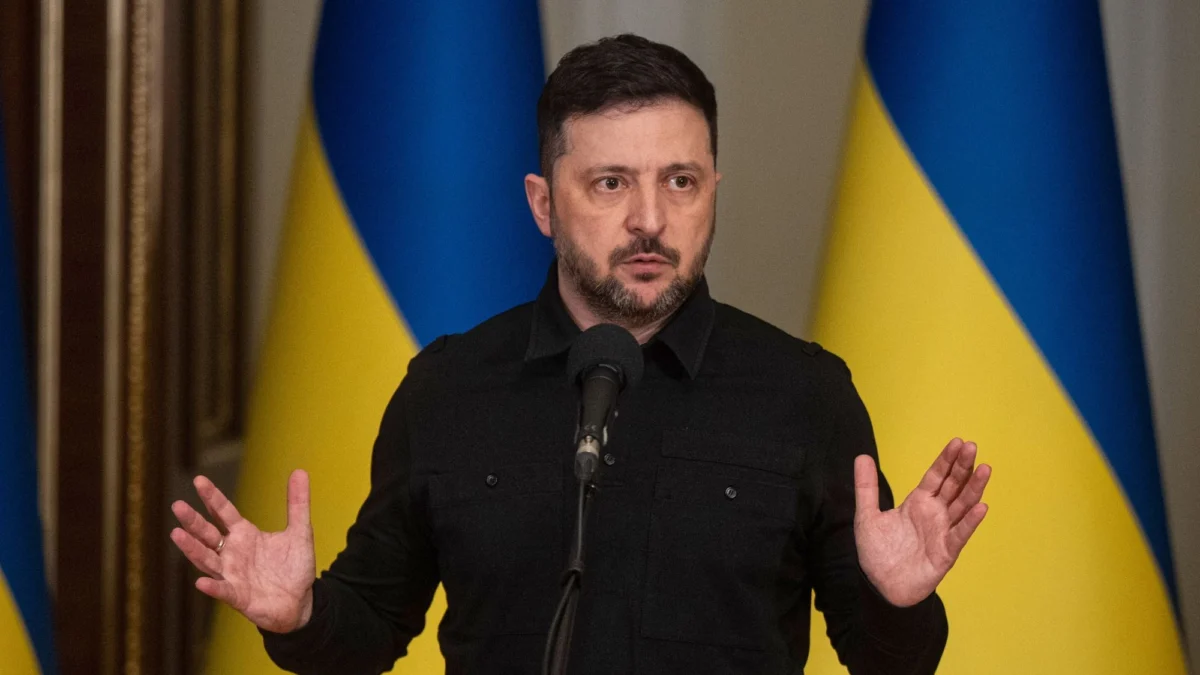
In a defiant declaration published in the Financial Times on Thursday, Ukrainian President Volodymyr Zelenskyy announced that Ukraine would resume its strategic attacks on Russian oil refineries. "The blockade is lifted. We are through with it," Zelenskyy stated unequivocally, signaling an end to a brief, two-day cessation of hostilities that had been initiated under considerable external pressure. These strikes target a critical component of Russia’s war economy, aiming to disrupt its fuel supply chains, reduce its revenue from oil exports, and inflict economic pain to undermine its military efforts.
The strategic importance of these refinery attacks cannot be overstated. By targeting Russia’s oil infrastructure, Ukraine seeks to directly impact Moscow’s ability to fund its war machine. Successful strikes can lead to fuel shortages for military operations, complicate logistics, and potentially drive up domestic energy prices within Russia, fostering internal discontent. Furthermore, these attacks serve as a potent symbol of Ukraine’s capacity to project power deep into Russian territory, challenging the Kremlin’s narrative of unchallenged dominance.
The Brief Hiatus and Alleged US Intervention
The decision to pause the attacks, Zelenskyy revealed, was not a unilateral strategic choice but rather a direct consequence of US pressure. According to the Ukrainian President, the temporary halt was initiated after former US President Donald Trump, in what was described as an effort to secure a diesel supply agreement with Russia, announced a bilateral "energy ceasefire" on attacks against energy infrastructure. Trump’s alleged motivation was to lower soaring fuel prices in the United States ahead of the crucial US Congressional elections, a concern reportedly exacerbated by broader geopolitical tensions that could impact global oil markets.
Despite Ukraine’s compliance with this two-day pause, Russia reportedly continued its relentless assaults on Ukrainian energy facilities. This perceived asymmetry—Ukraine halting its retaliatory strikes while Russia persisted with its aggression—deepened Kyiv’s frustration and fueled skepticism about the efficacy and fairness of the proposed "ceasefire." The incident highlighted the precarious position of Ukraine, caught between its urgent need for international support and the sometimes conflicting domestic political agendas of its key allies.
A Crisis of Trust: US Intelligence and Starlink Interference Allegations
The most alarming revelations from Zelenskyy’s interview centered on allegations of deliberate US actions that directly undermined Ukraine’s defensive capabilities. These claims have cast a shadow over the reliability of US support and raised fundamental questions about the nature of the alliance.
Withholding Critical Intelligence
Zelenskyy explicitly accused US military officials of threatening to withhold vital intelligence data if Ukraine did not cease its refinery attacks. More critically, he claimed that despite Ukraine’s two-day operational pause, US early warnings for incoming ballistic missiles—an indispensable component of Ukraine’s air defense strategy—were indeed withheld. While the US side reportedly dismissed this as a "technical glitch," Zelenskyy vehemently rejected this explanation, asserting it was an "intentional" act.
The implications of withholding such intelligence are profound. Early warning systems provide precious minutes for civilians to seek shelter and for air defense units to prepare their responses, significantly reducing casualties and damage to infrastructure. Denying this information, especially during intense Russian missile barrages, could be interpreted as a direct compromise of Ukrainian security and a betrayal of trust.
Starlink Throttling: Hindering Frontline Operations
Adding to the accusations, Zelenskyy also revealed that the Starlink satellite internet service, provided by Elon Musk’s SpaceX, had been throttled in Ukraine. Starlink has proven to be a transformative tool for the Ukrainian military, providing crucial communication capabilities on the front lines and enabling the operation of various drone systems for reconnaissance, targeting, and counterattacks. The alleged throttling, Zelenskyy contended, severely hampered these critical operations and impeded Ukrainian counter-offensives into Russian territory. Like the intelligence issue, he dismissed any notion of a "technical problem," insisting it was a deliberate act.
The strategic importance of Starlink to Ukraine’s war effort cannot be overstated. Its resilient, high-bandwidth communication links have allowed Ukrainian forces to maintain connectivity even when traditional infrastructure is destroyed or jammed. Any intentional degradation of this service would have immediate and severe consequences for battlefield coordination, drone efficacy, and overall operational tempo.
Trump’s Stance and Ukraine’s Conditions
The tensions between Ukraine and the US were further exacerbated by former President Donald Trump’s outspoken criticism. Trump not only condemned Ukraine’s attacks on Russian oil infrastructure but also went so far as to demand Zelenskyy’s replacement. This public denunciation from a prominent US political figure, especially one with significant influence, sent ripples of concern through Kyiv and among Ukraine’s allies.
In response to questions about a potential future pause in attacks to improve relations with the White House, Zelenskyy was resolute. He declared that such a concession would only be possible if Ukraine received, at a minimum, additional Patriot air defense missile systems from US production. This demand underscores Ukraine’s desperate need for advanced air defense capabilities to protect its cities and critical infrastructure from relentless Russian missile and drone attacks. The Patriot system is considered one of the most effective tools against ballistic and cruise missiles, and its acquisition is a top priority for Kyiv.
Zelenskyy further expressed broader criticism of the US administration’s perceived efforts to engage in business dealings with Moscow. He also pointedly accused Trump of harboring "admiration" for Russian President Vladimir Putin, a sentiment that has long been a source of unease among Western allies and a recurring theme in discussions about Trump’s foreign policy approach.
Chronology of Events: A Week of Diplomatic Tensions and Military Actions
The past week has seen a rapid succession of events, illustrating the volatile interplay between military actions, diplomatic maneuvering, and technological disruptions.
- Beginning of the Week: Ukraine, under alleged US pressure, implements a two-day pause in its drone attacks on Russian oil refineries. Simultaneously, allegations emerge of US early warning intelligence being withheld and Starlink services being throttled. Russia continues its attacks on Ukrainian energy infrastructure despite Ukraine’s pause.
- Saturday: Former US President Donald Trump publicly criticizes Ukraine’s refinery attacks and calls for President Zelenskyy’s replacement, advocating for an "energy ceasefire" and announcing a deal for US import of Russian diesel.
- Wednesday: President Zelenskyy, in an interview, announces the resumption of refinery attacks, details the alleged US intelligence and Starlink interference, and demands Patriot missiles as a condition for any future pause. He also makes a direct appeal to Elon Musk regarding Starlink. Later in the day, the Ukrainian Defense Ministry reports an improvement in Starlink connections, though speed caps remain. Separately, a possible drone attack on a tanker in the Black Sea is reported and investigated by Romania.
- Tuesday: Donald Trump denies any threats to withhold US intelligence from Ukraine.
- Ongoing: Russia continues its widespread missile and drone attacks across Ukraine, targeting cities and critical infrastructure, causing significant casualties and widespread damage. Simultaneously, Russia accuses Ukraine of violating the alleged "energy ceasefire" by attacking its refineries, while Ukraine denies these specific claims. Reports also emerge of a drone attack on a Sberbank data center in Russia.
Supporting Data and Expert Commentary
The unfolding events have drawn sharp reactions and analyses from prominent media outlets and experts, highlighting the gravity of the situation and its potential long-term repercussions.
Wall Street Journal’s Alarm Bell
The Wall Street Journal weighed in with a stark commentary, expressing profound concern that "US President Trump is trying to force Ukraine into an ugly ‘peace deal’ on Vladimir Putin’s terms." The paper specifically linked the alleged new restrictions on Ukraine’s use of Elon Musk’s Starlink network to this broader strategy. The Journal underscored that any throttling of Starlink would severely impair Ukraine’s ability to utilize its drones for intercepting enemy drones and for offensive operations, noting that Ukraine is already prohibited from using Starlink for strikes within Russia.
The commentary also emphasized Ukraine’s critical dependence on early warnings from its Western partners to activate air raid sirens and provide civilians with sufficient time to seek shelter. The recent absence of such warnings before Russian missile launches was highlighted as particularly alarming. While acknowledging the reported partial restoration of Starshield (a military version of Starlink) speeds, the Journal questioned whether the initial throttling was merely a technical glitch or a deliberate message from the White House, only to be reversed after the matter became public. The overarching conclusion was unequivocal: "Trump is increasingly siding with Putin and his invasion forces. If Starlink’s performance were to be throttled, that would be even more serious than his deal last weekend to buy Russian diesel. Don’t do it, Mr. President."
SpaceX and Starshield: The Chain of Command
In response to the controversy, Elon Musk, CEO of SpaceX, took to X (formerly Twitter) to clarify the command structure for the satellite systems. He stated that "Starshield systems belong to and are controlled by the US government," and that "any limitations on speed or usage are decided by the US military and ultimately by the POTUS (President of the United States)." Musk emphasized the distinction between Starshield, which is designed for military communication, and Starlink, which he described as serving "civilian and defensive purposes." Both systems were developed by his company, SpaceX. This clarification, while attempting to distance SpaceX from direct responsibility for any throttling, effectively pointed the finger at the US government, adding another layer of complexity to the allegations. The implications of speed limits are critical, as many Ukrainian drones operate at high velocities, and any cap can directly impair their operational effectiveness for both reconnaissance and attack missions.
The Diesel Deal and Congressional Outcry
A significant point of contention revolves around Donald Trump’s announced deal to import Russian diesel. This initiative was reportedly driven by the desire to alleviate domestic pressure from soaring fuel prices, a situation allegedly exacerbated by broader geopolitical tensions. Trump not only announced diesel imports from Russia, despite existing sanctions, but also proclaimed an "energy ceasefire" between Russia and Ukraine—a claim that President Zelenskyy explicitly stated he knew nothing about.
The Kremlin, for its part, confirmed on Wednesday that it expected initial diesel delivery contracts with the US "in the coming days," further solidifying the perception of a direct transaction between Washington and Moscow that bypassed Kyiv’s interests. This deal ignited fierce criticism within the US, with twelve US Senators, including six Republicans, accusing Trump of "betrayal" of the Ukrainian people. Their condemnation underscored the deep divisions within American politics regarding the support for Ukraine and the appropriate stance towards Russia.
Official Responses and International Reactions
The allegations and developments have triggered a wave of official responses from various international actors, attempting to clarify positions and manage the fallout.
US Administration’s Denials and Reassurances
Amidst the storm of accusations, Donald Trump personally denied on Tuesday that he had threatened to withhold US intelligence from Ukraine. A US government official, speaking anonymously, also denied any change in Washington’s policy regarding the exchange of intelligence information with Ukraine.
Internationally, there were efforts to downplay the severity of the alleged US actions. NATO Secretary-General Mark Rutte referenced Trump’s assurances that intelligence sharing would continue. The European Union likewise stated it saw "no signs" of a halt to US intelligence support. German Foreign Minister Johann Wadephul (CDU) also expressed that he recognized no "substantial reduction" in US support, attempting to project an image of continuity and unwavering commitment. These statements, however, stand in stark contrast to the direct accusations from President Zelenskyy and other high-ranking Ukrainian officials, highlighting a clear divergence in narratives.
Ukrainian Accusations of US Complicity
Ukrainian officials, however, have been far less diplomatic. A high-ranking Ukrainian government representative, speaking to AFP, bluntly accused the US of supporting Russia in the war by withholding critical warnings and throttling Starlink. "It is obvious," the official stated, "that Russia is being helped ‘for some reason.’" The official detailed that "on two occasions, the Americans did not inform us about the launch of Russian missiles when our energy sector was attacked." He added, "On top of that, they throttled the speed of Starlink." President Zelenskyy himself echoed this sentiment, lamenting that Ukraine was "once again" not warned in time. These accusations represent a significant breakdown in trust, openly questioning the loyalty and intentions of Ukraine’s most crucial ally.
Russian Counter-Accusations and Continued Aggression
For its part, Russia predictably used the situation to its advantage. Moscow accused Ukraine of violating the alleged "energy ceasefire" by conducting drone attacks on refineries in Saratov and Ryazan. Zelenskyy’s advisor Dmytro Lytwyn, however, quickly dismissed these counter-accusations.
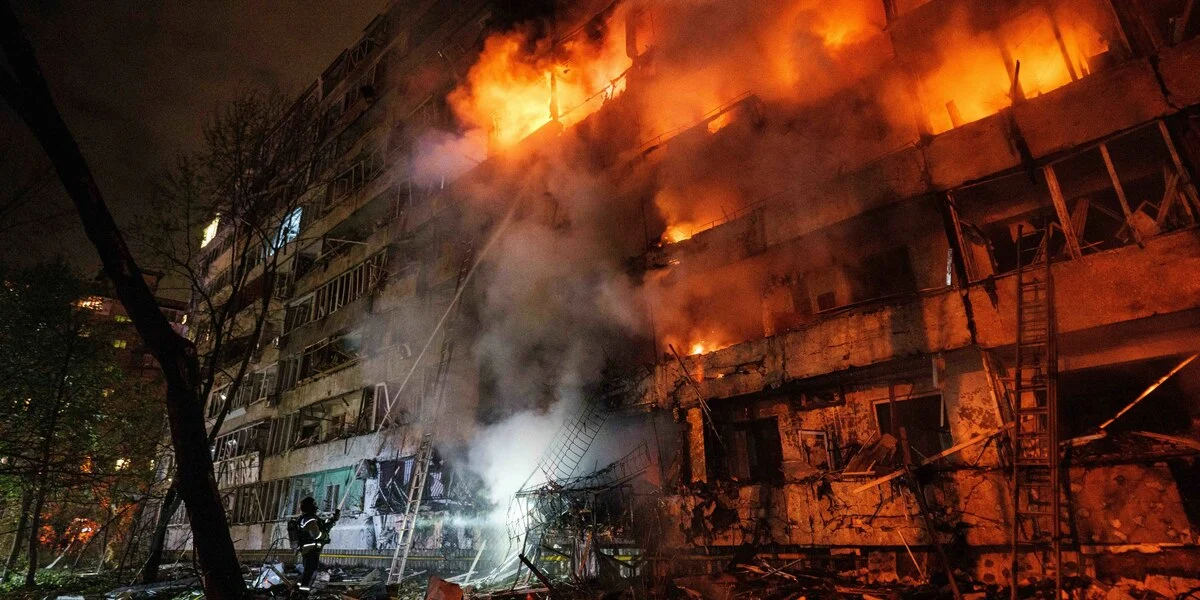
Meanwhile, Russia continued its relentless campaign of aggression across Ukraine. Authorities reported that six people were killed and dozens injured in Kyiv, where missiles struck in two consecutive nights before air raid alerts could be issued. A hit heating plant led to widespread power and water outages, underscoring Russia’s persistent targeting of critical infrastructure. Further casualties were reported in Lutsk (six dead) and in the Dnipropetrovsk and Zaporizhzhia regions (three dead), illustrating the broad geographic scope and devastating impact of Russia’s ongoing attacks. In southern Russia, a drone reportedly struck a Sberbank data center in Balakovo, killing one person, according to a media report, indicating that Ukraine’s retaliatory strikes are indeed continuing, albeit amidst controversy.
Broader Implications and Future Outlook
The current developments carry profound implications for the trajectory of the war, Ukraine’s resilience, and the future of international alliances.
The Dire Prospect of "The Worst Winter"
The London-based Independent offered a grim prognosis, warning that Ukraine faces its "worst winter since the war began." The commentary highlighted that if Ukraine has indeed lost American support for intelligence gathering and targeting of strategic Russian military and infrastructure facilities, "it will be far more difficult to stop the Russians from incessantly bombing Ukraine’s cities day after day, week after week."
As "another long and bitter winter approaches," Russia is once again targeting Ukraine’s gas, electricity, and water supplies, reportedly "on an unprecedented scale." The Independent emphasized that "all this will get considerably worse if Ukrainians are denied access to US intelligence and satellite data." Such a scenario, the paper argued, would bring "the ultimate catastrophe of defeat for Ukraine nearer, even if its troops on the front lines do not give up an inch of territory."
The commentary also pondered whether US President Donald Trump could be persuaded by his inner circle to genuinely work towards ending the conflict for a chance at a Nobel Peace Prize, rather than merely speaking about peace. However, the more probable scenario, according to the Independent, is that this will indeed be "the bleakest winter for the people of Ukraine since the beginning of this war." The article concluded by affirming the unwavering resolve of the Ukrainian people, who "will have to muster all their strength to get through it, but they know that a Russian occupation of their country would be even worse."
Maritime Tensions in the Black Sea
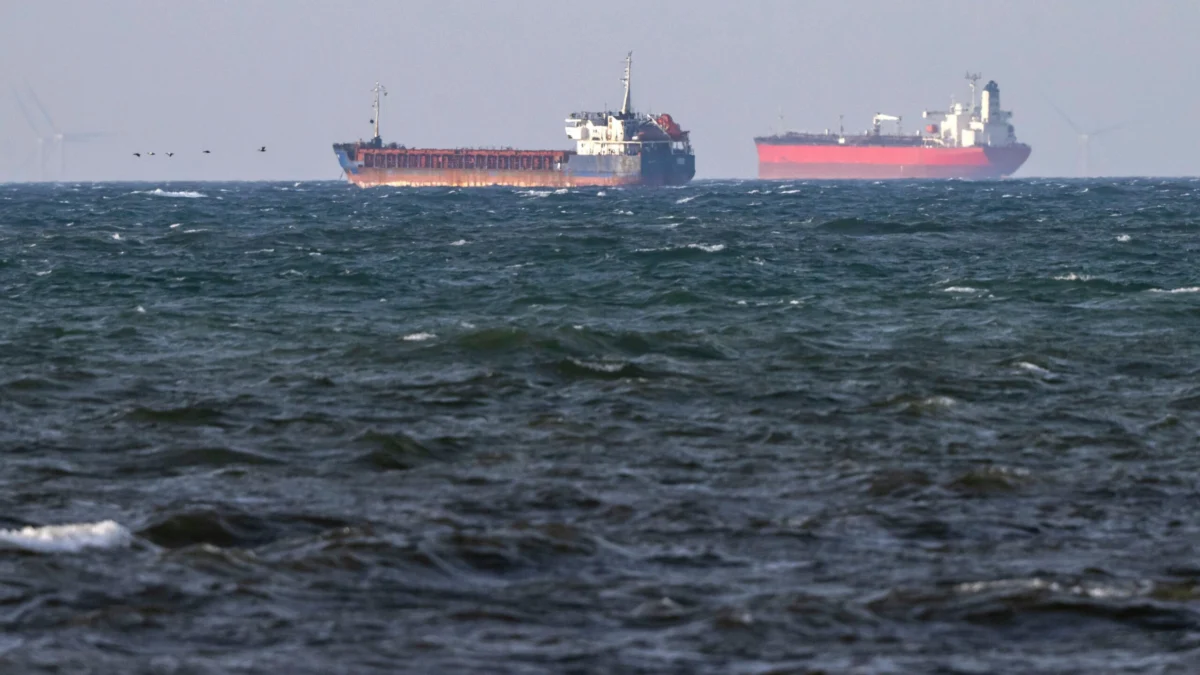
Further complicating the regional security landscape, Romania launched an investigation into a possible new drone attack on a tanker off its Black Sea coast. Romanian Defense Minister Radu Miruta stated on Digi24 television that a fire had erupted on the vessel "Yara J," sailing under the Comoros flag, on Wednesday evening. The crew managed to extinguish the blaze themselves. Miruta noted, "Whether it was hit by a drone or not is currently under investigation."
The Romanian Maritime Authority later reported that "twelve people were on board the ship. Four of them are safe, eight are still missing." They also noted a discrepancy in the vessel’s flag, stating it sailed under the flag of San Marino. Miruta described the incident as serious, occurring within Romanian territorial waters. According to the tracking website Vesselfinder, the "Yara J" is a chemical and oil product tanker that had been anchored for several days without cargo off the Romanian city of Sulina, near the Ukrainian border.
Earlier, the Romanian Ministry of Defense had announced that it scrambled two F-18 fighter jets to intercept "a group of aerial targets over the Black Sea." This incident follows a pattern of drone-related events in the Black Sea since Russia’s full-scale invasion of Ukraine. In the preceding week, alleged Russian drones reportedly struck several vessels off the coasts of Romania and neighboring Bulgaria, underscoring the persistent threat to maritime shipping and the heightened military activity in the strategically vital region.
Conclusion: A Precarious Balance
The recent developments underscore a profoundly precarious balance in the conflict. Ukraine’s decision to resume refinery attacks is a calculated risk, asserting its sovereignty and strategic autonomy, but potentially at the cost of strained relations with its most powerful ally. The allegations of US intelligence and Starlink interference, if substantiated, represent a critical breach of trust that could have lasting repercussions on military cooperation and the international perception of US commitment.
Amidst these internal alliance struggles, Russia continues its brutal campaign, capitalizing on any perceived weakness or division. The humanitarian outlook for Ukraine remains dire, with the prospect of a harsh winter compounded by relentless attacks on energy infrastructure. The volatile situation in the Black Sea further adds to the regional instability. Ukraine’s ability to navigate this complex web of military imperatives, diplomatic pressures, and technological dependencies will be crucial in determining its fate, highlighting the urgent need for a cohesive and unwavering international response to Russian aggression.