Antalya, Turkey – As the world prepares for the annual United Nations Climate Change Conference (COP), scheduled to commence on November 9 in Antalya, Turkey, the host nation has declared a bold central theme: the widespread electrification of global energy systems. This ambitious focus, aiming to significantly boost electricity’s share in final energy consumption, has been met with both cautious optimism and considerable skepticism from climate experts and international observers. The critical question underpinning this initiative, many argue, is not merely if the world electrifies, but how – specifically, whether this transformation will be powered predominantly by clean, renewable sources or continue to rely on the fossil fuels that exacerbate the climate crisis.
Turkey’s COP presidency announced in June its objective to elevate electricity’s contribution to global final energy consumption from its current level of just over 20 percent to an ambitious 35 percent by 2035. This target, if achieved through genuinely green means, could represent a significant stride towards decarbonization. However, the international community, particularly climate advocacy groups, is pressing for a clear commitment that this electrification must be exclusively driven by renewable energies, explicitly excluding the continued reliance on gas and coal power plants. The credibility of Turkey’s leadership on this front is under scrutiny, given its own domestic energy policies.
Marc Weissgerber, Managing Director of the international think tank E3G in Germany, articulated this central concern to Handelsblatt. "An electrification powered by renewable energies would be a genuine step forward," he stated. "If, however, it remains an electrification supported by fossil fuels, it would not signify a green transformation." This distinction is paramount, as a mere increase in electricity use, without a corresponding shift in generation methods, could simply relocate emissions rather than reduce them. The stakes are high for Antalya, as the conference navigates the complex interplay between energy demand, technological transition, and the urgent imperative of climate action.

A History of Climate Ambition: From Glasgow to Dubai
The annual UN Climate Change Conferences have, over the years, become crucial arenas for global climate negotiations, often stretching beyond their scheduled end dates to forge delicate compromises that accommodate the diverse interests of oil-producing states, developing economies, and industrialized nations alike. The journey towards a comprehensive global energy transition has been incremental, marked by significant breakthroughs alongside persistent challenges.
A notable turning point occurred at COP26 in Glasgow in 2021, where for the first time, a final conference document explicitly mentioned the need to "initiate the phase-down of unabated coal power and inefficient fossil fuel subsidies." While hailed as a historic acknowledgment, the language was carefully softened to "phase-down" rather than "phase-out," reflecting the formidable political hurdles in moving away from coal, especially for economies heavily reliant on it. The inclusion of fossil fuel subsidies, a major impediment to renewable energy deployment, was also a critical step, though implementation remains uneven globally.
The momentum continued, albeit slowly, at COP28 in Dubai in 2023. Here, countries reached an unprecedented agreement to "transition away from fossil fuels" – a phrase that, for the first time, directly addressed oil and gas in a COP outcome document. While not a definitive "phase-out" roadmap, it signaled a collective recognition of the need to move beyond all fossil fuels. Additionally, Dubai saw commitments to triple renewable energy capacity globally and double the pace of energy efficiency improvements by 2030. These targets underscore the strategic importance of electrification, as renewable sources primarily generate electricity, and enhanced efficiency reduces overall energy demand, easing the transition.

Despite these incremental successes, the global community has yet to establish a binding, universally accepted roadmap for the complete phase-out of fossil energies. Each COP builds upon the last, but the pace of progress is often criticized as insufficient to meet the ambitious goals of the Paris Agreement and limit global warming to 1.5 degrees Celsius. Turkey’s new emphasis on electrification at COP31 thus arrives at a critical juncture, attempting to accelerate a transition that has historically been fraught with geopolitical and economic complexities.
The Nuance of Electrification: Green vs. Grey
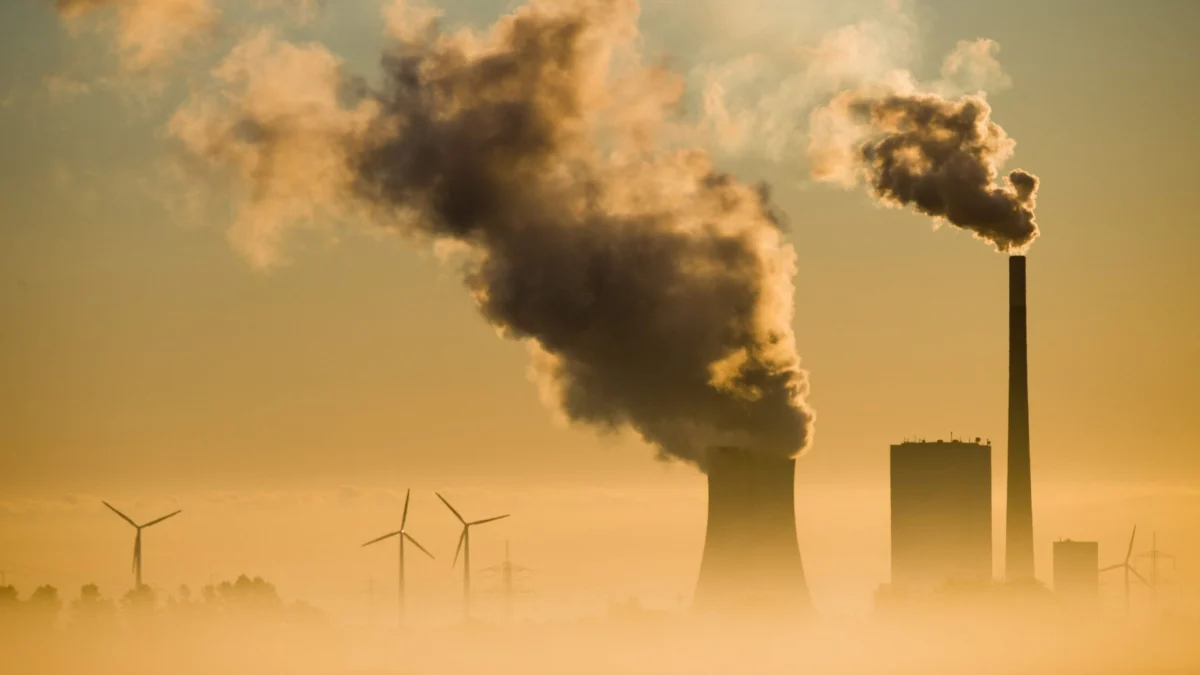
The Turkish COP presidency’s proposed electrification target of 35 percent by 2035 faces a fundamental question: what kind of electricity will power this expanded share? This is not a mere technical detail but the core of the climate challenge. As Marc Weissgerber of E3G highlighted, a transition to electricity fueled by continued or even increased reliance on coal and gas would represent a "grey" electrification, failing to deliver the necessary climate benefits. Such a scenario would merely shift the carbon footprint from direct fossil fuel combustion in end-use sectors to centralized power generation, potentially even entrenching existing fossil fuel infrastructure.
For electrification to be a true "green transformation," it must be coupled with a rapid and substantial expansion of renewable energy sources – solar, wind, hydropower, and geothermal. Only then can it genuinely contribute to reducing greenhouse gas emissions and achieving climate neutrality. This distinction is particularly pertinent for countries like Turkey, which, according to organizations like Climate Action Tracker, currently lack a clear plan to phase out fossil fuels and continue to invest in fossil energy projects. This apparent contradiction between the COP presidency’s stated ambition and its domestic energy strategy will undoubtedly be a point of contention and a test of its negotiating credibility.

The political feasibility of securing a truly green electrification target is also under scrutiny. Weissgerber expressed doubts that a consensus among all nations for a strict 35 percent target, explicitly tied to renewable energy sources, is politically achievable. The diverse energy landscapes and economic priorities of participating nations, especially those heavily dependent on fossil fuel exports or still developing their energy infrastructure, make such a binding commitment challenging. Consequently, softer formulations might emerge from the negotiations, such as a call for the "overwhelming majority" of new electricity to come from green sources, or the initiation of a "further process" for implementation. Even such diluted outcomes, Weissgerber noted, would still be important as a step forward. However, climate advocates will push for stronger, more unambiguous language to ensure that the electrification drive genuinely contributes to climate goals rather than merely creating a new pathway for fossil fuel consumption.
Official Perspectives and International Support
Despite the inherent complexities and criticisms, the overarching goal of increasing electrification is widely supported by international bodies and individual nations, including Germany and the European Union. They view it as a crucial pillar for climate protection, energy security, and economic growth.
Ingrid-Gabriela Hoven, a board member of the German Agency for International Cooperation (GIZ), strongly endorsed the electrification target proposed by the Turkish COP presidency, deeming it "correct and important." Speaking to Handelsblatt, Hoven emphasized the symbiotic relationship between electrification and renewable energies, stating that they "connect climate protection, security policy, and economic growth." Her perspective highlights the multifaceted benefits beyond mere emission reduction. The recent global crises, she pointed out, underscore "how important it is for us to become independent of fossil imports and to be able to cover our energy needs autonomously in Europe." This sentiment resonates particularly strongly in Europe, which has faced significant energy supply challenges and price volatility exacerbated by geopolitical events.
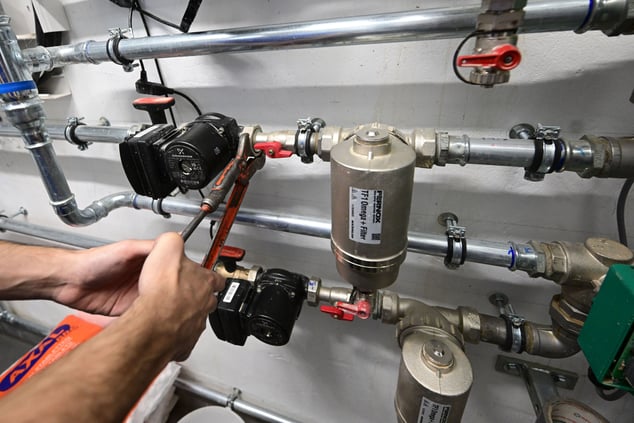
The GIZ, as a federal German agency, plays a practical role in this global transition. According to Hoven, GIZ advises partners in over 50 countries on how to navigate the shift towards a climate-friendly society in a socially equitable manner, while simultaneously capitalizing on economic opportunities in emerging green industries. This advisory role not only supports developing nations in their climate efforts but also, as Hoven noted, "benefits German companies, for whom new markets are opening up." This demonstrates how the push for global electrification and renewables can align development aid, climate policy, and national economic interests.
EU’s Strategic Push for Electrification
The European Union has also positioned itself as a strong proponent of electrification, signaling its intent to make it a central theme in the upcoming COP negotiations. In mid-October, the environment ministers of the 27 EU member states convened in Luxembourg to discuss their negotiating mandate for the climate conference. Germany’s Federal Environment Minister, Carsten Schneider (SPD), explicitly referred to a "new goal of electrification." He articulated the EU’s ambition, stating, "We want to spark new momentum at the COP to leave fossil fuels behind faster and advance sustainable electrical solutions." This statement underscores a shared European desire to accelerate the energy transition and leverage electrification as a primary tool.
The EU Commission had already laid the groundwork for this strategy in July, presenting a paper that proposed establishing a Europe-wide electrification target. This target would define the extent to which sectors such as transport, buildings, and industry would transition from oil, gas, or coal energy to electricity. The Commission’s vision for electrification extends beyond simply increasing electricity use; it aims to implement concrete policy measures. These include promoting the installation of heat pumps, which are significantly more energy-efficient for heating and cooling than traditional fossil fuel systems, and boosting the sales of electric vehicles to decarbonize the transport sector.

Crucially, the EU Commission also seeks to rebalance the price relationship between electricity and gas. Currently, in most member states, electricity is taxed at a higher rate than gas, inadvertently incentivizing the use of fossil fuels for certain applications. Adjusting this taxation structure could make electricity a more economically attractive option for consumers and industries, thereby accelerating the switch to electric solutions.
The Commission’s paper floats an electrification target of 46 percent for 2040 within the EU. However, this specific figure remains a subject of internal debate within the Commission itself. EU Energy Commissioner Dan Jørgensen advocates for setting the highest possible quota to drive ambitious change, while other EU Commissioners express reservations about such a strict, binding target, likely due to concerns about economic impact, infrastructure readiness, or member state autonomy. This internal EU discussion reflects the broader global challenge of translating ambitious climate goals into concrete, politically palatable, and implementable targets.
Germany’s Lagging Transition: A Case Study in Challenges
While Germany actively advocates for global electrification and a swift shift away from fossil fuels, its domestic performance in this critical area reveals a significant lag compared to many industrial peers. The electrification of processes traditionally reliant on fossil energy carriers like coal, gas, and oil is widely considered the "royal road" to climate protection. However, this holds true only if the electricity is generated from renewable sources. Germany’s current energy landscape highlights this challenge.

The country annually spends a staggering 80 billion Euros on the import of fossil energy carriers. A substantial portion of this vast expenditure, experts argue, is inefficiently utilized or even wasted. Processes powered by oil, coal, or natural gas are inherently inefficient, with a significant amount of energy lost as waste heat. This applies to internal combustion engines in vehicles, gas heating systems in buildings, and many industrial heat generation processes. In contrast, electric motors, heat pumps, and electricity-based industrial methods boast significantly higher efficiencies, meaning more useful energy is derived from the input.
Despite these clear economic and environmental advantages, Germany has struggled to accelerate its electrification. Fossil energy carriers – gas, coal, and oil – continue to dominate the nation’s energy mix by a wide margin, accounting for 78 percent of its total energy consumption. Electricity, in contrast, makes up only slightly more than 20 percent of Germany’s final energy use. This stark imbalance places Germany among the laggards in industrial electrification.
A comparison with other industrialized nations underscores Germany’s predicament. Countries like China, Japan, and Sweden, which are also heavily dependent on oil and gas imports, have made far greater strides. They have successfully transitioned between 30 to 33 percent of their energy consumption to electricity, and this trend is rapidly accelerating. Germany, on the other hand, has seen its share of fossil fuels in energy consumption remain largely unchanged over the past decade.

This significant lag has drawn sharp international criticism. Fatih Birol, the head of the International Energy Agency (IEA), minced no words at the Handelsblatt Energy Summit in January, stating that Germany’s independence could only be achieved through electrification. "The future of Europe and Germany will be decided by whether they manage to electrify their economies," Birol asserted. He highlighted that while other countries without their own fossil fuel reserves have long embraced electricity, Europe, and Germany in particular, are falling behind. "This is a big mistake," he concluded, emphasizing the urgent need for Germany to accelerate its energy transition to secure both its climate goals and its energy sovereignty. The internal challenges Germany faces in reforming its energy system serve as a potent microcosm of the broader difficulties encountered on the global stage.
Turkey’s Own Energy Trajectory Under Scrutiny
The effectiveness and credibility of Turkey’s presidency at COP31, particularly its championing of electrification, are intrinsically linked to its own domestic climate and energy policies. While Turkey has put electrification at the forefront of the conference agenda, its actual track record on climate action and fossil fuel dependency raises significant questions among environmental watchdogs.
The organization Climate Action Tracker (CAT), an independent scientific analysis group that tracks government climate action against the Paris Agreement, has been particularly critical of Turkey’s approach. CAT points out that Turkey currently "does not have a plan to phase out fossil fuels and continues to invest in fossil fuel projects." This assessment is a major concern, as it creates a disconnect between the ambitious rhetoric of the COP presidency and the reality on the ground. For a nation to effectively steer global negotiations towards a specific, climate-critical goal like electrification, its own commitment and demonstrated progress are crucial for building trust and influencing other states.

Turkey’s energy mix remains heavily reliant on coal and natural gas, with significant plans for expansion in these sectors. While the country has also invested in renewable energy, particularly hydropower and some solar and wind, the overall direction of its energy policy has not yet aligned with the rapid, comprehensive decarbonization that climate science demands. This internal contradiction could weaken Turkey’s negotiating position, making it harder to push for strong, binding commitments on green electrification from other nations, especially those with similar economic development priorities or fossil fuel interests. The challenge for Turkey will be to reconcile its domestic energy strategy with its international leadership role, demonstrating a clear path towards genuinely green electrification that can inspire confidence and drive global action.
The Road Ahead for COP31: Negotiating a Global Path
The upcoming COP31 in Antalya, with electrification as its cornerstone, faces a complex and often contentious negotiating landscape. The degree of binding commitment that the international community can agree upon regarding electrification will largely hinge on the negotiating skill and leadership of the Turkish COP presidency. It is their formidable task to synthesize diverse national interests, bridge divides between developed and developing economies, and forge robust compromises that can genuinely advance climate action.
The political realities of international climate negotiations suggest that achieving a universally binding, highly specific electrification target, particularly one explicitly mandating renewable sources, will be exceptionally difficult. History shows that COPs often conclude with carefully worded compromises designed to include a wide array of states, including those with significant fossil fuel interests or challenging development contexts. As Marc Weissgerber noted, it is conceivable that the final agreement might feature softer language, such as advocating for the "overwhelming part" of electrification to be derived from green sources, or initiating a "further process" to develop implementation strategies. Even such nuanced outcomes, while perhaps falling short of ideal climate ambition, would still be considered significant as they solidify the concept of electrification as a primary decarbonization pathway.

However, the urgency of the climate crisis demands more than soft language. The scientific consensus is clear: rapid and deep cuts in emissions are necessary to avert the most catastrophic impacts of global warming. This implies that the transition to electrification must not only be swift but also decisively green. The success of COP31 will therefore be measured not just by the adoption of an electrification target, but by the strength of the accompanying commitments to phase out fossil fuels, accelerate renewable energy deployment, and ensure equitable access to clean energy technologies for all nations.
The conference will serve as a crucial test of global solidarity and political will. It will highlight the ongoing tension between national economic interests and the collective imperative of climate action. The outcome will shape the global energy landscape for decades to come, determining whether electrification becomes a true engine of decarbonization or merely another battleground in the protracted fight against climate change. The world will be watching Antalya, hoping for a future powered not just by electricity, but by a collective commitment to a sustainable and resilient planet.