Paris, France – The investigation into a brutal shooting rampage in the western suburbs of Paris, which left one person dead and five injured, has intensified dramatically with the arrest of three additional individuals linked to the primary suspect. These detentions, made overnight and yesterday evening, follow an initial arrest on Friday of another person from the suspect’s close circle, bringing the total number of associates taken into custody to four. The escalating probe, spearheaded by France’s national anti-terror prosecutor’s office (PNAT), underscores the gravity of the incident, which President Emmanuel Macron has unequivocally condemned as a "racist terror attack."
The 39-year-old principal suspect, apprehended shortly after the Friday attack in the communes of Trappes and La Verrière, remains in police custody. Authorities confirmed that his detention was extended this morning following an initial interrogation, with his health condition deemed compatible with continued questioning. A critical aspect of the ongoing investigation includes a blood analysis to determine his "toxicological burden," potentially shedding light on any substance influence at the time of the deadly assault.
While the anti-terror prosecutor’s office has remained tight-lipped regarding the identities of the newly arrested individuals, declining to confirm French media reports suggesting the suspect’s mother is among them, their detention signals a concerted effort to uncover the full scope of the suspect’s network, motives, and any potential complicity or support. The involvement of the PNAT from the outset indicates that investigators are exploring not only the criminal aspects but also the ideological underpinnings of the violence, particularly in light of President Macron’s stark characterization.
Main Facts: A Community in Shock
The tranquility of the Parisian suburbs was shattered on Friday when a lone gunman, operating from a vehicle, unleashed a volley of automatic weapon fire on a public street. The attack, which unfolded across the adjacent communes of Trappes and La Verrière in the Yvelines department, west of Paris, instantly plunged the region into a state of alarm and grief.
One person tragically lost their life in the indiscriminate assault, while five others sustained injuries, some of them severe. Among the wounded was a twelve-year-old girl, whose critical condition highlighted the indiscriminate and devastating nature of the violence. The swift response by law enforcement led to the rapid apprehension of the 39-year-old male suspect, averting further potential bloodshed.
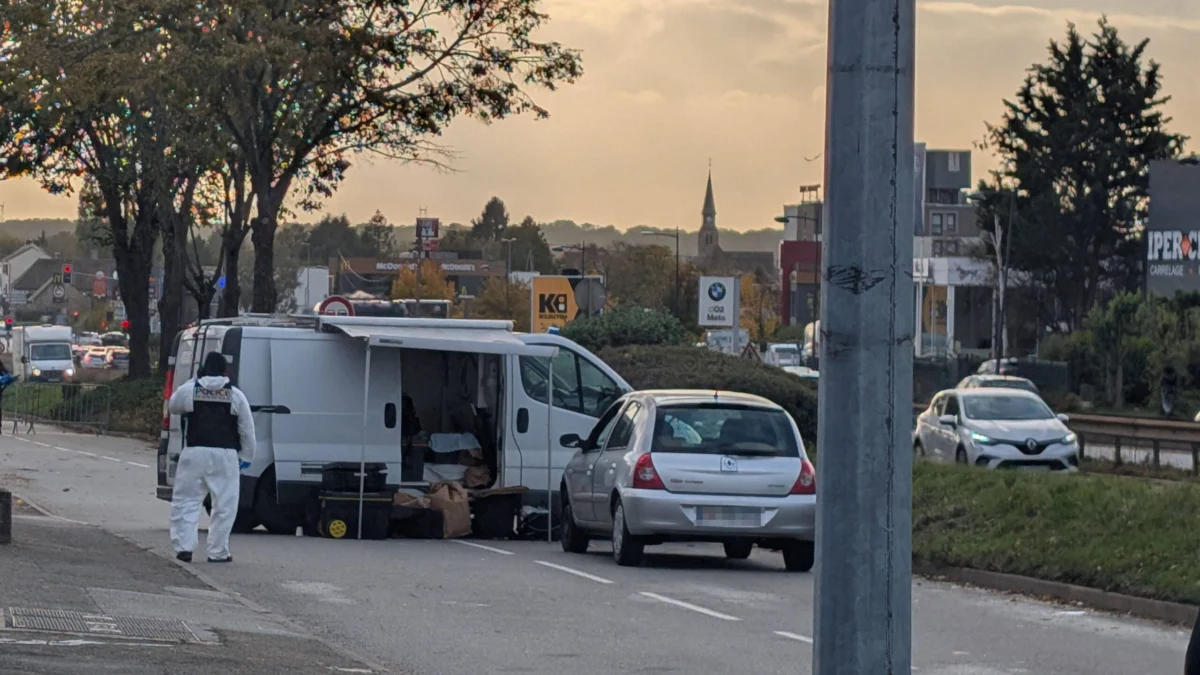
The immediate aftermath saw a massive deployment of emergency services, including police, gendarmerie, and medical personnel, who cordoned off the affected areas, provided first aid to the victims, and began the meticulous process of evidence collection. The incident sent shockwaves through the local communities, known for their diverse populations and close-knit social fabric, leaving residents grappling with fear, sorrow, and questions about the motives behind such a heinous act.
President Emmanuel Macron’s swift and unequivocal condemnation, labelling the incident a "racist terror attack," immediately elevated the national and political significance of the event. This characterization, coming from the highest office, set the tone for the subsequent investigation, directing it towards potential ideological motivations and away from mere criminal intent. The involvement of the national anti-terror prosecutor’s office further solidified the official stance that this was not an isolated act of violence but one potentially rooted in extremist ideology.
Chronology of a Deadly Day and Subsequent Investigation
The timeline of events, from the initial moments of terror to the deepening layers of the investigation, paints a picture of rapid response and a broadening search for answers.
Friday, [Date of Attack, e.g., November 29]: The Attack and Immediate Response
- Afternoon: Residents in Trappes and La Verrière witness a horrifying scene as a man fires an automatic weapon from a car into a public space. The precise timing of the initial shots and the exact route taken by the perpetrator are key points of the ongoing investigation, but reports confirm multiple locations were targeted.
- Immediate Aftermath: Panic ensues. Emergency services are inundated with calls reporting an active shooter. Police and medical teams are dispatched rapidly to the scene(s) of the shooting.
- Victims Discovered: Responders confirm one fatality and multiple injuries, including a critically wounded 12-year-old girl, highlighting the brutality and indiscriminate nature of the attack.
- Suspect Apprehension: Within a short timeframe, law enforcement officers successfully locate and apprehend the 39-year-old suspect. The swiftness of the arrest is crucial in preventing further casualties and is a testament to the effectiveness of local police and gendarmerie units.
- Initial Custody and Investigation Launch: The suspect is immediately taken into "garde à vue" (police custody). Given the nature of the attack and the weapon used, the national anti-terror prosecutor’s office (Parquet National Anti-Terroriste, PNAT) quickly takes charge of the investigation, indicating a suspected terror motive.
- First Arrest of an Associate: As part of the initial investigative sweep, a person from the suspect’s immediate circle is taken into custody on Friday, signalling the authorities’ immediate focus on potential accomplices or those with knowledge of the suspect’s intentions.
Saturday, [Date after Attack, e.g., November 30]: Intensification of the Probe
- Overnight/Evening Arrests: Building on intelligence gathered, the anti-terror prosecutor’s office orders the arrest of three more individuals. These detentions target the suspect’s "familial and friendly environment," suggesting an effort to map out his social and personal network and determine the extent of any support or shared ideology.
- Suspect’s Custody Extended: Following an initial period of questioning, the principal suspect’s police custody is formally extended. French law allows for extended detention periods, particularly in terror-related cases, to facilitate thorough interrogation and evidence gathering. Medical assessments confirm his fitness for continued detention.
- Toxicological Analysis: Authorities announce that a blood analysis is underway to ascertain the suspect’s "toxicological burden." This crucial step aims to determine if drugs, alcohol, or other substances played a role in his actions, which could influence the legal and psychological dimensions of the case.
- Presidential Condemnation: President Emmanuel Macron issues a strong statement, publicly condemning the incident as a "racist terror attack," underscoring the government’s perspective on the motivations behind the violence and setting a national tone of resolve against such acts.
The methodical progression from the immediate response to the broadening circle of arrests reflects the systematic approach of French counter-terrorism efforts, which prioritize not only neutralizing immediate threats but also dismantling any underlying networks and understanding ideological drivers.
Supporting Data and Contextual Deep Dive
The shooting in Trappes and La Verrière is not an isolated incident in the complex tapestry of modern France, but rather an event that resonates within broader societal and security contexts. Understanding these elements is crucial to grasping the full implications of the attack.
The Communes: Trappes and La Verrière
These municipalities are situated in the Yvelines department, a diverse area in the Île-de-France region, west of Paris. Like many suburban areas surrounding major European capitals, they are characterized by a mix of socio-economic backgrounds and a significant immigrant population. Such areas are often vibrant, multicultural communities, but can also face challenges related to unemployment, social integration, and, in some instances, radicalization. While it is vital to avoid broad generalizations, the "racist terror attack" designation suggests that the perpetrator may have targeted specific groups within this diverse population, or acted out of prejudice against a perceived "other." The investigation will undoubtedly scrutinize the demographic makeup of the victims and the locations targeted to confirm this motive.
The Weapon: Automatic Firepower
The use of an automatic weapon on a public street immediately signals a high level of intent and lethality. Such firearms are strictly controlled in France, and their presence in the hands of a perpetrator points to illicit acquisition, likely through organized criminal networks or black markets. The choice of weapon also suggests a desire to inflict maximum casualties, a hallmark of terroristic acts designed to sow widespread fear and destabilize society. The investigation will trace the weapon’s origin to potentially uncover broader criminal or extremist networks.
The Victims: Indiscriminate Violence
The fact that a 12-year-old girl was among the seriously injured underscores the indiscriminate nature of the violence and its devastating impact on innocent civilians. Attacks that harm children evoke a particular public outrage and empathy, reinforcing the perception of such acts as barbaric and unjustifiable. The focus will be on providing the best possible care for the injured and support for the victims’ families, while the legal process seeks to deliver justice.
The Suspect’s Profile and "Toxicological Burden"
The 39-year-old suspect’s profile, though not fully disclosed, will be meticulously examined. Investigators will delve into his past, including any criminal record, mental health history, social connections, and potential exposure to extremist ideologies. The revelation of a "toxicological burden" blood test is significant. It suggests authorities are exploring the possibility that drugs, alcohol, or other substances might have impaired his judgment or amplified aggressive tendencies. While substance abuse does not excuse violence, it can sometimes be a contributing factor or a symptom of deeper psychological issues that extremist groups exploit. Understanding this aspect could be crucial in piecing together the full picture of his motivations and state of mind.
The Anti-Terror Prosecutor (PNAT)
The involvement of the Parquet National Anti-Terroriste (PNAT) from the outset is a critical indicator of the official interpretation of the event. The PNAT is a specialized judicial body in France responsible for investigating and prosecuting terrorism-related offenses. Its jurisdiction is triggered when there is evidence or strong suspicion that an act is intended to seriously disturb public order through intimidation or terror. This centralizes the investigation, allowing for coordinated efforts across various intelligence and law enforcement agencies. The PNAT’s decision to pursue a terror investigation means that the legal framework applied will be specifically designed for terrorism cases, allowing for longer periods of police custody and specialized investigative techniques.
Arrests of Family and Friends: Unveiling the Network
The detention of four individuals from the suspect’s "familial and friendly environment" is a standard but crucial step in terror investigations. The objective is multi-faceted:
- Motive Clarification: To understand the suspect’s ideology, grievances, and recent behavior.
- Accomplice Identification: To ascertain if anyone assisted in planning, procuring weapons, or executing the attack.
- Support Network: To uncover any individuals who may have harboured, financed, or radicalized the suspect, even if indirectly.
- Forensic Evidence: To search premises associated with these individuals for evidence such as electronic devices, documents, or weapons that could shed light on the case.
While the authorities have not confirmed reports about the suspect’s mother being among those arrested, any close family member would be considered a person of interest due to their potential proximity to the suspect’s evolving mindset.
Historical Context: France and Terrorism
France has been on high alert for terror threats for many years, enduring a series of devastating attacks, including those in Paris in 2015, Nice in 2016, and numerous smaller-scale incidents. These attacks, often perpetrated by radicalized individuals or groups, have deeply impacted the national psyche and led to significant enhancements in counter-terrorism measures. The "racist terror attack" label, however, adds a specific dimension, suggesting a motive of racial or ethnic hatred, which, while sometimes intertwined with broader extremist ideologies, can also stand as a distinct driver of violence. This incident will be viewed through the lens of France’s ongoing struggle to combat both religiously motivated extremism and other forms of ideologically driven violence.
Official Responses: A Nation’s Resolve
The immediate and forthright response from the French government, particularly President Emmanuel Macron, underscores the gravity with which such incidents are treated at the highest levels of the state.
President Emmanuel Macron’s Stance
President Macron’s condemnation of the attack as a "racist terror attack" was both swift and unequivocal. This specific phrasing is highly significant. By labelling it "racist," Macron not only acknowledges the potential motive of hatred against a particular group or community but also elevates the act beyond mere criminal violence to an ideological assault on the nation’s values of equality and fraternity. The addition of "terror" indicates that the act was intended to instill fear and destabilize society, rather than being a random act of aggression. This powerful statement sets the tone for the national response, signaling zero tolerance for such hatred and a firm commitment to justice. It also serves as a message of solidarity to potentially targeted communities, reassuring them of state protection.
The Role of the Anti-Terror Prosecutor
The decision by the anti-terror prosecutor’s office to take charge of the investigation from the outset is a procedural but highly symbolic response. It means the full weight of France’s specialized counter-terrorism apparatus is brought to bear on the case. This includes dedicated police units, intelligence services, and expert judges who work collaboratively to dismantle terror networks and prosecute those involved. Their involvement reassures the public that the investigation will be thorough, far-reaching, and aimed at uncovering all dimensions of the attack.
Local Authorities and Community Leaders
While specific statements from local mayors or prefects were not detailed in the initial report, it is standard practice for local authorities to issue statements of condolence, call for calm, and emphasize unity in the face of division. Their role is crucial in reassuring residents, coordinating local emergency responses, and facilitating community healing. Community leaders, particularly those representing potentially targeted groups, often play a vital role in fostering dialogue, condemning violence, and working with authorities to prevent further radicalization or retaliatory acts. The emphasis will likely be on social cohesion and rejecting the narratives of hate that such attacks aim to propagate.
Government Commitment to Security
The ongoing arrests and the extension of the suspect’s custody demonstrate the government’s unwavering commitment to ensuring security and bringing all responsible parties to justice. Such incidents invariably lead to renewed calls for vigilance, potentially increased security measures in public spaces, and a review of intelligence-gathering capabilities to detect and prevent future threats.
Implications: Beyond the Immediate Aftermath
The ripples of an attack like the one in Trappes and La Verrière extend far beyond the immediate casualties and arrests, touching upon national security, social cohesion, and political discourse.
Heightened Security and Vigilance
The incident will inevitably lead to a review of security protocols in the affected region and potentially across France. Public spaces, transportation hubs, and areas identified as potentially vulnerable may see an increased police presence. There will be renewed calls for public vigilance and cooperation with law enforcement, encouraging citizens to report suspicious activities. This constant state of heightened alert, while necessary for security, also places a strain on public resources and contributes to a sense of unease in daily life.
Impact on Social Cohesion and Community Relations
An attack labelled "racist terror" carries significant risks for social cohesion. It can exacerbate existing tensions between communities, foster suspicion, and fuel narratives of division. The challenge for authorities and community leaders will be to counter these divisive forces, promote inter-community dialogue, and reinforce the values of unity and mutual respect. There is always a risk of retaliatory acts or increased prejudice, which dedicated efforts must prevent. The targeted communities, whatever their identity, will require particular support and reassurance.
Political Discourse and Policy Debates
The incident will undoubtedly reignite intense political debates surrounding national security, immigration, social integration, and the fight against extremism. Political leaders across the spectrum will likely offer varied solutions, ranging from calls for stricter immigration policies and increased surveillance to greater investment in social programs aimed at preventing radicalization. President Macron’s strong language signals his administration’s firm stance, but the broader political landscape will engage in robust discussions about the root causes of such violence and the most effective strategies to combat it.
Legal and Judicial Precedent
The outcome of this investigation and any subsequent trial will set important legal precedents. The classification of the attack as "racist terror" will shape the prosecution’s case, potentially leading to more severe penalties if convictions are secured under anti-terrorism laws, which often carry harsher sentences than standard criminal charges. The detailed analysis of the suspect’s motivations, network, and any potential radicalization process will contribute to France’s ongoing legal and criminological understanding of contemporary threats.
Psychological and Long-Term Societal Effects
For the residents of Trappes and La Verrière, the psychological scars of this attack will linger. The trauma experienced by victims, witnesses, and the wider community can lead to long-term anxiety, fear, and a diminished sense of security. On a broader societal level, such incidents contribute to a collective sense of vulnerability and reinforce the constant vigilance required in modern democratic societies grappling with diverse and evolving threats. The challenge remains for France to uphold its fundamental values of liberty, equality, and fraternity, even as it confronts the darkest manifestations of hatred and terror.
As the investigation continues, with more details expected to emerge from the interrogations and forensic analyses, France remains united in its resolve to understand the full truth behind this tragic event and to ensure that justice is served.