A devastating collision between two passenger trains north of London has resulted in the death of at least one individual and left 89 others injured, with 33 sustaining severe to critical wounds. The incident, which occurred on a key rail artery, has prompted a swift and extensive emergency response and raised serious questions about railway safety protocols.
Key Facts:
- Fatalities: At least one person has died in the crash. Union officials have identified the deceased as the driver of one of the involved trains.
- Injuries: A total of 89 individuals were injured, with 33 suffering severe to life-threatening conditions.
- Location: The accident took place on a railway line south of Bedford, approximately 100 kilometers (62 miles) north of the British capital.
- Trains Involved: Two East Midlands Railway (EMR) passenger trains were involved in the collision. One train had departed from Corby, and the other from Nottingham.
- Emergency Response: An immediate and large-scale rescue operation was launched, involving more than 20 ambulances and six air ambulances.
- Cause: The cause of the collision remains under investigation.
- Disruption: East Midlands Railway has suspended all train services to and from London for the remainder of the day due to the incident.
A harrowing scene unfolded on the railway network north of London on Saturday, June 20, 2026, when two passenger trains, operated by East Midlands Railway (EMR), collided with devastating force. The catastrophic incident, which occurred on a stretch of track south of Bedford, has tragically claimed the life of at least one person and left a significant number of passengers and crew injured, many with life-altering wounds. The immediate aftermath saw a massive emergency response, with dozens of ambulances and multiple air ambulances converging on the scene to provide critical care and transport the injured to nearby hospitals.
The grim toll of the accident was confirmed by emergency services, who reported that 89 individuals required medical attention. Of this number, a staggering 33 were categorized as having sustained severe to critical injuries, highlighting the extreme violence of the impact. Initial reports from the National Union of Rail, Maritime and Transport Workers (RMT) identified the sole fatality as the driver of one of the trains, a stark reminder of the inherent risks faced by railway personnel.
The collision occurred on a vital railway corridor connecting London St. Pancras International station with Leicester, a route frequently used by commuters and long-distance travelers. The two EMR trains involved were reportedly en route from Nottingham and Corby respectively. The precise sequence of events leading to the head-on or near head-on impact is currently the subject of intense scrutiny by accident investigators, with no immediate cause being officially attributed to the disaster.
Chronology of Events:
While a definitive timeline is still being pieced together by investigators, the following sequence of events has been established from initial reports:
- Morning of June 20, 2026: Two East Midlands Railway (EMR) passenger trains commence their journeys. One departs from Nottingham, and the other from Corby, both heading towards London.
- Mid-morning: The two trains collide on the railway line south of Bedford, a location approximately 100 kilometers north of London. The impact is described as severe, leading to significant damage to both trains and the immediate derailment of at least one carriage.
- Immediate Aftermath: Eyewitnesses report a sudden and violent jolt. Passengers and crew members begin to assess the damage and tend to the injured.
- Emergency Services Mobilized: Within minutes of the incident, emergency services are alerted. A large-scale response is swiftly deployed, comprising over 20 ambulances and six air ambulances. Firefighters and police also arrive on the scene to secure the area and assist with rescue efforts.
- Casualty Assessment and Treatment: Medical personnel immediately begin triaging and treating the injured. Those with the most severe injuries are prioritized for immediate medical intervention and evacuation.
- Confirmation of Fatality: The RMT union confirms that the driver of one of the trains has tragically died as a result of the collision.
- Passenger Accounts Emerge: Survivors begin to share their experiences. An eyewitness, identified as a doctor on board one of the trains, describes a sudden impact and a derailed carriage. Videos shared on social media by passengers show the mangled trains intertwined.
- Service Disruption Announced: East Midlands Railway announces the suspension of all services to and from London for the remainder of the day due to the ongoing incident and the need for extensive recovery and investigation work.
- Official Statements Issued: Prime Minister Keir Starmer issues a statement expressing his deep concern and gratitude to the emergency services.
Supporting Data and Witness Accounts:
The gravity of the collision is underscored by the extensive nature of the injuries sustained. The fact that 33 individuals are in severe to critical condition suggests a high-energy impact, likely involving significant forces that would have subjected passengers and crew to extreme physical stress. The immediate deployment of multiple air ambulances indicates the critical nature of some of the injuries, necessitating rapid transport to specialized trauma centers.
Eyewitness accounts provide a harrowing glimpse into the chaos and terror experienced by those on board. One survivor, a doctor who was a passenger on one of the trains, described the event on the social media platform Bluesky as a "sudden impact." Their professional background would have undoubtedly enabled them to quickly assess the severity of the situation and offer immediate medical assistance to fellow passengers before the arrival of professional emergency responders. The mention of a "derailed carriage" further illustrates the destructive force of the collision.
Footage captured by passengers and subsequently shared on social media platforms offers a stark visual representation of the devastation. Images depict the two trains severely damaged and intertwined, a scene of wreckage that underscores the magnitude of the accident. These visuals serve as a grim testament to the forces involved and the catastrophic outcome.
The operational decision by East Midlands Railway to halt all services to and from London highlights the significant disruption caused by the incident. The affected line is a crucial artery for national rail travel, and its closure for an extended period will undoubtedly have ripple effects on commuter services and longer-distance journeys across the country. The focus for the railway operator and authorities will now shift to the complex and lengthy process of clearing the wreckage, repairing the infrastructure, and conducting a thorough investigation.
Official Responses and Statements:
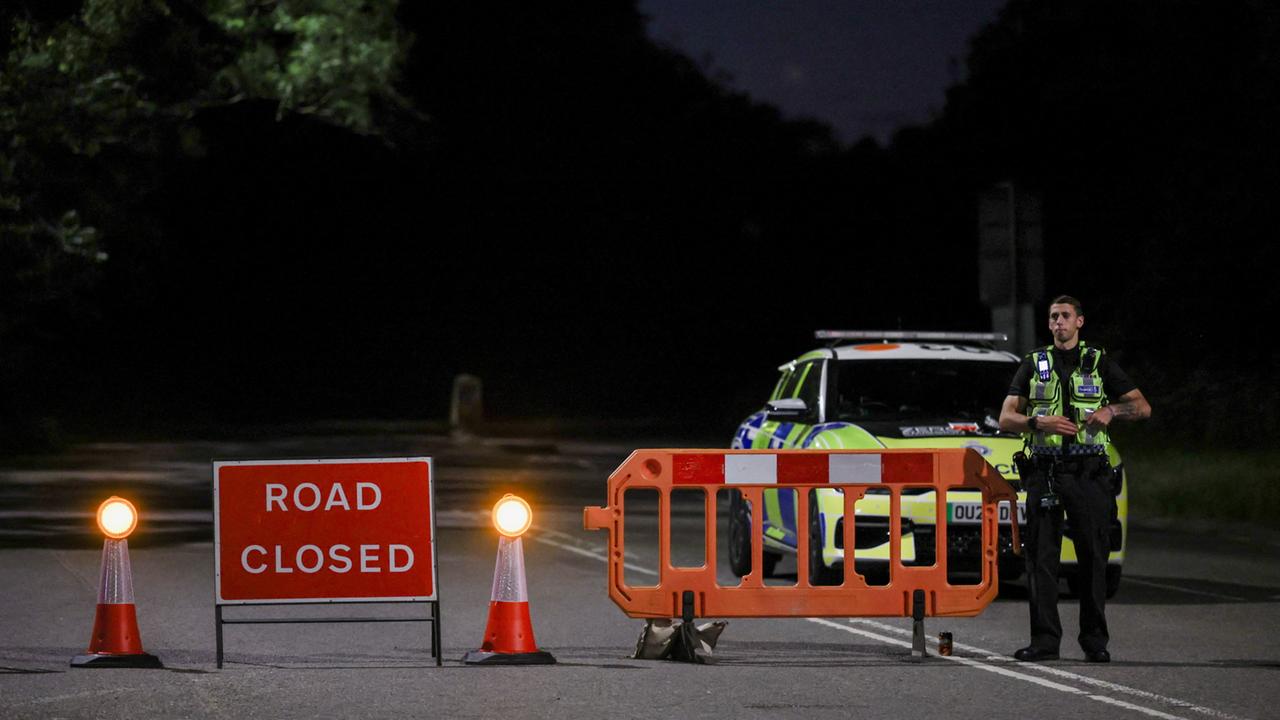
The tragic event has prompted immediate and concerned responses from political leaders and railway authorities.
Prime Minister Keir Starmer characterized the train crash as "extremely concerning." In a statement released shortly after the incident, he conveyed his thoughts to those affected and their families. "My thoughts are with all those affected by this tragic incident and their families," he stated. "I am grateful to the emergency services for their rapid response to this tragic event." The Prime Minister’s swift acknowledgment of the disaster and his expression of gratitude to the first responders underscore the national significance of the event.
While specific statements from the Department for Transport and the Rail Accident Investigation Branch (RAIB) are expected to follow as investigations progress, their involvement is paramount. The RAIB, an independent body, will lead the technical investigation into the cause of the crash. Their findings will be crucial in determining whether human error, mechanical failure, infrastructure issues, or a combination of factors contributed to the tragedy. The lessons learned from such investigations are vital for implementing preventative measures and enhancing the safety of the rail network.
The Rail Delivery Group, representing train operators, has also likely issued statements of solidarity and commitment to supporting the investigation and the affected passengers. The incident will undoubtedly trigger a comprehensive review of safety procedures and operational protocols across the entire UK rail network, with a focus on preventing similar occurrences in the future.
Implications and Future Considerations:
This devastating train collision serves as a stark reminder of the inherent risks associated with railway operations, even in a country with a generally high standard of rail safety. The immediate implications are multifaceted, extending beyond the tragic loss of life and the injuries sustained.
Investigation and Accountability: The primary focus in the coming days and weeks will be the thorough investigation into the cause of the accident. The RAIB’s findings will be crucial in understanding how such a catastrophic event could occur and in identifying any systemic failures. This investigation will be closely watched, and its conclusions will likely lead to recommendations for improved safety measures, operational procedures, and potentially, changes in regulatory oversight. Accountability for any negligence or breaches of safety protocols will be a significant aspect of the aftermath.
Passenger Safety and Confidence: Such a high-profile and tragic accident inevitably impacts public confidence in rail travel. Passengers will be looking for reassurance that all necessary steps are being taken to ensure their safety. The railway industry will need to demonstrate a robust commitment to learning from this incident and implementing effective safety enhancements.
Impact on the Rail Network: The disruption to services on the East Midlands Railway line will have a considerable economic and social impact, affecting commuters, businesses, and freight transport. The recovery and repair of the damaged infrastructure will be a complex and time-consuming undertaking.
Mental Health and Support: Beyond the physical injuries, the psychological trauma experienced by survivors, their families, and the emergency responders will be significant. Access to mental health support services will be a critical need in the aftermath of this tragedy.
Technological Advancements and Human Factors: The investigation will likely examine the interplay between technology and human factors in the incident. This could include the effectiveness of signalling systems, track maintenance, driver training, and fatigue management protocols. The role of any technological failures or human errors will be a key area of inquiry.
As the nation grapples with the shock and grief of this tragic event, the focus will turn towards understanding the root causes, supporting those affected, and ensuring that every possible measure is taken to prevent such a disaster from ever happening again on Britain’s railways. The coming weeks and months will be crucial in determining the long-term implications of this devastating collision.