In a span of just one week, the German firefighting community has been plunged into mourning following the sudden deaths of two men. Both individuals collapsed shortly after performing rigorous physical tasks, prompting a wave of concern and introspection regarding the physical demands placed upon emergency responders.
The Incident in Schleswig-Holstein: A Routine Exercise Turns Fatal
In the early hours of Thursday, a member of the Freiwillige Feuerwehr (Volunteer Fire Department) Grundhof-Bönstrup, a 54-year-old veteran firefighter, participated in a mandatory endurance and proficiency exercise at the district fire department center in Schleswig. These exercises, standard procedure for firefighters across Germany, are designed to ensure that personnel maintain the high level of physical fitness required to operate in hazardous environments.
The Chronology of the Tragedy
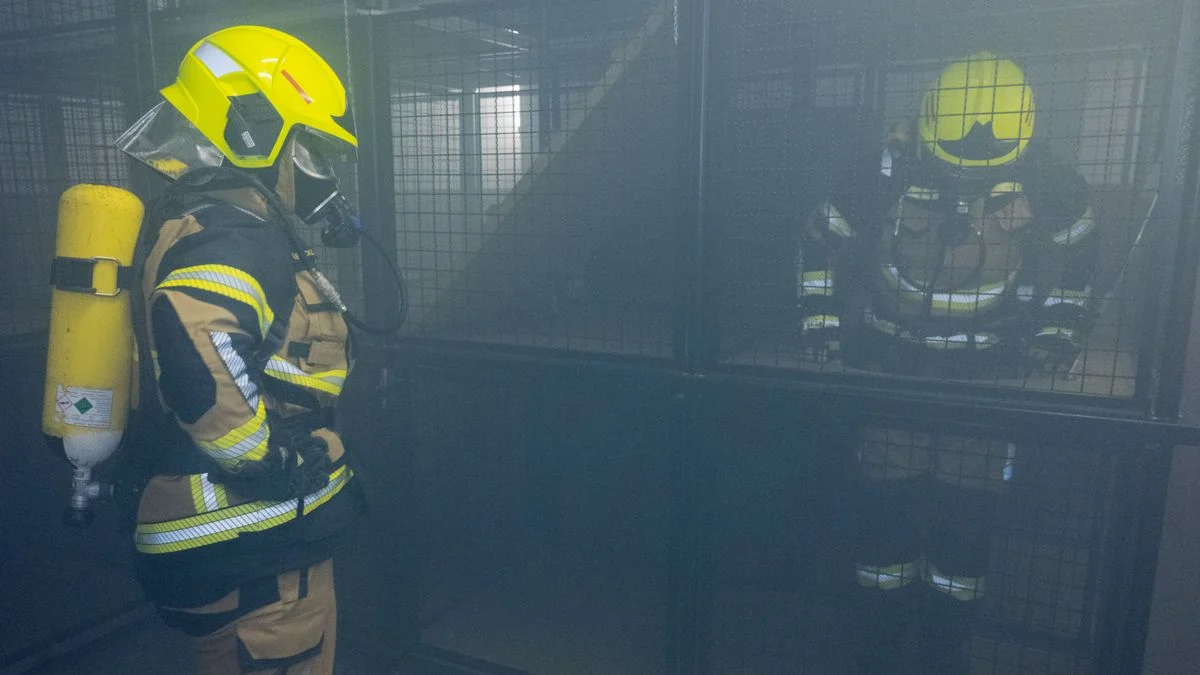
According to a spokesperson for the local fire department, the training session was rigorous. The participants were required to navigate a specialized course while wearing full structural firefighting gear, which includes heavy protective clothing, helmets, and self-contained breathing apparatus (SCBA). The simulation involved complex physical tasks, including climbing over obstacles, crawling, and maneuvering through spaces filled with simulated smoke to replicate the conditions of a real-world building fire.
Following the successful completion of the training, the members of the Grundhof-Bönstrup unit opted to stop at a local fast-food restaurant for a meal. It was there, amidst what should have been a routine social gathering after duty, that the 54-year-old firefighter collapsed. Emergency medical services were alerted immediately, and the man was rushed to a nearby hospital. Despite the efforts of medical staff, he passed away shortly after arrival. The news has sent shockwaves through the local community, where the volunteer was known for his dedication and years of service.
A Pattern of Concern: The Hannover Incident
The death of the volunteer in Schleswig-Holstein follows a strikingly similar tragedy that occurred just seven days prior in Hannover. During the prestigious FireFit European Championships—a high-intensity competition where firefighters from across the continent test their physical endurance—a professional firefighter collapsed while competing.
The Hannover incident, which took place on the grounds of the local exhibition center, saw the individual rushed to a hospital after his collapse. Much like the case in Schleswig, the intervention by on-site medical teams and subsequent hospital care proved insufficient to save his life. A spokesperson for the event confirmed the death but declined to provide specific medical details, citing the privacy of the grieving family.
The proximity of these two deaths—occurring within a week of each other—has sparked a broader conversation within the firefighting community regarding the intersection of extreme physical stress, latent medical conditions, and the inherent risks of the profession.
Supporting Data: The Physical Toll of Firefighting
To understand why these tragedies occur, it is necessary to examine the physiological demands placed on the human body during firefighting operations. Firefighting is widely regarded as one of the most physically taxing professions in the world.
Cardiovascular Stress
When a firefighter dons their gear, they are carrying upwards of 20 to 30 kilograms of additional weight. Combined with the high-intensity nature of the tasks—often performed in extreme heat—the cardiovascular system is pushed to its absolute limit. Studies have shown that during simulated firefighting, heart rates can spike to 85% to 95% of an individual’s maximum capacity.
The "Silent" Risks
Medical experts often point to the "sudden cardiac event" as the leading cause of line-of-duty deaths in the fire service. Frequently, these events are triggered by underlying, undiagnosed conditions—such as hypertrophic cardiomyopathy or early-stage arterial disease—that remain dormant until the body is subjected to a massive, sudden cardiovascular load.
The heat stress factor is equally critical. Protective clothing is designed to keep heat out, but it also traps the heat produced by the body’s own metabolic processes. This leads to a rapid rise in core body temperature, which further accelerates heart rate and dehydrates the body, thickening the blood and increasing the risk of clotting or cardiac arrhythmia.
Official Responses and Departmental Protocols
In the wake of these events, fire departments across the country are facing pressure to re-evaluate their health and safety protocols.
The Volunteer Sector
In Schleswig-Holstein, local authorities have stated that all safety guidelines were followed during the exercise. However, the volunteer fire department is currently cooperating with internal and local authorities to review whether current screening processes are sufficient for older personnel. "The loss of one of our own is devastating," said a representative for the district. "We are committed to understanding if there is anything we could have done differently, though the current evidence suggests that this was a sudden medical tragedy."
Professional Competitions
The FireFit organization, which hosts the European Championships, has also faced inquiries. While these events are designed to showcase fitness, the intensity is extreme. The organization maintains that participation is voluntary and requires a high level of self-assessment. Nonetheless, the recent death in Hannover has led to calls for more stringent medical pre-screening for participants at future events, including mandatory EKG testing for competitors over the age of 40.
Implications for the Future of Emergency Services
These tragic events raise significant questions about the future of fire department administration and public safety policy.
1. Re-evaluating Physical Fitness Standards
While physical fitness is non-negotiable for firefighting, there is a growing debate about how that fitness is measured. Some experts argue that the "one-size-fits-all" approach to fitness tests fails to account for age-related changes in the human heart. Moving forward, departments may look toward personalized medical monitoring—such as heart-rate variability tracking—during training exercises to catch early warning signs of overexertion.
2. The Mental and Emotional Weight
Beyond the physical, the death of these two men leaves a psychological scar on their colleagues. Peer-support groups have been mobilized in both Grundhof-Bönstrup and Hannover. The "brotherhood" aspect of the fire service means that when one falls, the entire department experiences a form of secondary trauma. Ensuring mental health resources are available is now considered as vital as maintaining the physical equipment.
3. Occupational Health Reforms
Legislators in the region are beginning to discuss whether firefighting should be categorized under stricter occupational health surveillance. This would involve more frequent, high-level medical check-ups that go beyond the basic requirements currently in place. While this would increase costs for local municipalities, proponents argue that the cost of losing a highly trained, experienced professional far outweighs the investment in preventative medical care.
Conclusion: A Legacy of Service
The firefighters who lost their lives in Schleswig and Hannover were more than just participants in an exercise or a competition; they were individuals committed to the service of their communities. Their deaths serve as a somber reminder of the hidden dangers of a profession that demands everything from those who choose to wear the uniform.
As investigations continue and departments reflect on these losses, the priority remains clear: to honor these men by ensuring that the next generation of firefighters can serve with the highest possible degree of safety. The firefighting community in Germany is resilient, but it is currently a community in deep sorrow, grappling with the fragile boundary between the duty to serve and the physical limits of the human heart.
The memories of the 54-year-old volunteer from Grundhof-Bönstrup and his colleague in Hannover will undoubtedly drive the conversation on safety standards for years to come, ensuring that their lives—and their ultimate sacrifices—lead to meaningful, life-saving changes.