Introduction: A Morning of Horror in Halden
The tranquil forests near Halden, a historic town in southeastern Norway near the Swedish border, were shattered on Sunday morning by an act of sudden, inexplicable violence. What was intended to be the commencement of a traditional hunting trip—a pursuit deeply woven into the fabric of Norwegian outdoor culture—transformed into a crime scene that has left the local community and the nation in a state of profound shock.
According to reports from the Norwegian news agency NTB and confirmation from local law enforcement, two individuals, identified as a father and his son, were fatally shot. A third person sustained life-threatening injuries and remains under urgent medical care. The alleged perpetrator, a man in his late 20s, was apprehended at the scene after being restrained by other members of the hunting party. He has since been placed in custody and is currently facing charges of murder.
Chronology of the Attack
The events of Sunday morning unfolded with terrifying speed. According to official statements provided by Prosecutor Anders Svarholt, the incident occurred shortly before the hunting group was scheduled to depart for their designated territory.
The Staging Area
At approximately 8:00 AM, the members of the hunting party had gathered at a private farmstead, a routine meeting point where hunters typically assemble to coordinate logistics and receive their safety briefings. The atmosphere was reportedly standard for the start of the hunting season. The group was standing in the courtyard, waiting for the final assignment of their respective hunting positions, when the suspect emerged and opened fire.
The Immediate Aftermath
The transition from a peaceful assembly to a chaotic scene of violence occurred in mere seconds. Witnesses described a brief, intense window of gunfire before the suspect was confronted. Demonstrating remarkable presence of mind under extreme duress, other members of the hunting party managed to physically overpower the gunman before he could inflict further casualties.
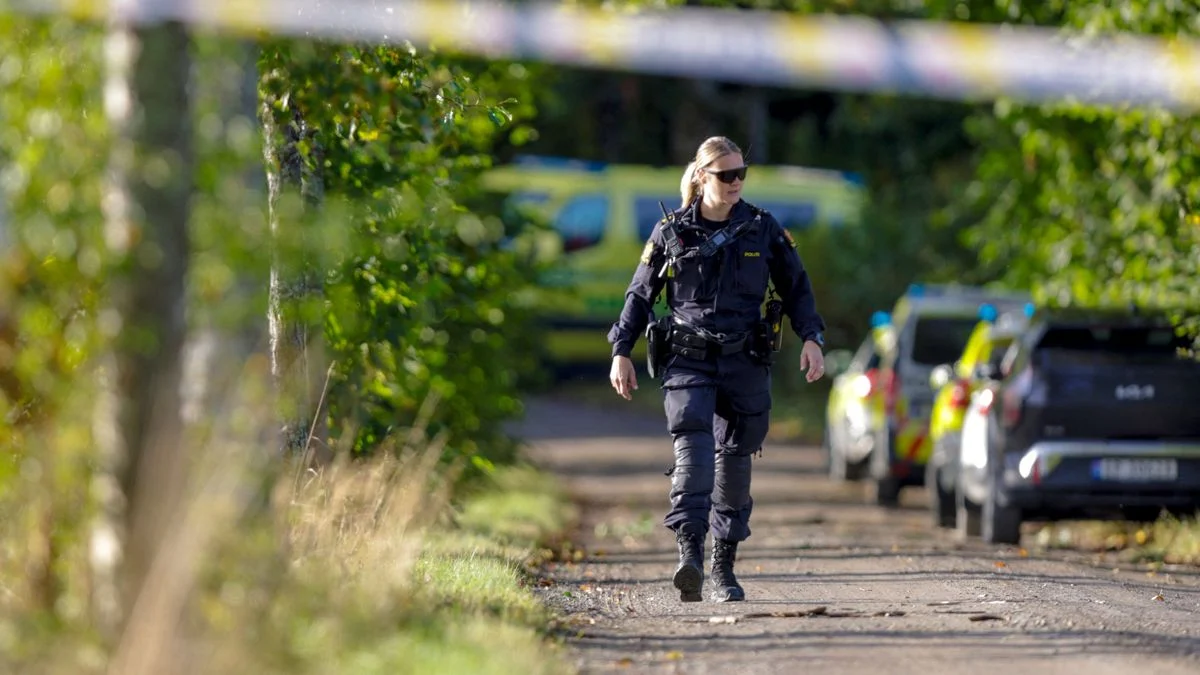
Police arrived shortly thereafter, responding to emergency calls that had alerted authorities to the shooting. Upon arrival, they secured the perimeter and took the suspect into custody. The injured party was airlifted to a nearby hospital, where their condition remains critical.
Supporting Data and Context
To understand the gravity of this event, one must look at the setting and the nature of hunting in Norway.
The Cultural Context of Hunting
Hunting is not merely a sport in Norway; it is a regulated, respected, and deeply ingrained cultural activity. Thousands of Norwegians participate in the annual moose and deer hunts, which are governed by strict ethical codes and safety regulations. These gatherings are typically characterized by strong bonds of camaraderie and communal discipline. An act of violence within such a setting is viewed as a fundamental violation of the "hunting fellowship" (jaktkameratskap), a concept that emphasizes mutual trust and reliance on fellow hunters.
The Weaponry
Preliminary forensic investigations have confirmed that the firearm used in the commission of the crime was a rifle. In Norway, where gun ownership is relatively high due to the popularity of hunting and sport shooting, the acquisition of such firearms is subject to rigorous background checks, mandatory safety courses, and interviews with police. The revelation that a legal hunting rifle was turned against fellow hunters has already prompted preliminary discussions regarding the accessibility of such weapons, although authorities have cautioned against premature policy conclusions while the investigation is ongoing.
Official Responses and Investigative Status
The investigation into the shooting is currently in its nascent stages, led by the Eastern Police District. The complexity of the case lies not just in the forensic evidence, but in the social dynamics that preceded the violence.
Prosecutor’s Statements
Prosecutor Anders Svarholt has been the primary voice for the authorities. In a press briefing, he addressed the confusion surrounding the incident. "There are conflicting accounts regarding the number of shots fired," Svarholt noted, emphasizing that investigators are meticulously reviewing ballistic evidence to reconstruct the timeline of the attack.
Crucially, Svarholt provided insight into the relationship between the perpetrator and the victims. "We do not believe this was a case of a total stranger walking in and firing indiscriminately at a hunting party," he stated. This assertion suggests that the investigation is focusing on personal motives, disputes, or grievances that may have existed between the suspect and his victims prior to the day of the shooting.
The Suspect’s Confession
The suspect, a man in his late 20s, has admitted to the act. He is currently being held in pre-trial detention. His defense counsel is expected to provide further statements in the coming days as the investigation proceeds. The admission of guilt has expedited the initial legal process, but it does not diminish the need for a comprehensive inquiry into the suspect’s psychological state and history.
Implications for Public Safety and Community Trust
The shooting in Halden has sent shockwaves through Norway, a country that prides itself on low crime rates and a high level of interpersonal trust.
The Question of Motive
The central question gripping the public and the media is the why. If the perpetrator was known to the group, the tragedy shifts from an act of random violence to one of intimate betrayal. The psychological burden on the survivors—those who were forced to grapple with a gunman and who witnessed the deaths of their companions—is immense. Victim support services have been mobilized to provide trauma counseling to the hunting party and the families of the deceased.
Security in Outdoor Spaces
While isolated, the incident raises difficult questions about safety in remote areas. Hunting grounds are, by definition, expansive and difficult to monitor. The incident highlights the vulnerability of hunters, who operate in areas where emergency response times can be significantly longer than in urban centers.
There are also emerging concerns regarding the "safety net" surrounding individuals who possess firearms. Does the system provide adequate follow-up for those who may be struggling with personal or mental health issues? The Norwegian police have maintained a strict vetting process, but this tragedy will undoubtedly serve as a catalyst for a national debate on whether existing oversight mechanisms are sufficient to identify individuals at risk of committing such violent acts.
A Community in Mourning
Halden, a town that often captures headlines for its beautiful fortress and maritime history, is now defined in the public consciousness by this tragedy. Local political leaders have called for unity and support for the affected families. The Norwegian Hunters’ Association (Norges Jeger- og Fiskerforbund) has expressed its deepest condolences, emphasizing that such violence is antithetical to the values of the hunting community.
As the investigation continues, the focus remains on the grieving families and the arduous road to recovery for the survivor. For the broader public, the incident serves as a stark, painful reminder that even in the most serene landscapes, the complexities of human behavior can lead to unimaginable consequences.
Conclusion: The Path Forward
As the sun sets on the forests of Halden, the investigation shifts from the chaotic scenes of the initial crime to the meticulous work of the courtroom and the forensic lab. The facts of the case are clear: a father and son have been lost, a community is broken, and a young man sits behind bars awaiting a legal reckoning.
Yet, the deeper implications—why this happened, how the social fabric of the hunting group was ruptured, and what steps can be taken to prevent such a tragedy from recurring—remain unresolved. Norway will now look to its justice system to provide answers, while the people of Halden look to each other for the strength to heal. In the coming weeks, the official findings will likely shed more light on the motives behind this act, but for now, the nation remains in a state of solemn reflection, mourning the lives cut short in a place where they felt most at home.