Introduction: A Resonant Beginning in the City of Music
In a city inextricably linked to the legacy of Johann Sebastian Bach, the air in Leipzig carries a particular weight of musical history. This week, that history took a dynamic, youthful turn as the city hosted its first-ever "Organ Camp." On Monday, 21 young musicians from across the region gathered to immerse themselves in the complexities and grandeur of what is often called the "King of Instruments."
The event, which aims to bridge the gap between historic tradition and modern musical pedagogy, seeks to nurture a new generation of organists. By providing hands-on experience with world-class instruments, the organizers hope to demystify the organ—an instrument that, despite its imposing size and technical demands, remains a cornerstone of European musical culture.
The Core Facts: Cultivating the Next Generation
The Organ Camp is not merely a workshop; it is an intensive training ground designed for students who possess a foundational grasp of keyboard instruments but wish to specialize in the nuances of pipe organ performance.
- Participants: 21 young musicians, ranging from intermediate to advanced skill levels.
- Location: Various historic venues in Leipzig, with central operations based in proximity to the city’s major church institutions.
- Duration: A multi-day program including masterclasses, private instruction, and public recitals.
- Curriculum: Technical mastery of manuals and pedals, historical performance practice, improvisation, and the intricate mechanics of organ building.
The initiative represents a collaborative effort between local music academies, church organists, and cultural funding bodies. Its primary goal is to ensure that the tradition of organ playing—a practice that faces a dwindling number of practitioners in the digital age—remains vibrant and accessible.
Chronology: A Day of Discovery
The opening day on Monday set a tone of both reverence and excitement. The schedule was meticulously crafted to transition the students from the theoretical to the visceral.
Morning: The Opening Convocation
The morning was dedicated to an orientation where students were introduced to the faculty, many of whom hold positions as cantors or organists at Leipzig’s most iconic churches. The discussion focused on the "Leipzig sound," a concept rooted in the city’s architectural acoustics and the specific voicing of its historical organs.

Midday: The Master’s Guidance
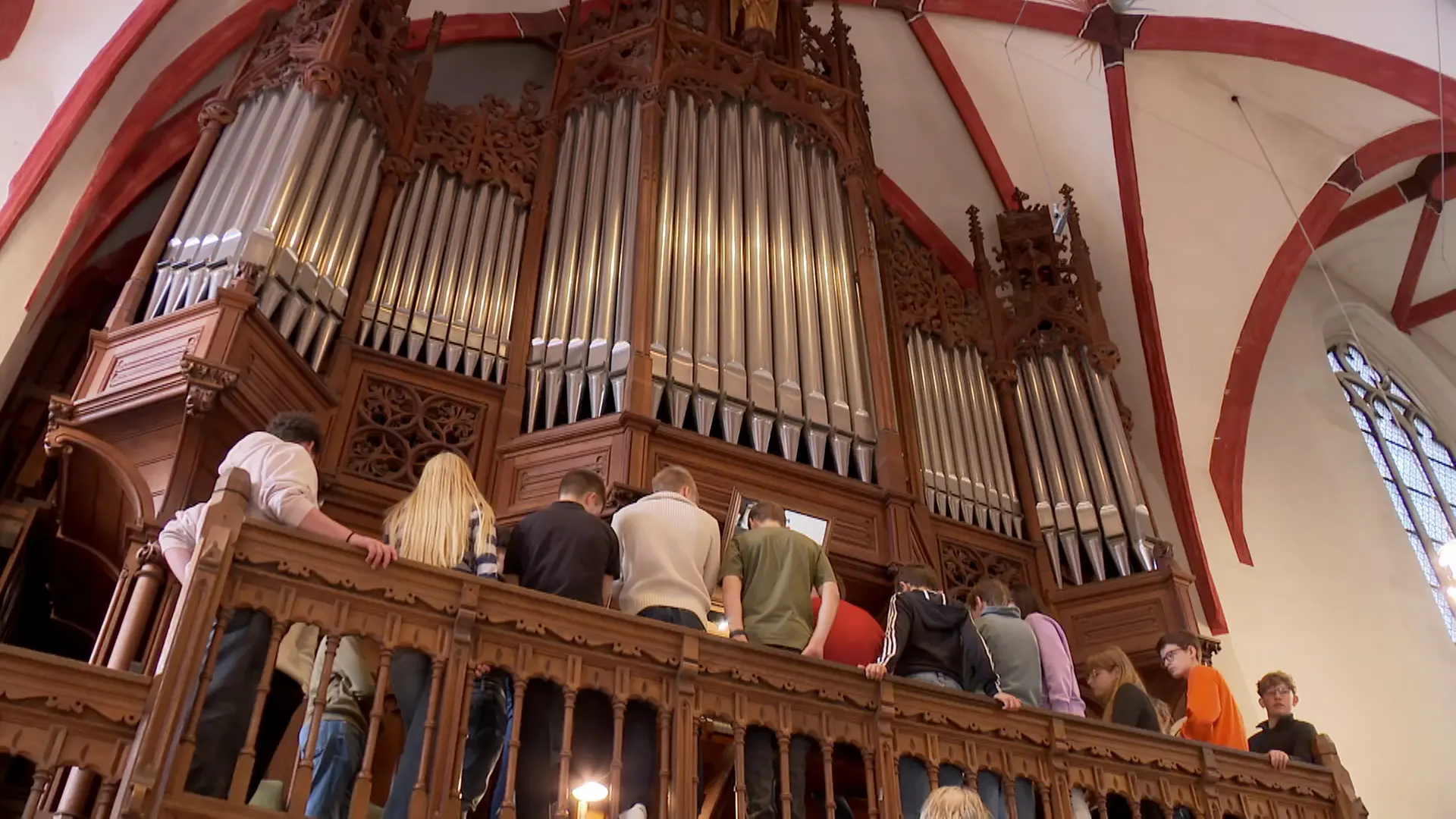
The highlight of the inaugural day was a guided tour and demonstration led by the renowned Thomasorganist of Leipzig. Students were taken into the loft of the St. Thomas Church (Thomaskirche), where Bach himself once worked. The session provided a rare opportunity for these young musicians to stand inside the "guts" of the organ, observing the wind chests, trackers, and pipes that create the instrument’s massive sound.
Afternoon: The First Touch
Following the technical overview, the students were given individual practice time at various consoles throughout the city. For many, this was their first opportunity to play a professional-grade mechanical-action instrument, a stark contrast to the electronic keyboards often used for home practice.
Supporting Data: The Current Landscape of Organ Education
The urgency for this camp stems from broader trends in classical music education. Data from regional conservatory surveys suggests that while enrollment in piano and violin remains high, the organ department is facing a "talent gap."

- Declining Accessibility: Many traditional church organs are located in buildings with limited public access, making it difficult for students to secure practice hours.
- Technological Barriers: The transition from electronic simulation to real pipe mechanics is a significant hurdle that requires specialized mentorship.
- Demographic Shifts: As the population of church musicians ages, the replacement rate of organists is not keeping pace with the number of parishes requiring them.
The Leipzig Organ Camp addresses these issues directly by centralizing resources and providing access to instruments that would otherwise be off-limits to young, non-professional students.
Official Perspectives: The Value of the Initiative
The organizers of the event emphasize that the organ is not just a relic of the past, but a living instrument capable of contemporary innovation.
"The organ is a machine of infinite possibilities," remarked the lead instructor during Monday’s opening session. "When you teach a young person how to pull a stop, how to balance the pressure of their feet against the touch of their fingers, you aren’t just teaching them a song. You are teaching them how to control a symphony orchestra with their own body."
Local cultural officials have praised the event for its ability to foster community engagement. By opening the doors of the churches to young people, the city is reinforcing the role of the church as a center for secular education and artistic development, regardless of the participants’ religious backgrounds.
The Pedagogical Approach: Beyond the Notes
The curriculum at the camp is designed to be holistic. It does not focus solely on technical virtuosity; it incorporates "Organ Aesthetics," a module that encourages students to understand the architecture of the space in which they perform.
The Role of Improvisation
One of the most radical aspects of the camp is the inclusion of mandatory improvisation sessions. In the Baroque period, organists were expected to be masters of spontaneous composition. The instructors at the Leipzig camp are pushing the students to move away from the sheet music and explore the harmonic colors of the instrument.
Mechanical Understanding
The camp also includes a segment on organ maintenance. Students spend time with a master organ builder, learning how to tune a pipe and how temperature and humidity affect the instrument’s pitch. This technical knowledge is crucial, as it fosters a deeper respect for the fragility and complexity of the mechanical apparatus.
Broader Implications: A Cultural Lifeline
The success of the Leipzig Organ Camp could serve as a model for other European cities struggling to preserve their musical heritage. If the camp yields positive results—measured in increased student engagement and continued conservatory interest—it is likely to become an annual fixture in the city’s calendar.
Preserving the "Soundscape"
Leipzig is known as a "City of Music" for a reason. The soundscape of the city, defined by its church bells and the massive, resonant chords of its pipe organs, is a part of its intangible cultural heritage. By training a new generation, the camp is effectively ensuring that this soundscape survives into the next century.

Intergenerational Connection
The camp also serves an important social function. It brings together master organists who have spent decades perfecting their craft with teenagers who are only beginning to understand the instrument’s potential. This mentorship is vital for the transmission of tacit knowledge—the "tricks of the trade" that are never written down in scores but are passed down through the physical act of playing.
Challenges and Future Outlook
Despite the enthusiasm surrounding the project, there are significant challenges ahead. Funding for such intensive, high-resource workshops is often precarious. The reliance on church venues requires the cooperation of parish boards, which must balance the needs of the musicians with the needs of the congregation.
However, the organizers are optimistic. The high number of applicants for the first camp suggests a latent demand that has been waiting for an outlet.
"We didn’t know if we would get ten students or fifty," said a project coordinator. "To have 21 dedicated, talented young people here in Leipzig, the home of Bach, is a statement. It shows that the organ is still a relevant, powerful, and deeply compelling instrument for the youth of today."
Conclusion: A Symphony of Potential
As the week progresses, the students will prepare for a final concert, where they will perform pieces ranging from the intricate counterpoint of the 18th century to contemporary works commissioned specifically for the camp.
This inaugural Organ Camp in Leipzig is more than just a training event; it is a declaration of confidence in the future of the instrument. By providing the tools, the space, and the mentorship required, the city is ensuring that the pipes of its historic churches will continue to sing for decades to come. As these 21 young musicians leave the city at the end of the week, they carry with them more than just technical skills; they carry the stewardship of a tradition that has defined the very soul of Western classical music.

Whether these students go on to become professional cathedral organists or simply carry the love of the instrument into their adult lives, the investment in their education pays dividends for the cultural life of the region. The silence that follows a chord in the St. Thomas Church is profound—but after this week, the resonance of what these young musicians have learned will be heard far beyond the church walls.