In a series of alarming incidents over the past weekend, Saxony’s rail network has been subjected to multiple acts of malicious interference. From the deliberate placement of obstacles on tracks to the targeted pelting of moving trains, these events have placed passengers, railway staff, and the integrity of the transit system at significant risk. The Federal Police have launched intensive investigations into these dangerous disruptions.
Executive Summary: A Weekend of Rail Chaos
The peaceful operations of the Saxon rail network were shattered this past weekend by a spate of coordinated or isolated criminal acts that have left authorities on high alert. Between Friday evening and Saturday, several regions—including the Chemnitz-Annaberg line, the Sohland area, and the route near Kamenz—were targeted by perpetrators.
These were not mere acts of vandalism; they were life-threatening interventions. By placing heavy obstacles on active rails and blinding locomotive engineers, the perpetrators created conditions that could have led to catastrophic derailments or severe physical injury. As the Federal Police continue their search for suspects, the incidents serve as a grim reminder of the vulnerability of public transportation infrastructure to criminal negligence and intent.
Chronology of the Attacks
Friday Night: The Kamenz Incident
The string of violence began on Friday evening, when an S-Bahn service (Line 8) approaching from Kamenz was targeted by unknown individuals. The assault was twofold: as the train moved along the track, the perpetrators not only pelted the carriage with stones but simultaneously aimed a high-powered flashlight directly at the eyes of the locomotive engineer.
The effect was immediate and severe. Blinded by the light and facing an active physical threat, the driver was forced to initiate an emergency brake maneuver to avoid further danger. Fortunately, the train was carrying eight passengers, all of whom, along with the staff, remained physically unhurt. However, the psychological impact and the operational fallout were immediate; the line suffered from cascading delays, cancellations, and forced reroutings, disrupting the commute of dozens of regional passengers.
Saturday Afternoon: Obstacles on the Chemnitz-Annaberg Line
On Saturday, just after 1:00 PM, the focus shifted to the line connecting Chemnitz and Annaberg-Buchholz. Two youths, aged 13 and 14, allegedly placed stones on the tracks—a classic but lethal method of rail sabotage. The engineer of a passing train reported hearing heavy, violent impacts against the underside of the locomotive.
Alerted to the danger, an approaching train was able to stop in time, averting what could have been a derailment. The Federal Police responded quickly, tracking the two suspects to a nearby residential area. While the investigation into the extent of the damage to the train is ongoing, the incident highlights the chilling reality of how easily young individuals can jeopardize the lives of hundreds of commuters.
Saturday Evening: The Sohland Intervention
In a separate incident in Sohland an der Spree, a railway employee displayed exceptional vigilance. While performing routine duties, the worker discovered crushed stone (ballast) intentionally piled onto the rails. Recognizing the immediate threat to a regional express train arriving from the direction of Bischofswerda, the employee utilized a light signal to warn the oncoming locomotive.
The engineer was able to bring the train to a complete stop at the platform. The crew then manually cleared the tracks, but the damage was done: the disruption caused 78 minutes of total delay for two separate train services. The police are currently appealing for witnesses to come forward, as the perpetrators of this specific act remain at large.
Supporting Data and Technical Implications
The technical implications of placing foreign objects on rail tracks cannot be overstated. Modern trains, while robust, are designed to remain on the rails through precise wheel-to-track contact.
- Structural Damage: Heavy stones placed on the track can cause significant damage to the bogies, braking systems, and electrical conduits located underneath the locomotive.
- Derailment Risk: While smaller stones may be crushed, larger or strategically placed rocks can act as a wedge, forcing a wheel flange to climb the rail. At higher speeds, this results in immediate derailment.
- Emergency Braking: The use of emergency brakes, as seen in the Kamenz incident, causes severe mechanical strain on the train and, more importantly, creates a high risk of injury to passengers who are standing or walking through carriages.
- Operational Costs: The economic impact is felt through the "ripple effect." One incident causes a delay that propagates through the entire network, forcing train controllers to adjust schedules, divert traffic, and potentially deploy replacement buses, costing the transit authority thousands of Euros per hour of disruption.
Official Responses and Legal Context
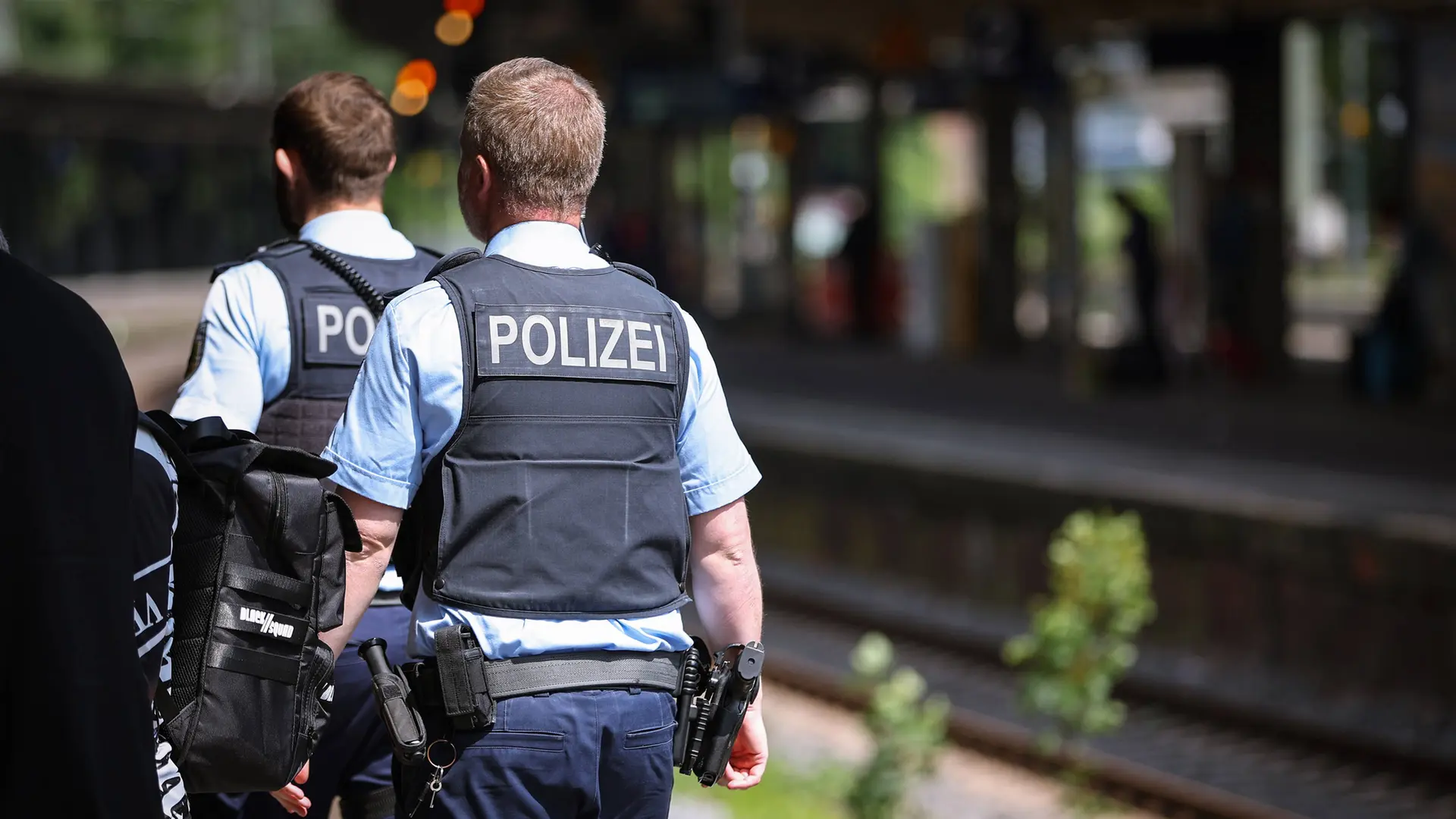
The Federal Police (Bundespolizei) have taken a firm stance on these events. In their official statement, they emphasized that such actions are not "pranks" or "youthful indiscretions," but serious criminal offenses categorized as "dangerous interference with rail traffic."
Under the German Criminal Code (StGB), specifically Section 315, individuals found guilty of interfering with rail traffic face severe penalties, including imprisonment. The police noted that the severity of the threat—potential loss of life and massive property damage—is the primary driver for their aggressive investigative approach.
"The public must understand," a spokesperson for the Federal Police stated, "that placing even a small object on the track can lead to a derailment. The consequences are not just financial; they are catastrophic for the people on board."
The police are currently analyzing forensic evidence and conducting door-to-door inquiries in areas where track access is possible. They have also requested that anyone who observes suspicious activity—such as people loitering near tracks or carrying heavy objects toward railway embankments—report it immediately via the emergency number 110.
Broader Implications for Rail Security
These events in Saxony raise difficult questions regarding the security of rail infrastructure. Unlike airports or government buildings, thousands of kilometers of railway lines in Germany run through open terrain, forests, and remote residential areas, making total surveillance impossible.
The Challenge of Open Access
The "open" nature of the rail network is a fundamental design feature, but it is also its greatest weakness. Protecting the trackbed against malicious intent is an ongoing struggle for rail operators. Efforts to improve security have historically focused on:
- Fencing and Vegetation Management: Reducing access points to the tracks, particularly in high-density or high-risk areas.
- Technological Surveillance: Installing thermal and motion-sensing cameras in known "hotspots" for vandalism.
- Community Engagement: Working with local schools and youth groups to educate them on the lethal dangers of track interference.
The Role of Vigilance
The Sohland incident serves as a perfect example of why human oversight remains the most critical component of railway safety. Had the rail employee not been vigilant, the Regional Express might have struck the obstruction at full speed. This highlights the need for continued investment in personnel who are trained to spot anomalies, rather than relying solely on automated systems.
Conclusion
The recent attacks in Saxony serve as a sobering reminder of the fragile balance between public mobility and public safety. While the incidents in Zschopau, Sohland, and Kamenz resulted in no physical injuries to passengers, they represent a disturbing trend of total disregard for human life.
The Federal Police are continuing their efforts to bring all perpetrators to justice, sending a clear signal that the sanctity of the rail network will be defended with the full force of the law. As commuters continue to rely on the regional rail network, the vigilance of the public, combined with the swift response of railway authorities, will be the only effective barrier against future acts of sabotage. The authorities urge citizens to remain alert and remind them that when it comes to the safety of our trains, silence is not an option.