As the 78th Frankfurt Book Fair draws to a close, the echoes of impassioned debates, standing ovations, and sharp political critiques linger in the halls of the Frankfurt trade center. While the event remained a global marketplace for literature, it functioned primarily as a high-stakes arena for the socio-political anxieties defining the current decade. From the existential threats posed by artificial intelligence to the crumbling consensus on civil rights, this year’s edition confirmed the fair’s status as a barometer for the health of Western democracy.
Main Facts: A Forum for Unrest
The 78th edition of the Frankfurt Book Fair was defined not by its commercial volume alone, but by its refusal to shy away from the friction of the present. Juergen Boos, the outgoing director of the fair, repeatedly characterized the event as a "place of debate," a promise that was kept in full. The agenda was dominated by recurring, yet increasingly urgent themes: the rapid integration and subsequent risks of AI within the publishing industry, the resurgence of far-right extremism, the stagnation of the German educational system, and the critical need to redefine masculinity in the 21st century.
Despite the heavy presence of political figures, the most resonant moments did not come from the podiums of ministers, but from the voices of authors who challenged the status quo. The fair functioned as a stage where the literary world demanded accountability from those in power, turning the "neutral" space of the exhibition hall into a site of resistance.
A Chronology of Confrontation
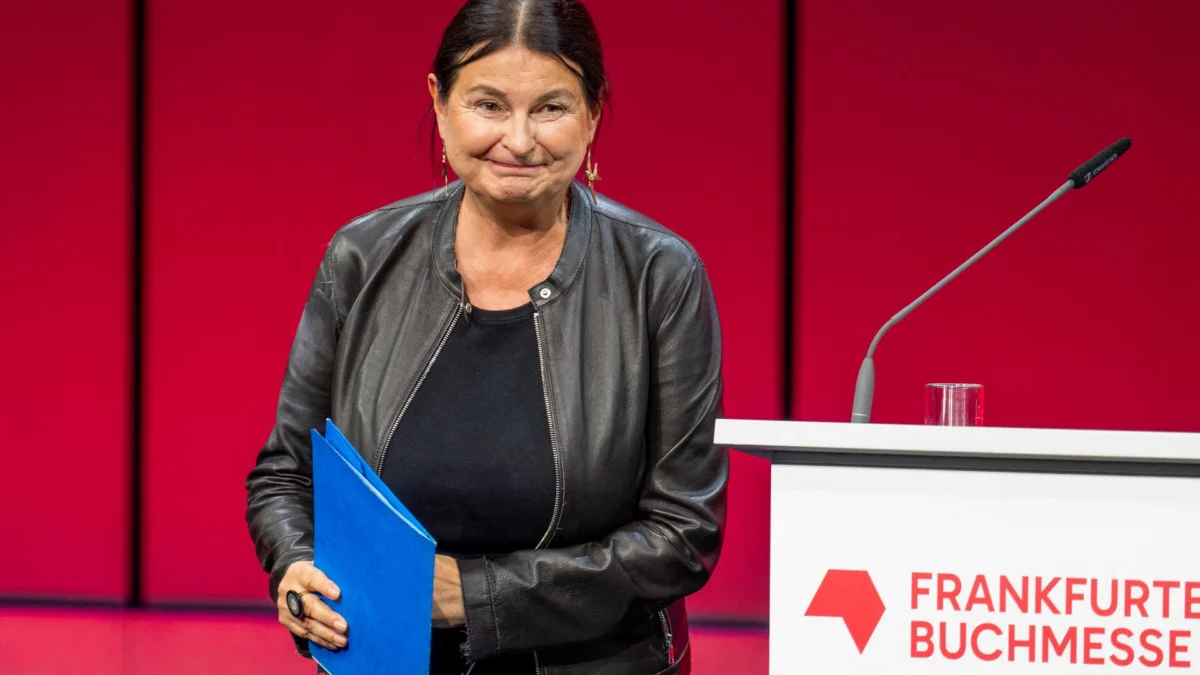
The tone of the fair was set on the opening night, an event that will be remembered for years to come due to the intervention of Czech author Radka Denemarková. Her speech, which drew sustained, thunderous applause, served as a stark reminder of the autonomy of literature in the face of state interference.
"The Ministers of Culture who destroy culture come and go, but literature remains," she declared. Her words were a direct broadside against the political climate in her home country and a subtle jab at the German political establishment. The absence of a live stream for the opening ceremony—a decision the fair attributed to "resource management"—only added to the sense that something significant, perhaps something inconvenient for official narratives, had taken place behind closed doors.

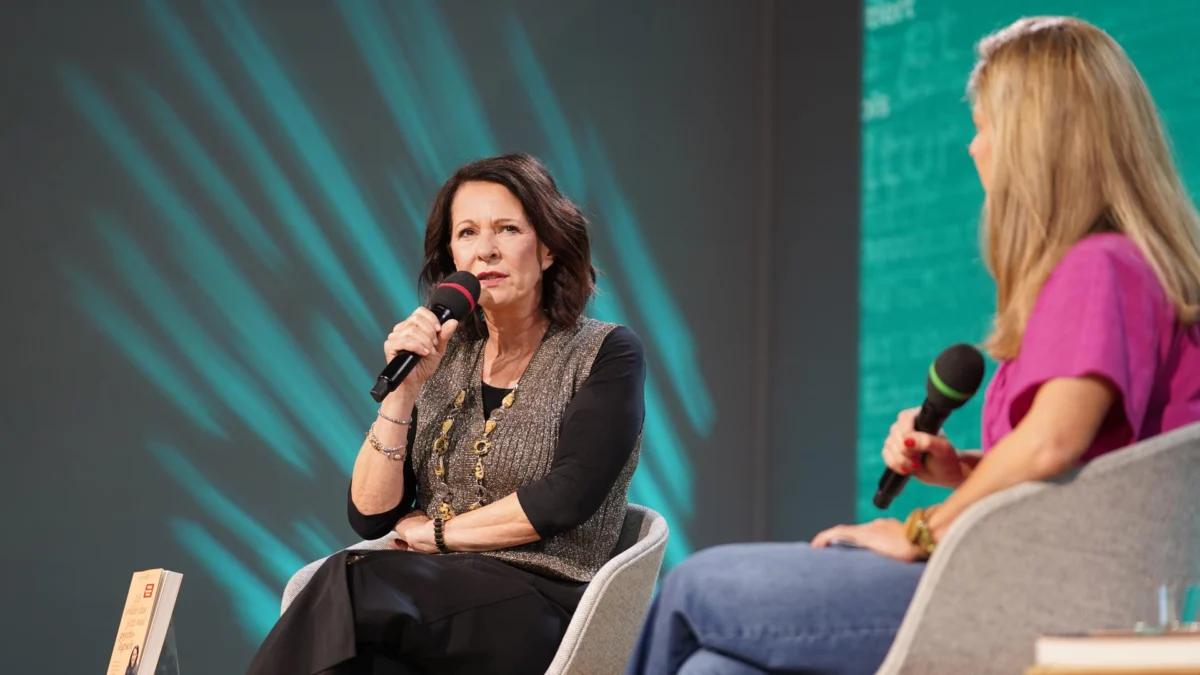
As the week progressed, the narrative shifted from abstract political debate to the deeply personal and visceral experiences of individuals. The presence of Gisèle Pelicot, whose memoir, A Hymn to Life: Shame Must Change Sides, became the emotional anchor of the fair, brought the conversation around gender-based violence to the forefront. Her courage in detailing her ordeal—a state-sponsored, systematic violation of her autonomy by her ex-husband—challenged the audience to look at the "barbaric" reality of misogynistic structures.
Supporting Data and Thematic Currents
The discourse at the fair was supported by a series of high-level panels that bridged the gap between legal theory and lived experience. Legal experts like Frauke Brosius-Gersdorf and criminal defense lawyer Christina Clemm utilized the fair as a platform to demand a societal reckoning with violence. Their argument was clear: violence is not merely a matter for the courtroom; it is a systemic issue that must be addressed through total societal mobilization to dismantle the structures of the patriarchy.
Parallel to this, the "Sheroes" discussions and panels led by figures such as Riccardo Simonetti explored the evolving role of men. Simonetti’s intervention, titled When is a Man a Man?, sought to dismantle the zero-sum-game mentality surrounding gender equality. "It takes nothing away from men," he argued. "It only creates space at the table for other people." This intellectual framing of equality as a collaborative rather than a competitive project provided a necessary counterpoint to the reactionary rhetoric currently gaining traction in European politics.
Official Responses and Political Friction
The political tension at the fair reached its zenith during the critique of cultural ministers. The German Minister of State for Culture and Media, Wolfram Weimer, found himself in the crosshairs. While he delivered speeches condemning American Big Tech, his own record remained a subject of intense scrutiny. His recent decisions to exclude bookstores from the German Bookstore Prize based on nebulous reports from the Office for the Protection of the Constitution, combined with his advocacy for the partial privatization of public broadcasting, signaled to many in the literary community that his commitment to "cultural freedom" was selective.
The situation was even more volatile regarding the Czech Minister of Culture, Oto Klempíř. A former member of the State Security service and a representative of the Motorist Party—a group known for its opposition to urban cycling infrastructure—Klempíř became a symbol of the populist encroachment on cultural independence. His threat to withhold state funding for translations of Denemarková’s work, following her critique, backfired spectacularly. Denemarková’s retort—"I feed him, he does not feed me"—solidified her position as the moral victor of the fair.

The Implications: A Defiant Future
What does the 78th Frankfurt Book Fair leave behind? It leaves a map of the fault lines in contemporary society. The fair underscored that the divide is no longer just between left and right, but between those who view the future as a closed, defensive system and those who advocate for an open, democratic exchange of ideas.
The Role of Literature in Democracy
Denemarková’s closing sentiment remains the most potent legacy of the 78th edition: "Everything is political. The question today is quite simple: open democracy or closed society. Literature knows the answer, which is why it is so dangerous."
This assessment resonates with the broader concerns raised throughout the week. Whether it was the discussion on the decline of reading literacy among German students, the fear that the education system is fundamentally incapable of reform, or the rise of political movements that view cultural institutions as spoils of war, the consensus was clear: the act of reading is an act of resistance.
The Shift in Cultural Agency
The fair also marked a turning point in how authors engage with their public profile. By centering voices like those of Pelicot and Denemarková, the fair moved away from the traditional, passive author-as-celebrity model toward the author-as-witness. These women did not just present books; they presented evidence of a world that is failing its most vulnerable citizens.
Furthermore, the focus on AI and digital ethics suggested that the publishing industry is finally moving past the stage of denial. The debate is no longer whether technology will change the way we read and write, but whether that change will be governed by democratic principles or by the algorithmic whims of massive corporations.

Conclusion: The Book as a Mirror
As the 78th Frankfurt Book Fair concludes, it is evident that the "market" was secondary to the "mission." The event was a reminder that in an age of digital noise, the physical gathering of minds is essential for the health of a democracy.
The fair proved that books remain the ultimate tool for combating manipulation. A person without books is, as Denemarková noted, "blind." In a world increasingly obscured by misinformation, polarized rhetoric, and the erosion of public institutions, the Frankfurt Book Fair served as a necessary lighthouse. It provided the space for the uncomfortable, the radical, and the profound to be articulated, ensuring that while ministers and administrations may be ephemeral, the discourse of the written word remains the bedrock upon which a future society must be built. The 78th edition did not just celebrate literature; it defended the right to speak, the right to dissent, and the right to exist in an open society.