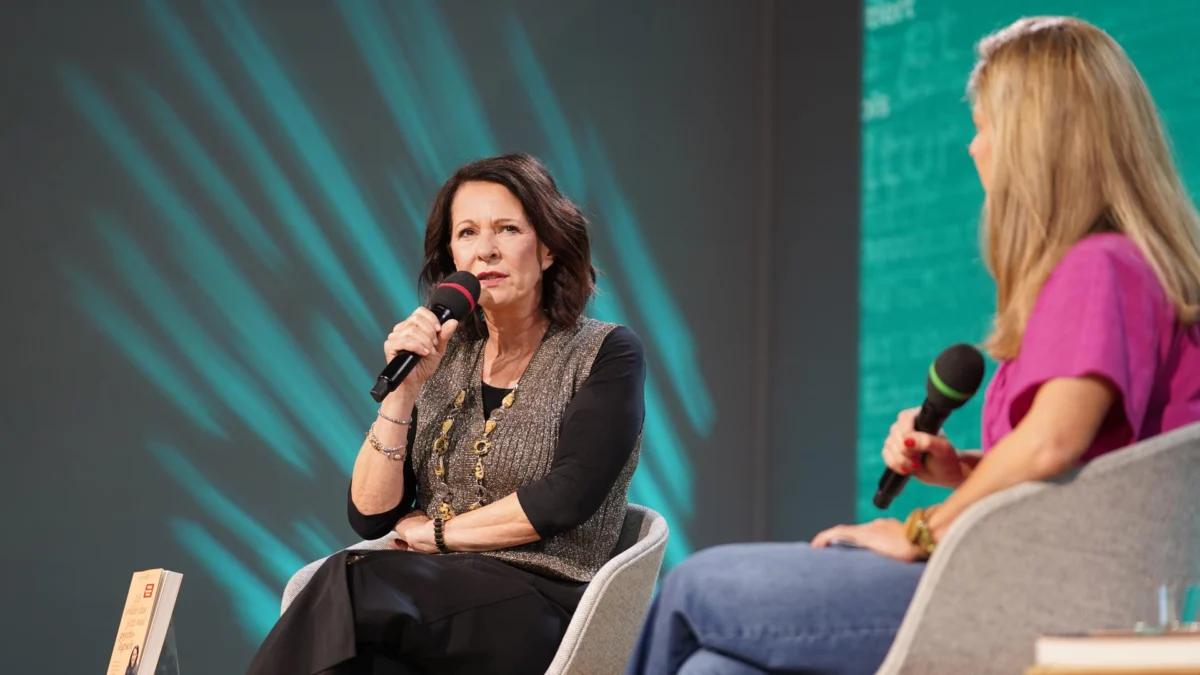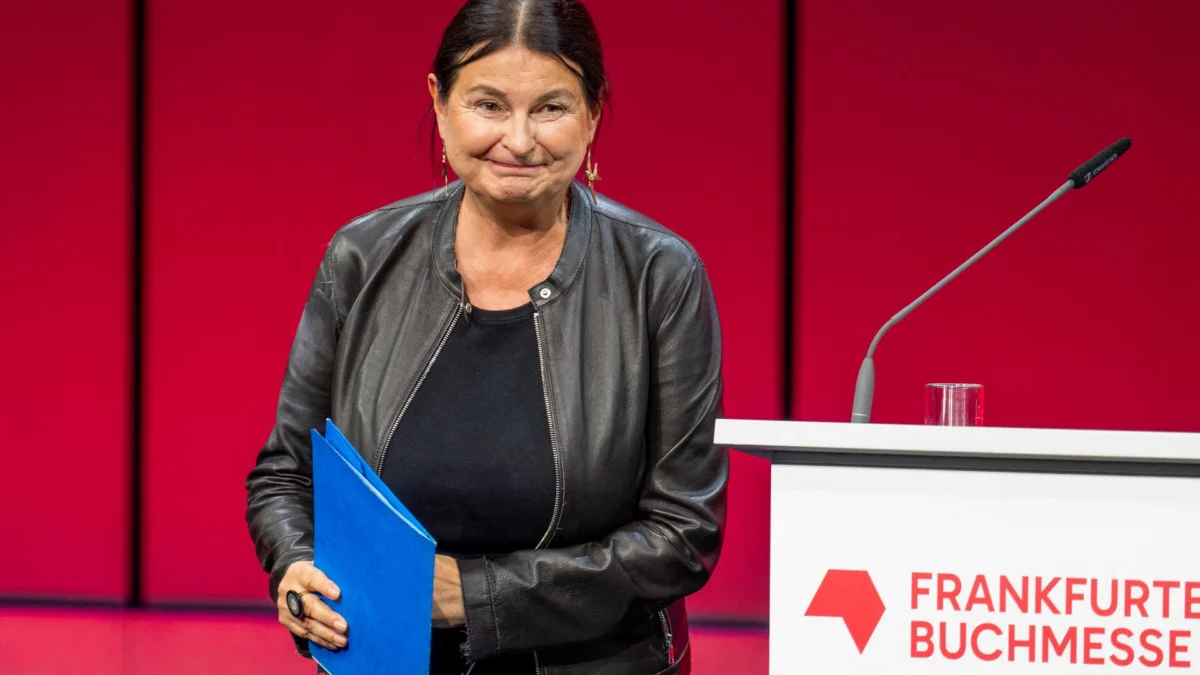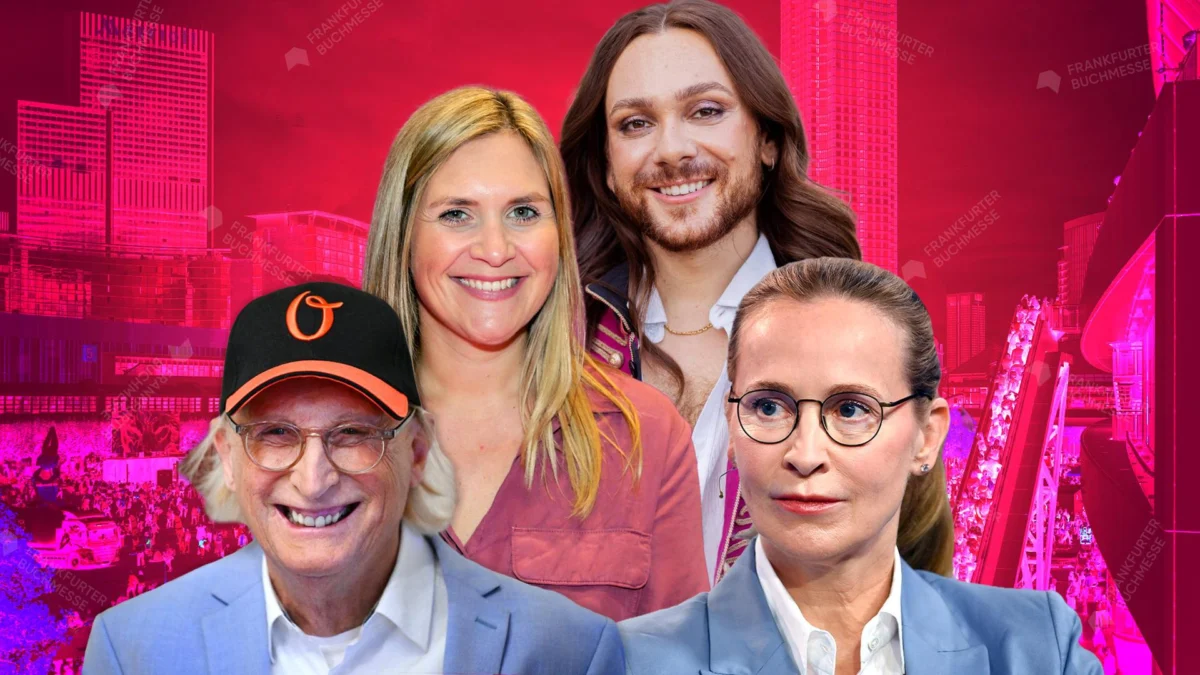
When figures as diverse as legal scholar Frauke Brosius-Gersdorf, comedy icon Otto Waalkes, and multifaceted entertainer Riccardo Simonetti converge on a single location, there is no ambiguity: the Frankfurt Book Fair is in full swing. As the world’s largest trade fair for books, the 2026 edition has transformed the city into a vibrant epicenter of intellectual discourse, creative expression, and star-studded encounters. For those unable to attend in person, the fair offers a comprehensive digital window into its bustling halls, ensuring that no one misses out on the debates, readings, and cultural exchanges defining this year’s narrative landscape.
Main Facts: The Pulse of the 2026 Fair
The Frankfurt Book Fair remains the undisputed heartbeat of the international publishing industry. This year, the event has once again proven its capacity to bridge the gap between high-brow literature and mass-market entertainment. From the hallowed halls of the trade fair grounds to the intimate venues participating in the "Open Books" festival, the city is saturated with the written word.
Key highlights for the weekend include:
- The Literary Stage: A collaborative effort by ARD, ZDF, and 3sat, providing a daily broadcast of major discussions on current literary and socio-political topics.
- Star Power: An eclectic mix of guests, ranging from literary giants like Charlotte Link to pop-culture phenomena like Otto Waalkes and Riccardo Simonetti.
- The "Crime World" Experience: An immersive, interactive zone in Hall 5.0 that allows fans of the thriller genre to engage with forensics, podcast culture, and mystery gaming.
- Open Books: An expansive, free reading festival that extends the fair’s reach into Frankfurt’s museums, churches, and civic centers.
Chronology of Highlights: A Saturday to Remember
The Saturday schedule is packed with events that cater to diverse tastes, reflecting the fair’s broad mission.

Morning Sessions: From Serious Prose to Children’s Delights
The day begins with a focus on depth and reflection. At 10:00 AM, authors Christine Westermann and Mona Ameziane take to the stage in Hall 3.0 to discuss their book, “Wann wusstest du, dass es gut wird?” (When did you know it would be alright?). Having moved beyond the lighthearted topics of their past podcasts, the pair now navigates the heavier, more profound questions of life.
Simultaneously, the younger generation and families are catered to with events featuring Rolf Zuckowski and the beloved characters of the Augsburger Puppenkiste. Illustrator Axel Scheffler, the visionary behind the Gruffalo series, is a major draw, offering live drawing sessions and insights into the next chapter of his iconic creature’s journey.
Midday and Afternoon: Intellectual Giants and Comedy Icons
As the clock ticks toward 1:00 PM, the focus shifts to the 2026 Peace Prize laureate, Philippe Sands. The French-British jurist, honored by the jury as a "persistent defender of international law," holds a meet-and-greet at the S. Fischer Verlage stand.
For those seeking lighter fare, the legendary Otto Waalkes commands the stage at the FAZ stand at 1:20 PM to discuss his debut children’s book, “Karl, der kleine Ottifant,” followed by a signing session on the Agora. The afternoon continues with a heavy-hitting lineup on the ARD stage, featuring crime fiction heavyweights like Nele Neuhaus and Charlotte Link, followed by the versatile Martin Suter.

The Late Afternoon and Evening: "Sheroes" and Human Rights
The latter half of the day turns toward social commentary. In the "Sheroes" series, legal expert Frauke Brosius-Gersdorf and criminal defense attorney Christina Clemm examine the intersection of justice and society. As the evening approaches, the "Open Books" festival takes center stage across the city. Highlights include a discussion on the concept of radical humanism by Caroline Emcke and a high-level dialogue between Peace Prize winners Philippe Sands and Karl Schlögel at St. Katharinenkirche.
Supporting Data: The Logistics of Engagement
The scale of the 2026 Frankfurt Book Fair is staggering. With thousands of exhibitors and hundreds of thousands of anticipated visitors, the logistics are a marvel of efficiency.
- Livestream Accessibility: The partnership between ARD, ZDF, and 3sat ensures that the Literaturbühne is accessible to a global audience. Digital viewers can track readings and panels throughout the day via the official hessenschau.de portal.
- Interactive Engagement: The "Crime World" in Hall 5.0 serves as a blueprint for the modern book fair: moving beyond static book displays to offer escape rooms, podcast recording booths, and forensic demonstrations. This transition from "reading" to "experiencing" is a key metric for the fair’s continued relevance in the digital age.
- Ticketed Exclusivity: While the fair is a public event, high-demand sessions—such as the signings for Christoph Kramer or Lilly Lucas—require pre-booked, often free, tickets. This system prevents overcrowding while ensuring that the most dedicated fans have a structured path to meet their authors.
Official Responses and Industry Sentiment
The consensus among exhibitors and organizers is that the 2026 fair has successfully navigated the challenges of a rapidly changing media environment.
"The Book Fair is no longer just about the printed page; it is about the conversations that the page inspires," noted one representative from the Frankfurt Book Fair organization. By hosting events like the "Sheroes" discussion and the Peace Prize dialogue, the fair positions itself as a vital forum for democratic debate. The inclusion of figures like Christoph Kramer, who has transitioned from professional sports to successful novel writing, signals the fair’s commitment to diverse voices and the blurring lines between traditional and contemporary media.

The overwhelming demand for signing sessions—many of which are fully booked weeks in advance—demonstrates that the "cult of the author" is alive and well. Fans are not merely looking for a signature; they are looking for a tangible connection to the creative process.
Implications: The Future of the Book Industry
The 2026 edition of the Frankfurt Book Fair carries several critical implications for the future of the publishing industry:
- The Rise of the "Event-Book": The success of sessions featuring celebrities like Riccardo Simonetti or Otto Waalkes confirms that the book is increasingly becoming a vehicle for personal branding and influencer-driven marketing.
- The Importance of Hybridity: The reliance on high-quality livestreams and digital integration is no longer optional. The fair has successfully integrated its physical presence with a robust digital footprint, reaching audiences who were previously excluded by distance or time constraints.
- Intellectual Depth as a Counter-Movement: Despite the presence of pop-culture figures, the fair remains deeply committed to its intellectual roots. The heavy attendance at sessions regarding international law, the ethics of war, and social justice suggests that readers are hungry for depth in an era of superficial digital consumption.
- Urban Integration: Through the "Open Books" festival, the fair has successfully woven itself into the fabric of Frankfurt. By hosting events in churches, museums, and historical sites, the fair creates a city-wide experience that fosters a unique relationship between the local community and the global publishing stage.
Conclusion
As the 2026 Frankfurt Book Fair draws toward its conclusion, it leaves behind a narrative of resilience and adaptation. It is a space where the "Grüffelo" grandmother can exist in the same ecosystem as discussions on the complexities of international human rights. It is a space where a former football star’s debut novel shares space with the intellectual rigor of a Peace Prize laureate.
For the attendee, whether on the ground in the bustling halls of the exhibition center or watching from a screen at home, the message is clear: the book is not dead. It is evolving, expanding, and finding new ways to connect us in an increasingly fragmented world. As the city of Frankfurt prepares for the next year, the standard set by the 2026 edition—a blend of high-profile entertainment and serious intellectual inquiry—will remain the benchmark for cultural festivals worldwide.