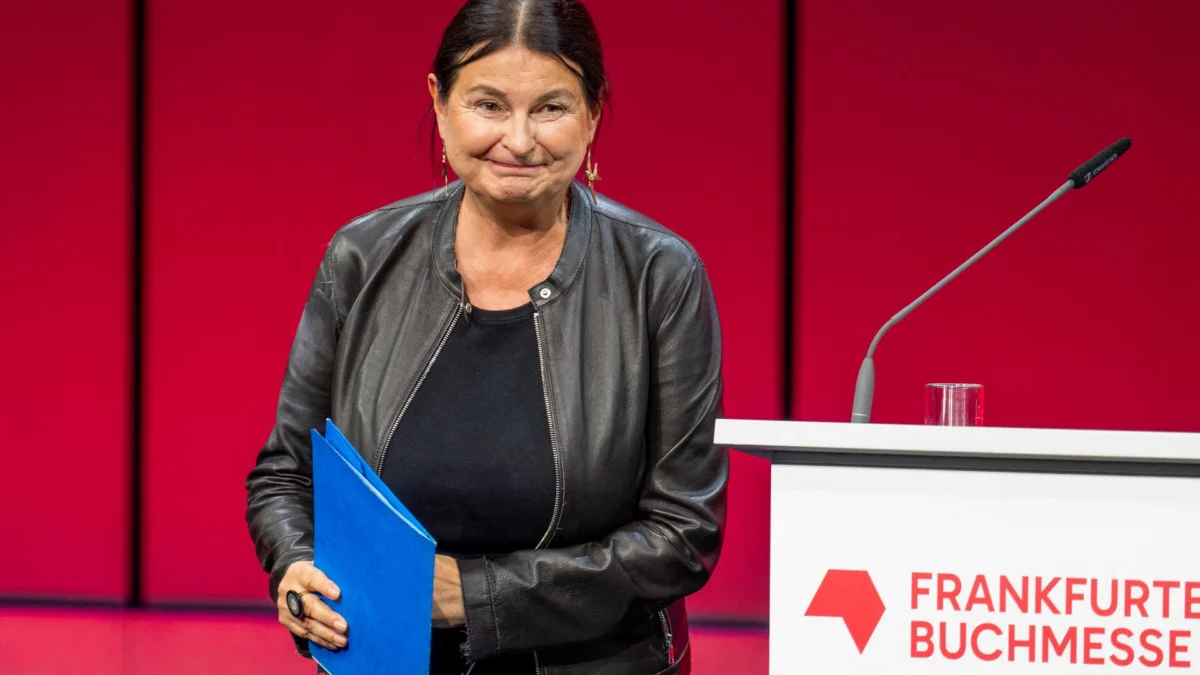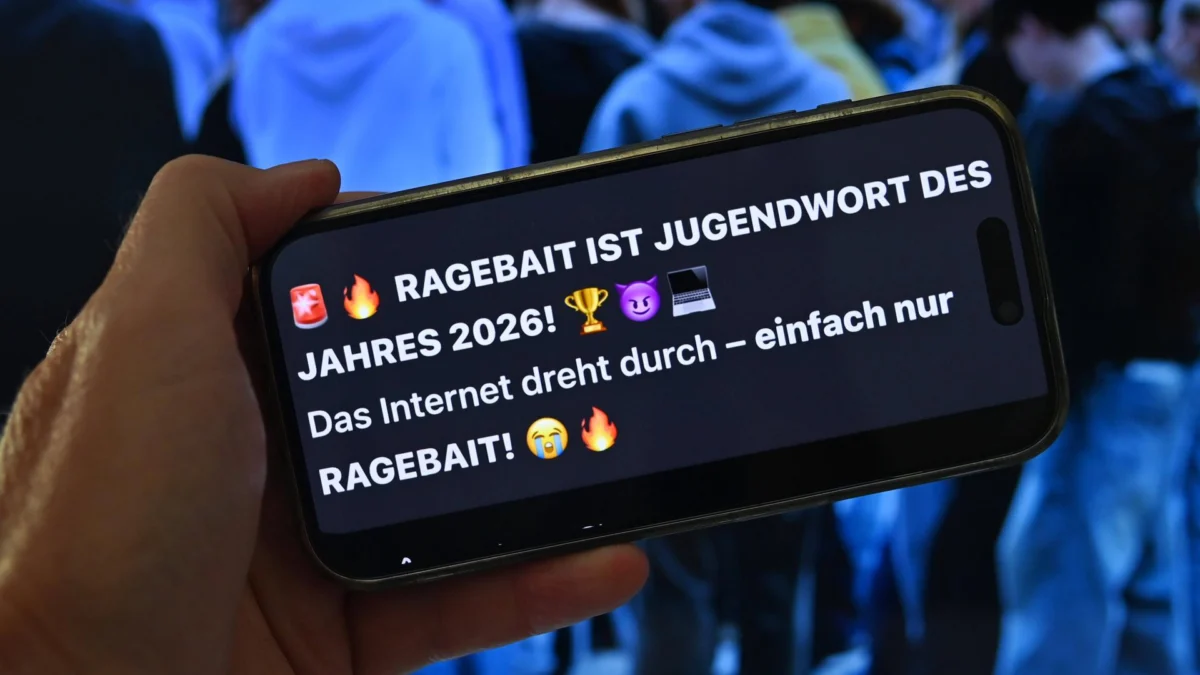
FRANKFURT, Germany — In a digital landscape increasingly defined by polarized discourse and the relentless pursuit of engagement, the verdict is in: "Ragebait" has officially been crowned the German Youth Word of the Year for 2026. The announcement, delivered with customary fanfare at the Frankfurter Buchmesse, signals a profound shift in how the younger generation perceives and critiques the architecture of modern social media.
The term, which describes content intentionally designed to provoke anger, frustration, or indignation to drive clicks, comments, and shares, secured a decisive 36.5% of the vote. As the digital age matures, this linguistic choice reflects a generation that is not only media-literate but acutely aware of the mechanisms used to manipulate their emotional responses.
The Verdict: A Breakdown of the Top Contenders
The competition was fierce, reflecting the rapid evolution of youth vernacular. The Pons Langenscheidt publishing house, which has overseen the selection process for years, reported high levels of participation, underscoring the cultural significance of the contest.
The Podium Finishers
- Ragebait (36.5%): The clear winner. It encapsulates the "outrage economy," where creators prioritize inflammatory rhetoric over substance.
- Peak (33.8%): A term often used to describe the absolute height of something—whether it be the "peak" of a situation or the pinnacle of hilarity or frustration. It narrowly missed the top spot.
- Crashout (29.7%): Originating from American slang, this term describes someone reaching a breaking point or spiraling into a chaotic, often public, meltdown.
The narrow margin between the top three candidates demonstrates that the voting demographic was deeply divided between terms of ironic observation ("Ragebait"), superlative expression ("Peak"), and behavioral description ("Crashout").
Chronology: From Digital Niche to Cultural Mainstream
The journey of "Ragebait" from an obscure internet marketing strategy to the defining term of 2026 mirrors the trajectory of the modern attention economy.
- Early 2025: The term began to see increased usage among content creators on platforms like TikTok and YouTube. It moved from being an industry jargon used by social media managers to a pejorative term used by viewers to call out influencers.
- Summer 2025: "Ragebait" became a staple in the comment sections of viral videos. Users began labeling controversial takes—often deliberately ill-informed or abrasive—as "obvious ragebait," effectively neutralizing the creator’s attempt to stir controversy.
- Spring 2026: The term entered the broader lexicon of German youth, transcending specific platforms and becoming a way to describe not just videos, but political discourse, news headlines, and even interpersonal conflicts.
- October 2026: Following a massive public voting campaign, the Pons Langenscheidt committee confirmed the term as the official Youth Word of the Year, marking the formal institutionalization of a word that was already omnipresent in the daily lives of Gen Z and Gen Alpha.
The Economics of Indignation: Why "Ragebait" Matters
To understand why "Ragebait" resonated so strongly, one must look at the structural incentives of the platforms where youth spend the majority of their time.
The Algorithmic Incentive
Algorithms are fundamentally indifferent to the quality of engagement. Whether a user clicks a video because they are inspired or because they are furious, the metric remains the same for the platform. Consequently, creators have learned that the fastest way to "beat the algorithm" is to elicit a strong emotional reaction.
"Ragebait" works because it exploits the human psychological tendency to correct others or voice strong disagreement. When a user posts an intentionally flawed opinion, they are banking on the fact that thousands of people will feel compelled to write a comment explaining why that opinion is wrong. Each comment signals to the algorithm that the video is "engaging," leading to further distribution.
The Psychological Cost
Psychologists have noted that the constant exposure to rage-inducing content—even when recognized as "bait"—can have long-term effects on emotional regulation. The fact that young people have identified this term as their "word of the year" suggests a healthy level of skepticism. By naming it, they are arguably taking the power away from it. To label something "Ragebait" is to dismiss it; it is an act of reclaiming agency in a space designed to strip it away.
Official Responses and Linguistic Significance
The selection of "Ragebait" has drawn praise from sociologists and linguists alike, who view it as a sophisticated commentary on the state of global media.

Dr. Elena Fischer, a media sociologist, noted during a panel at the Frankfurter Buchmesse: "This is not merely a slang term. It is a diagnosis. For the first time in recent years, the youth word is a meta-commentary on the medium itself. It shows that the younger generation is no longer a passive consumer of content; they are an active analyst of the mechanisms behind it."
Representatives from Pons Langenscheidt stated that the voting process this year was one of the most transparent in history. "We saw a remarkable level of engagement from voters across the DACH region," a spokesperson said. "The dominance of ‘Ragebait’ proves that our younger citizens are deeply concerned about the quality and intent of the information they consume."
Broader Implications: Navigating a Polarized Future
The crowning of "Ragebait" has profound implications for how we might view the future of digital interaction.
The Decline of "Engagement-First" Content?
If the audience is actively identifying and labeling manipulative content, the efficacy of the "Ragebait" strategy may eventually decline. If a content creator loses credibility the moment they are labeled a "ragebaiter," the social cost of using such tactics may eventually outweigh the algorithmic benefits. We may see a shift toward more authentic, value-driven content as users grow weary of constant emotional manipulation.
Media Literacy as a Defense
The term’s prevalence underscores the urgent need for robust media literacy education. If young people can identify ragebait, they can be taught how to avoid it and how to curate their digital environments to favor constructive dialogue over performative outrage. Schools and digital advocacy groups are already looking at how to leverage this cultural moment to foster deeper discussions about misinformation and algorithmic bias.
A Global Phenomenon
While the term is German-recognized, the concept is universal. From the hyper-polarized political debates in the United States to the click-driven headlines in East Asia, "Ragebait" is a global reality. Germany’s selection of this term may serve as a bellwether for other nations to follow suit, potentially leading to international dialogues on the ethics of content creation.
Conclusion: Looking Toward 2027
As the Frankfurter Buchmesse concludes, the conversation around "Ragebait" is only beginning. While it is easy to view the term as a cynical reflection of our times, it is equally possible to view it as a sign of progress.
The youth of 2026 are not being duped. They are observing, they are categorizing, and they are naming the forces that attempt to command their attention. Whether "Ragebait" leads to a genuine change in how we interact with digital media or remains a mere label for the status quo, its selection as the Word of the Year serves as a powerful reminder: the era of blind consumption is ending.
The question remains: will the creators, the platforms, and the policy-makers listen? As we move toward 2027, the challenge for all digital citizens will be to move beyond simply identifying the bait and toward creating a digital ecosystem that rewards wisdom, empathy, and truth over the cheap currency of manufactured anger.