In an era defined by digital transformation and the rapid consumption of media, the ability to access high-quality, regionally focused content is more vital than ever. The Mitteldeutscher Rundfunk (MDR)—a cornerstone of German public service broadcasting—has solidified its digital presence through the MDR Mediathek, a platform that serves as a bridge between the broadcaster and the citizens of Saxony, Saxony-Anhalt, and Thuringia. By aggregating everything from daily news reports and investigative journalism to weather forecasts and cultural features, the Mediathek has become the definitive archive for life in central Germany.
This article explores the utility of the MDR Mediathek, examines recent trends in regional reporting, and provides a detailed look at the latest headlines currently shaping the narrative in the Free State of Saxony.
The Role of the MDR Mediathek in Modern Information Landscapes
Public service broadcasting serves a critical function: to provide independent, reliable, and accessible information to the public. The MDR Mediathek, available at ardmediathek.de/mdr/, acts as the primary digital gateway for this mission. It is not merely a video repository; it is an essential public utility that democratizes access to information.
Bridging the Digital Divide
For many, the Mediathek is the only way to catch up on regional programming that might be missed during linear broadcast times. Beyond just replays, the platform offers exclusive online-only content, ranging from deep-dive documentaries to short-form clips tailored for mobile consumption. By hosting a vast library of content from the entire ARD network, it provides a comprehensive overview of both local and national affairs, ensuring that residents of central Germany are well-informed, regardless of their location or schedule.
User Accessibility and Technical Infrastructure
The platform’s architecture is designed for ease of access, featuring robust search functionality and intuitive categorization. Whether a user is looking for the latest episode of MDR SACHSENSPIEGEL or a specific cultural report from a remote village in the Ore Mountains, the Mediathek’s metadata-driven search allows for seamless retrieval. This digital infrastructure is vital for the preservation of regional history, as it creates a searchable, long-term archive of the daily life, politics, and culture of the region.
Chronology of Current Events: A Snapshot of Saxony
To understand the pulse of the region, one must look at the recent coverage provided by the MDR SACHSENSPIEGEL, the flagship news program for Saxony. The following chronology highlights the diverse range of topics currently dominating the public discourse.
October 11: Community and Culture
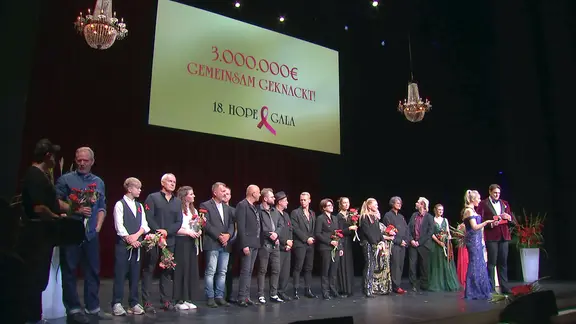
The focus centered on local traditions and major regional events. Key stories included the annual traditional "Schaufischen" (public fishing event) in Langburkersdorf, which underscores the region’s commitment to preserving agricultural heritage. Simultaneously, the cultural sector received a spotlight with the "Hope Gala" in Dresden, where prominent figures gathered to raise funds for charitable causes, demonstrating the vibrant philanthropic spirit within the state.
October 10: Infrastructure and Economic Resilience
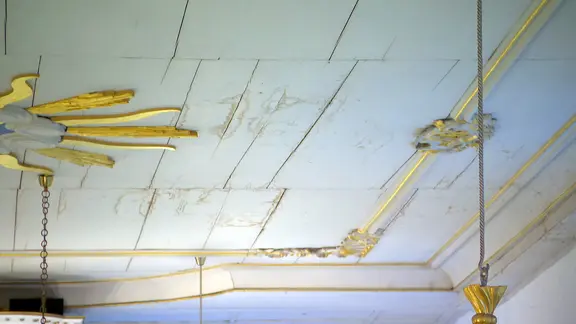
The news cycle shifted toward public safety and economic development. A primary concern was the structural integrity of Europe’s largest rock bridge, a point of pride and a significant tourist draw that requires constant monitoring. Additionally, the sports world turned its attention to the Basketball Bundesliga, with comprehensive reporting on the high-stakes match between Niners Chemnitz and FC Bayern Munich, reflecting the growing prominence of Saxony in national sports.
October 9: Industrial Innovation and Environmental Stewardship
The industrial landscape of the Dresden region continued its evolution with the milestone of a "Richtfest" (topping-out ceremony) at a major chip factory. This development is symbolic of the state’s push to become a global hub for semiconductor technology. Simultaneously, the younger generation showed their commitment to sustainability as a school class in Sebnitz planted a "climate forest," bridging the gap between traditional industry and future-proof environmental action.
Supporting Data: Regional Trends and Insights
Behind the headlines, several underlying trends are visible in the data provided by recent reports.

The Economic Landscape
Saxony is currently navigating a period of significant industrial transition. While traditional manufacturing remains a pillar of the economy, there is a clear strategic shift toward high-tech and "green" industries. The ongoing investments in chip manufacturing and the growth of renewable energy projects, such as the massive wind turbine developments in Schipkau, signal a long-term transition.
Social and Demographic Shifts
The reporting also reflects the challenges of an aging population and the pressure on social services. Stories regarding the "contact point" for families of those in need of care highlight a growing demand for social support infrastructure. Furthermore, the debate over funding for private schools (Freie Schulen) and the potential for staff cuts in social sectors indicate that fiscal policy is becoming a major point of friction in local politics.

Official Responses and Stakeholder Perspectives
Public discourse in Saxony is characterized by a constructive, albeit intense, dialogue between the state government, local municipalities, and the public.
- On Economic Development: Officials emphasize that the focus on high-tech sectors like microchips is essential for long-term job security in the region. The recent topping-out ceremonies are touted as success stories for the state’s investment climate.
- On Social Spending: The debate regarding budget cuts in the education and social sectors has drawn criticism from unions and advocacy groups. The state government maintains that these measures are necessary for budgetary stability, though they continue to face pressure to prioritize the welfare of students and the elderly.
- On Cultural Preservation: The support for events like the Hope Gala and local festivals demonstrates a consensus among political and civic leaders that maintaining a strong cultural identity is vital for the social cohesion of Saxony.
Implications: What Lies Ahead for the Region?
The content available through the MDR Mediathek offers more than just a summary of the past; it provides a roadmap for the future. Several implications can be drawn from the current state of affairs:

The Need for Continued Digital Investment
As the primary interface between the broadcaster and the public, the Mediathek must continue to evolve. Future developments will likely focus on increased personalization, improved accessibility features, and perhaps the integration of more interactive elements that allow citizens to engage directly with the topics being reported.
Balancing Tradition with Modernity
Saxony is uniquely positioned as a state that deeply values its history—as seen in the preservation of the rock bridges and traditional fishing—while simultaneously racing toward a high-tech future. The implication for the region is that it must continue to manage this duality. Success will depend on the ability to integrate modern industry without losing the cultural character that defines Saxon life.
The Power of Localized Journalism
The success of programs like MDR SACHSENSPIEGEL proves that there is a profound appetite for high-quality, local journalism. In an age of globalized media, the granular focus on specific municipalities, local sports teams, and regional economic shifts provides a level of relevance that national or international outlets cannot replicate. This is a vital service for maintaining the civic health of the Free State.
Final Thoughts
The MDR Mediathek is a repository of the stories that define the identity of central Germany. By documenting everything from the small-scale success of a local fishing festival to the global significance of a new semiconductor plant, it ensures that the narrative of Saxony is not only told but preserved for posterity. As we look forward, the platform will undoubtedly remain an indispensable tool for residents, researchers, and anyone with an interest in the dynamic and ever-evolving story of this German region.
For those looking to engage further, the Mediathek remains open and accessible, inviting every citizen to explore the breadth of reporting that makes the Mitteldeutscher Rundfunk an essential part of the regional fabric. Whether you are catching up on the latest sports results, checking the weekend weather, or diving into the complexities of local economic policy, the Mediathek is your portal to the heart of Saxony.