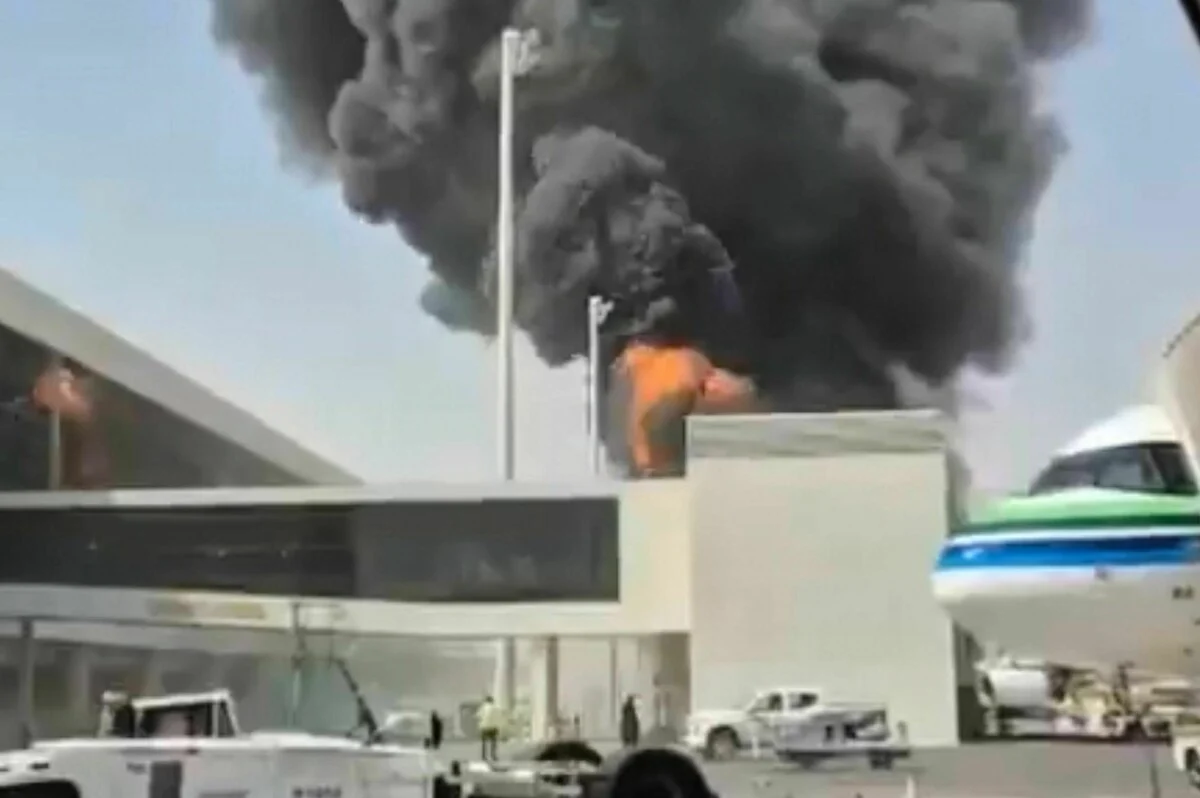
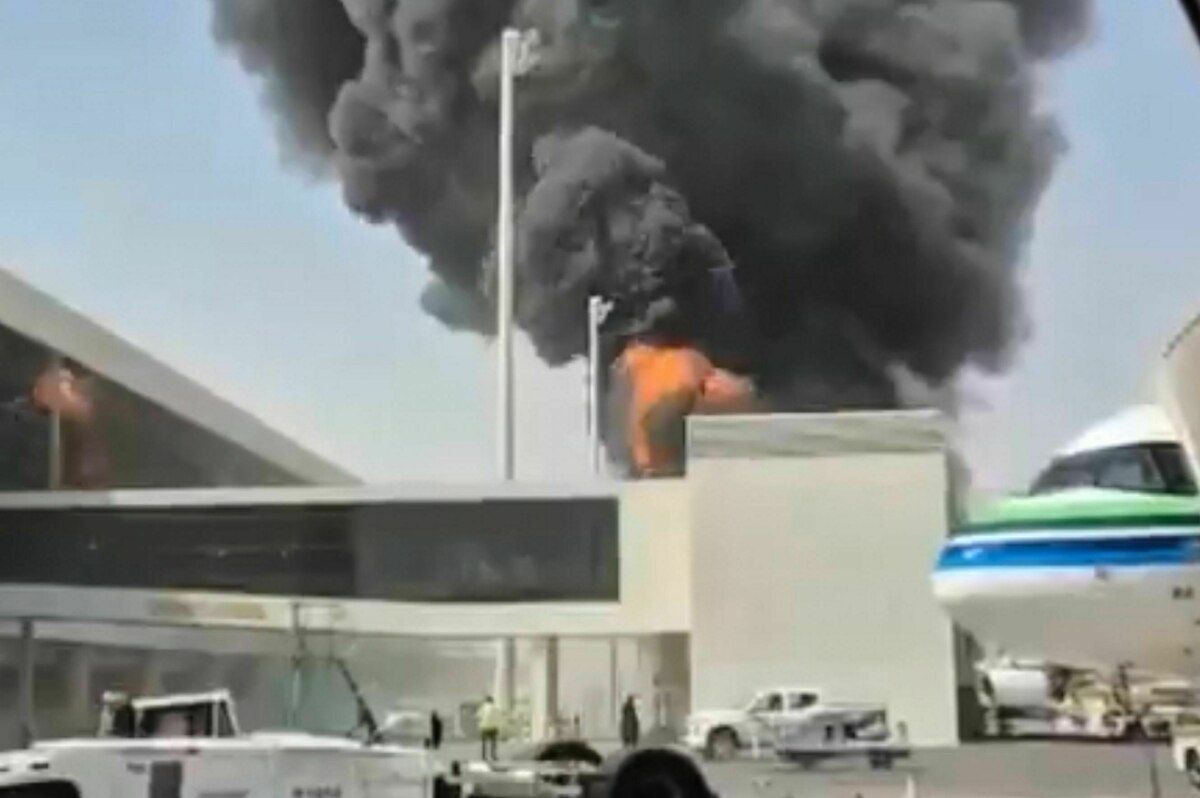
The geopolitical stability of the Arabian Peninsula stands on a knife-edge following what has been described as the most lethal and significant attack on Saudi soil in recent memory. A violent strike targeting the terminal of Riyadh’s main airport has left at least 12 people dead and over 300 injured, shattering the relative—albeit fragile—calm that had intermittently defined the region’s security landscape. As smoke cleared from the site, the reality became stark: the ongoing conflict in Yemen, long considered a "forgotten war," has fundamentally shifted from a localized skirmish to a high-stakes arena of international proxy warfare.
The Anatomy of the Attack: A Shift in Asymmetric Warfare
The strike on the Riyadh airport was not merely a military operation; it was a calibrated psychological and strategic maneuver by the Houthi movement. By targeting a civilian infrastructure hub in the heart of the Saudi capital, the Houthi rebels have signaled a clear escalation in their asymmetric warfare tactics.
For years, the Houthis have utilized drone and missile technology to challenge the Saudi-led coalition, which supports the internationally recognized Yemeni government. However, this latest attack represents a qualitative leap in their capability and intent. The Houthis, under immense pressure due to a recent, robust counter-offensive by government forces—heavily supported by Saudi air power—have opted for a "scorched earth" signaling strategy.
The attack follows a series of significant battlefield losses for the Houthi militia, particularly along the critical coastline of the Red Sea and the strategic Bab al-Mandab Strait. Having lost ground in these vital maritime chokepoints, the rebels appear to have pivoted to a strategy of high-profile retaliation, intending to force the Saudi leadership into political concessions by demonstrating that no part of the Kingdom is beyond the reach of their arsenal.
Chronology of a Deteriorating Situation
To understand the gravity of the current moment, one must look at the recent trajectory of the Yemen conflict:
- The Stalemate Phase: Over the past several years, the war had settled into a bloody stalemate. Repeated attempts at ceasefires were consistently undermined by both sides. Critically, these temporary pauses were frequently exploited by the Houthi leadership to regroup, rearm, and recalibrate their offensive capabilities.
- The Government Counter-Offensive: Driven by the need to secure the Red Sea trade routes, the Yemeni government, backed by Riyadh, launched a massive multi-front offensive. This pushed the Houthis back from key coastal positions, creating a sense of existential panic within the movement.
- The Retaliatory Spike: Following the loss of the Bab al-Mandab positions, the Houthis launched a series of retaliatory strikes. The attack on the Riyadh airport is the culmination of this cycle, marking a transition from battlefield skirmishes to a direct assault on the economic and logistical nerve center of the Saudi state.
Supporting Data and Strategic Implications
The human cost of this conflict is immense. With over 300 injured, the Riad attack has overloaded local medical facilities and created a state of high alert across the Kingdom. Beyond the immediate tragedy, the strategic implications are profound.
The Houthis are operating under a doctrine of "escalation for leverage." By attacking civilian targets, they are effectively telling the Saudi regime that the cost of continued military involvement in Yemen will be measured in civilian blood and the disruption of the Kingdom’s "Vision 2030" goals, which rely heavily on regional stability and tourism.
Furthermore, this incident exposes the limitations of the Saudi air defense systems, which, despite massive investments, have struggled to achieve a 100% interception rate against the increasingly sophisticated drone swarms and cruise missiles deployed by the Houthis.

The Proxy Dilemma: The Roles of Washington and Tehran
The conflict in Yemen has long ceased to be an internal civil war. It is now a critical theater for the global rivalry between the United States and the Islamic Republic of Iran.
The United States, as the primary security guarantor for Saudi Arabia, finds itself in a precarious position. With the US Midterm elections looming, the Biden administration is under pressure to avoid a large-scale entanglement in another Middle Eastern conflict. However, the inability to protect a key ally like Saudi Arabia from sustained bombardment threatens to undermine American credibility in the region.
Conversely, Iran continues to provide the Houthi movement with the technical expertise, components, and intelligence required to execute such precise strikes. For Tehran, the Yemen conflict serves as a "pressure valve" in their broader confrontation with the US over the Strait of Hormuz. If Washington and Tehran choose to escalate their broader regional standoff, they will almost certainly use the Yemen war as a primary instrument of that escalation. If, however, both powers decide that a direct, high-intensity conflict is too costly, they may find themselves forced to exert pressure on their respective proxies to de-escalate.
Official Responses and Diplomatic Stagnation
Official rhetoric from Riyadh has been characterized by condemnation and vows of "appropriate responses." However, behind the scenes, there is a palpable sense of apprehension. The Saudi leadership is currently engaged in a difficult search for international partners who are willing to provide more than just moral support.

Tehran’s response has been more ambiguous, with foreign ministry officials calling for a "diplomatic solution" while simultaneously refusing to condemn the actions of their Houthi allies. This duality is a hallmark of Iranian regional strategy: maintaining deniability while maximizing strategic gain through proxies.
The Path Forward: De-escalation or Catastrophe?
The situation on the Arabian Peninsula is now at a critical junction. There are two primary scenarios for the coming months:
1. The Path of Escalation: In this scenario, Saudi Arabia responds with a massive, retaliatory air campaign targeting Houthi leadership hubs and weapon caches. This would likely trigger further, more frequent attacks on Saudi civilian infrastructure, leading to a regional conflagration that draws in international naval forces to secure the Red Sea, effectively turning the Yemen war into a broader maritime conflict.
2. The Path of De-escalation: This requires a Herculean diplomatic effort. For this to occur, Washington must convince Riyadh that a political settlement—however distasteful—is preferable to an open-ended war. Simultaneously, Tehran must be incentivized to rein in the Houthis, likely in exchange for concessions elsewhere in the ongoing nuclear and regional security talks.

The reality remains grim. As long as the Houthis believe that terrorizing the Saudi population is a viable path to political power, and as long as Saudi Arabia feels that military force is the only way to prevent a hostile, Iran-aligned entity from controlling its southern border, the cycle of violence will continue.
Conclusion
The attack on the Riyadh airport is a chilling reminder of the volatility of the modern Middle East. It has exposed the fragility of the status quo and highlighted the catastrophic potential of the Yemen war to bleed into the wider region.
The international community, which has largely remained a spectator to the humanitarian disaster unfolding in Yemen, must now recognize that the "local" war has reached a point where it can no longer be ignored. The stakes are no longer just the future of the Yemeni state; they are the stability of the global energy supply, the security of international shipping lanes, and the prevention of a wider, more destructive regional war.
As the dust settles in Riyadh, the world waits to see if the architects of this conflict will choose the path of diplomacy or continue down the road of mutual destruction. The window for de-escalation is narrowing, and the cost of inaction is rising with every passing day. The tragedy at the airport is not just a warning; it is a preview of what is to come if the cycle of regional proxy warfare is not decisively broken.