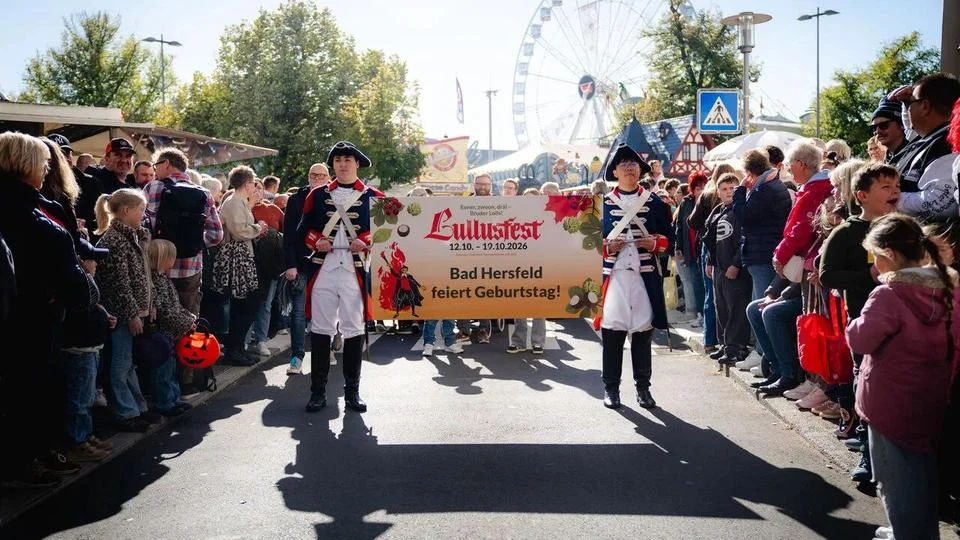
BAD HERSFELD, Germany – As the autumn air turns crisp, the historic town of Bad Hersfeld finds itself once again at the center of cultural gravity for the Hesse region. On Monday, the town marked the official commencement of the Lullusfest—affectionately known by locals as "Lolls"—a celebration that claims the title of one of the oldest folk festivals in Germany. With a history stretching back to the year 852, the festival is not merely a seasonal fair but a living link to the medieval origins of the town, bridging the gap between ancient ecclesiastical history and the high-octane thrills of modern amusement technology.
A Legacy Etched in Time: The Main Facts
The Lullusfest is more than a week of festivities; it is a profound historical statement. Since the mid-9th century, the town has gathered to commemorate the death of Saint Lullus, the first bishop of Mainz and founder of the Hersfeld Abbey. What began as a religious pilgrimage and market gathering in the shadow of the abbey ruins has evolved into a massive, week-long public celebration that attracts approximately 500,000 visitors annually.
The heartbeat of the festival remains the Fierche, a traditional open fire ignited in the town square. At precisely 12:00 PM on the opening Monday, the symbolic ritual took place, accompanied by the customary cry, "Enern, zween, dri… Bruder Lolls!" (One, two, three… Brother Lolls). This act serves as the official launch of the week’s events, signaling to the region that the "birthday" of Bad Hersfeld has begun. This year, the overarching theme, "Bad Hersfeld celebrates a birthday," underscores the deep-rooted connection between the city’s identity and this perennial event.
Chronology of the Celebration: From Medieval Roots to Modernity
To understand the Lullusfest, one must look at its trajectory across the centuries.
The Origins (852 AD)
The tradition traces its lineage to the year 852, following the death of Archbishop Lullus. In the medieval era, the festival served as a significant economic engine for the region, acting as a major trade fair where merchants from across the Holy Roman Empire would congregate. The presence of the fire in the market square was, historically, a sign of public order and the right to hold a market, a privilege granted to the town centuries ago.

The Modern Evolution
While the core traditions remain intact, the festival has continuously adapted to the sensibilities of each passing era. Today, the fairgrounds represent a stark contrast to the medieval origins: a sprawling landscape of neon-lit attractions, state-of-the-art culinary stalls, and high-tech engineering. The transition from the solemn religious commemorations of the past to the contemporary "volksfest" experience is a testament to the community’s ability to maintain heritage while embracing progress.
Supporting Data: By the Numbers
The scale of the Lullusfest is immense, particularly given the size of Bad Hersfeld. Key data points for the 2024/2025 iteration include:
- Visitor Footfall: An estimated 500,000 guests are expected to walk through the gates over the course of the week.
- Infrastructure: The festival grounds host more than 50 specialized sales stalls and over 20 distinct culinary stations, offering everything from regional Thuringian-style sausages to modern fusion street food.
- Technological Integration: This year marks a significant upgrade in entertainment, featuring the "Punk Flasher" and "ShockWave" rides—both manufactured in 2025. These rides represent the pinnacle of modern fairground engineering, designed to satisfy the increasing demand for high-adrenaline experiences.
- The Fire Keepers: The "Feuermeister" (Fire Master) plays a critical role. This year marks a significant milestone: the 100th anniversary of the Feuermeister office. The incumbent is responsible for ensuring the Fierche remains burning throughout the entire duration of the festival, a task that requires 24-hour vigilance.
Official Responses and Civic Pride
The importance of the Lullusfest to the local government cannot be overstated. Mayor Anke Hofmann, speaking during the opening ceremonies, emphasized the social cohesion the festival fosters.
"Lolls is the festival that Bad Hersfeld and the entire region look forward to every single year," Mayor Hofmann stated. "It is an honor to witness how our traditions continue to inspire new generations. We invite everyone to experience the unique atmosphere of our Lullusfest—a blend of heritage, cutting-edge attractions, and, most importantly, a space for the community to come together."
The mayor’s remarks highlight the city’s dual mission: to preserve the dignity of the historical commemoration while ensuring the city remains a vibrant destination for tourists. The inclusion of new rides, such as the tropical-themed "Dschungel Camp" obstacle course, serves as a bridge, offering family-oriented entertainment that balances the intensity of the "ShockWave" and "Punk Flasher" rides.

Implications: A Model for Cultural Preservation
The longevity of the Lullusfest offers profound implications for the study of German cultural identity. In an era of globalization, where many local traditions are fading, the success of the Lullusfest highlights the resilience of regional identity when it is allowed to evolve.
The Economic Impact
The festival is an economic powerhouse for Bad Hersfeld. Local hotels, retail stores, and transport services see a substantial surge in activity during the week. By integrating the festival into the town’s marketing strategy as a "birthday celebration," officials have successfully turned a historical curiosity into a robust tourism product that sustains the local economy through the late autumn months.
The Social Fabric
Perhaps the most significant implication is the festival’s role in social continuity. The specific ritual of the Fierche and the accompanying chant creates a generational thread. When parents bring their children to watch the fire being lit, they are participating in a communal act that has been repeated by their ancestors for over a millennium. This reinforces a sense of belonging that is increasingly rare in urban centers.
Sustainability and Future Challenges
Looking ahead, the organizers face the challenge of modernizing the festival while maintaining its authentic character. The introduction of 2025-model rides is a bold step, but it must be balanced against the risk of the festival becoming "just another fair." The historical integrity—represented by the Feuermeister and the specific dates—remains the festival’s unique selling point. As long as the Fierche continues to burn in the market square, the link to the 9th century remains unbroken, ensuring that the Lullusfest will remain a staple of the German cultural landscape for centuries to come.
As the week progresses, the town of Bad Hersfeld will continue its transformation into a hub of music, laughter, and light. Whether one comes for the thrill of the "ShockWave" or the solemnity of the historical commemorations, the Lullusfest stands as a powerful reminder that history is not just found in books—it is something that can be felt, celebrated, and shared in the heart of the city.