The debate surrounding the future of the internal combustion engine (ICE) in the European Union has reached a state of intense political volatility. For nearly a year, Brussels has been locked in a labyrinthine negotiation process, attempting to reconcile the EU’s ambitious climate targets—the "Fit for 55" package—with the industrial realities of the continent’s powerful automotive sector. Despite a late-night breakthrough between key parliamentary factions on October 20, the path forward remains shrouded in uncertainty, illustrating the profound friction between environmental policy and industrial preservation.
The State of Play: A Fragile Compromise
At the heart of the current deadlock is the question of how the EU should transition toward zero-emission mobility by 2035. While the European Commission, the European Parliament, and the Council of the EU have been working toward a consensus for months, a definitive agreement remains elusive.
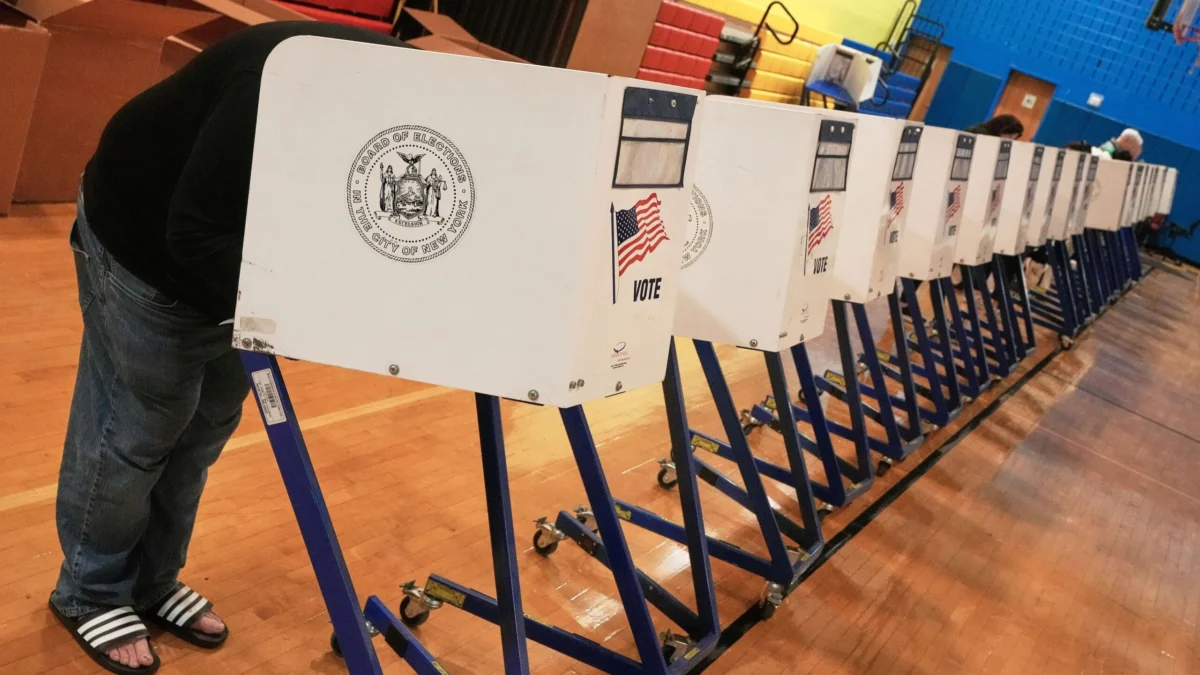
On the night of October 20, negotiators from the conservative European People’s Party (EPP), the Socialists and Democrats (S&D), and the liberal Renew Europe group announced a tentative agreement. This proposal suggests a nuanced modification to the proposed total ban on ICE vehicles. Specifically, it seeks to link a partial softening of the emissions targets to the utilization of "green steel"—steel produced using carbon-neutral technologies.
However, the internal cohesion of this coalition is fragile. Iratxe García Pérez, leader of the S&D faction, publicly stated shortly after the announcement that her group requires further deliberation. "We must continue to discuss the topic within our faction," she remarked, signaling that the "breakthrough" was far from a final ratification. Observers note that it may be months before it becomes clear whether a sustainable consensus can be reached among the three groups, which together hold 398 of the 719 seats in the European Parliament.
Chronology of the Regulatory Impasse
The current standoff is the culmination of a long-standing policy evolution:
- December 2025 (Proposals): The European Commission laid out the initial framework, suggesting that the automotive industry must achieve a 90% reduction in CO2 emissions by 2035, with the remaining 10% to be offset by a combination of low-carbon steel, E-fuels, and biofuels.
- Mid-October 2024: A fresh wave of pressure emerged as Germany and France proposed a simplified reduction target of 90% by 2035, removing the requirement to compensate for the remaining 10%. This proposal notably lacked the "green steel" incentive that has since become the focal point of the parliamentary debate.
- October 20, 2024 (The "Night Deal"): Negotiators from the EPP, S&D, and Renew Europe convened in a late-night session, hammering out a compromise that proposed a 95% reduction in CO2 emissions for new vehicles by 2035, with a "green steel" loophole allowing manufacturers to fall short by an additional 7.5 percentage points without incurring penalties.
- Late October 2024: The aftermath of the agreement saw immediate internal backlash within the S&D and sharp criticism from environmental advocates, pushing the timeline for a final decision into the following year.
Supporting Data and Technical Nuances
The technical debate centers on the "95-90-7.5" formula. The core requirement is a 95% reduction in tailpipe emissions by 2035. However, the proposed amendment introduces a critical caveat: if a manufacturer integrates green steel—produced with hydrogen or renewable electricity—into their vehicle production, they are granted a 7.5 percentage point reduction in their target compliance, effectively creating a "compliance credit" system.
This approach is fundamentally different from the Franco-German proposal, which sought a flat 90% target. The parliamentary compromise aims to maintain high environmental standards (the 95% headline) while providing industrial flexibility. Proponents argue this creates a market pull for the green steel industry, currently concentrated in regions like Duisburg, Saarland, and Salzgitter in Germany, thereby linking automotive decarbonization to the decarbonization of heavy industry.
Official Responses: A Divided House
The political reaction to the compromise has been as fragmented as the legislation itself.
The Pro-Industry Stance (EPP)
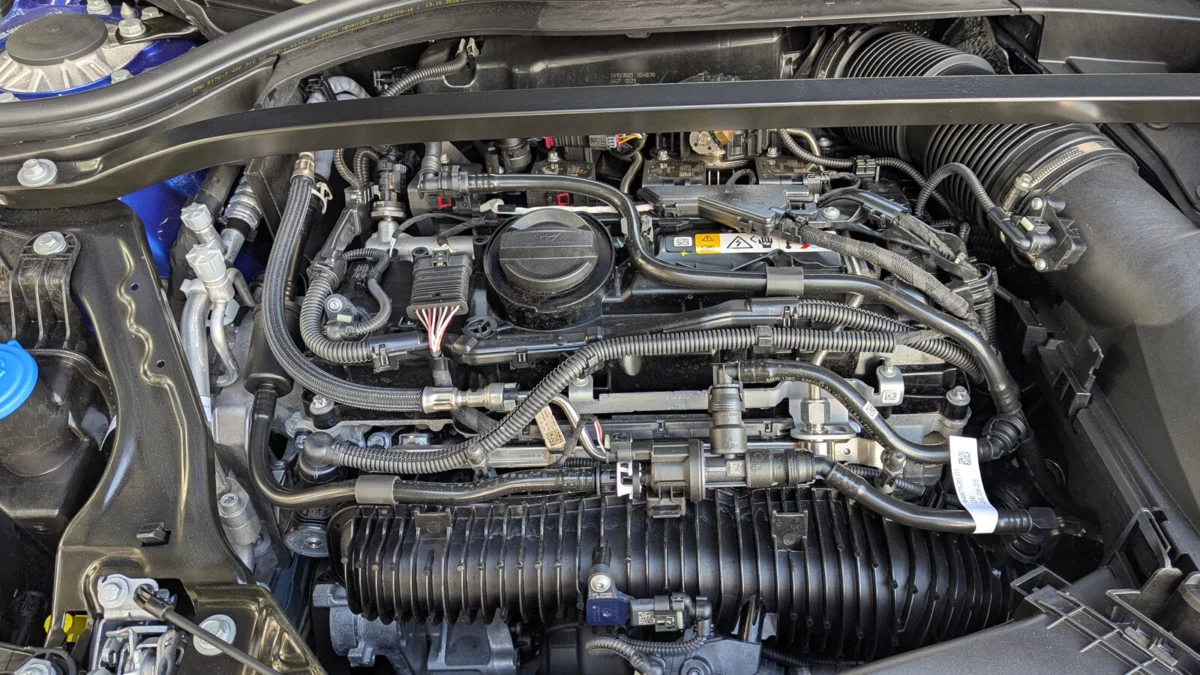
Manfred Weber, leader of the EPP, has framed the compromise as a victory for European workers. "The end of the internal combustion engine is off the table," Weber declared. His rhetoric reflects a broader concern among conservatives that an aggressive, rapid transition to battery electric vehicles (BEVs) threatens the economic foundation of European manufacturing. Peter Liese, the EPP’s climate policy spokesperson, emphasized that the green steel incentive is a vital "bridge" that protects jobs in the traditional steel and automotive heartlands of Germany.
The Environmentalist Criticism
Conversely, the deal has been met with skepticism by members of the Green faction and climate policy experts. Michael Bloss, an MEP who has been deeply involved in the negotiations, described the agreement as "chaos." Bloss argues that the automotive industry, which is currently investing billions into electrification, needs absolute regulatory clarity. "This deal falls behind the German-French proposal," he stated, warning that the inclusion of such loopholes complicates the transition, slows the adoption of E-mobility, and puts European manufacturers at a competitive disadvantage against Chinese and American rivals who are moving toward pure electrification.
Broader Implications: Climate vs. Competitiveness
The legislative gridlock in Brussels is not merely about tailpipe emissions; it is a proxy war for the future of the European economy.
1. Industrial Transformation
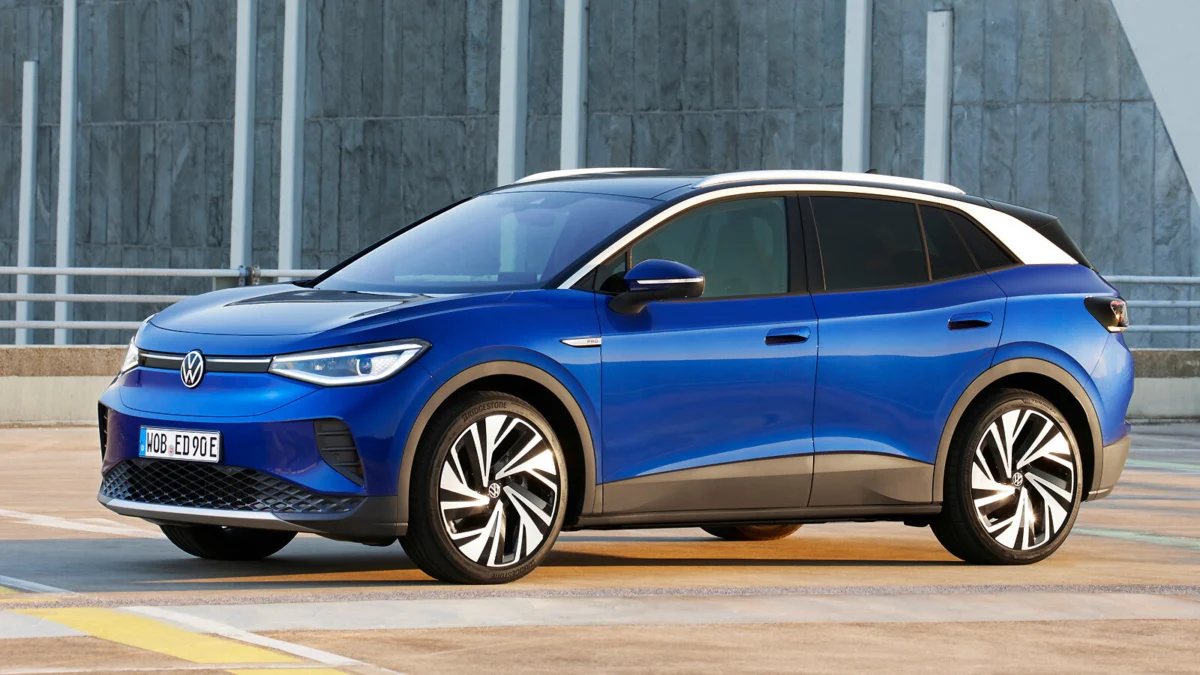
The European automotive industry is the continent’s largest employer. A forced shift to electric mobility creates winners and losers. Manufacturers that have already pivoted to BEVs (such as Volkswagen’s ID series or Stellantis’s electrification strategy) view the "green steel" compromise as an unnecessary dilution of their investment. They fear that if the rules are softened now, it will create a "two-tier" market where legacy ICE vehicles are propped up by regulatory exceptions, hindering the economies of scale needed to drive down the price of EVs.
2. Geopolitical Stability
The "green steel" provision is an attempt to address the "carbon leakage" problem. If Europe mandates low-carbon manufacturing, it must ensure that its own steel industry—a high-energy-consuming sector—can survive. By creating an internal market for green steel, the EU hopes to foster a competitive advantage in green manufacturing, even if it complicates the regulatory landscape for automakers.
3. The Trust Deficit
The most damaging consequence of this ongoing saga is the erosion of "planning security." Automotive executives have repeatedly warned that uncertainty is the enemy of investment. When regulations change on a quarterly basis, or when a deal is signed only to be undermined by internal party disputes, the ability to plan long-term capital expenditure is crippled.
Conclusion: A Future in Flux
As the dust settles on the October negotiations, it is clear that the "combustion engine debate" is far from over. The EU is caught between the necessity of meeting its 2050 climate neutrality targets and the political imperative to shield its manufacturing base from rapid, potentially destabilizing change.
The proposed compromise—a mixture of strict reduction targets and flexible compliance credits—is a quintessentially European solution: complex, balanced, and potentially ineffective. Whether this "green steel" mechanism will succeed in both decarbonizing the sector and preserving industrial capacity remains the central question of the next decade of European policy. For now, the automotive sector remains in a state of purgatory, waiting for the European Parliament to finally resolve the tension between the world of yesterday and the mandates of tomorrow.