The Impending Paradigm Shift
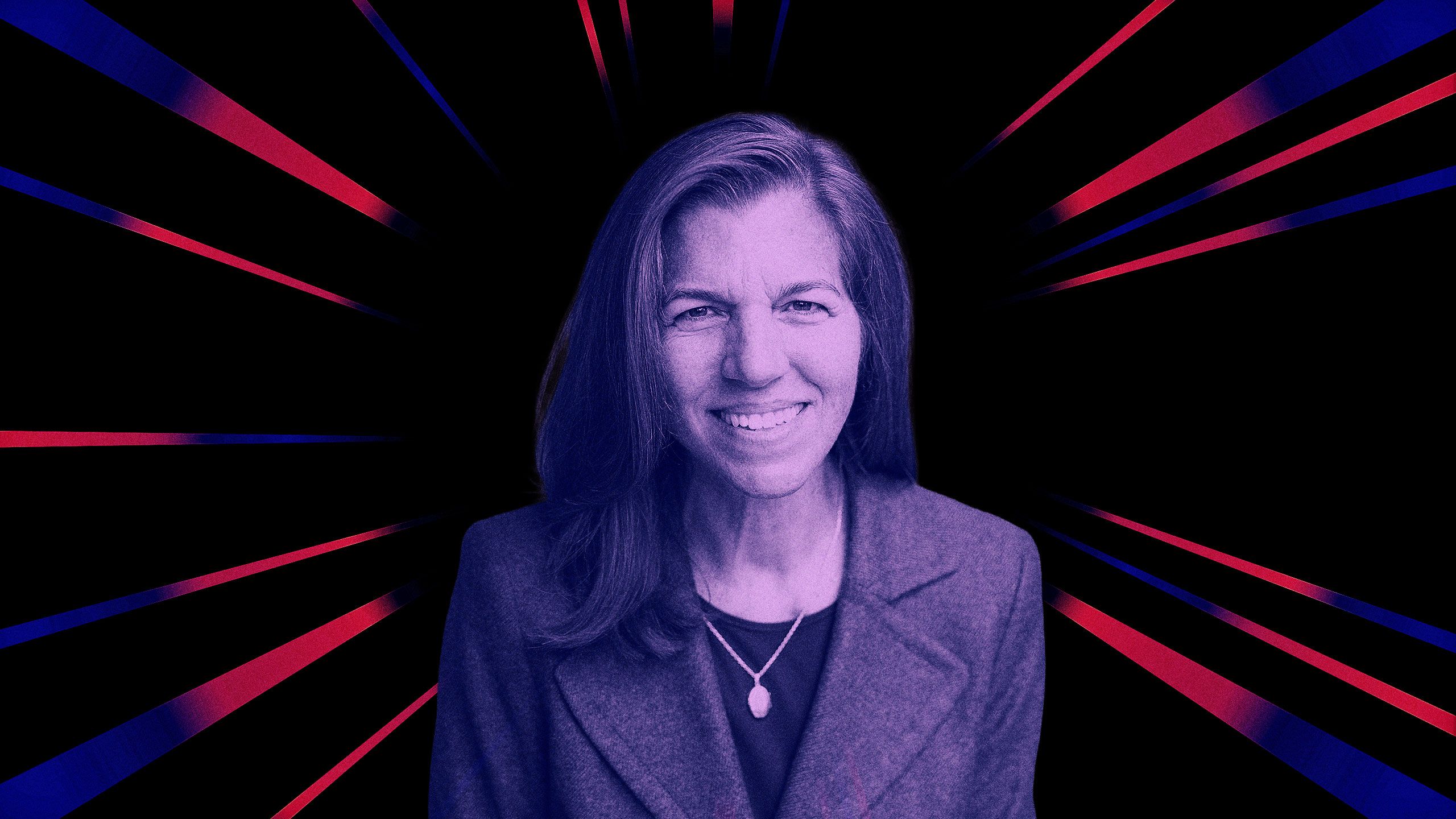
The global labor market stands at a precarious precipice. As generative artificial intelligence models proliferate at an unprecedented velocity, the foundational structures of professional life are undergoing a tectonic transformation. Allison Pugh, a distinguished sociologist at Johns Hopkins University and a leading voice on the intersection of technology and human connection, warns that we are currently witnessing an "AI tsunami."
This is not merely a question of job displacement or economic efficiency; it is a profound existential inquiry into the nature of human value. If algorithms can synthesize information, draft legal briefs, generate code, and diagnose illnesses with greater speed and accuracy than the average professional, what happens to the dignity of human endeavor? Pugh suggests a unsettling possibility: that in the near future, authentic, human-performed labor may cease to be a standard requirement of the economy and instead become a status symbol—a luxury reserved for an elite class.
Main Facts: The Devaluation of Human Effort
The core thesis presented by sociologists like Pugh is that we are currently failing to prioritize or cherish the intrinsic value of human contribution. In a market-driven society, we tend to measure worth through efficiency and output. AI excels at both.
- The Productivity Trap: Tech titans, including Microsoft AI CEO Mustafa Suleyman, have publicly predicted that the vast majority of office-based roles could be subsumed by AI within the next few years. This shift threatens to hollow out the middle class, which has traditionally relied on knowledge-based labor as its primary vehicle for social mobility.
- The Erosion of Connection: Pugh’s research highlights that when AI intervenes in human-to-human services—whether in caregiving, education, or professional consulting—we risk losing the "friction" that actually makes those interactions meaningful.
- The Luxury of Human Presence: If machine-generated output becomes the baseline, then the "human touch"—the messy, nuanced, and empathetic interaction—will inevitably command a premium price. This mirrors the history of artisanal goods: when mass production took over, hand-crafted items became the exclusive domain of the wealthy.
Chronology of the AI Surge
To understand the current anxiety, one must look at the rapid acceleration of the technology:

- Pre-2020: AI was largely viewed as a tool for automation in manufacturing and data processing. The focus was on "robotic" tasks.
- Late 2022: The public release of ChatGPT acted as the "Big Bang" for generative AI. It demonstrated that machines could perform "creative" and "cognitive" labor, previously considered the sole province of humans.
- 2023: Industries from media to software development saw widespread integration of LLMs (Large Language Models). Corporations began signaling a shift toward leaner workforces, citing "AI-augmented productivity" as a driver for cost-cutting.
- 2024 and Beyond: We are now in the phase of mass-market deployment. The conversation has shifted from "Will AI take jobs?" to "How do we define human worth in an economy where AI is the primary producer?"
Supporting Data and Sociological Context
The economic implications are staggering. According to various labor market analyses, the roles most susceptible to AI integration are not the manual labor jobs of the past, but the "knowledge work" of the present.
Sociologically, this creates a crisis of purpose. For centuries, the Protestant work ethic and modern capitalism have tethered human dignity to professional productivity. If the "means of production" (the algorithms) are owned by a tiny fraction of the population, and the "output" is generated by machines, the traditional link between labor and survival is severed.
Pugh notes that we are seeing a paradox: while companies race to automate, there is a lingering, almost desperate human craving for genuine connection. She cites anecdotes of students and clients turning to AI for convenience but still reaching out to human mentors for wisdom. This "demand for the human" is the only thing standing between us and total commoditization.
Official Perspectives: The Tech Giants vs. The Academics
The discourse is sharply divided between the optimism of Silicon Valley and the skepticism of the social sciences.

The Technocratic View:
Leaders in the tech sector, such as Mustafa Suleyman, argue that the transition is inevitable and ultimately beneficial. They frame the "end of work" as a transition toward a post-scarcity society. From their perspective, if AI can handle the drudgery of administrative tasks, humans will be free to pursue more "meaningful" activities. They advocate for policy shifts like Universal Basic Income (UBI) to manage the transition.
The Sociological Critique:
Allison Pugh and her peers argue that this view is dangerously reductive. They contend that the "drudgery" of work is often where social bonds are formed and where individuals find a sense of community. By removing the necessity of human collaboration, we aren’t just creating free time; we are dismantling the social fabric. Furthermore, they warn that the transition will not be equitable. Without massive structural intervention, the "luxury of human labor" will exacerbate existing wealth gaps.

Implications: A World Without Traditional Labor
If we continue on the current trajectory, the implications are profound:
1. The Stratification of Service
In the future, the wealthy will pay for human doctors, human lawyers, and human tutors, while the general population will be serviced by AI interfaces. This will create a "two-tier" reality where human attention becomes the ultimate currency.

2. The Crisis of Meaning
If your job is the primary way you define your place in the world, the loss of that role to an algorithm can lead to a profound loss of identity. We must find new ways to validate human life that are not solely dependent on economic output.
3. The Need for "Human-Centric" Regulation
Governments must move beyond mere copyright and safety regulation. We need policies that incentivize human labor in sectors where it is critical—such as education, elder care, and mental health. We must treat human presence as a public good that requires protection, not just another cost to be optimized away.

Conclusion: Reclaiming the Human Element
The "AI Tsunami" is not something we can stop, but it is something we can steer. The warning from Allison Pugh is clear: we must stop viewing efficiency as the sole arbiter of value.
If we allow the market to dictate the future of human labor without intervention, we risk a future where human interaction is a commodity for the few, and a redundant relic for the many. The path forward requires a revaluation of what it means to be useful, what it means to be employed, and—most importantly—what it means to be human in an age of machines.

We are at a crossroads. We can either drift toward a future where human effort is devalued until it becomes a luxury, or we can choose to build a society where technology serves as a foundation for human flourishing, rather than a replacement for the human spirit. The choice remains ours, but the window of opportunity is closing rapidly. As we integrate these powerful tools, we must ensure that in our quest for productivity, we do not automate away the very things that make our lives worth living.