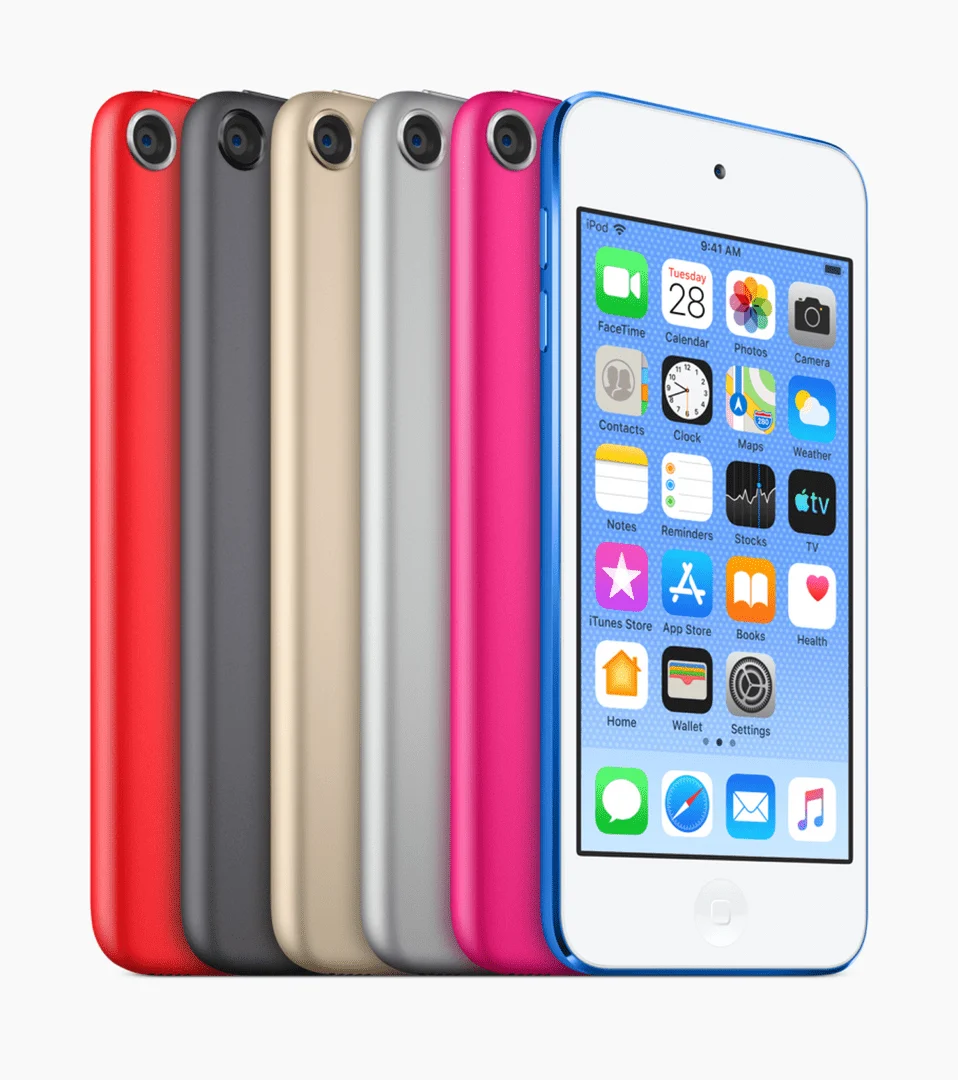
Twenty-five years ago, the landscape of personal technology was fundamentally different. Computing was a desktop-bound activity, and music consumption was divided between the friction of physical media—the cumbersome CD changer or the skipping Discman—and the chaotic, nascent world of digital MP3 files. When Apple introduced the iPod on October 23, 2001, it was viewed by many skeptics as a niche peripheral for a company primarily known for Macintosh computers. In reality, it was the opening salvo of a cultural and technological revolution.
The iPod did more than just play music; it bridged the gap between the rigid, siloed world of traditional media and the fluid, interconnected digital future. It became a ubiquitous cultural icon, a fashion statement, and, most importantly, the foundational blueprint for the smartphone era.
The Genesis of "1,000 Songs in Your Pocket"
When Steve Jobs took the stage in Cupertino in the autumn of 2001, he didn’t just unveil a device; he solved a problem that had plagued the early digital music era: portability. The pitch was disarmingly simple: "1,000 songs in your pocket."
The original iPod was a marvel of industrial design, featuring a 5 GB hard drive—an astonishing amount of storage for the time—housed in a sleek, white chassis. Its defining feature was the mechanical scroll wheel, which allowed users to navigate massive music libraries with intuitive, tactile grace. It offered a ten-hour battery life and synced via FireWire. Priced at $399, it was a premium product, yet it signaled Apple’s intent to move beyond the beige-box computer market and into the lifestyle space.
Initially, the iPod was a Mac-only affair, reflecting Apple’s closed-ecosystem strategy. However, the company quickly realized that to achieve mass-market dominance, it needed to play ball with the wider world. In 2002, Apple expanded support to Windows users, and in 2003, the launch of the iTunes Music Store turned the iPod from a hardware curiosity into a comprehensive music ecosystem. By legalizing and simplifying the purchase of digital music, Apple effectively saved the music industry from the existential threat of peer-to-peer file sharing services like Napster.
A Chronology of Innovation: From Mini to Touch
The iPod was not a static product; it was a rapidly evolving family. Apple’s ability to iterate on the form factor while maintaining the core user experience was a masterclass in product management:
- 2001: The original iPod launches, setting the standard for portable digital audio.
- 2004: The iPod mini arrives, introducing the iconic click-wheel and an anodized aluminum body, proving that smaller didn’t have to mean less powerful.
- 2005: The iPod shuffle debuts, stripping away the screen to focus on "shuffle" play, alongside the iPod nano, which replaced the bulky hard drive with flash memory, creating a razor-thin profile.
- 2006: Apple expands into video, adding playback capabilities to the fifth-generation iPod.
- 2007: The iPod touch is introduced. Featuring a multi-touch display, it essentially became an "iPhone without the phone," setting the stage for the post-PC era.
Each iteration reinforced the brand’s identity. The white earbuds became a status symbol, appearing in iconic silhouette advertising campaigns that captured the zeitgeist of the early 2000s.
The Pivot: From Music Player to Smartphone
The iPod’s success created the "Apple halo effect." It introduced millions of people to the Apple user interface—simple, intuitive, and aesthetically refined. But the true genius of the iPod was that it served as a research and development vessel for what would become the iPhone.
When Steve Jobs stood on stage in January 2007, he famously teased the audience with the introduction of three revolutionary products: "a widescreen iPod with touch controls, a revolutionary mobile phone, and a breakthrough internet communicator." As the tension in the room grew, he revealed that these were not three separate devices, but one: the iPhone.

The iPhone was the logical evolution of the iPod. The scrolling mechanics, the iTunes integration, the mobile operating system (a stripped-down version of macOS), and the focus on user experience were all lessons learned in the laboratories of the iPod project. The iPhone cannibalized the iPod’s market share, but it did so by subsuming its purpose into a more versatile device.
Market Implications and the Death of the Dedicated Player
As the iPhone grew into the most successful product in the history of consumer electronics, the standalone MP3 player began to fade. The convenience of having a phone, a camera, an internet browser, and a music library in one pocket made carrying a separate device redundant.
The decline of the iPod was slow, steady, and inevitable. In 2014, Apple discontinued the classic iPod, citing the scarcity of component parts. The final holdout, the iPod touch, remained a staple for educators and those who wanted an entry-level iOS experience. However, on May 10, 2022, Apple officially announced the end of the line for the iPod touch, marking the definitive conclusion of the iPod era.
While critics argued that this was the end of a "pure" music experience, it was, in reality, the completion of a long-term strategy. Apple had successfully migrated its user base into an ecosystem where the music was merely one component of a broader, connected life.
Legacy and Official Perspectives
The legacy of the iPod is not merely in the millions of units sold, but in the cultural shift it facilitated. Before the iPod, music was something you sat down to listen to at home or in a car. The iPod turned music into an omnipresent soundtrack to everyday life. It democratized the ability to carry an entire record collection in one’s pocket, fundamentally changing the relationship between artists and consumers.
Apple’s official stance, when announcing the end of the iPod line, was one of triumph rather than loss. Greg Joswiak, Apple’s senior vice president of Worldwide Marketing, noted at the time: "Music has always been part of our core at Apple, and bringing it to hundreds of millions of users in the way iPod did impacted more than just the music industry—it also redefined how music is discovered, listened to, and shared."
The iPod taught Apple how to manufacture at scale, how to manage supply chains for consumer hardware, and how to build a digital storefront that users would trust. Without the mistakes and triumphs of the iPod, the iPhone, the iPad, and even the Apple Watch would likely not exist in their current forms.
Conclusion: A Turning Point in Tech History
Looking back, the iPod stands as a monument to a specific transition in the digital age. It was the bridge between the analog past and the hyper-connected, software-defined future. It proved that technology could be as much about emotion, design, and user experience as it was about raw technical specifications.
As we move further into an era dominated by streaming services and ubiquitous cloud connectivity, the physical act of "syncing" a device feels almost nostalgic. Yet, the principles established by the iPod—the seamless integration of hardware and software, the obsession with simplicity, and the belief that technology should enhance our human experience—remain the guiding tenets of Apple’s philosophy today. The iPod may be gone, but its DNA is woven into every device we carry, reminding us that sometimes, the most profound revolutions start with a simple promise: 1,000 songs in your pocket.