In the world of prestige filmmaking, biopics about titans of industry have long been a reliable engine for both critical acclaim and box-office success. From the Shakespearean tensions of Steve Jobs to the frantic, digital-age ambition of The Social Network, Hollywood has mastered the art of mythologizing the men behind the screen. Yet, a recent high-profile project—the Luca Guadagnino-directed film Artificial, starring Andrew Garfield—has hit a wall that illustrates the uncomfortable friction between creative storytelling and the realities of modern corporate alliances.
Amazon MGM Studios has officially dropped the project, a film intended to chronicle the tumultuous 2023 boardroom coup that saw OpenAI CEO Sam Altman ousted and subsequently reinstated. The decision, while couched in the polite language of corporate restructuring, underscores a growing trend: when the subject of a film is a business partner worth $50 billion, the truth becomes a liability.
The Genesis of Artificial
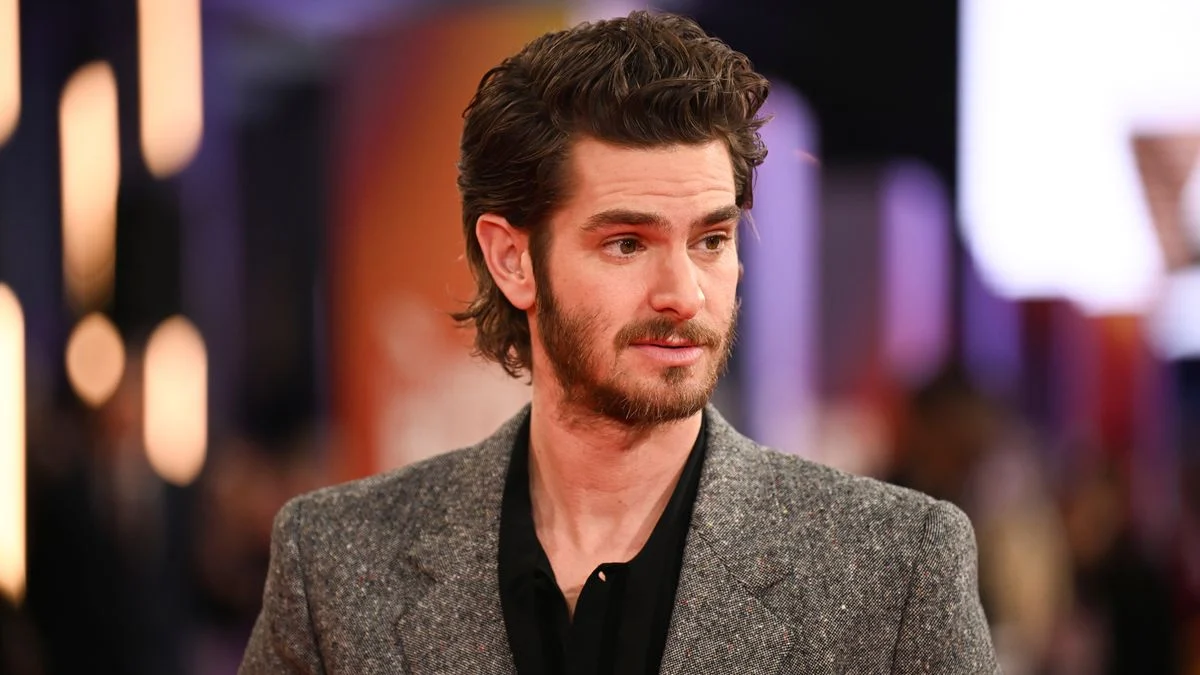
The project had all the hallmarks of an awards-season darling. Andrew Garfield, who famously played Eduardo Saverin in David Fincher’s The Social Network, was cast to portray Sam Altman. The script was penned by Simon Rich, a former Saturday Night Live writer known for his sharp, satirical voice. At the helm was Luca Guadagnino, the Italian auteur behind the evocative Call Me By Your Name and the recent commercial hit Challengers.
The narrative focus was centered on the chaotic "five days in November" of 2023, a period of unprecedented corporate drama that saw the face of the AI revolution fired by his own board, only to return in a blaze of employee unrest and investor pressure. It was, by all accounts, a compelling, high-stakes political thriller set in the pristine, glass-walled offices of San Francisco’s tech elite.

Chronology of a Corporate Divorce
The cancellation of Artificial by Amazon MGM is a textbook case of conflict of interest in an era of vertical integration.
- Late 2023: The "Altman Crisis" occurs at OpenAI, capturing the global imagination and providing the foundation for Simon Rich’s screenplay.
- Early 2024: Amazon MGM greenlights the project, seeing the potential for a definitive look at the AI movement.
- February 2025: A massive shift occurs in the business landscape. Amazon announces a staggering $50 billion investment in OpenAI. This partnership is not merely financial; it represents a deep-seated technological marriage between Amazon’s cloud infrastructure (AWS) and OpenAI’s large language models.
- Mid-2025: As the film enters its final stages, the reality of the Amazon-OpenAI partnership makes the distribution of a biting, critical film about Altman untenable for the studio.
- June 2025: Amazon MGM officially bows out, citing the need for the film to find a "different home."
The "Heckler" in the Boardroom
The catalyst for the breakup appears to be the script’s unflinching portrayal of its subject. According to industry insiders at Puck, those who viewed the screenplay were struck by the depiction of Sam Altman. Rather than a purely heroic visionary, the character is reportedly painted as a "hypocritical schemer."
In the corridors of power, such a characterization is more than just a creative choice; it is a reputational threat. When Amazon finalized its $50 billion investment, the optics of a company-owned studio releasing a film that portrays the leader of its most critical new partner as a deceptive operator became a strategic nightmare. Amazon MGM’s public statement was a masterclass in PR-speak: "We have the highest respect for Luca Guadagnino as a filmmaker and hope to continue our long-standing relationship. However, we believe the film would be better served if it were distributed by another studio."
Supporting Data: The Stakes of Modern Tech Partnerships
The decision highlights the sheer scale of the financial interests at play. The $50 billion investment from Amazon is among the largest in the history of the tech sector. When compared to the film’s modest $40 million budget, the decision to sacrifice the film becomes mathematically trivial.

In the contemporary media landscape, film studios are rarely standalone entities. They are often part of massive conglomerates that own the very infrastructure—servers, cloud computing, and AI research—that these tech companies provide. The "Chilling Effect" is not just a legal theory; it is a fiscal reality. When a studio’s parent company has a multi-billion dollar stake in the subject of a movie, the "independence" of the artistic process is immediately compromised.
Official Responses and Industry Reaction
The industry response has been one of quiet shock, followed by a scramble for the rights. Reports from Variety indicate that test screenings of the project—conducted before the cancellation—were overwhelmingly positive, suggesting the film has genuine artistic merit.
Luca Guadagnino, a director with a history of delivering hits for Amazon (including the Zendaya-led Challengers), is now in the position of needing to find a new distributor. The fact that Amazon is actively assisting in this search suggests they are eager to avoid a public fallout with the director while distancing themselves from the project’s content.
The Broader Implications: Art vs. Corporate Interests
The shelving of Artificial raises profound questions about the future of the "Tech-Bro Biopic."

1. The Death of Independent Satire
If tech companies continue to entrench themselves in the entertainment industry, we may see a decline in critical examinations of these figures. If the entities financing the films are the same ones relying on the tech companies for their digital infrastructure, the incentive to produce "authorized" rather than "investigative" biographies will grow.
2. The New "Corporate Gatekeepers"
Historically, studios guarded their reputations against political pressure, but today, they are effectively branches of the tech industry. The "corporate gatekeeper" is no longer the studio head worried about a protest; it is the CEO of a conglomerate worried about a stock price drop or a broken partnership deal.
3. A Precedent for Future Projects
This is not an isolated incident. Amazon previously faced scrutiny regarding its documentary Melania, which critics felt walked a fine line between journalistic inquiry and soft-focus promotion. The Artificial situation, however, is more overt: the content was deemed too "risky" for the business relationship.
Conclusion: A Lost Opportunity?
As the project shops for a new home, the irony remains palpable. A film about the disruptive power of AI has itself been disrupted by the economic realities of the AI boom. Whether Artificial finds a new distributor and reaches audiences as intended remains to be seen.

However, the episode serves as a sobering reminder: in an age where information and infrastructure are controlled by a handful of titans, the ability to tell a critical, unvarnished story about those same titans is becoming an increasingly rare and expensive luxury. The "heckler" in the boardroom has won this round, but the story of the AI revolution—and the men behind it—is far from finished. The question remains: who will be brave enough to tell it?